Photo via The Hindu

Ra’am and Joint List | The surge of the other

Read the original at The Hindu ↗
Cite

Parthasarathy, S. (2026, October 31). Ra’am and Joint List | The surge of the other. The Hindu. https://www.thehindu.com/news/international/raam-and-joint-list-the-surge-of-the-other/article71650610.ece

Dated from the outlet's own feed. Check the original for its byline.

The Hindu · collected 2026-10-31 · by Sambavi Parthasarathy

Quick Summary

On October 27, Israel held elections following the Hamas attack earlier that year, achieving a voter turnout of 77.7%, its highest since 1999. Notably, Israeli Arab citizens, comprising about 20% of the population, showed record-high participation at nearly 80%. This surge helped Arab parties secure a combined total of 19 seats in the Knesset, marking their highest tally ever. The increased turnout is attributed to fears among Arab communities due to policies and rhetoric from the Netanyahu-led coalition, which emphasized national security issues and ethnic divisions during the campaign period.
Written by AI on 2026-10-31, from this article's own text only (the story summary below draws on all the coverage).

AI analysis

Story summary

On October 27, 2026, Israelis voted in their first parliamentary elections since the October 7, 2023 Hamas attack, resulting in no single bloc securing the 61 seats needed for an outright majority. The high voter turnout of 77.7%, the highest since 1999, reflected widespread dissatisfaction with Prime Minister Benjamin Netanyahu and growing concerns over security failures during the recent attacks.

Opposition parties and Arab-Israeli groups like Ra'am and Joint List are positioning themselves as potential kingmakers in a hung parliament. Arab-majority lists could play a decisive role despite not forming a government due to their significant 20% of Israel's population. Meanwhile, protests against Netanyahu in Tel Aviv called for an inquiry into security failures.

Former Israeli army chief Gadi Eisenkot emerged as Netanyahu’s main rival but neither side achieved a clear majority. The election results are testing Netanyahu’s ability to form and maintain a coalition government amid ongoing regional tensions and domestic issues like exemptions from military service for ultra-Orthodox Jews.

Written for “Israeli Election Results Deadlock” on 2026-11-01, grounded in this article and the 249 other(s) covering the same event.

Story

📰 Israeli Election Results Deadlock
Politics · 250 article(s) covering the same event. Compare every outlet's account →

Compared with similar articles

This article reads leans strongly left and hedges 3% of its claims. Each row says how that neighbour differs.
Zeteo
⚖️ Leans left further right than this Hedges 0 of 27 claims
“The articles describe different events: one is about a national poll of Arab Americans regarding their political preferences for future elections, while the other discusses high voter turnout among Israel's Arab citizens in an election on October 27, 2026.”
Al Jazeera
Hedges 3 of 21 claims Outlet record 60/100
The Straits Times
⚖️ Leans left further right than this Hedges 5 of 19 claims Outlet record 66/100
BBC News
⚖️ Leans left further right than this Hedges 4 of 45 claims Outlet record 68/100
“Article A discusses the election results and political blocs' prospects for forming a majority, while Article B focuses on the high voter turnout among Arab citizens in the same election. Although related, they describe different aspects of the broader event.”
Al Jazeera
⚖️ Leans left further right than this Hedges 5 of 35 claims Outlet record 60/100
Eizenkot’s Choice Different event
Persuasion
⚖️ Leans left further right than this Hedges 3 of 46 claims
“While both articles discuss Israel's election results and voter turnout, they focus on different aspects: Article A highlights the overall political stalemate and seat distribution, while Article B emphasizes the high voter turnout among Arab citizens.”
Al Jazeera
⚖️ Leans strongly left Hedges 4 of 37 claims Outlet record 60/100
“The articles discuss different aspects of Palestinian-Israeli relations and voter turnout in Israel's election; they do not describe the same specific incident.”
Al Jazeera
Hedges 0 of 2 claims Outlet record 60/100
“The articles discuss different aspects of political activism and voter turnout related to Arab citizens in Israel but do not describe the same specific incident.”
ABC News (AU)
⚖️ Leans left further right than this Hedges 2 of 67 claims Outlet record 68/100
Toronto Star
Hedges 7 of 56 claims Outlet record 64/100
“Article A focuses on Yoav Segalovitz joining Ra'am party in parliament, while Article B discusses overall voter turnout and Arab citizens' significant participation in the election.”
How this article was measured signals, leaning charts, publisher record, byline, topics and claims

Signals How these are calculated →

Claims extracted
30
sentences that state something as happening or true
Uncertain
3%
1 of 30 hedged ("reportedly", "may", "according to")
Leaning
Leans strongly left
of the writing, not the subject · beta estimate
Publisher signals
77/100
The Hindu's corrections and hedging, across everything collected from it. Not a measure of accuracy.
Outlets on this story
250
Politics
Same framing elsewhere
1
articles that frame the event the way this one does
Analyzed 2026-10-31 · how these are computed

How this is being covered How these are calculated →

Article leaning vs. publisher reliability
Source leaning vs. consistency

Publisher

The Hindu · 755 article(s) · 2 correction(s) detected
Running correction rate · 2 correction(s)

Who wrote this

Sambavi Parthasarathy
8 article(s) here · 1 carrying a prediction
🔮 The surge in voter turnout has helped them gain a significant number of seats, which would have made them kingmakers in a hung Parliament where no bloc has a clear majority.
2026-10-31 · assertive framing · Ra’am and Joint List | The surge of the other
🔮 This implies that the voter turnout among Arab citizens in Israel would be the highest in at least a decade.
🔮 With Israel set to go the polls on Tuesday (October 27, 2026), Mr. Eisenkot’s year-old centrist party, Yashar (Hebrew for Straight), is projected to win 20 of 120 seats in parliament, putting it ahead of Mr. Netanyahu’s Likud.
2026-10-24 · assertive framing · Gadi Eisenkot | Netanyahu’s challenger
🔮 However, the tender process is required only in 13 settlements and is not required in others, so the actual number of housing units being constructed could be much higher.
🔮 In May, the Trump administration imposed secondary sanctions on foreign firms dealing with the Cuban state and its military conglomerate, GAESA.
2026-10-07 · assertive framing · The status of the U.S. blockade on Cuba
🔮 Recent polls by media outlets have suggested that neither Prime Minister Benjamin Netanyahu’s coalition nor the Zionist opposition bloc will be able to secure the 61 seats required for a parliamentary majority in the 120-member Knesset, and projected that the Arab parties could win up to 12 seats.
2026-09-28 · assertive framing · Why Israel banned Arab parties ahead of polls
🔮 This construction on Palestinian land is illegal under international law and would isolate Palestinian communities between the northern and southern West Bank.
🔮 According to the poll published by Maariv, Yashar was projected to win 25 seats while Likud trailed with 19.
Also by Sambavi Parthasarathy
Nothing else under this byline is closely related to this article, so these are simply their most recent.
All 8 articles by Sambavi Parthasarathy →

Topics

Arab Israel Parliament Ra’am The Joint List

Subjects

Arab NORP · 16× Netanyahu PERSON · 7× Ra’am ORG · 5× The Joint List ORG · 4× Gaza GPE · 2× Israel GPE · 2× Jewish NORP · 2× Palestine GPE · 2× Parliament ORG · 2× Hamas ORG · 1×

Narrative

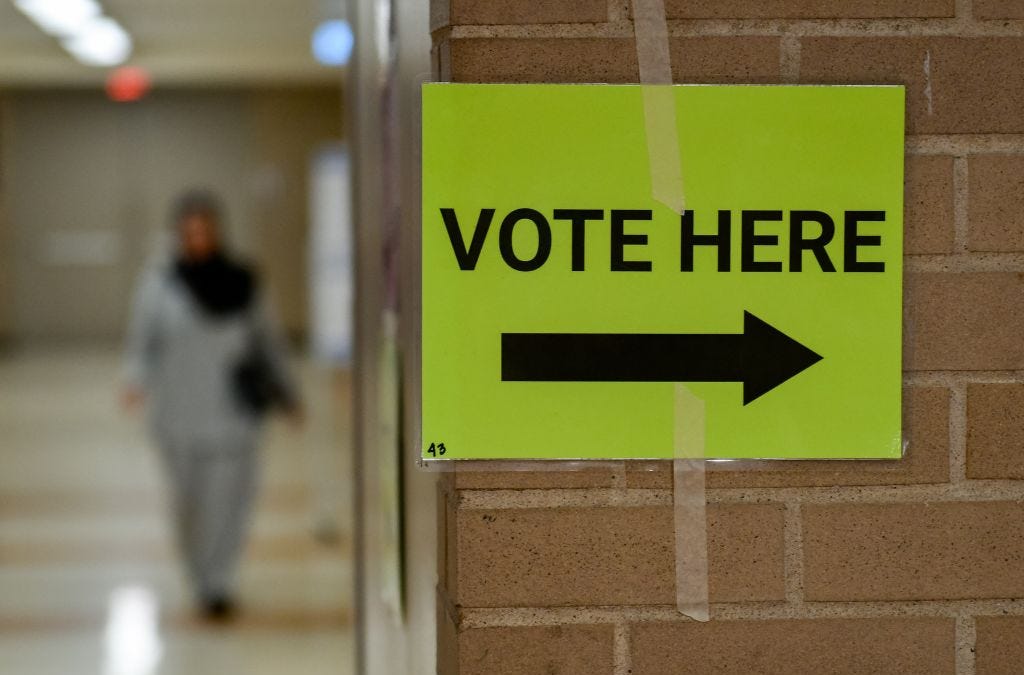
On October 27, the day Israel went to the polls, the first election since the October 7, 2023 Hamas attack, the country recorded its highest voter turnout since 1999, at 77.7% But this was not the only story about the turnout. Israel’s often overlooked Arab citizens, who make up some 20% of the population, made an overwhelming case for representation and change that day by turning out in massive numbers to vote.
framing: assertive · carried by 1 article(s) · first seen 2026-10-31
🔮 The surge in voter turnout has helped them gain a significant number of seats, which would have made them kingmakers in a hung Parliament where no bloc has a clear majority.
2026-10-31 · The Hindu
Ra’am and Joint List | The surge of the other · assertive framing

Claims (30 extracted, 1 hedged)

On October 27, the day Israel went to the polls, the first election since the October 7, 2023 Hamas attack, the country recorded its highest voter turnout since 1999, at 77.7% But this was not the only story about the turnout. Israel’s often overlooked Arab citizens, who make up some 20% of the population, made an overwhelming case for representation and change that day by turning out in massive numbers to vote. asserted
who → go → numbers
Exit polls recorded by Channel 12 estimated their turnout at nearly 80%, the highest in at least a decade. asserted
polls → record → decade
For the far-right coalition led by Prime Minister Benjamin Netanyahu, the election was a “war for our home”, but for Arab parties, the political mobilisation meant meaningful representation in the Knesset, the Israeli parliament. asserted
mobilisation → lead → Knesset
This mobilisation seems to have paid off. asserted
mobilisation → seem → ?
Arab parties have emerged as the third bloc after the elections. asserted
parties → emerge → elections
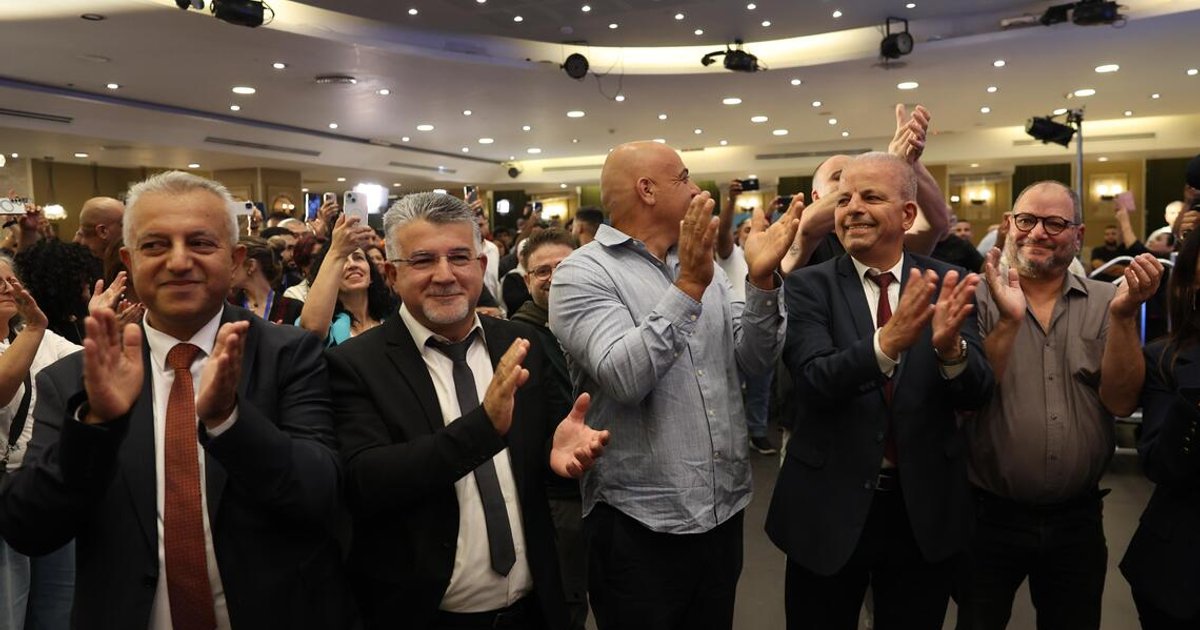
The Joint List and the United Arab List (Ra’am) have secured a combined 19 seats in the 120-member Parliament, their highest-ever tally. asserted
List → secure → Parliament
Part of the credit goes to the Arab parties, which have actively mobilised their communities to vote. asserted
which → go → communities
But much of it also goes to Mr. Netanyahu’s far-right government, whose policies and rhetoric, including the war on Gaza and escalating violence in the occupied West Bank, have heightened fears among Arab citizens. asserted
policies → go → citizens
While Arab citizens are affected like any other Israelis when it comes to national security, they’ve also borne the brunt of racism and violence. asserted
they → affect → racism
According to polls by the Israeli Democracy Institute, a party’s position related to crime in Arab society was one of the most important factors determining their vote. uncertain
position → accord → vote
Prime motivation Fear, as many experts have pointed out, has been their prime motivation, which Arab parties have been able to mobilise given the divisive campaigns launched by Mr. Netanyahu’s bloc. asserted
parties → point → bloc
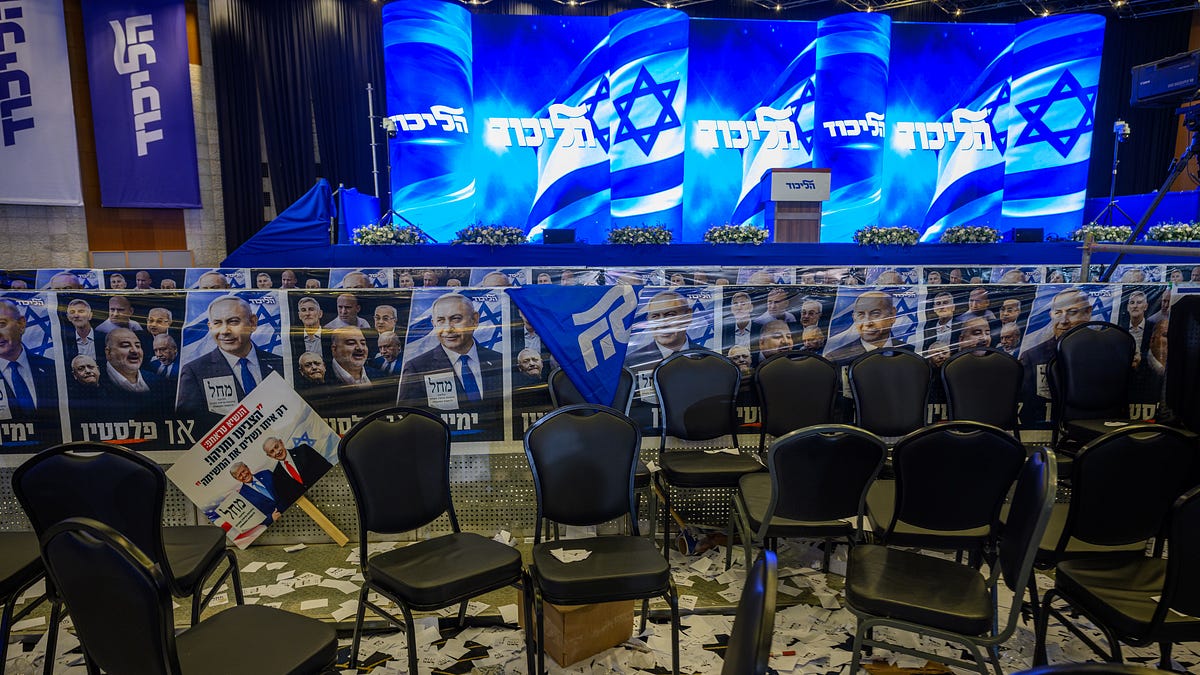
During the campaign, the Netanyahu camp put up billboards, saying it was ‘either the right or Palestine’. asserted
it → put → billboards
Even on the day of polling, the Prime Minister urged his supporters to go and vote, pointing to an Arab voter surge and calling it a matter of “life and death”. asserted
Minister → urge → life
While leaders of Arab parties have called Mr. Netanyahu’s attempts racist, they, too, have borne the brunt of discrimination. asserted
they → call → discrimination
Like in the cases of previous elections, an attempt was made for disqualification of the Ra’am party and the Joint List (an alliance of Balad, Hadash and Ta’al) before the polls. asserted
attempt → make → polls
The surge in voter turnout has helped them gain a significant number of seats, which would have made them kingmakers in a hung Parliament where no bloc has a clear majority. asserted
bloc → help → majority
But neither side has expressed any willingness to form a government with Arab parties. asserted
side → express → parties
Mr. Netanyahu has accused the Arab parties of “stealing” the elections and has vowed to keep them out of power, while Gadi Eisenkot, leader of the opposition coalition, has been reluctant to join hands with them. asserted
Eisenkot → accuse → them
The Ra’am party, led by Mansour Abbas, became the first Arab party in nearly 44 years to be part of a government in 2021 when they backed the Bennett-Yair Lapid government. asserted
they → lead → government
Ra’am broke off from the Joint List. asserted
Ra’am → break → List
However, this experiment was short-lived as the coalition collapsed within a year. asserted
coalition → live → year
Ra’am returned to the opposition fold after Mr. Netanyahu’s coalition won the elections in 2022. asserted
coalition → return → 2022
Arab parties had previously supported governments from outside, especially under Labour Prime Minister Yitzhak Rabin. asserted
parties → support → Rabin
Any alliance with Jewish parties is challenging given how much they differ in their views on Palestine. asserted
they → give → Palestine
Most Jewish parties, including Mr. Netanyahu’s Likud and Mr. Eisenkot’s Yashar, are opposed to the establishment of a Palestinian State and support the occupation of the West Bank. asserted
parties → include → Bank
This is in contrast to what the Arab parties envision. asserted
parties → envision → what
The Joint List has stated that it is committed to ending the occupation and establishing a Palestinian state along the 1967 borders and lifting the siege on Gaza. asserted
it → state → Gaza
Ra’am supports an end of the occupation and the establishment of a Palestinian state with Jerusalem as its capital. asserted
Ra’am → support → capital
However, they differ on priorities. asserted
they → differ → priorities
While Mansour Abbas’s Ra’am party prioritises tackling immediate, practical resources for Arab towns, the Joint List maintains that Arab citizens cannot achieve true equality inside Israel without also ending the military occupation of Palestinians in the West Bank and Gaza. asserted
citizens → prioritise → Bank

💬Give feedback
🕘History 🎫Support