The Aporia
Patteson, C. (2026, November 4). GOP loss culprit? Trump dismal approval ratings track gas prices almost 1-for-1. Washington Examiner. https://www.washingtonexaminer.com/policy/energy-and-environment/4792351/trump-dismal-approval-ratings-gas-prices-2026-elections/
Patteson, Callie. “GOP loss culprit? Trump dismal approval ratings track gas prices almost 1-for-1.” Washington Examiner, 4 Nov. 2026, https://www.washingtonexaminer.com/policy/energy-and-environment/4792351/trump-dismal-approval-ratings-gas-prices-2026-elections/.
Patteson, Callie. “GOP loss culprit? Trump dismal approval ratings track gas prices almost 1-for-1.” Washington Examiner, November 4, 2026. https://www.washingtonexaminer.com/policy/energy-and-environment/4792351/trump-dismal-approval-ratings-gas-prices-2026-elections/.
Dated from the outlet's own feed. Check the original for its byline.
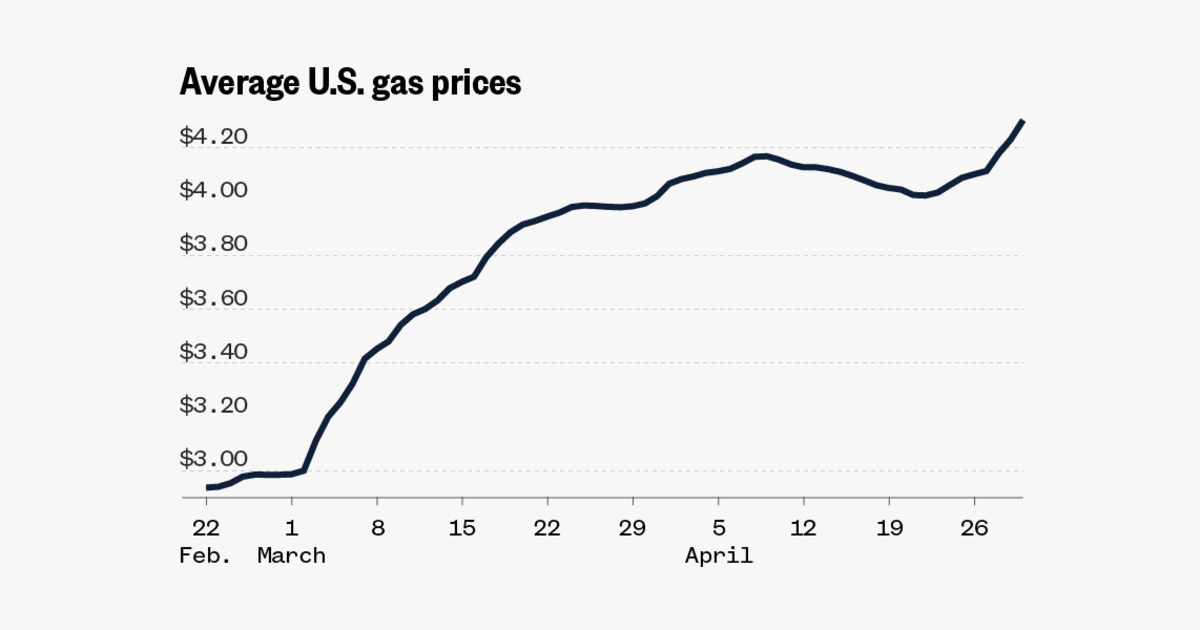
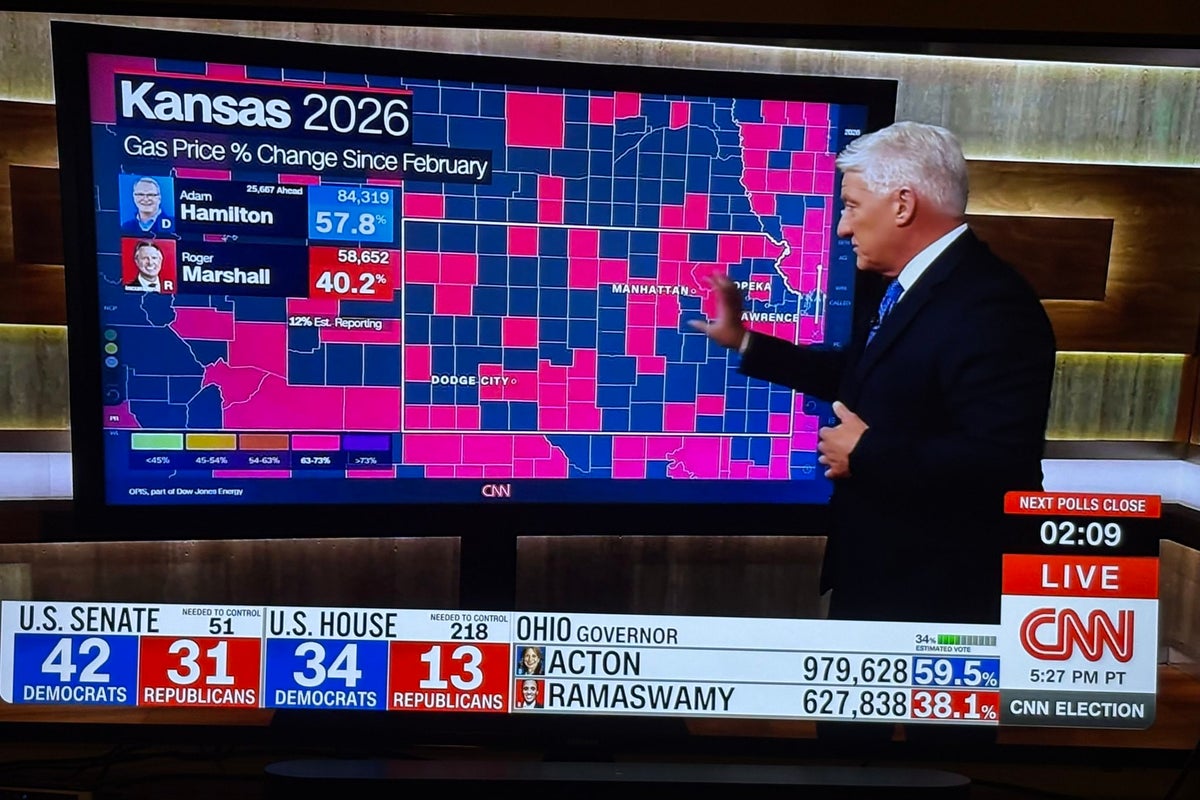
Historically high gasoline prices appear to have significantly impacted President Donald Trump's approval ratings and contributed to the Republican Party's loss in the midterm elections. According to data from the Energy Information Administration, since February 2026, when global energy disruptions caused by the war in Iran began, there has been a strong negative correlation between rising gas prices and declining approval for Trump. For instance, on March 2, 2026, with gasoline at about $3.02 per gallon, Trump’s net approval rating was -14.30, dropping from -6 in February. By mid-May, as gas prices surged to $4.49 per gallon, his approval rating plummeted further to -17.50. Conversely, when a ceasefire agreement between the US and Iran in late June led to reduced tensions, gasoline prices fell to around $3.83 per gallon, coinciding with an uptick in Trump's approval ratings. This trend suggests that as Americans paid more for gas, they became less supportive of the president.
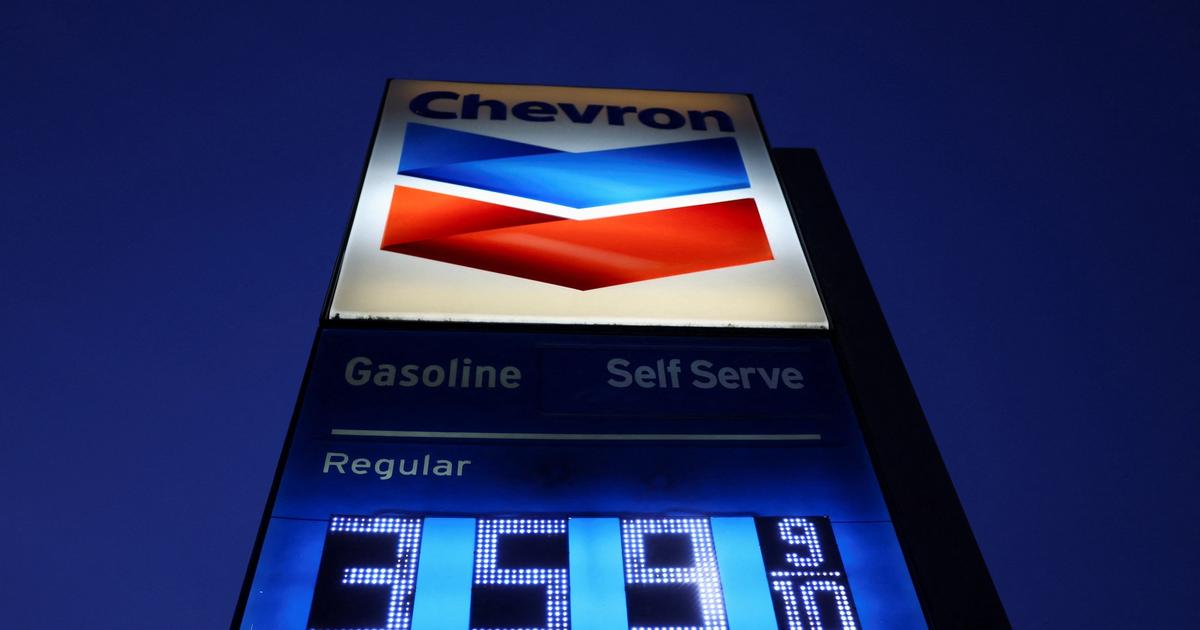
Historically high gasoline prices appear to have doomed the Republican Party in the midterm elections by driving down President Donald Trump’s plummeting approval rating.
The biggest drivers behind the higher fuel prices have been oil and oil product supply disruptions in the Strait of Hormuz, which had 20% of global trade traveling through before the war, as well as a loss of refining capacity worldwide.
The Trump administration has attempted to brush off concerns, insisting that prices will come down as soon as the war in Iran ends. Trump officials have also repeatedly pointed to the fact that the highest-ever fuel prices were recorded under the Biden administration.