, says Canada-U.S. trade minister
LeBlanc says Canada still must work with president and his cabinet
Canada's point man on the Canada-U.S. trade file says the federal government's strategy isn't changing in the short term despite American voters handing a seismic win to Democrats in Tuesday night's midterm elections.
asserted
voters → say → elections
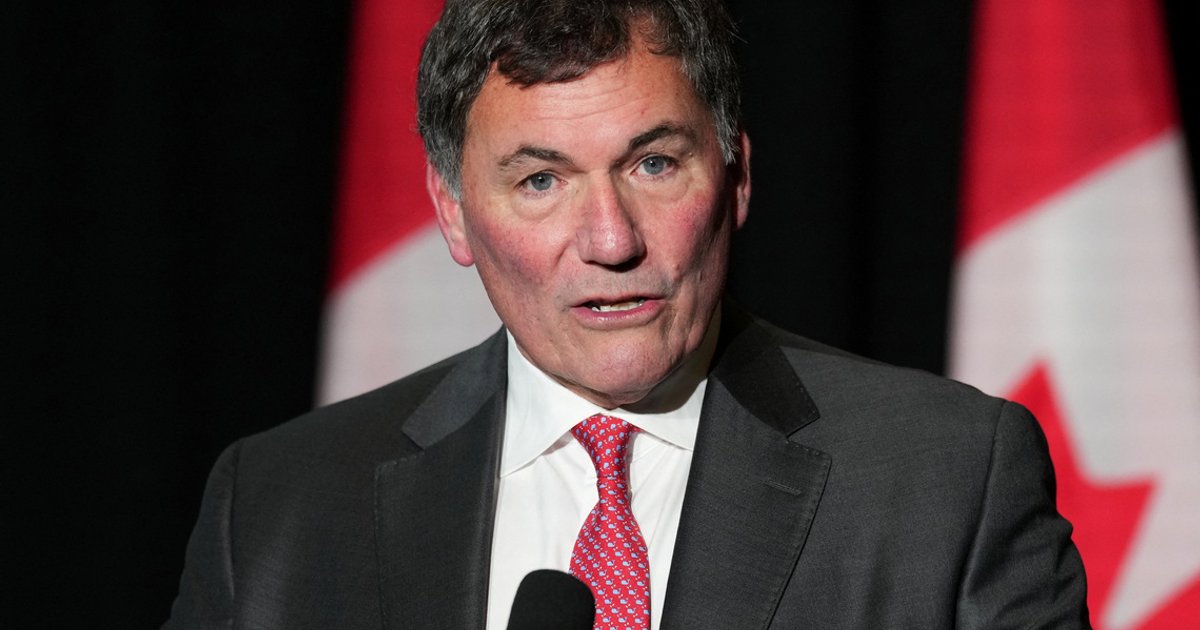
While the results are widely seen as a strong repudiation of U.S. President Donald Trump and his economic policies, Canada-U.S. Trade Minister Dominic LeBlanc wouldn't weigh in ahead of a caucus meeting on Wednesday morning in Ottawa.
asserted
LeBlanc → see → Ottawa
"It's not particularly constructive for Canadians to interpret results in a foreign country's election," he said.
asserted
he → interpret → election
"Our job is to focus on what we can control, and that's to work with the people that Americans have elected."
asserted
Americans → focus → that
LeBlanc noted the trade talks are conducted with Trump and his cabinet.
asserted
talks → note → Trump
"They remain in office today.
asserted
They → remain → office
And those are the people with whom we'll be having those conversations," he said.
asserted
he → have → conversations
Canada has been seeking a trade deal with the U.S. in hopes of lowering steep tariffs on Canadian goods, including targeted sectors like autos, steel, aluminum and softwood.
asserted
Canada → seek → autos
One of the big questions for the Canadian side is how the infamously volatile U.S. president reacts to the midterm shellacking, one that delivered control of both the House and Senate to Democrats, and whether it gives Prime Minister Mark Carney's government more leverage.
asserted
it → react → leverage
Trump was already signalling some movement on the file, telling Fox News on Tuesday morning he was close to a deal.
asserted
he → signal → deal
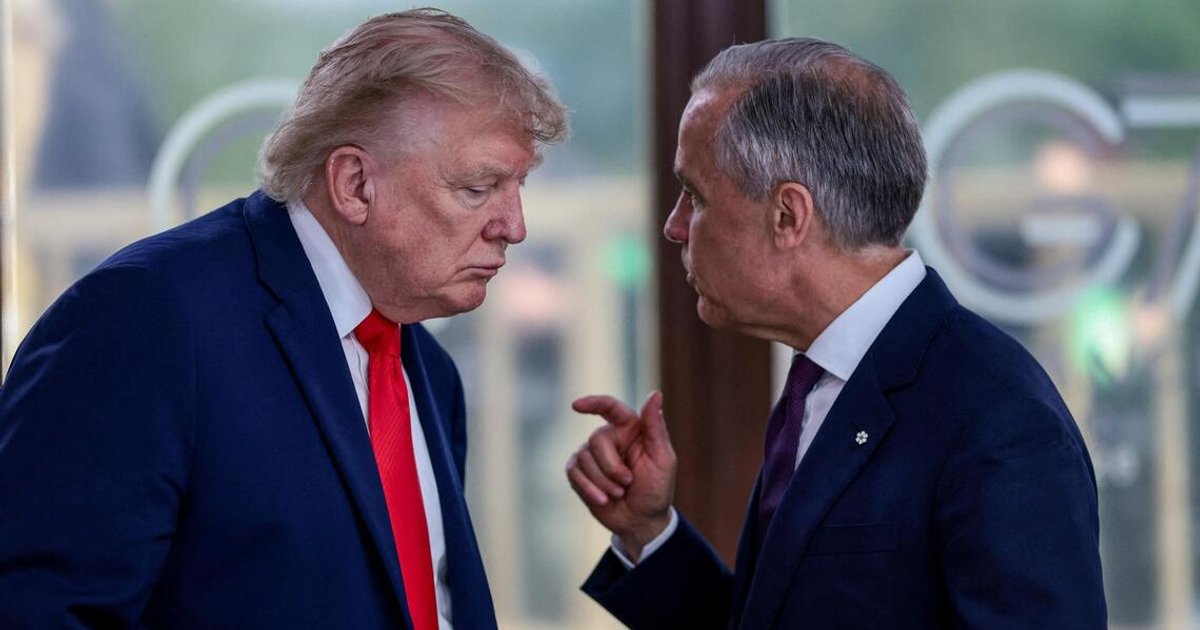
Carney didn't go quite as far but told reporters that afternoon that the White House has shifted its stance on some of what he called Canada's "red lines," including language requirements and Canada's ability to strike trade deals with other countries.
asserted
he → go → countries
"They're asking less and they're offering more," the prime minister said, adding the two leaders will meet in China later this month.
asserted
leaders → ask → China
He said there is still work to be done before a deal is inked.
asserted
deal → say → ?
Autos are expected to be a key sticking point, as they were in August before talks collapsed — triggering new tariffs on both sides.
asserted
talks → expect → sides
Trump still has his veto powers
A blue Congress doesn't necessarily mean it's clear sailing for Canada.
asserted
it → have → Canada
The new crop of representatives and senators won't be sworn in until January, and even after that Trump will still be able to lean on his executive authority.
asserted
Trump → swear → authority
After the results came Trump posted an image of a red MAGA-style hat with the word "VETO," although he also told Politico "I don't want to be just sitting there for two years vetoing everything."
asserted
I → come → everything
LeBlanc said "what the new Congress might decide to do when they're seated two months from now is an interesting discussion," but that's "not going to change the work that we have to do in the next two weeks."
uncertain
we → say → weeks
"The American Congress will act in the interests of the American Congress.
asserted
Congress → act → Congress
Our work will be focused on what we can do here at home," he said.
asserted
he → focus → home
- Analysis
What the Republican midterm defeat means for Trump, the U.S. and Canada
Carney says U.S. 'asking less and offering more' with 'more intense' trade talks underway
Conservative Leader Pierre Poilievre said it's on Carney and his government to leverage the results to land a tariff-free trade deal with the U.S. administration.
"
asserted
it → mean → administration
Americans hate these tariffs," he said.
asserted
he → hate → tariffs
"Let's leverage that goodwill to pressure the administration and Congress to remove all the tariffs, lower the cost of living for Americans but also boost jobs and business for long-struggling Canadians.
asserted
's → let → Canadians
Ford 'doing cartwheels'
Ontario Premier Doug Ford, one of the most colourful critics of Trump's tariffs at the premiers' table, said he "was doing cartwheels down the street" as the votes were being tallied.
"You ever seen a big guy like me doing cartwheels?
asserted
guy → do → cartwheels
I was jumping up and down when the results were coming in.
asserted
results → jump → ?
But it's very simple, the American people spoke," he said.
asserted
he → speak → ?
Ford said he'll be reaching out to governors and is instructing his cabinet to reach out to U.S. Congress members and senators.
asserted
he → say → members
We have to continue making sure that we move faster, quicker, immediate on everything across the board," he said.
asserted
he → have → board
Former ambo urging caution
Canada's former ambassador to the U.S., Kirsten Hillman, cautioned the federal government against making any sudden changes.
asserted
ambassador → urge → changes
"If they're having constructive conversations that are heading towards some kind of arrangement that would work for Canada, we wouldn't want them to stop that," Hillman said during election night coverage on CBC News.
asserted
Hillman → have → News
Former Conservative cabinet minister James Moore suggested Carney shouldn't accept a deal with tariffs now.
uncertain
Carney → suggest → tariffs
"Americans don't want tariffs.
asserted
Americans → want → tariffs
Do not make a deal with a repudiated and departing president that normalizes tariffs that Americans and Canadians don't want," he posted on X.
"Do not put Canada at an economic disadvantage with a tariff-accepting deal."
asserted
he → make → deal
 The Aporia