In short:
Garment workers in Bangladesh have protested over their working conditions, including wages.
asserted
workers → protest → wages
A human rights expert said global supply chains created an exploitative apparel industry.
What's next?
Australians are being urged to support clothing brands that have proved their products come from an ethical supply chain.
asserted
products → say → chain
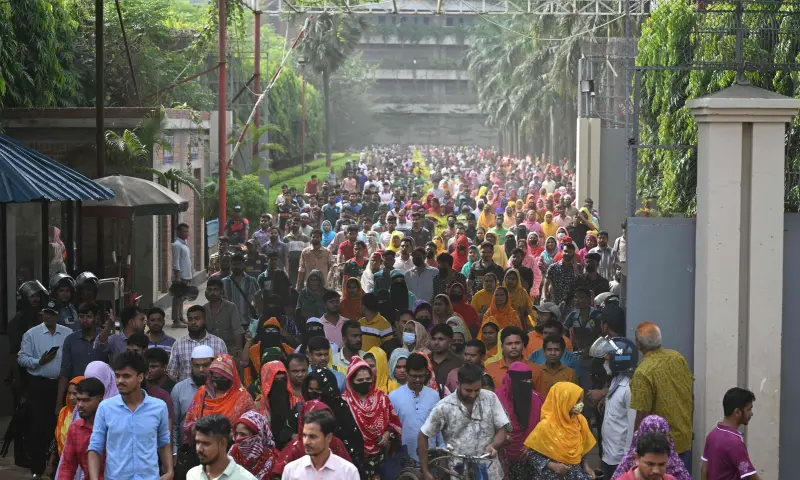
Garment workers in Bangladesh have walked off the job in the past week in the pursuit of better wages and stronger working conditions.
asserted
workers → walk → wages
It is the culmination of years of frustration, which human rights experts said was a consequence of global supply chains putting workers at the bottom of the pecking order.
asserted
chains → say → order
The garment industry employs about 4 million workers, supplies global brands such as H&M, Zara and Gap, and accounts for more than 80 per cent of the country's export earnings.
asserted
industry → employ → earnings
What is happening in Bangladesh?
asserted
What → happen → Bangladesh
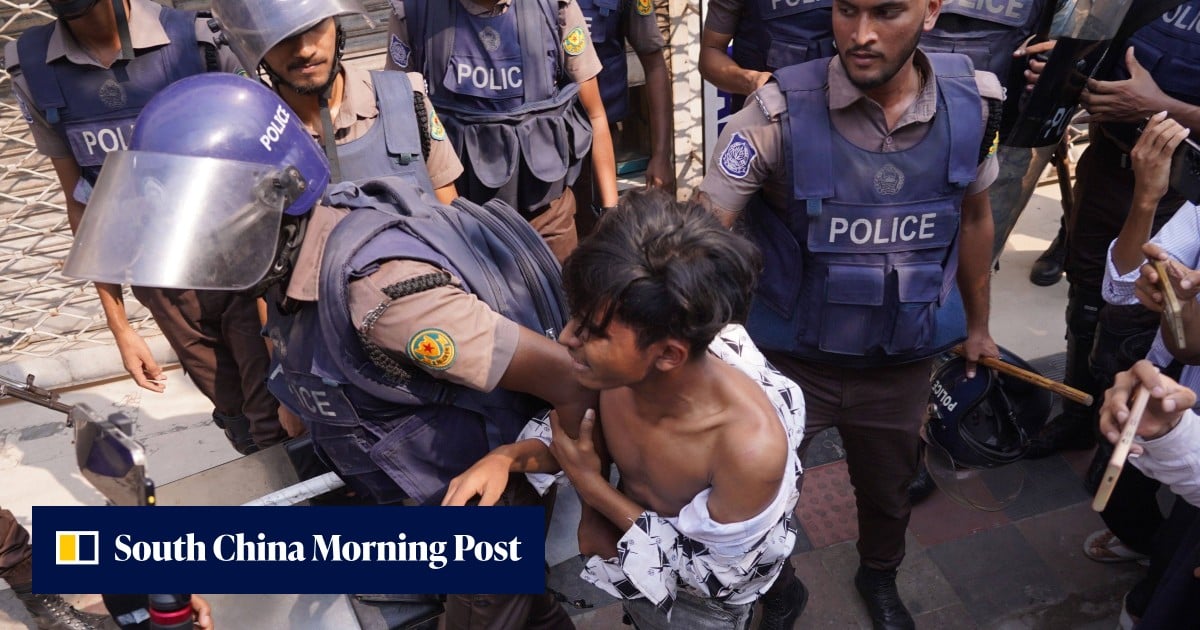
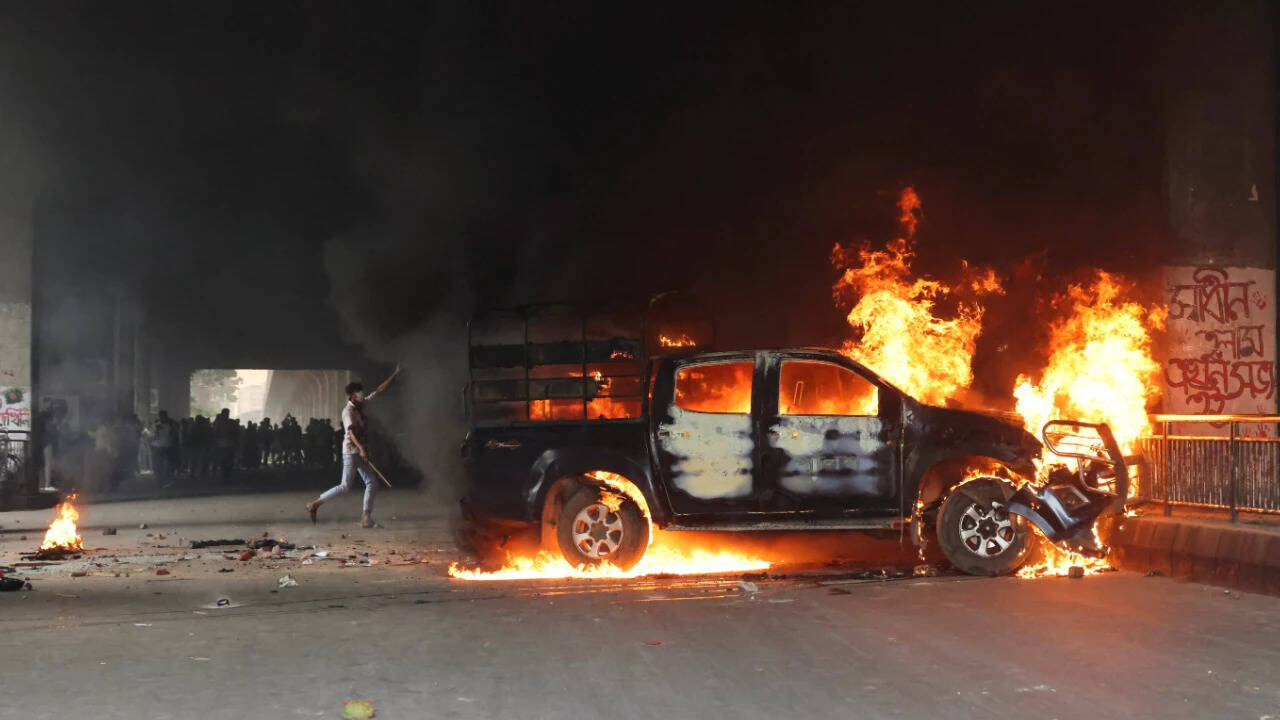
For several days, thousands of garment workers have protested and clashed with police across the capital, Dhaka.
asserted
thousands → protest → capital
Dozens were injured during the civil action, including police officers who used tear gas and stun grenades to disperse the workers.
asserted
who → injure → workers
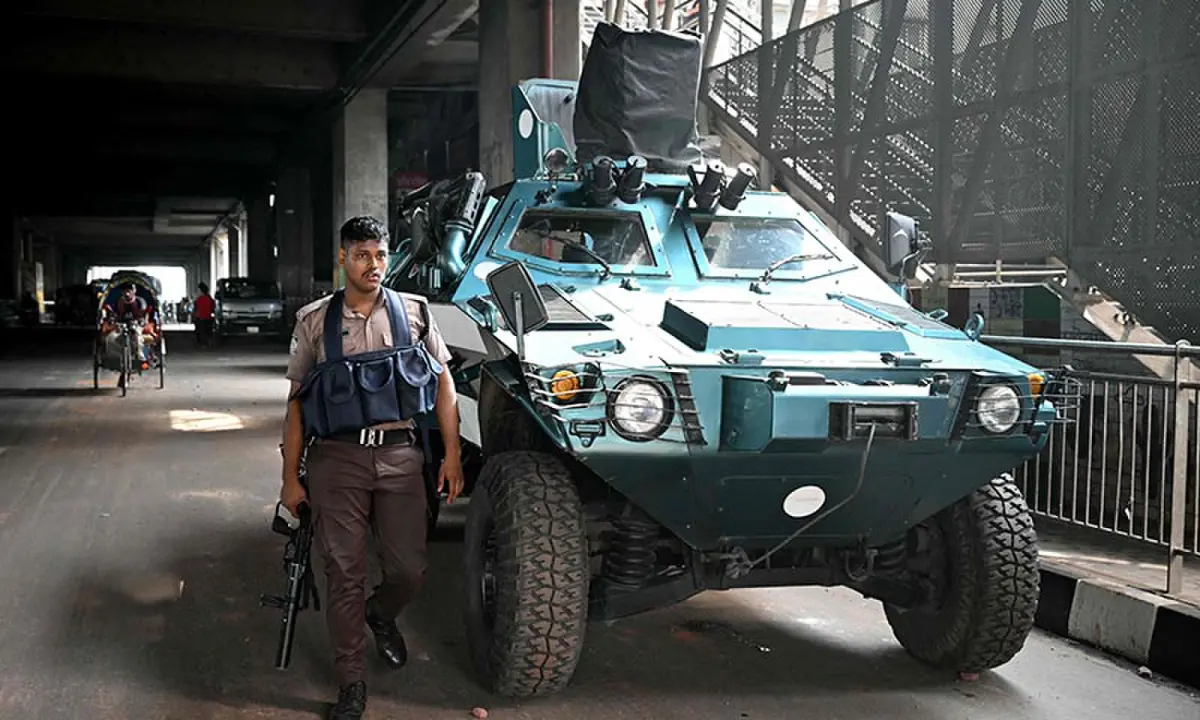
In response to the unrest, which shut down hundreds of factories, the government formed a wage board to review pay in Bangladesh's garment sector.
asserted
government → shut → sector
The board reached an agreement yesterday regarding raising the minimum wage, but said it would not announce the result until December.
asserted
it → reach → December
But many workers were still unsure what the announcement meant.
asserted
announcement → mean → what
University of New South Wales Australian Human Rights Institute director Professor Justine Nolan said the protests were the result of years of workers' rights being violated.
asserted
protests → say → rights
"There's been real issues about the quality of working conditions in Bangladesh, including wage rates," she said.
asserted
she → be → rates
"So they're at a point of desperation again, six, seven years later, basically saying, 'We again are desperate, we can't feed our families … we need people to look at this,'" Professor Nolan said.
asserted
Nolan → say → this
In 2019, a worker was killed during similar protests in Bangladesh.
asserted
worker → kill → Bangladesh
From factories to Australian stores
Professor Nolan said global supply chains made these kinds of workers susceptible to human rights violations.
asserted
kinds → say → violations
"It's really prone to contracting and subcontracting … so one factory might get an order, then subcontract that to 10 other factories," she said.
uncertain
she → get → factories
She said this made it hard for brands to track their supply chains, and due to low price margins, brands were unlikely to build additional costs into their business models.
asserted
brands → say → models
"The crunch is basically at the bottom of the supply chain, and where they shave margins off is the workers' wages, lack of overtime, lack of a decent living wage."
asserted
wages → shave → wage
Ethical Clothing Australia national manager Arron Goldman said alarm bells should ring if an item was cheap.
asserted
item → say → ?
"It's really important to recognise that if something is cheap on the shelf, someone's usually paying the price elsewhere and it's often most likely a vulnerable worker,"Mr Goldman said.
asserted
Goldman → recognise → price
Worker exploitation in Australia
Mr Goldman said even in Australia, apparel workers continued to be exploited.
"[We] recovered around $926,000 in the last financial year from businesses that were underpaying workers, not giving them contracts or using the wrong contracts, not paying them super," he said.
asserted
he → say → super
Mr Goldman said the introduction of the Modern Slavery Act in 2018 put a spotlight on local "precarious" practices.
asserted
introduction → say → practices
"Particularly those who work from home, who often are a migrant cohort that might not know their rights and might also live in fear of speaking up," he said.
uncertain
he → work → fear
How to know where to shop
Mr Goldman said his organisation had an accreditation program in which it verified the ethical production chains of businesses.
asserted
it → know → businesses
"For those people who actually want to make sure that their purchases are ethical … throughout the supply chain, the workers in the factories are being paid the correct amount, they're being paid super, their rights are respected in terms of the hours that they keep, and that they have freedom of movement," he said.
asserted
he → want → movement
Professor Nolan said Australians could help by asking questions of the brands they purchased from, including where the product was from, where the factory was located, and whether they were looking beyond their direct supplier to lower rungs in the supply chain.
uncertain
they → say → chain
"The more that we ask those questions, they're more likely to start to dig into that detail and then try and develop more of a relationship with the supplier," she said.
asserted
she → ask → supplier
 The Aporia