- Published
Is the artificial intelligence (AI) gold rush coming to an end, or is this simply a reality check?
asserted
this → come → end
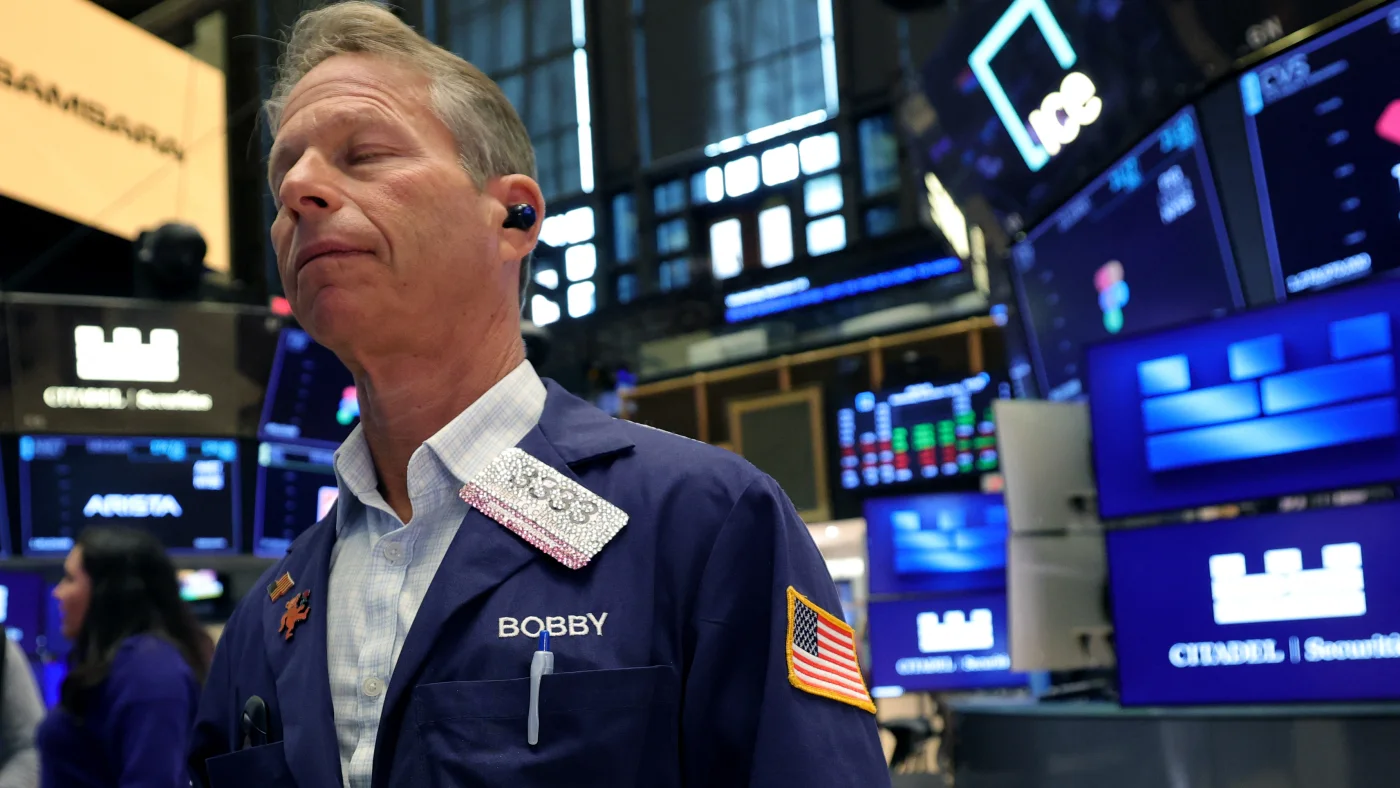
That's the question which is hanging over investors, and which has prompted steep falls on the world's stock markets.
asserted
which → hang → markets
It followed sweeping gains by the Democrats in this week's mid-term elections in the US, which have given the party full control of Congress.
asserted
which → follow → Congress
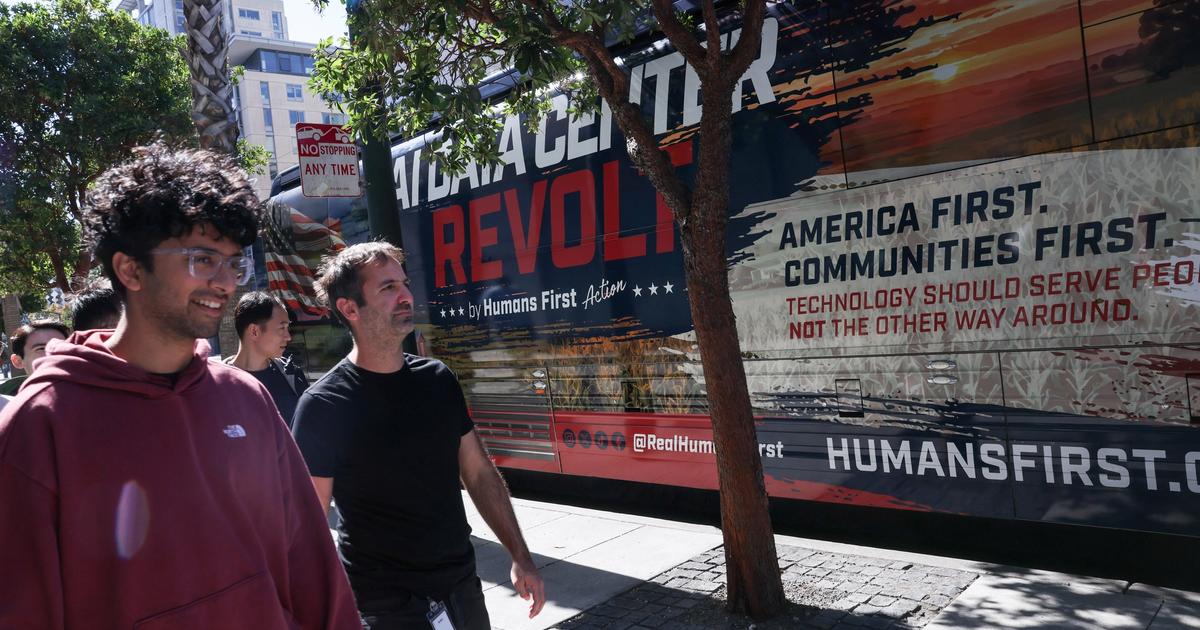
A number of leading Democrats campaigned against the unhindered expansion of data centres, which have underpinned the growth of artificial intelligence.
asserted
which → lead → intelligence
Fears this will lead to more regulation of AI appear to have sparked fear among investors.
asserted
this → lead → investors
But concerns about the industry's prospects have been growing for some time.
asserted
concerns → grow → time
The release of Chat GPT by Open AI in late 2022 is widely seen as having generated massive public and corporate interest in the practical uses of AI.
asserted
release → see → AI
It also sparked a modern-day gold rush.
asserted
It → spark → rush
Investors flocked to put their money into companies producing computer chips and networking infrastructure, building data centres and providing the energy to power them, as well as developing the AI itself.
asserted
Investors → flock → AI
The value of tech companies soared.
asserted
value → soar → companies
The boom continued into this year.
asserted
boom → continue → year
Investments in AI are expected to reach $1trillion in 2026 alone according to research by Goldman Sachs.
uncertain
Investments → expect → Sachs
The sector has scooped up so much available cash that other industries have seen their own borrowing costs increase as a result.
asserted
costs → scoop → result
But investors want returns, and in recent months concerns have been growing about whether the AI boom can produce the expected riches.
asserted
boom → want → riches
Those worries have emerged at a time when public comments from AI researchers casting doubt over the safety of AI - even suggesting it could represent an existential threat to humanity - have been grabbing headlines and fuelling speculation that a clampdown could lie ahead.
uncertain
clampdown → emerge → speculation
While the Trump administration has been all-in on AI, or "super intelligence" as the president likes to call it, many leading Democrats have tapped into grassroots concerns about the expansion of data centres and their impact on local communities.
asserted
Democrats → like → communities
These were largely focused on the facilities' high consumption of water and electricity, which many feared would push up their household bills – as well as the noise, use of land, and general disruption associated with them.
asserted
many → focus → them
A Gallup poll published in May showed 71% of Americans would oppose the building of a data centre in their community.
uncertain
% → publish → community
James Talarico, who won the Senate race in once staunchly Republican Texas, was one of those to tap into this scepticism.
asserted
who → win → scepticism
"While we want to protect America's leadership in artificial intelligence, we are still grappling with how it will affect everything from how we work to how our children learn," he said.
asserted
he → want → everything
"We must protect Americans and establish clear, consistent laws for businesses."
With control of both houses of Congress, Democrats are now expected to challenge the president's technology agenda more vigorously, while introducing legislation which could curb the expansion of the industry.
uncertain
which → protect → industry
Texas' Democratic governor-elect Gina Hinojosa campaigned against data centres, pledging a moratorium on the construction of new facilities.
asserted
Hinojosa → campaign → facilities
Hinojosa's win could present opposition to tech multi-billionaire Elon Musk, who has moved large parts of SpaceX and Tesla's operations to the state, for years a Republican stronghold.
uncertain
who → present → years
The Tesla boss had spent nearly $450m to back Republican campaigns in the midterms.
asserted
boss → spend → midterms
As the co-founder of the British-based technology firm Arm Holdings, Tudor Brown, points out, "stock values are based on future earnings not present earnings".
asserted
values → base → earnings
If the rewards are not likely to be as great as expected, some investors will choose to sell up.
asserted
investors → expect → ?
The falls seen on stock markets over the past 24 hours would appear to have been triggered by the mid-term results.
asserted
falls → see → results
But concerns that tech firms have become overvalued were being expressed long before the elections.
asserted
firms → overvalue → elections
The question now is whether this is simply the removal of froth from an over-exuberant market, or a sign that the AI rush is a bubble about to burst, with much wider consequences.
asserted
rush → burst → consequences
Nandini Roy Choudhury of Future Market Insights thinks investors will assess whether the political shift could result in restrictions on data centre construction, energy consumption and the deployment of AI technology.
uncertain
shift → think → technology
She adds there is unlikely to be an immediate widespread recovery in tech stocks as traders are likely to be more selective, favouring firms with stronger balance sheets.
asserted
traders → add → sheets
Brown thinks the impact will be limited.
asserted
impact → think → ?
Share valuations, he thinks, were inflated by expectations of "almost infinite AI growth", which have been followed by "a bit of a panic".
asserted
which → think → panic
"There is a natural floor to this", he says.
asserted
he → be → this
"After that it will reflect I think that actually there's still a lot of money being made in these companies".
asserted
I → reflect → companies
 The Aporia