The Aporia
Ware, M. L. (2026, September 16). 'A masterclass in the ethics of espionage'. Semafor. https://www.semafor.com/article/09/16/2026/a-masterclass-in-the-ethics-of-espionage
Ware, Mary Lawrence. “'A masterclass in the ethics of espionage'.” Semafor, 16 Sept. 2026, https://www.semafor.com/article/09/16/2026/a-masterclass-in-the-ethics-of-espionage.
Ware, Mary Lawrence. “'A masterclass in the ethics of espionage'.” Semafor, September 16, 2026. https://www.semafor.com/article/09/16/2026/a-masterclass-in-the-ethics-of-espionage.
Dated when The Aporia collected the article, usually within hours of publication. Check the original for its exact date and byline.
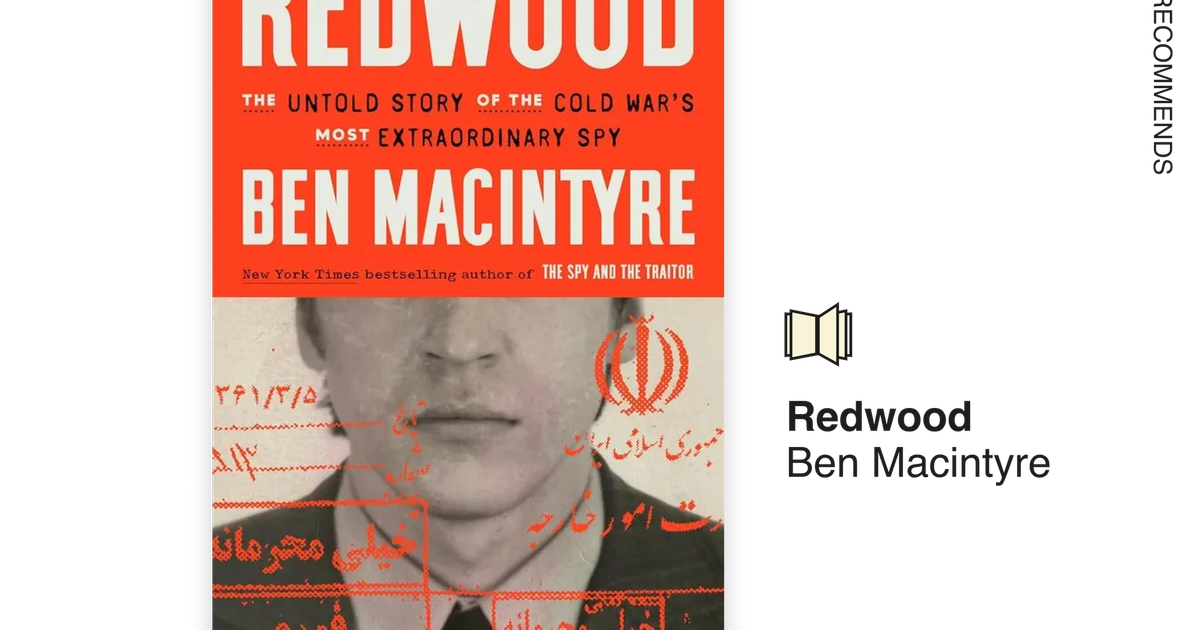
In 1981, Vladimir Kuzichkin, a 6-foot-4 KGB major and handler of contacts with Iran’s Tudeh Party, approached Britain's MI6 in Tehran with critical intelligence on Soviet-aligned communist agents within Iran. During a clandestine meeting at the British Embassy compound, Kuzichkin revealed weapons caches and plans for potential coups that could bring Soviet troops into Iran. In exchange, he sought discreet medical assistance for his erectile dysfunction, which was causing marital strife. According to Ben Macintyre’s book "Redwood," MI6 provided Kuzichkin with medication and a letter from their chief medical officer wrapped inside an ink cartridge of a ballpoint pen to avoid detection by Iranian Revolutionary Guards. The secrecy and risk involved in this exchange highlight the complex ethical dilemmas and geopolitical stakes of espionage during the Cold War era.