Trump’s $1.9 trillion defence budget to be blocked by Democrats
AI generated
asserted
budget → block → Democrats
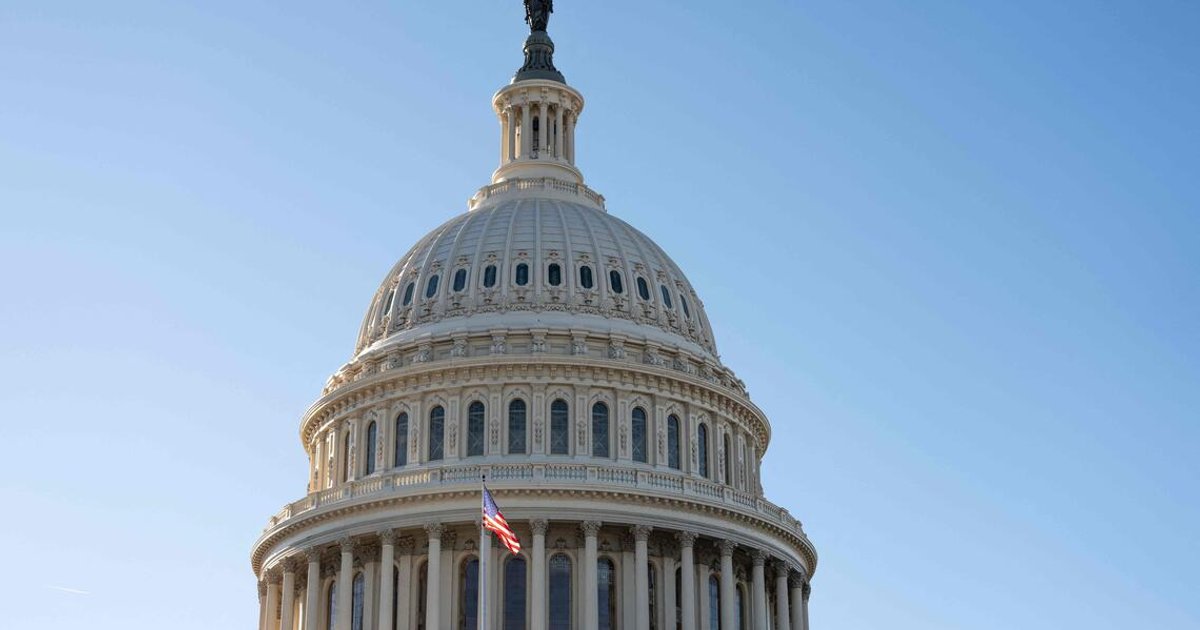
WASHINGTON – Republicans’ midterm defeat is crushing any remaining hopes that Congress would approve President Donald Trump’s unprecedented US$1.5 trillion (S$1.92 trillion) defence budget request amid an unpopular war in the Middle East.
asserted
Congress → crush → East
Democrats, who won solid majorities of both chambers of Congress on Nov 3, were already largely opposed to the 44% increase from the previous fiscal year and are now signalling they will block any efforts to push it forward.
asserted
they → win → it
At the same time, Republican lawmakers returning to the lame-duck session before the new Congress is seated in January may not be able to muster the support or political will to ram through the massive defence spending package, especially amid the Pentagon’s unpopular war against Iran that cost many of them their jobs.
“We must push for the development of a more realistic and sustainable approach to our national security – one that does not require a defence budget in excess of US$1 trillion or one paid for with draconian cuts to critical domestic programmes,” representative Adam Smith of Washington, the incoming chairman of the House Armed Services Committee, said in a statement after the election.
uncertain
Smith → return → election
The Democratic resistance risks imperilling some of Trump’s splashiest defence ambitions, including the Golden Dome missile shield and his Trump-class battleship plan, and bodes poorly for defence contractors – some of which also face the prospect of congressional scrutiny over alleged conflicts of interest with the Trump administration.
asserted
some → risk → administration
Shares of major contractors, including Lockheed Martin Corp and Northrop Grumman Corp, fell this week as the midterm results eroded expectations of a ramp-up in US military spending.
asserted
results → include → spending
Lawmakers returning to Washington on Nov 9 are going to have to grapple with the annual defence policy Bill and a spending plan for fiscal year 2027 – which began on Oct 1 under stopgap funding that runs out on Dec 11.
asserted
that → return → Dec
Defence Secretary Pete Hegseth justified Trump’s steep fiscal 2027 budget request by arguing the funds would kickstart badly needed defence modernisation efforts as autonomous systems change modern warfare.
asserted
systems → justify → warfare
But the sheer size of the increase – combined with domestic spending cuts, the growing costs of the Iran war and expensive projects like the Trump-class battleships – grated on lawmakers, including Republicans.
asserted
size → combine → Republicans
And newly emboldened Democrats are likely to be far more motivated to kill off these massive defence spending plans than Republicans are to defend them in the lame-duck session.
asserted
Republicans → embolden → session
Both sides are far apart on the defence budget and Democrats are likely to only approve a figure around US$1 trillion, according to a person familiar with the planning.
uncertain
Democrats → approve → planning
Democrats are anxious not to be seen approving continued funding for the war against Iran but still want to give the Pentagon what it genuinely needs for modernisation efforts, the person said, declining to be named because they weren’t authorised to speak publicly.
asserted
they → see → efforts
And the administration official who is supposed to shepherd the legislation to passage is already on the outs on Capitol Hill.
asserted
who → suppose → Hill
A vote to impeach Hegseth is expected as early as this week as calls for his dismissal grow.
asserted
calls → impeach → dismissal
Most analysts simply do not expect the Pentagon to secure its full request.
“The budget ultimately passed by Congress will likely fall short of the Trump administration’s ambitions,” Travis Sharp with the Centre for Strategic and Budgetary Assessments wrote in a paper published Nov 4.
asserted
Sharp → expect → paper
The defence policy Bill’s passage “is a coin toss” and Democrats moving to restrict the president’s war powers and target Hegseth “could derail the whole process,” Todd Harrison, a defence budget analyst with the conservative American Enterprise Institute, said.
uncertain
Harrison → move → Institute
Some Democrats, enjoying their new leverage, say they should pass another stopgap measure before the end of 2026r and punt long-term Bills to the next Congress – where they can use their control of the chambers to shape the next set of funding Bills with their priorities in mind.
asserted
they → enjoy → mind
“Now that we have these kinds of majorities, I don’t know that we need a long-term Bill,” representative Glenn Ivey, a Maryland Democrat on the appropriations panel, said on Bloomberg TV.
asserted
Ivey → have → TV
“I’d be leaning more towards a short-term fix.”
asserted
I → lean → fix
Democratic leverage
The midterm results give Democrats a stronger position in the negotiations over that annual defence authorisation Bill, said Senator Tim Kaine, a Virginia Democrat and senior member of the Senate Armed Services Committee.
asserted
Kaine → give → Committee
Trump’s unpopular war against Iran – which Vice-President J.D. Vance blamed for the election loss – complicates not just Pentagon funding but also the defence authorisation Bill.
asserted
Vance → blame → funding
Smith told the New Republic cutting war funding will be “one of the first things we do.”
asserted
we → tell → things
Pentagon officials, including Hegseth and his deputy Steve Feinberg, intensified outreach to Congress before the election to make the case for the US$1.5 trillion request.
asserted
officials → include → request
The wrinkle is that US$350 billion of that sum was envisioned as part of a party-line package outside the regular budgeting process.
asserted
billion → envision → process
The Defence Department “must be funded to meet the moment right now,” Hegseth said in a video posted on X Nov 5, in which he largely defended himself against the impeachment push.
asserted
he → fund → push
“We need every vote from every patriotic member of Congress.”
asserted
We → need → Congress
But that now looks doomed.
asserted
that → look → ?
Senate Democrats already opposed the annual defence authorisation Bill.
asserted
Democrats → oppose → Bill
And the loss of several House Republicans presumed to be in safe seats will make it difficult to get the near-perfect attendance needed to pass a party-line Bill before Democrats take over.
asserted
Democrats → presume → Bill
 The Aporia