Photo via NPR

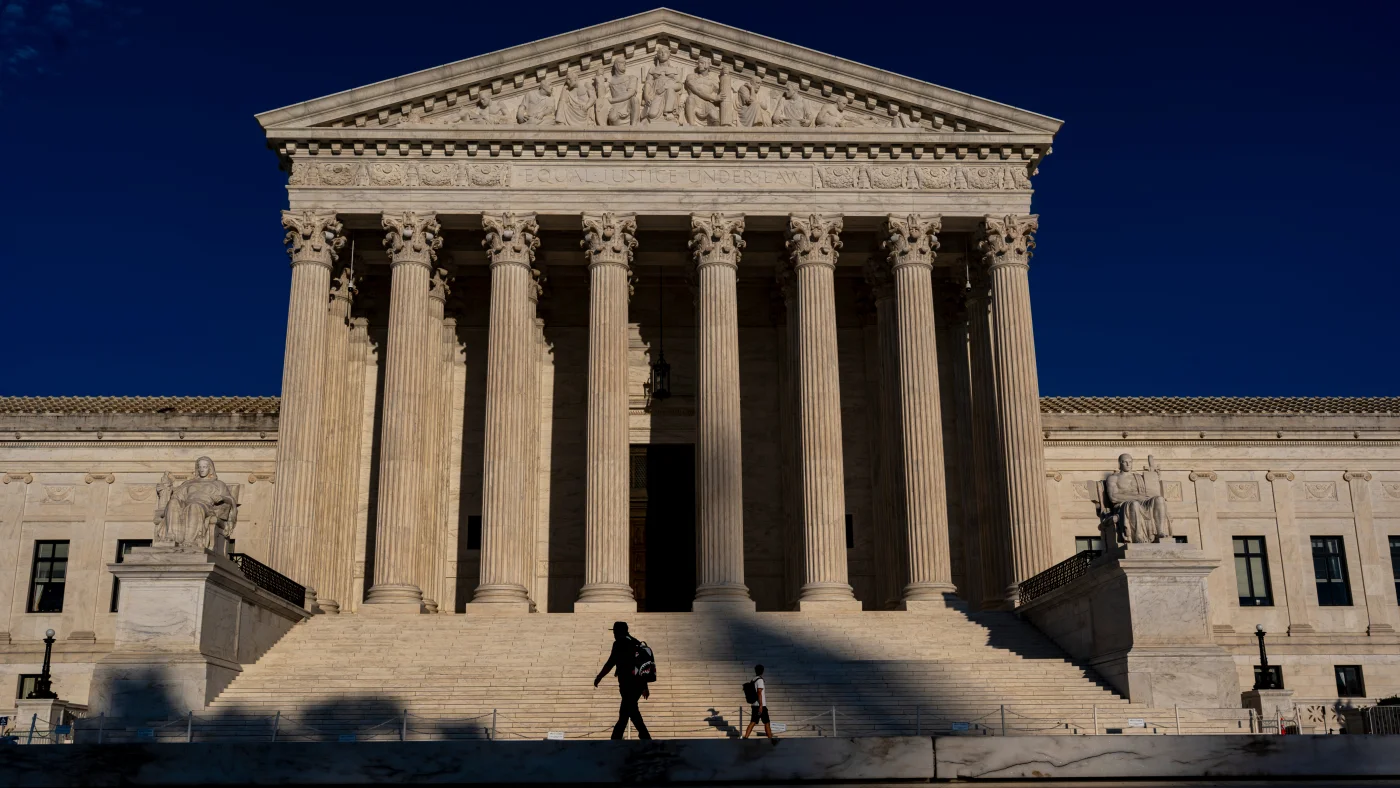
Supreme Court weighs effort to shield federal law enforcement as ICE complaints rise

Read the original at NPR ↗
Cite

Johnson, C. (2026, November 9). Supreme Court weighs effort to shield federal law enforcement as ICE complaints rise. NPR. https://www.npr.org/2026/11/09/nx-s1-6013575/supreme-court-federal-law-enforcement-prison-rights

Dated from the outlet's own feed. Check the original for its byline.

NPR · collected 2026-11-09 · by Carrie Johnson

Quick Summary

The Supreme Court is set to hear a case involving Kekai Watanabe, who was severely injured in a prison riot and subsequently sued a nurse for violating his Eighth Amendment rights against cruel and unusual punishment. This case could determine whether federal law enforcement officers can face legal consequences for constitutional violations. Georgetown Law professor Steve Vladeck argues that the outcome will impact how seriously the country holds federal officials accountable, while former Justice Department official Mary Hampton Mason contends that existing precedent has been weakened over time and should be overturned due to limited success rates for plaintiffs.
Written by AI on 2026-11-09, from this article's own text only (the story summary below draws on all the coverage).

AI analysis

Story summary

On November 9, 2026, the Supreme Court heard arguments in a case involving Kekai Watanabe, a former federal prison inmate from Hawaii, who claims he was denied medical treatment after being beaten by fellow inmates during a gang riot. Seven months later, doctors diagnosed Watanabe with a fractured tailbone and he sued the nurse for violating his Eighth Amendment rights against cruel and unusual punishment. The case could determine whether federal law enforcement officers can be held accountable when they violate constitutional rights. During oral arguments, Justice Roberts seemed inclined to limit inmates' ability to sue officials over denied medical treatment, potentially overturning a 1980 Supreme Court ruling that expanded on the original Bivens v. Six Unknown Fed. Narcotics Agents decision from 1971, which first allowed people to sue federal officials for civil rights violations. This case echoes concerns about accountability in cases of alleged constitutional violations by immigration officers and other federal law enforcement personnel.

Written for “Supreme Court Weighs Federal Enforcement Shielding” on 2026-11-10, grounded in this article and the 1 other(s) covering the same event.

Story

Supreme Court Weighs Federal Enforcement Shielding
Politics · 2 article(s) covering the same event. See how they differ ↓

Compared with similar articles

This article reads leans left and hedges 21% of its claims. Each row says how that neighbour differs.
NBC News
Leans right further right than this Hedges 9 of 24 claims Outlet record 72/100
How this article was measured signals, leaning charts, publisher record, byline, topics and claims

Signals How these are calculated →

Claims extracted
29
sentences that state something as happening or true
Uncertain
21%
6 of 29 hedged ("reportedly", "may", "according to")
Leaning
Leans left
of the writing, not the subject · beta estimate
Publisher signals
60/100
NPR's corrections and hedging, across everything collected from it. Not a measure of accuracy.
Outlets on this story
2
Politics
Same framing elsewhere
1
articles that frame the event the way this one does
Analyzed 2026-11-09 · how these are computed

How this is being covered How these are calculated →

Article leaning vs. publisher reliability
Source leaning vs. consistency

Publisher

NPR · 1171 article(s) · 3 correction(s) detected
Running correction rate · 3 correction(s)

Who wrote this

Carrie Johnson
3 article(s) here · 1 carrying a prediction
On Monday, the Supreme Court will hear his case, which could determine whether federal law enforcement officers can be held to account when they violate constitutional rights.
The dispute could have ramifications far beyond the climate, to other areas where states are trying to hold companies accountable for their alleged harms to local communities.
The court also said it would take up the case for full oral argument in December.
Also by Carrie Johnson
Nothing else under this byline is closely related to this article, so these are simply their most recent.

Topics

Eighth Amendment Hawaii ICE Supreme Court the Supreme Court

Subjects

Bivens PERSON · 3× Mason PERSON · 3× Watanabe PERSON · 3× the Supreme Court ORG · 3× Cui PERSON · 2× Hawaii GPE · 2× ICE ORG · 2× Supreme Court ORG · 2× American NORP · 1× Kekai Watanabe PERSON · 1×

Narrative

"What's at stake here is whether, basically, we as a country are going to hold federal law enforcement officers accountable when they violate clearly established constitutional rights," said Georgetown law professor Steve Vladeck, who filed a "friend of the court" brief in the case.
framing: mixed · carried by 1 article(s) · first seen 2026-11-09
On Monday, the Supreme Court will hear his case, which could determine whether federal law enforcement officers can be held to account when they violate constitutional rights.

Claims (29 extracted, 6 hedged)

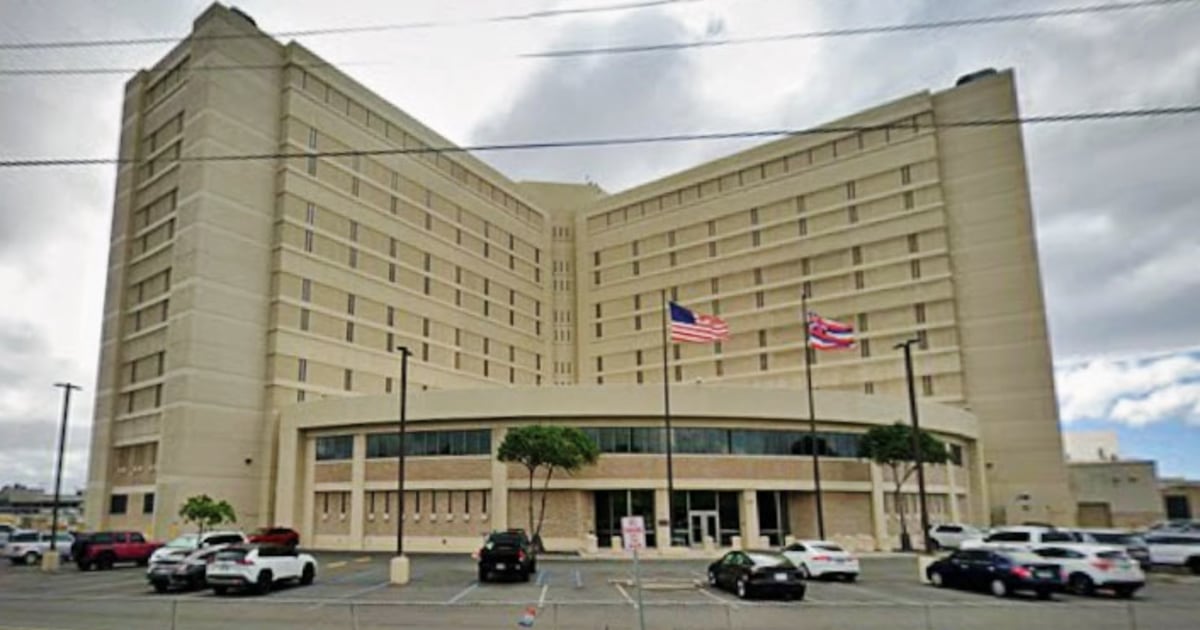
Supreme Court weighs effort to shield federal law enforcement as ICE complaints rise Supreme Court weighs effort to shield federal law enforcement as ICE complaints rise Five years ago, a gang riot broke out inside a federal prison in Hawaii. asserted
riot → weigh → Hawaii
Kekai Watanabe was beaten with a makeshift weapon known as a "lock in a sock." asserted
Watanabe → beat → sock
When he complained about serious back pain, a nurse told him to "stop being a cry baby." asserted
nurse → complain → him
Seven months later, doctors diagnosed Watanabe with a fractured tail bone, and he sued the nurse for violating his Eighth Amendment right against cruel and unusual punishment. asserted
he → diagnose → punishment
On Monday, the Supreme Court will hear his case, which could determine whether federal law enforcement officers can be held to account when they violate constitutional rights. uncertain
they → hear → rights
The claim by Watanabe, now 40, echoes far beyond the walls of prison — and into American streets where immigration officers have been accused of beating and running over migrants. uncertain
officers → echo → migrants
"What's at stake here is whether, basically, we as a country are going to hold federal law enforcement officers accountable when they violate clearly established constitutional rights," said Georgetown law professor Steve Vladeck, who filed a "friend of the court" brief in the case. asserted
who → go → case
"I mean, it really is, I think, that stark." asserted
I → mean → ?
It's already difficult for these claims to proceed, because the court requires people to show the facts in their cases are identical to precedent. uncertain
facts → proceed → precedent
In the federal prisons, the landmark case dates to 1980. asserted
case → date → 1980
The prisoner in that lawsuit died from untreated asthma. asserted
prisoner → die → asthma
The nurse's lawyers say Watanabe, the inmate from Hawaii, survived the gang attack in 2021, so his case is different enough that it should be dismissed. asserted
it → say → 2021
Mary Hampton Mason worked at the Justice Department for nearly 35 years, in an office that evaluated these kinds of legal claims. uncertain
that → work → claims
Mason said rogue officers are rare, and problems are typically systemic. asserted
problems → say → ?
"It's a result of agency culture, it's a result of training, it's a result of all sorts of things, but these failures are really institutional," Mason said. asserted
Mason → say → things
The Supreme Court created a right to sue federal officers for wrongdoing in a 1971 case known as Bivens. asserted
Court → create → Bivens
But Mason said that precedent has been hollowed out for years, and the court should finally overrule it because it gives plaintiffs false hope. asserted
it → say → hope
"In fact in the last 20 years, I'm only aware of one Bivens case that has resulted in a judgment for the plaintiffs that … didn't get reversed on appeal, and that's in thousands and thousands and thousands of cases filed," she said. asserted
she → result → cases
But supporters of the prisoner say that number doesn't account for settlements or how these lawsuits can deter other bad behavior. asserted
lawsuits → say → behavior
If individual federal officers and agents can be on the hook financially, the argument goes, they could think twice before breaking the law. uncertain
they → go → law
"That's why damages are so important," said Gregory Cui, an attorney at the MacArthur Justice Center, a civil rights legal organization. asserted
Cui → say → Center
"Because they're a way to try to fix things, to give a person the means to pay for medical care or rebuild their life. asserted
they → try → life
In a "friend of the court" brief, Cui reported that the grievance process for people inside federal prison almost never works for inmates, who succeed just 1% of the time in changing things such as access to medical care or better conditions behind bars. asserted
who → report → bars
Cui and other legal experts said the Supreme Court agreed to hear this case at a time when abuses by federal immigration agents and others are in the spotlight. asserted
abuses → say → spotlight
Now, they said, is the wrong time for the court to eliminate one of the few avenues of accountability for those errant officers. asserted
court → say → officers
"A world with no Bivens is a world in which federal law enforcement officers would enjoy absolute immunity, where no matter how egregious their conduct is, no one can hold them liable," said Vladeck, of Georgetown Law Center. asserted
Vladeck → enjoy → Center
"As alarming a prospect as that may have been five years ago, it should be an especially terrifying one today, and it ought to be one that even this Supreme Court is worried about endorsing." uncertain
Court → worry → ?
Both sides agree Congress has the power to weigh in and give people whose rights have been violated by federal officers a clear way to sue. asserted
rights → agree → way
But so far lawmakers have not advanced legislation to hold those people to account. asserted
lawmakers → advance → account

Give feedback · no sign-in needed

No sign-in needed for now. Your note is sent without a name, so it cannot be answered.

History Support