Supreme Court's new term kicks off with blockbuster climate change case
asserted
term → kick → case
Supreme Court's new term kicks off with blockbuster climate change case
asserted
term → kick → case
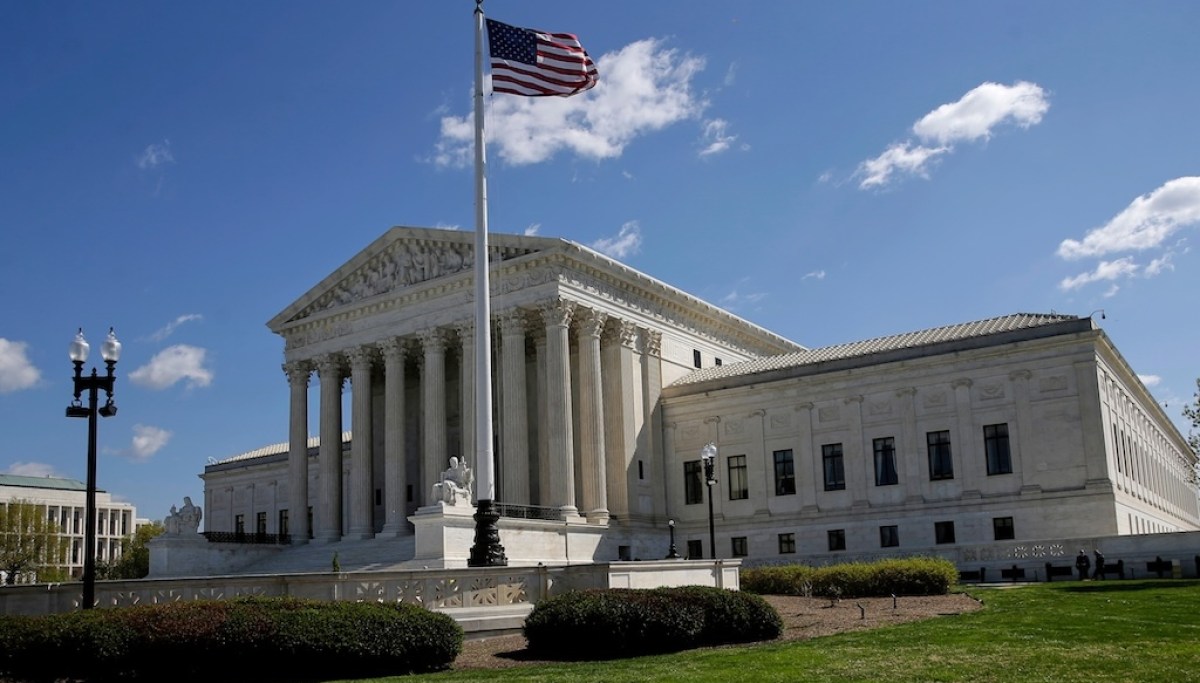
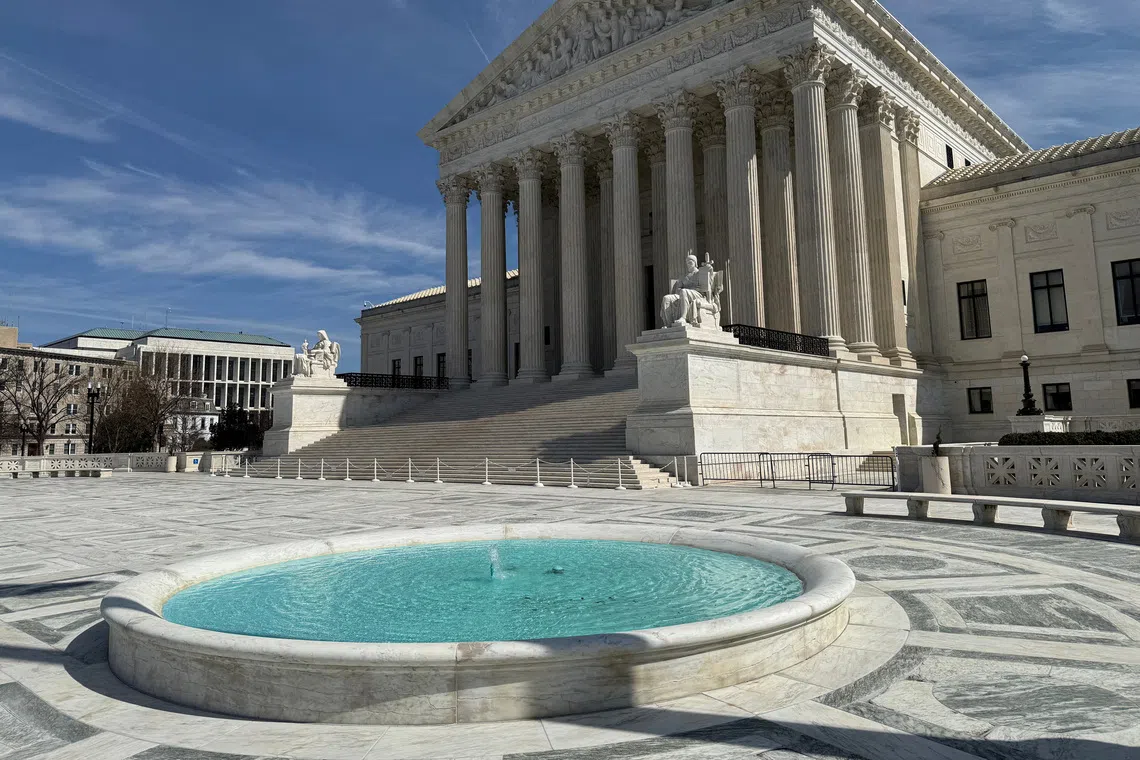
A new Supreme Court term begins Monday with arguments in a blockbuster case about the reach of state power.
asserted
term → begin → power
Boulder, Colo., is suing two big energy companies, arguing they deceived people about the harms of fossil fuels and contributed to disasters that cost Boulder a lot of time and money.
asserted
that → sue → time
The dispute could have ramifications far beyond the climate, to other areas where states are trying to hold companies accountable for their alleged harms to local communities.
uncertain
companies → have → communities
In 2018, Boulder County slapped the giant energy companies Suncor Energy and Exxon Mobil with a lawsuit.
asserted
County → slap → lawsuit
Boulder argued the companies and a trade group knew decades ago that fossil fuels would hurt the environment, raising the risk of floods, extreme heat and wildfires.
asserted
fuels → argue → floods
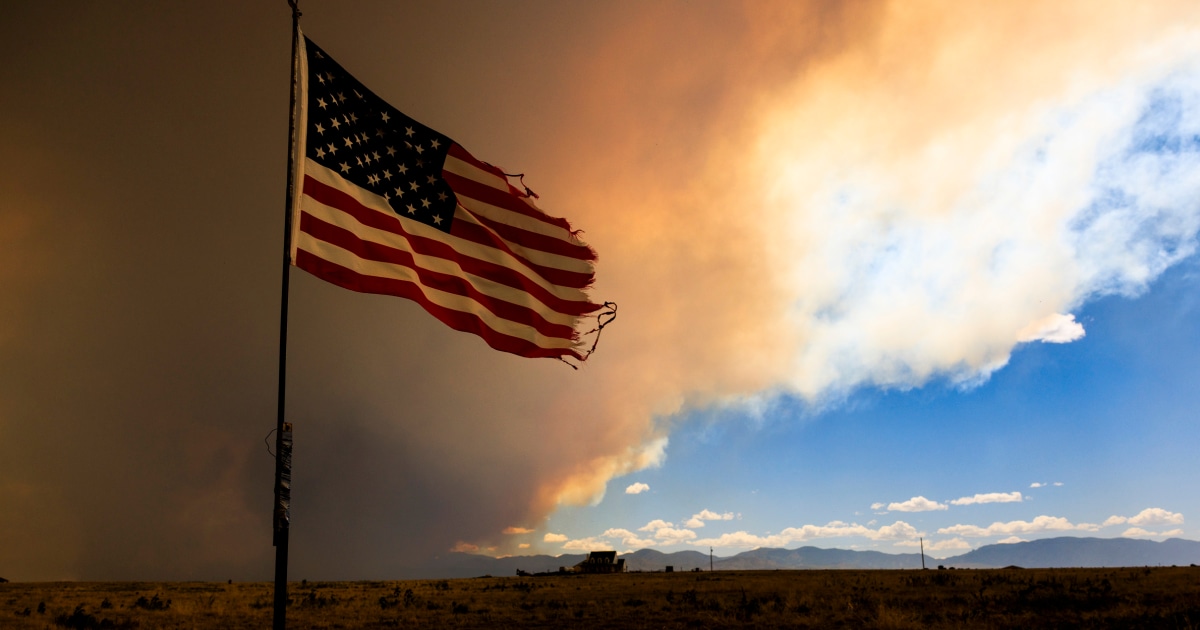
Three years later, in late December 2021, the Marshall Fire swept across the county.
asserted
Fire → sweep → county
Daryl McCool left her home southeast of Boulder so fast she couldn't remember whether she locked the front door.
asserted
she → leave → door
As it turned out, that didn't matter.
asserted
that → turn → ?
"There's basically nothing left," McCool said.
asserted
McCool → be → ?
"A 2,000-degree fire burns everything, like coins were melted, bicycles melted."
asserted
bicycles → burn → everything
The historic 1901 house where she raised her son had turned to ash.
asserted
she → raise → ash
McCool spent years helping her neighbors file insurance papers and apply for grants to rebuild their homes.
asserted
neighbors → spend → homes
Now, she tries to educate people about the human costs of climate change.
asserted
she → try → change
Who has power to grapple with climate change
Corey Riday-White is legal director at the Center for Climate Integrity.
asserted
White → grapple → Integrity
It supports communities trying to hold oil companies responsible for environmental harms.
asserted
companies → support → harms
"This case represents whether or not we believe as a society that corporations should be held to the same standards that all of us are, right?" Riday-White said.
asserted
White → represent → us
"If you know you are going to cause harm, and you don't tell someone, then you should help clean up that harm."
asserted
you → know → harm
Boulder's lawsuit has not gone to trial; it's still in the early stages in the Colorado court system.
asserted
it → go → system
But the energy companies are asking the U.S. Supreme Court to throw out the case now.
asserted
companies → ask → case
The companies say only the federal government has the power and expertise to grapple with something as big as climate change.
asserted
government → say → change
To let Boulder's case proceed, they say, would have huge implications.
asserted
they → let → implications
"This is about whether a bunch of rich hippies in Boulder County are allowed to dictate environment and energy policy to the entire rest of the world," Zywicki said in a recent webinar about the case.
asserted
Zywicki → allow → case
Exxon referred NPR to the company's court filings.
asserted
Exxon → refer → filings
Suncor didn't respond to an email requesting comment.
asserted
Suncor → respond → comment
The Trump administration is siding with the energy companies, arguing global warming is a global issue.
"Essentially Boulder claims that Colorado can reach around the United States, the entirety of the United States, and to my mind, regulate production everywhere by attaching liability to it," said Sai Prakash, a law professor at the University of Virginia who filed a friend of the court brief backing Suncor and Exxon.
uncertain
who → side → Suncor
"It Boulder can attach liability to these two companies …
asserted
Boulder → attach → companies
I think it can attach liability to thousands of others as well," Prakash said.
asserted
Prakash → think → others
Seeking to recover past and future costs
Boulder argues it's not suing to regulate greenhouse gas emissions.
asserted
it → seek → emissions
Rather, it says, it wants to recover past and future costs of repairs, emergency services, and property damage.
asserted
it → say → repairs
Dozens of similar cases where states and municipalities are suing energy giants have been moving through the courts at early stages.
asserted
states → sue → stages
Any Supreme Court ruling could have repercussions for many of them.
uncertain
ruling → have → them
Jonathan Adler, a law professor at the College of William and Mary, points out in court papers that Congress has the authority to override state laws here, but federal lawmakers haven't done anything.
asserted
lawmakers → point → anything
Corey Riday-White, of the Center for Climate Integrity, said for the justices interested in ruling based on the text of the Constitution or federal statutes, there is not much to support Suncor and Exxon.
asserted
White → say → Suncor
"They want the court to say, you can't bring any of these cases in court because this is the purview of the federal government," Riday-White said.
asserted
White → want → government
"The problem is the big oil companies can't point to any legal doctrine, any statute, any part of the Constitution that backs up that finding.
asserted
that → point → finding
"
How the court decides to draw the lines on state power could influence a lot more than climate litigation, according to Deepak Gupta, who regularly argues before the high court.
uncertain
who → decide → court
"Pollution by forever chemicals, nuisance suits over AI data centers, opioids litigation, all of these are about the local effects of conduct that runs across borders," Gupta said at a recent briefing sponsored by Georgetown's Supreme Court Institute.
asserted
Gupta → run → Institute
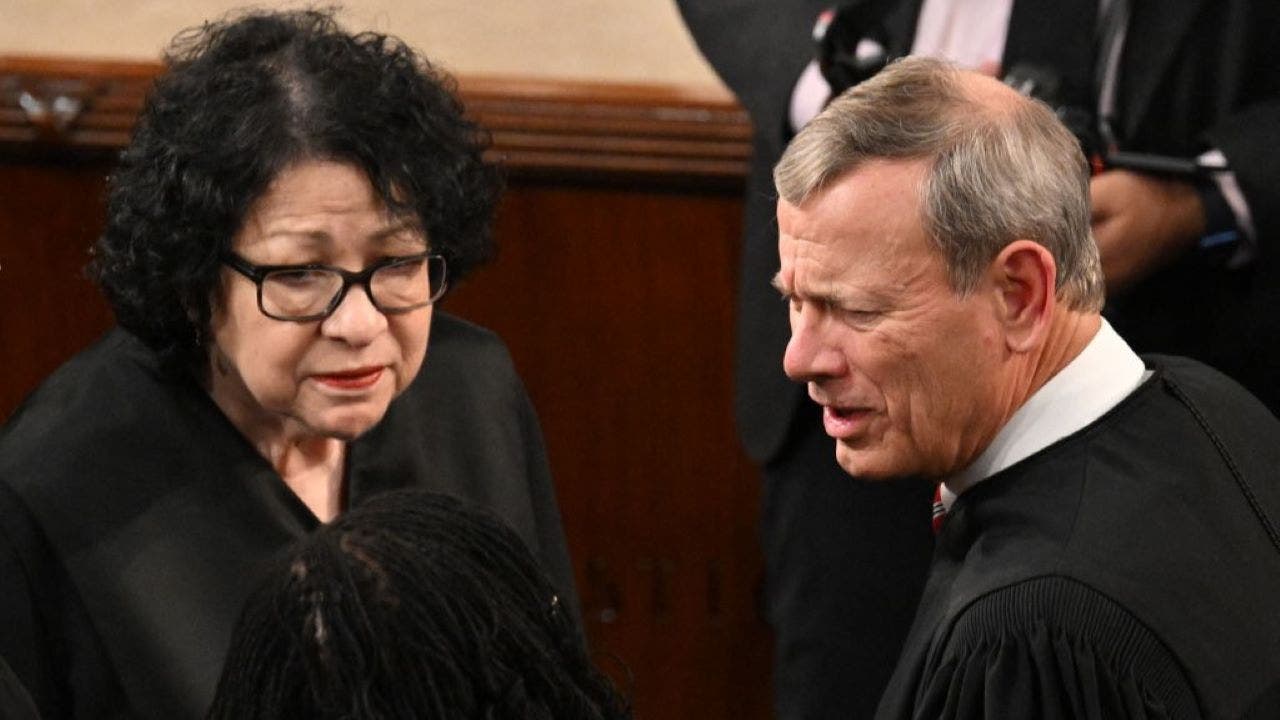
The conservative supermajority on the Supreme Court may be uncomfortable letting state juries decide some of these pressing issues.
uncertain
juries → let → issues
…and 12 more, not listed.
 The Aporia