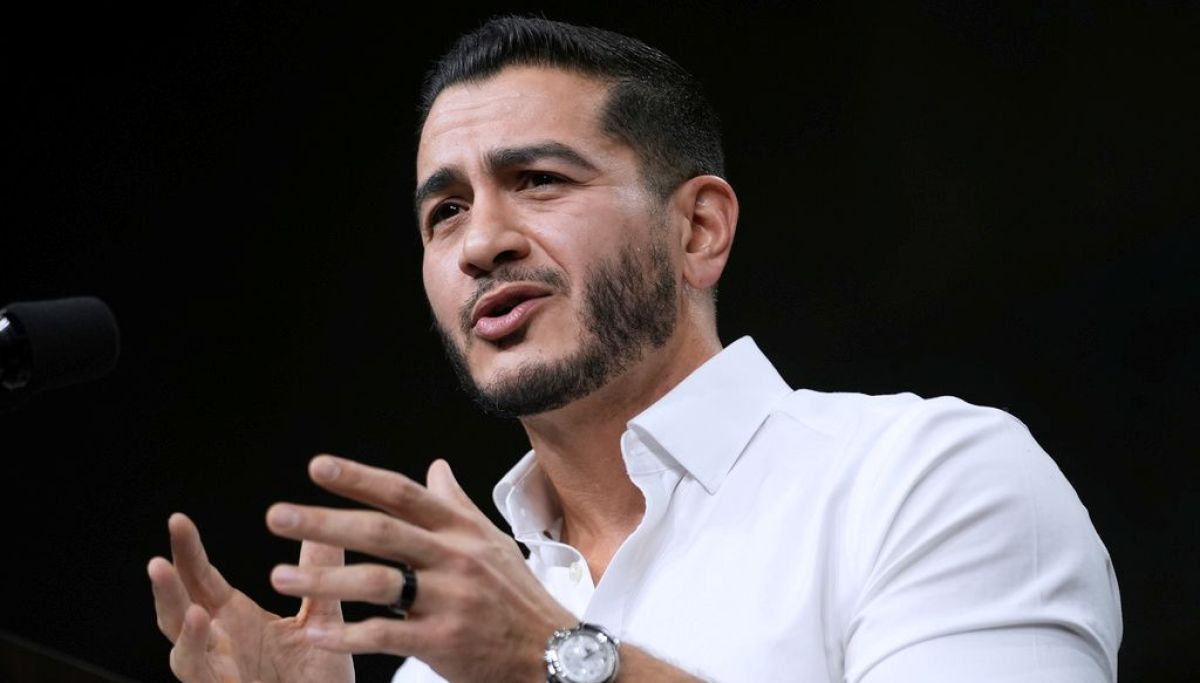
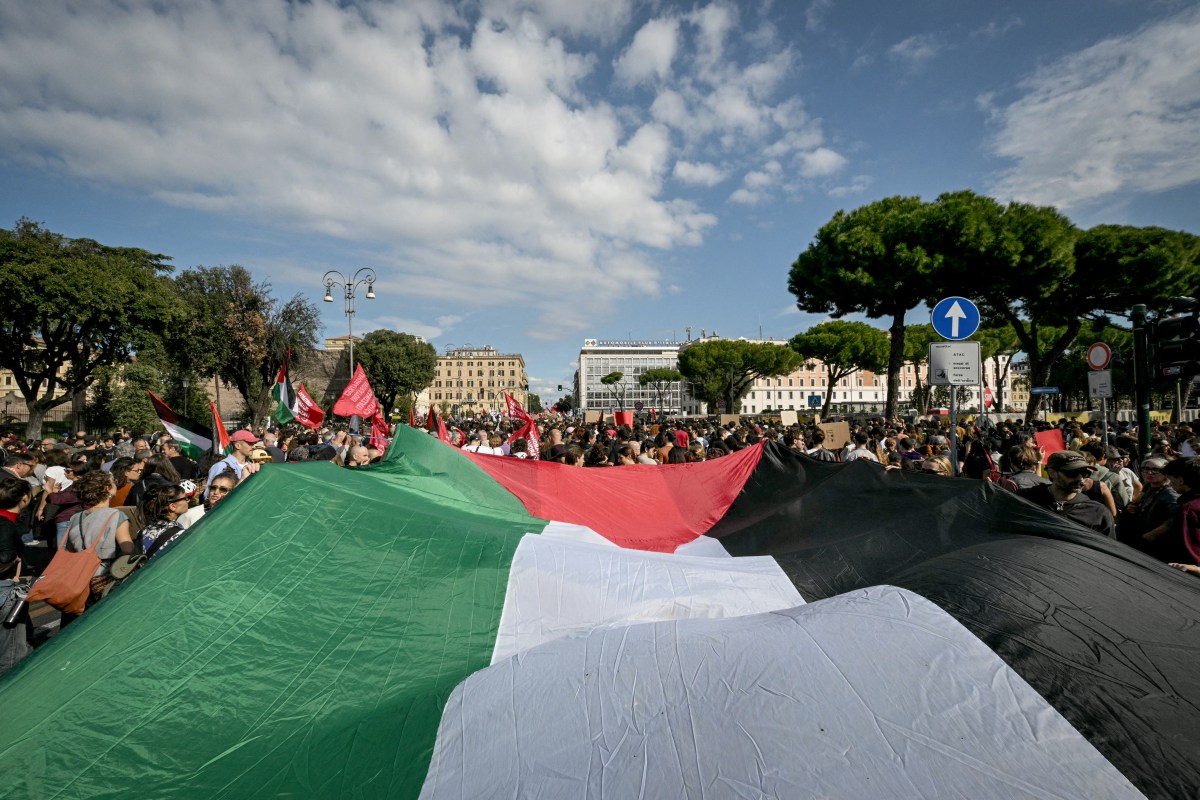
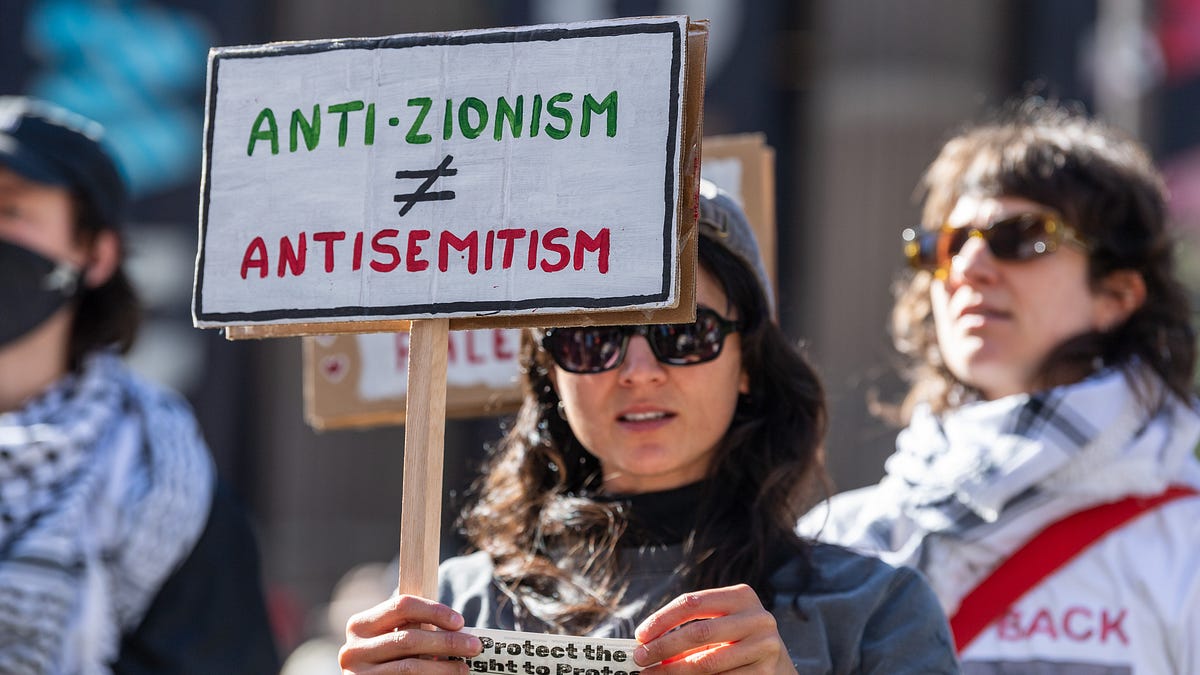
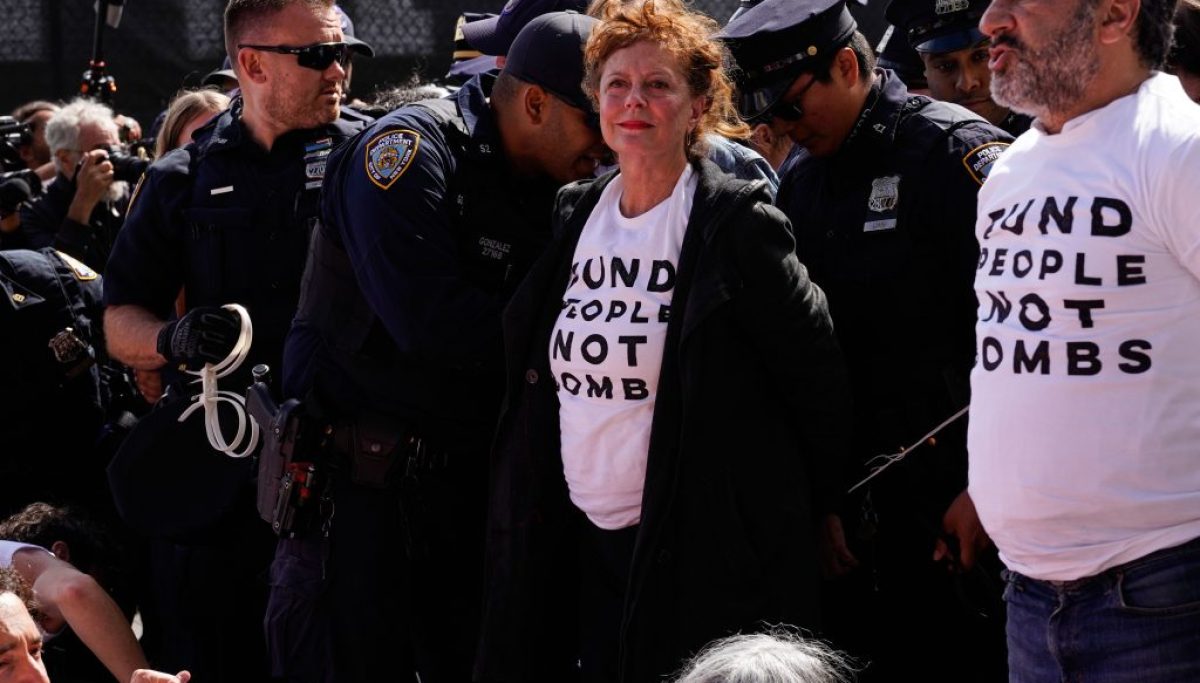
Photo via Washington Examiner

When anti-Israel rhetoric becomes a political credential

Read the original at Washington Examiner ↗
Cite

David, Y. (2026, November 9). When anti-Israel rhetoric becomes a political credential. Washington Examiner. https://www.washingtonexaminer.com/op-eds/4795773/antisemitism-american-politics-2026-midterms/

Dated from the outlet's own feed. Check the original for its byline.

Washington Examiner · collected 2026-11-09 · by Yuval David

Quick Summary

Following the U.S. midterm elections on November 3, there is concern over the victory of candidates with histories of anti-Israel and sometimes antisemitic rhetoric. These politicians have records that include anti-Zionist actions and inflammatory comments about Israel, raising questions about how such views have become acceptable in American politics.
Written by AI on 2026-11-09, from this article's own text only (the story summary below draws on all the coverage).

AI analysis

Story summary

On November 3, 2026, Americans elected several politicians with controversial records, including those involved in anti-Zionist activism and making inflammatory statements against Israel, according to the Washington Examiner. The article highlights that these candidates were supported despite their histories of antisemitic conspiracy theories, raising questions about when such hostility towards Israel became acceptable in American politics.

Written for “AntiIsrael Rhetoric in Politics” on 2026-11-09, grounded in this article and the 0 other(s) covering the same event.
Why this leaning score
The article's own words the score was based on. Each is quoted verbatim and was checked against the article text before being stored, so you can find it in the original.
Reading Leans strongly right (beta estimate) Confidence high
Leaning: leans strongly right for article 138913 (high confidence, 3 verified quotes) · logged 2026-11-09

Story

AntiIsrael Rhetoric in Politics
Politics · 1 article(s) covering the same event.

Compared with similar articles

This article reads leans strongly right and hedges 0% of its claims. Each row says how that neighbour differs.
Al Jazeera
Leans left further left than this Hedges 4 of 38 claims Outlet record 60/100
“The articles cover different topics: one discusses intimidation of Palestinian citizens in Israel after an election, while the other focuses on American politicians' rhetoric towards Israel post-midterm elections.”
The Guardian
Leans strongly left further left than this Hedges 0 of 33 claims Outlet record 65/100
“The articles discuss different aspects of political attitudes towards Israel but do not describe the same specific incident or occurrence.”
Al Jazeera
Leans strongly left further left than this Hedges 5 of 35 claims Outlet record 60/100
“The articles discuss different aspects of the political landscape following US midterm elections, with Article A focusing on Netanyahu's relationship with Trump and their defeat, while Article B focuses on the election of politicians with anti-Israel views.”
The Guardian
Leans strongly left further left than this Hedges 2 of 25 claims Outlet record 65/100
“Article A discusses Trump's suggestion to cut military aid to Israel during the midterm elections, while Article B focuses on the election results and the rise of politicians with anti-Israel rhetoric. These are related but distinct events.”
The Intercept
Leans strongly left further left than this Hedges 0 of 81 claims Outlet record 97/100
“The articles discuss different aspects of anti-Israel rhetoric over time, with Article A focusing on the situation in Palestine and Israel since 2021, while Article B addresses political outcomes from the U.S. midterm elections.”
The Guardian
Leans strongly left further left than this Hedges 3 of 40 claims Outlet record 65/100
“The articles discuss different aspects of political support for Israel and do not refer to the same specific incident or time.”
Fox News
Leans strongly right Hedges 1 of 18 claims Outlet record 67/100
“The articles discuss different aspects of anti-Israel and anti-Semitic sentiments in politics but do not describe the same specific incident.”
The Guardian
Leans left further left than this Hedges 2 of 46 claims Outlet record 65/100
“The articles discuss different aspects of the election outcomes and their implications for Israel, rather than describing the same specific incident or outcome.”
Zeteo
Hedges 2 of 12 claims
“The articles discuss different topics within the broader context of antisemitism and politics, with Article A focusing on an interview about the IHRA definition used in English schools and its implications elsewhere, while Article B discusses the election results and politicians' records regarding anti-Israel rhetoric.”
BBC News
Leans left further left than this Hedges 6 of 44 claims Outlet record 66/100
“Article A discusses the immediate reactions in Israel to the US midterm election results, while Article B focuses on the implications of certain politicians being elected who have anti-Israel rhetoric.”
How this article was measured signals, leaning charts, publisher record, byline, topics and claims

Signals How these are calculated →

Claims extracted
4
sentences that state something as happening or true
Uncertain
0%
0 of 4 hedged ("reportedly", "may", "according to")
Leaning
Leans strongly right
of the writing, not the subject · beta estimate
Publisher signals
68/100
Washington Examiner's corrections and hedging, across everything collected from it. Not a measure of accuracy.
Outlets on this story
1
Politics
Same framing elsewhere
1
articles that frame the event the way this one does
Analyzed 2026-11-09 · how these are computed

How this is being covered How these are calculated →

Article leaning vs. publisher reliability
Source leaning vs. consistency

Publisher

Washington Examiner · 4486 article(s) · 9 correction(s) detected
Running correction rate · 9 correction(s)

Who wrote this

Yuval David
2 article(s) here · 1 carrying a prediction
It was what Americans were willing to overlook when they voted.
New York’s own mayor set the stage.
Also by Yuval David
Nothing else under this byline is closely related to this article, so these are simply their most recent.

Topics

America Americans Israel Jewish anti-Zionist

Subjects

Americans NORP · 2× America GPE · 1× Israel GPE · 1× Jewish NORP · 1× anti-Zionist NORP · 1×

Narrative

On Nov. 3, Americans elected politicians whose records include anti-Zionist activism, inflammatory accusations against Israel, and controversies involving antisemitic conspiracy theories.
framing: assertive · carried by 1 article(s) · first seen 2026-11-09
It was what Americans were willing to overlook when they voted.
2026-11-09 · Washington Examiner
When anti-Israel rhetoric becomes a political credential · assertive framing

Claims (4 extracted, 0 hedged)

The most disturbing result of America’s midterm elections wasn’t simply who won asserted
who → win → elections
It was what Americans were willing to overlook when they voted. asserted
they → overlook → what
On Nov. 3, Americans elected politicians whose records include anti-Zionist activism, inflammatory accusations against Israel, and controversies involving antisemitic conspiracy theories. asserted
records → elect → theories
When did hostility toward the Jewish state become a political credential? asserted
hostility → become → state
Give feedback · no sign-in needed

No sign-in needed for now. Your note is sent without a name, so it cannot be answered.

History Support