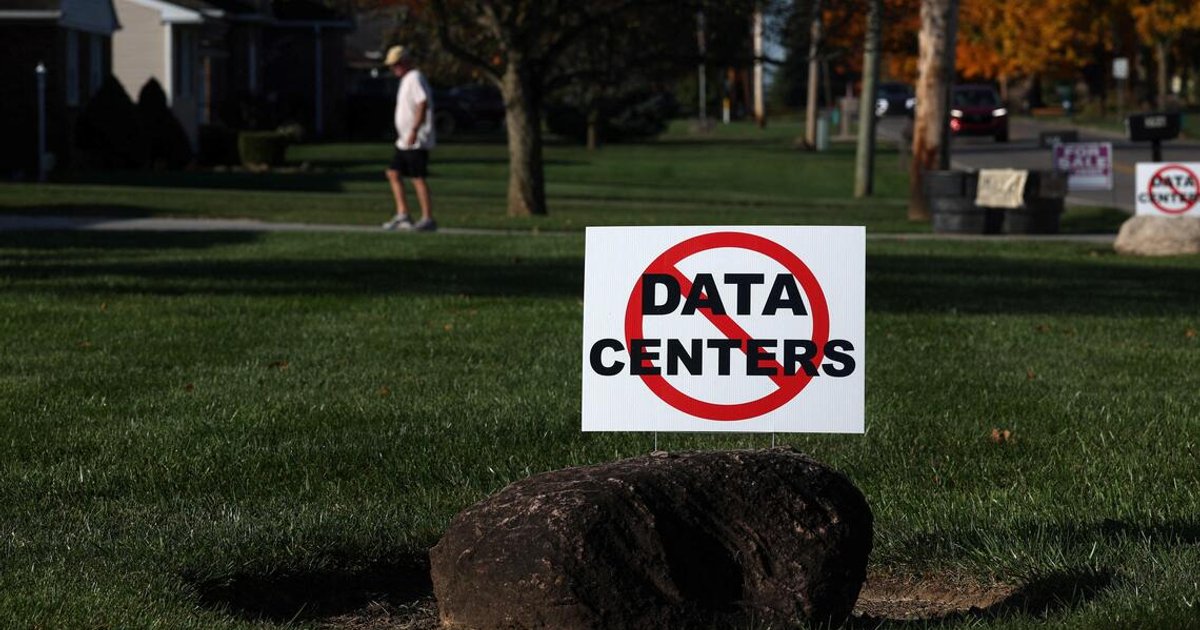
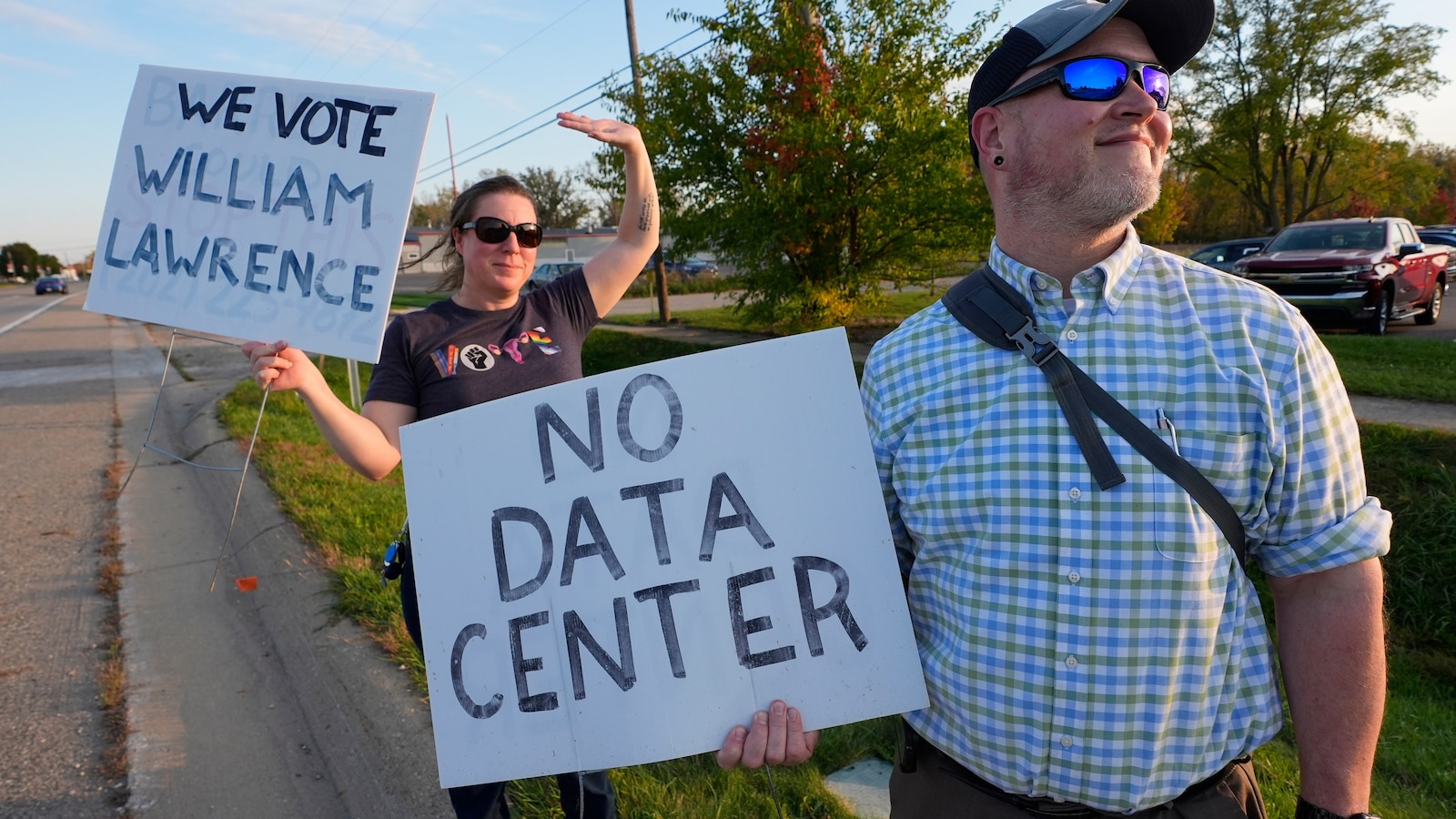
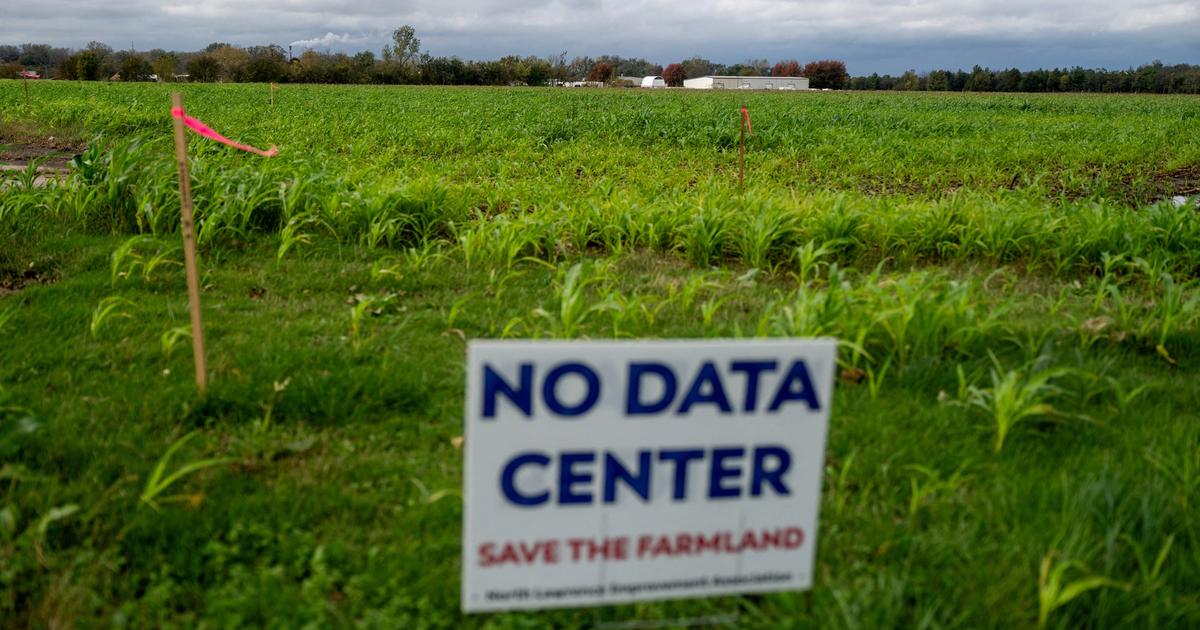
The data center debate rages nationwide, and it often centers on one question: How much are data centers driving up electric bills?
asserted
centers → rag → bills
But most Americans would be surprised to learn that their bills will keep climbing—even if no new hyperscaler data centers ever show up.
asserted
centers → learn → ?
And that raises an even more revealing question: Why is the U.S. still running its economy on a 100-year-old utility model built for the early 1900s?
asserted
U.S. → raise → 1900s
Using this antiquated electricity delivery system in the modern era has large and widespread consequences.
asserted
Using → use → consequences
Electricity rates have risen 30% in the past five years, and the typical American household pays an extra $300 annually.
asserted
household → rise → 300
Utilities in at least eight states are preemptively shutting off electricity service.
asserted
Utilities → shut → service
And some states are responding to threats of catastrophic wildfires often sparked by their own utility equipment.
asserted
states → respond → equipment
Meanwhile, obsolete utility approaches to meet forecast hyperscaler data center demand threaten even higher costs for ordinary ratepayers.
asserted
approaches → meet → ratepayers
As a country, we should commit to adopting and linking new technologies like solar and battery storage, giving individuals and communities more control over power production and supply, and offering the cheapest and cleanest way to meet our power needs.
asserted
we → commit → needs
However, the old monopoly utility system creates powerful incentives for companies to act against the public need for clean, cheap energy and to thwart existing public oversight mechanisms.
asserted
companies → create → mechanisms
Accelerating technological improvements for local power generation and resilience further widens the gap between the outdated utility model and the opportunities of a modern electricity system.
asserted
Accelerating → accelerate → system
To be fair, our archaic system made sense at the time.
asserted
system → make → time
Since the advent of electricity generation, political leaders believed in the public benefits of this essential resource and that a delivery monopoly—a single set of wires to each home or business—was prudent.
asserted
monopoly → believe → home
Then, one after another, states struck bargains to grant for-profit companies a monopoly over electricity delivery in exchange for state oversight.
asserted
states → strike → oversight
This state-by-state regulatory model quickly fell short, as utilities speculated in unregulated industries and hid the costs.
asserted
utilities → fall → costs
The collapse of large utility holding companies in the 1920s and 1930s contributed to the Great Depression, demanding new federal rules.
asserted
collapse → hold → rules
In 1935, the Public Utilities Holding Company Act made several changes meant to curb utility industry excesses, including breaking up multi-utility holding companies and setting guidelines to prevent a recurrence of mergers that threatened the public interest.
asserted
that → make → interest
This revised regulatory framework held for 50 more years, but as an economic philosophy of “bigger is better” took hold in our national politics in the 80s and 90s, the fervor of market consolidation swept up the utility industry, too.
asserted
fervor → hold → industry
From the mid-90s to 2015, mergers shrank the number of investor-owned utilities by almost half, even as electricity use rose 20%.
asserted
use → shrink → half
The death knell of market competition came in 2005, when Congress repealed key provisions of its 1935 legislation and lifted a ban on utility political contributions, sharply reducing federal oversight and dramatically increasing political influence.
asserted
Congress → come → influence
Fewer and larger utility companies have meant more power for shareholders and poorer service for consumers.
asserted
companies → mean → consumers
Utilities have only reinforced that power by crushing potential competitors.
asserted
Utilities → reinforce → competitors
They’ve used loopholes in infrastructure planning rules to build pet projects that effectively excluded new entrants.
asserted
that → use → entrants
They’ve lobbied states for "right of first refusal" laws to get first dibs on owning new poles and wires.
asserted
They → lobby → poles
They’ve added layers of detailed and time-consuming review and high fees to the grid connection process for new solar arrays and batteries.
asserted
They → add → arrays
They’ve also aggressively lobbied to reduce the energy savings consumers earn from rooftop solar projects.
asserted
consumers → lobby → projects
Research by Rewiring America suggests that nearly all the forecast demand from data centers could be met with residential or business clean energy assets such as solar, batteries, and heat pumps, much faster and more affordably than utility-preferred investments like large power plants and transmission lines.
uncertain
demand → suggest → plants
Similarly, community solar projects can be built in mere months and share electricity among many “subscribers” (including renters and others typically left out of rooftop solar adoption).
asserted
projects → build → adoption
This is why experts like myself believe that local resources can directly lower energy costs for millions of consumers and simultaneously make grids more resilient against climate events such as wildfires or storms.
asserted
grids → believe → wildfires
The gigawatts of rooftop solar installed by California home and business owners, for example, saved all in-state utility customers over $2 billion in 2024 alone.
asserted
gigawatts → instal → 2024
Many Californians have attached batteries to their solar systems, allowing them to dispatch power into the state’s grid in periods of sky-high wholesale prices, lowering costs for everyone.
asserted
them → attach → everyone
But the state’s big three investor-owned utilities have only complaints, because those consumer savings from consumer investments don’t result in big shareholder profits.
asserted
savings → own → profits
We can prevent data centers—or the next big energy demand—from spiking energy bills, but it requires acknowledging two fundamental truths.
asserted
it → prevent → truths
First, the costly failures of today’s grid lie in the overbroad monopoly powers that pit for-profit grid operators against the entrepreneurs and customers who can generate and manage clean electricity for themselves and others.
asserted
who → lie → themselves
Utilities can only block rooftop solar, for example, because they have a publicly granted monopoly over the poles and wires to which the arrays connect.
asserted
arrays → block → which
Second, only breaking up for-profit utilities and removing the profit motive from electricity delivery can end the perverse incentives that drive for-profit utilities to abuse their market and political power.
asserted
utilities → break → power
If we make local electricity distribution a public service, restructured utilities will profit only when they provide a valuable service, not just build a thing.
asserted
they → make → thing
Their proposed power solutions for AI data centers (or anything else) should have to prove as cost-effective as the energy provided by independent producers or networks of customers deploying local solar, batteries, and heat pumps.
asserted
solutions → propose → solar
Like the federal government’s breakup of AT&T fifty years ago, separating the public function of running the network from the competitive function of supplying services (telephones and modems in the AT&T case, local solar electricity in the utility case) can unleash lower costs and innovations –– such as the original fiber optic network that birthed the modern Internet.
asserted
that → separate → Internet
The electricity monopoly model has failed, unable to reconcile central planning and private profits with electricity democracy enabled by modern technology.
asserted
model → fail → technology
…and 2 more, not listed.
 The Aporia