Photo via New York Post

GLP-1 drugs must have new warning label over incurable blindness condition, says FDA

Read the original at New York Post ↗
Cite

Beard, M. (2026, November 9). GLP-1 drugs must have new warning label over incurable blindness condition, says FDA. New York Post. https://nypost.com/2026/11/09/health/fda-issues-new-warning-on-glp-1s-over-blinding-eye-condition/

Dated from the outlet's own feed. Check the original for its byline.

New York Post · collected 2026-11-09 · by McKenzie Beard

Quick Summary

The FDA has mandated that manufacturers update warning labels on GLP-1 drugs like Ozempic and Wegovy to include a potential risk of nonarteritic anterior ischemic optic neuropathy (NAION), an eye condition that can lead to permanent vision loss or blindness. This decision follows a study showing diabetes patients taking semaglutide are four times more likely to develop NAION compared to those not using the drug, despite limitations in the study's findings. The FDA advises patients experiencing symptoms such as painless vision loss, blurred vision, or missing patches of sight to contact their healthcare provider immediately and consider discontinuing GLP-1 treatment if NAION is diagnosed.
Written by AI on 2026-11-10, from this article's own text only (the story summary below draws on all the coverage).

AI analysis

Story summary

The U.S. Food and Drug Administration (FDA) has ordered makers of popular weight-loss drugs like Ozempic and Wegovy, which fall under the GLP-1 class, to include new warnings about a rare eye condition called non-arteritic anterior ischemic optic neuropathy (NAION). NAION can cause sudden vision loss in one eye and is permanent with no known treatment. The FDA's directive applies to all 12 GLP-1 drugs used for treating obesity, diabetes, and other medical conditions. Roughly 28 million Americans are currently taking these medications according to a July Gallup poll. The decision follows research indicating that patients using semaglutide, the active ingredient in many of these drugs, have an increased risk of developing NAION compared to those not on such medication.

Written for “FDA Warns GLP-1 Vision Loss Risk” on 2026-11-10, grounded in this article and the 9 other(s) covering the same event.

Story

FDA Warns GLP-1 Vision Loss Risk
Health · 10 article(s) covering the same event. See how they differ ↓

Compared with similar articles

This article reads unscored and hedges 11% of its claims. Each row says how that neighbour differs.
The Independent
Hedges 1 of 4 claims Outlet record 59/100
NBC News
Hedges 3 of 17 claims Outlet record 72/100
CBS News
Hedges 4 of 25 claims Outlet record 68/100
The Independent
Hedges 3 of 30 claims Outlet record 59/100
Just The News
Hedges 1 of 8 claims Outlet record 95/100
CBS News
Hedges 0 of 1 claims Outlet record 68/100
“Article A describes the FDA's announcement about GLP-1 drug warning labels on November 9th, while Article B's excerpt is cut off and unclear but seems to mention an unrelated accusation.”
How this article was measured signals, leaning charts, publisher record, byline, topics and claims

Signals How these are calculated →

Claims extracted
18
sentences that state something as happening or true
Uncertain
11%
2 of 18 hedged ("reportedly", "may", "according to")
Leaning
not political
takes no side on a contested political question
Publisher signals
66/100
New York Post's corrections and hedging, across everything collected from it. Not a measure of accuracy.
Outlets on this story
10
Health
Same framing elsewhere
1
articles that frame the event the way this one does
Analyzed 2026-11-10 · how these are computed

How this is being covered How these are calculated →

Article leaning vs. publisher reliability
Source leaning vs. consistency

Publisher

New York Post · 18601 article(s) · 39 correction(s) detected
Running correction rate · 39 correction(s)

Who wrote this

McKenzie Beard
21 article(s) here · 1 carrying a prediction
Warning signs may include painless vision loss in one eye — which patients may first notice upon waking — as well as blurred vision, missing patches of sight, distorted colors and hazy spots affecting central vision.
A Virginia woman in the throes of a life-threatening allergic reaction was told to cough up hundreds of dollars before a nurse would administer an EpiPen.
“He has been held in the warm embrace of family and friends, surrounded by live music, prayer, tears, laughter, and the kind of profound emotion that only he could inspire after a lifetime of devotion to us all,” read a statement posted Thursday to Stewart’s Instagram page.
Today, they’re attracting an increasingly mainstream crowd, with many betting that these once-taboo substances could be the next big thing in mental health.
Zyn may have taken nicotine pouches mainstream, but we’ve come a long way since the brand popularized the “lip pillow.”
But that scan may reveal more than just how the girls are doing.
Holding your breath may be more than just a good party trick.
The findings, from Canada, could be a warning sign for the US, where the activity has taken off in recent years.
“I was searching for a magical reset button where I didn’t have to take time off and it would take care of all of my misbehavior and all of my poor choices would be erased and I would feel anew again,” Stratton, who lives in Palm City, Florida, said.
Its restaurant, Votana, is set to open Oct. 15 and will serve dishes inspired by the coastal cuisines of California, Greece, Italy, Spain and Southern France.
Also by McKenzie Beard
Nothing else under this byline is closely related to this article, so these are simply their most recent.
All 21 articles by McKenzie Beard →

Topics

FDA Mounjaro Ozempic Wegovy Zepbound

Subjects

FDA ORG · 5×

Narrative

The warning follows a 2024 study that found diabetes patients taking semaglutide — the active ingredient in GLP-1 drugs Ozempic and Wegovy — were four times more likely to develop NAION than those who weren’t prescribed the medication “Although FDA identified several limitations of this study, the agency determined that further assessment of the potential increased risk for NAION was warranted,” the agency wrote.
framing: assertive · carried by 1 article(s) · first seen 2026-11-10
Warning signs may include painless vision loss in one eye — which patients may first notice upon waking — as well as blurred vision, missing patches of sight, distorted colors and hazy spots affecting central vision.

Claims (18 extracted, 2 hedged)

The agency is ordering drugmakers to update safety labels on their popular weight-loss and diabetes treatments, alerting patients and health care providers to the potential danger. asserted
agency → order → danger
Warning signs may include painless vision loss in one eye — which patients may first notice upon waking — as well as blurred vision, missing patches of sight, distorted colors and hazy spots affecting central vision. uncertain
patients → include → vision
“Patients should contact their health care professional right away if they have any of these symptoms,” the FDA wrote in a drug safety communication issued Nov. 9. asserted
FDA → contact → communication
There is currently no proven treatment to cure or reverse vision loss caused by NAION, which can lead to blindness. asserted
which → be → blindness
The warning follows a 2024 study that found diabetes patients taking semaglutide — the active ingredient in GLP-1 drugs Ozempic and Wegovy — were four times more likely to develop NAION than those who weren’t prescribed the medication “Although FDA identified several limitations of this study, the agency determined that further assessment of the potential increased risk for NAION was warranted,” the agency wrote. asserted
agency → follow → NAION
The FDA said it conducted a “comprehensive evaluation” of available clinical trial data, animal data and post-marketing information, including observational studies and case reports. asserted
it → say → studies
The agency found that NAION cases had been reported across all currently marketed GLP-1 products. asserted
cases → find → products
However, it said those reports were difficult to interpret because NAION risk factors often overlap with conditions common among patients taking the medications. asserted
factors → say → medications
The FDA also said it was unable to identify a mechanism explaining how GLP-1 drugs might increase the risk of the eye condition. uncertain
drugs → say → condition
Still, based on the available evidence, the agency “concluded that there is a potential increased risk of rare NAION events” among GLP-1 users. asserted
agency → base → users
The treatments work by mimicking hormones produced in the gut in response to eating, helping regulate appetite, digestion and blood sugar. asserted
treatments → work → appetite
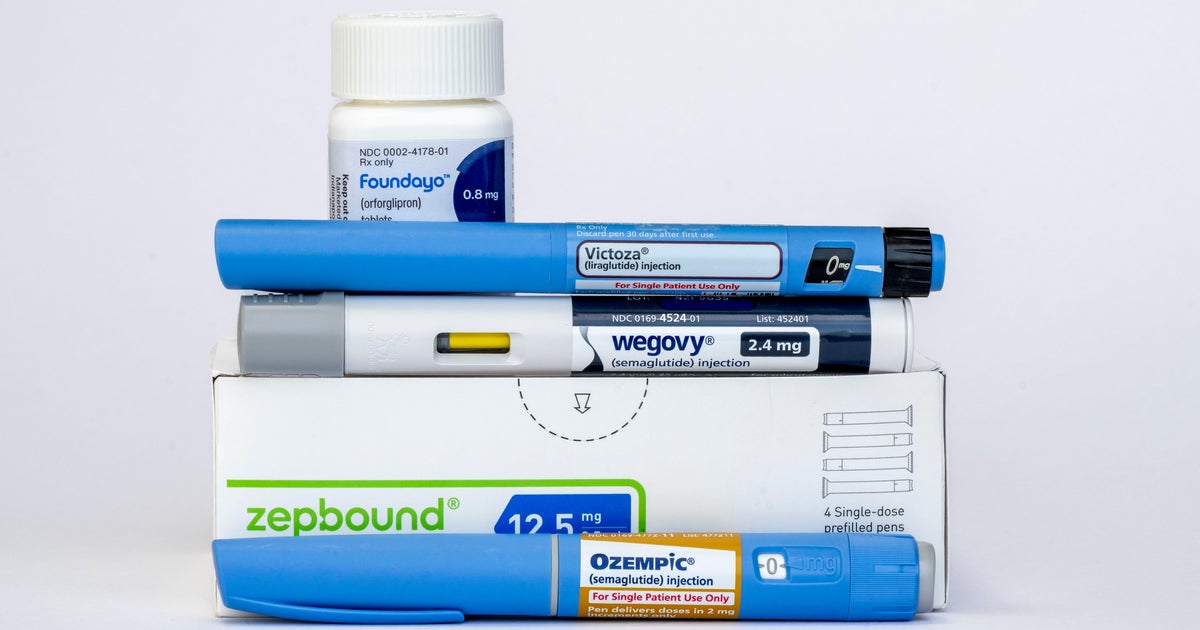
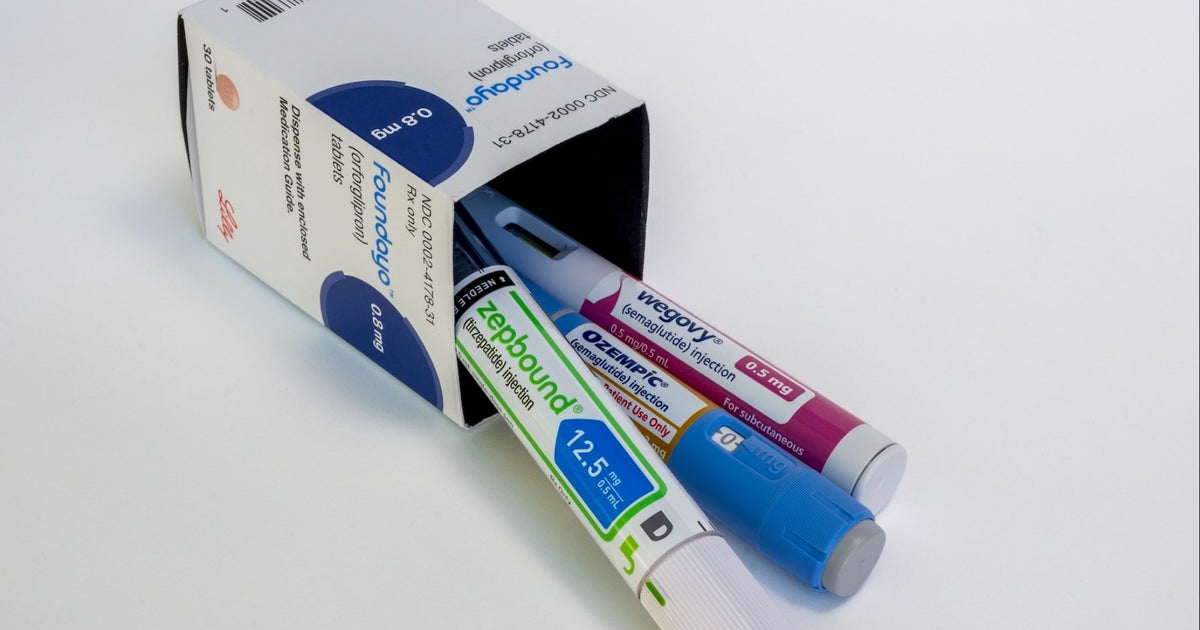
The class includes blockbuster treatments such as Ozempic, Wegovy, Zepbound and Mounjaro, which are widely prescribed to treat Type 2 diabetes and help patients lose excess weight. asserted
patients → include → weight
Some GLP-1 drugs have also been approved for additional uses, including reducing the risk of major cardiovascular events and worsening kidney disease. asserted
drugs → approve → disease
Others have been cleared to treat obstructive sleep apnea and liver disease. asserted
Others → clear → apnea
The drug class also carries a boxed warning about the potential risk of thyroid tumors. asserted
class → carry → tumors
Now, the FDA is urging health care providers to tell patients taking GLP-1s to immediately report any new, painless vision loss, visual field deficits or other visual disturbances in one eye. asserted
FDA → urge → eye
“If NAION is suspected, promptly refer the patient to an ophthalmologist for evaluation,” the agency wrote. asserted
agency → suspect → evaluation
“Consider discontinuing the GLP-1 RA in patients who develop NAION, unless the benefits of treatment clearly outweigh the risk.” asserted
benefits → consider → risk

Give feedback · no sign-in needed

No sign-in needed for now. Your note is sent without a name, so it cannot be answered.

History Support