The Aporia

Kerr, D. (2026, November 10). California voters fail to pass proposed one-time tax on billionaires’ wealth. The Guardian. https://www.theguardian.com/us-news/2026/nov/09/california-tax-billionaires-prop-40
Kerr, Dara. “California voters fail to pass proposed one-time tax on billionaires’ wealth.” The Guardian, 10 Nov. 2026, https://www.theguardian.com/us-news/2026/nov/09/california-tax-billionaires-prop-40.
Kerr, Dara. “California voters fail to pass proposed one-time tax on billionaires’ wealth.” The Guardian, November 10, 2026. https://www.theguardian.com/us-news/2026/nov/09/california-tax-billionaires-prop-40.
Dated from the outlet's own feed. Check the original for its byline.
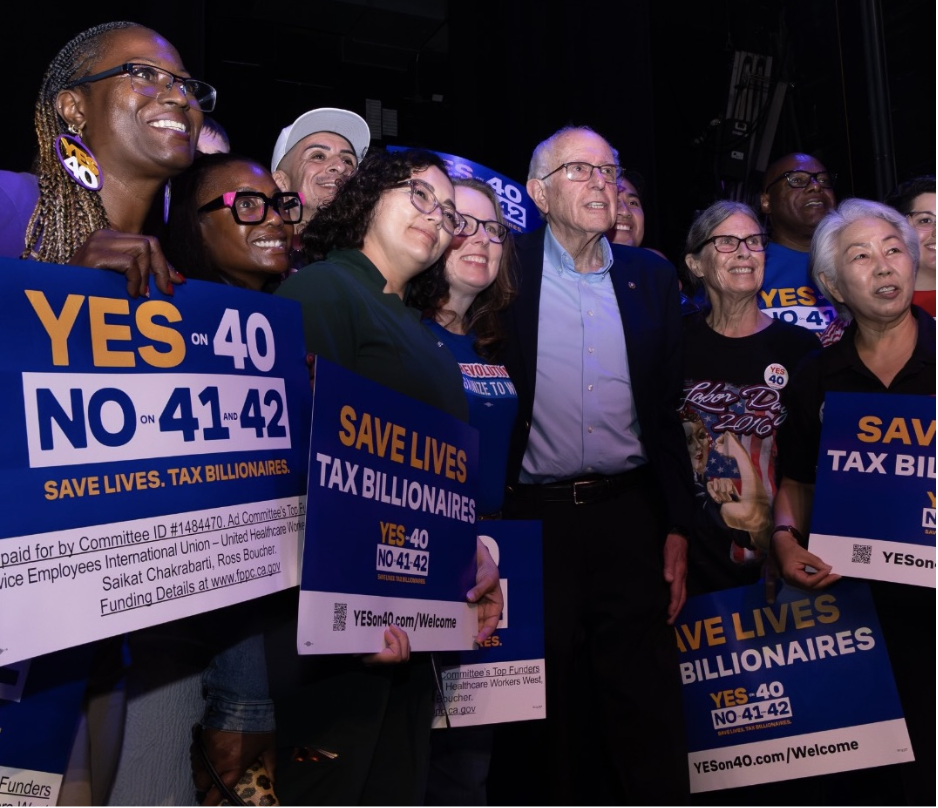
On November 3, 2026, California voters rejected Proposition 40, which would have imposed a one-time 5% tax on net worths exceeding $1 billion for residents. The measure aimed to raise funds for California’s Medicaid program but faced opposition from many wealthy individuals and business leaders who feared it could drive investment out of the state. The proposal was backed by economists like Gabriel Zucman and Emmanuel Saez, advocating for higher taxes on large fortunes, while others argued that punishing success would harm economic growth. Around 200 Californians would have been affected by this tax if passed.
California billionaires won a contentious ballot measure campaign, defeating a proposed one-time tax on their wealth.
Proposition 40 was the most expensive in state history and witness to back-and-forth dealing from tech billionaires and democratic leaders, including Gavin Newsom, the governor, who steadfastly opposed the measure.
opponents led by prosperous billionaires mounted an influential campaign saying the billionaire tax was instead “an everyone tax”.
Prop 40’s most vocal critics, however, were the state’s billionaires. Donors to the opposition campaign were a who’s who of Silicon Valley, including executives from Google, Palantir, DoorDash, Stripe and Reddit, along with several prominent venture capitalists.