Oil giant ExxonMobil left Venezuela years ago.
asserted
ExxonMobil → leave → Venezuela
Now it's considering a return
asserted
it → consider → return
ExxonMobil, the biggest U.S. oil company, is exploring a return to Venezuela after leaving almost two decades ago.
asserted
ExxonMobil → explore → Venezuela
On Monday, the company announced it had signed a memorandum of understanding with the Venezuelan government and its state-owned oil company, Petróleos de Venezuela, S.A.
asserted
it → announce → government
The MOU, which is typically a non-binding agreement, involves ExxonMobil examining potential "upstream opportunities" – that refers to oil exploration and production.
asserted
that → involve → exploration
ExxonMobil said in a statement, "We welcome the opportunity to evaluate potential upstream opportunities with the Venezuelan government and PDVSA."
asserted
We → say → government
A lot has happened in Venezuela's oil sector in the past ten months.
asserted
lot → happen → months
In January, shortly after the Trump administration captured Venezuelan president Nicolás Maduro, Trump gathered U.S. oil company executives in the White House and urged them to invest in the country.
asserted
Trump → capture → country
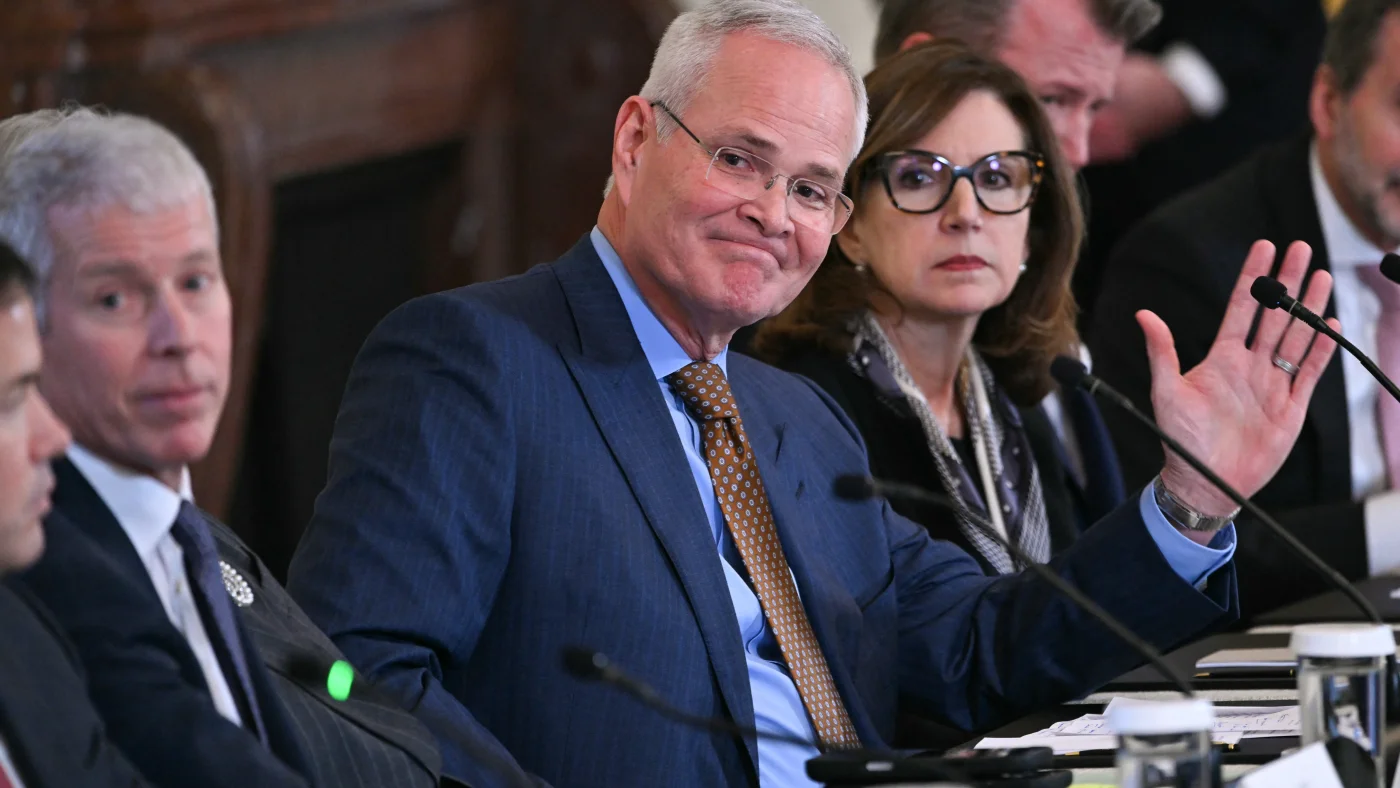
At that time, ExxonMobil CEO Darren Woods said the country was "uninvestable.
asserted
country → say → time
But the country overhauled its petroleum law this year to make it more attractive for international oil companies.
asserted
it → overhaul → companies
Those changes included allowing private oil companies more operational control in partnerships, as well as reforming taxes and royalties.
asserted
changes → include → taxes
The country has also welcomed the expansion of other U.S. oil companies, including Chevron and Continental Resources.
asserted
country → welcome → Chevron
Still, ExxonMobil executives have maintained a cautious tone.
asserted
executives → maintain → tone
On a call with analysts last month, Woods said that while there is "progress being made on those areas– working on fiscal regimes, working on legal regimes, working on investor protections, a number of things that are kind of in progress.
asserted
that → say → progress
"This memorandum is a meaningful first step," ExxonMobil's statement reads, "But any future investment would require stable policies, clear regulations, strong investment protections and competitive returns."
asserted
investment → read → policies
ExxonMobil, which grew out of Standard Oil, operated in Venezuela for much of the 20th century.
asserted
which → grow → century
Beginning in 2004, then-President Hugo Chávez forcibly renegotiated contracts with international oil companies and ordered the nationalization of ExxonMobil assets.
asserted
Chávez → begin → assets
In 2007, ExxonMobil left the country.
asserted
ExxonMobil → leave → country
In September 2025, a U.S. court ordered Venezuela to pay ExxonMobil over $985 million for the past expropriations.
asserted
court → order → expropriations
Energy analysts tell NPR that ExxonMobil may be looking at oil fields in Venezuela's Orinoco Belt, an area with sizable oil reserves and where the company has operated in the past.
uncertain
company → tell → past
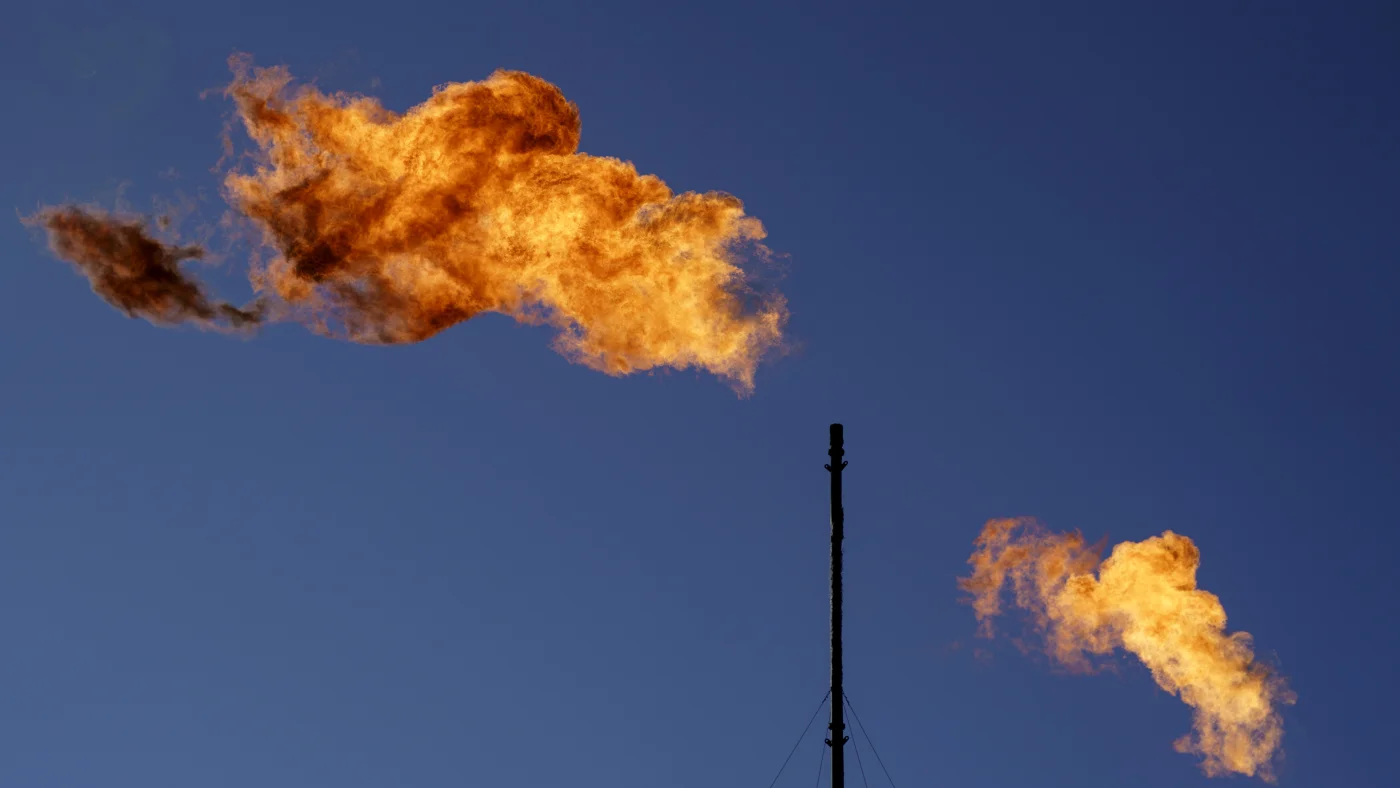
The oil extraction process in this region generates a lot of greenhouse gas emissions, says Paasha Mahdavi, a political science professor at UC Santa Barbara who studies the oil industry.
asserted
who → generate → industry
Mahdavi says oil production in the Orinoco Belt has particularly high methane levels, a potent planet-heating gas.
asserted
production → say → levels
" This really matters from a global climate story," Mahdavi says.
asserted
Mahdavi → matter → story
ExxonMobil also has large oil investments in Venezuela's neighbor, Guyana, a key emerging player in the international oil industry.
asserted
ExxonMobil → have → industry
For years, Venezuela and Guyana have had a territorial dispute that has also been related to oil rights.
asserted
that → have → rights
 The Aporia