A supercharged El Niño is gaining strength in the Pacific Ocean and could batter California later this year and into next, according to a new report.
uncertain
Niño → gain → report
The latest outlook, released Thursday by the National Oceanic and Atmospheric Administration, warns El Niño is expected to intensify through the end of the year, theSFGATE reports.
asserted
theSFGATE → release → year
There’s also a 60% chance the weather phenomenon becomes the most powerful recorded since 1950, according to NOAA.
uncertain
phenomenon → ’ → NOAA
“This is not your normal El Niño,” Daniel Rudnick, a physical oceanographer at UC San Diego’s Scripps Institution of Oceanography, told SFGATE.
asserted
Rudnick → tell → SFGATE
According to NOAA’s Climate Prediction Center, there is now a greater than 79% chance that strong to very strong El Niño conditions will persist through Jan. to March 2027.
uncertain
conditions → accord → March
The agency’s latest findings show temperatures in portions of the eastern equatorial Pacific have climbed more than 4 degrees Celsius above normal, with unusually warm waters spreading farther west.
asserted
waters → show → normal
Forecasters believe the phenomenon will continue gaining strength before gradually weakening in early 2027.
asserted
phenomenon → believe → 2027
NOAA’s next El Niño update is scheduled for Dec. 10.
asserted
update → schedule → Dec.
But NOAA cautioned that even an exceptionally powerful El Niño does not guarantee that every region will experience the extreme weather typically associated with the phenomenon.
asserted
region → caution → phenomenon
California could be among the areas most affected by the intensifying weather pattern, which has historically been associated with wetter winters across the southern US.
uncertain
which → affect → US
El Niño occurs when ocean temperatures rise above normal in the central and eastern tropical Pacific, disrupting atmospheric circulation and influencing weather patterns around the globe.
asserted
temperatures → occur → globe
The phenomenon typically develops every two to seven years and can go on for anywhere between nine and 12 months.
asserted
phenomenon → develop → months
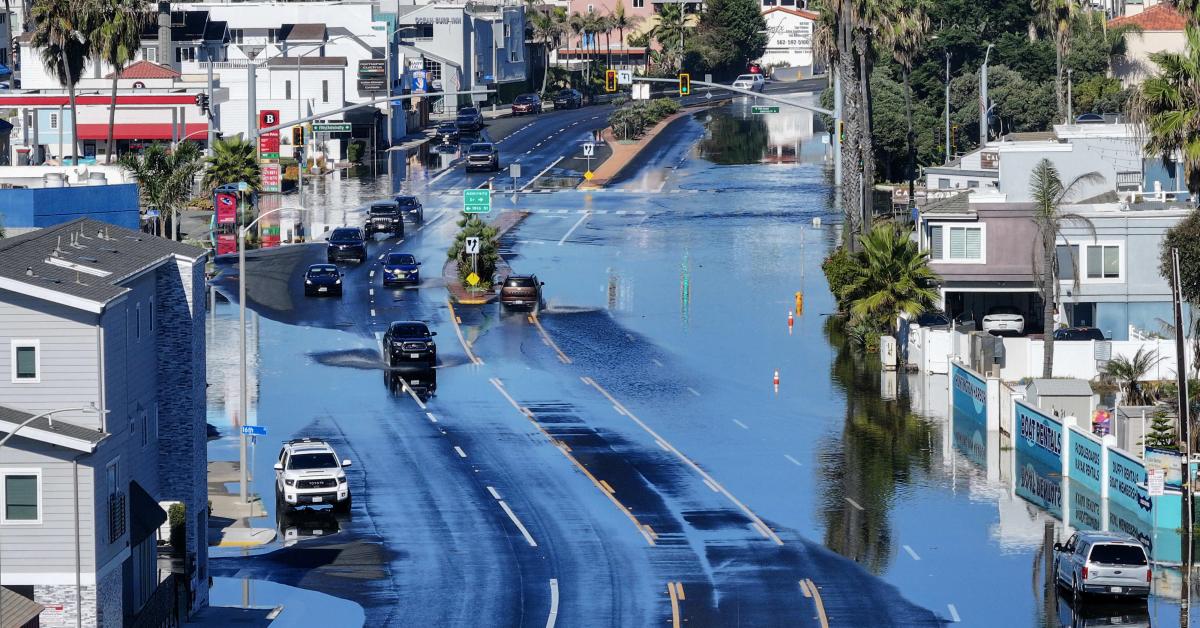
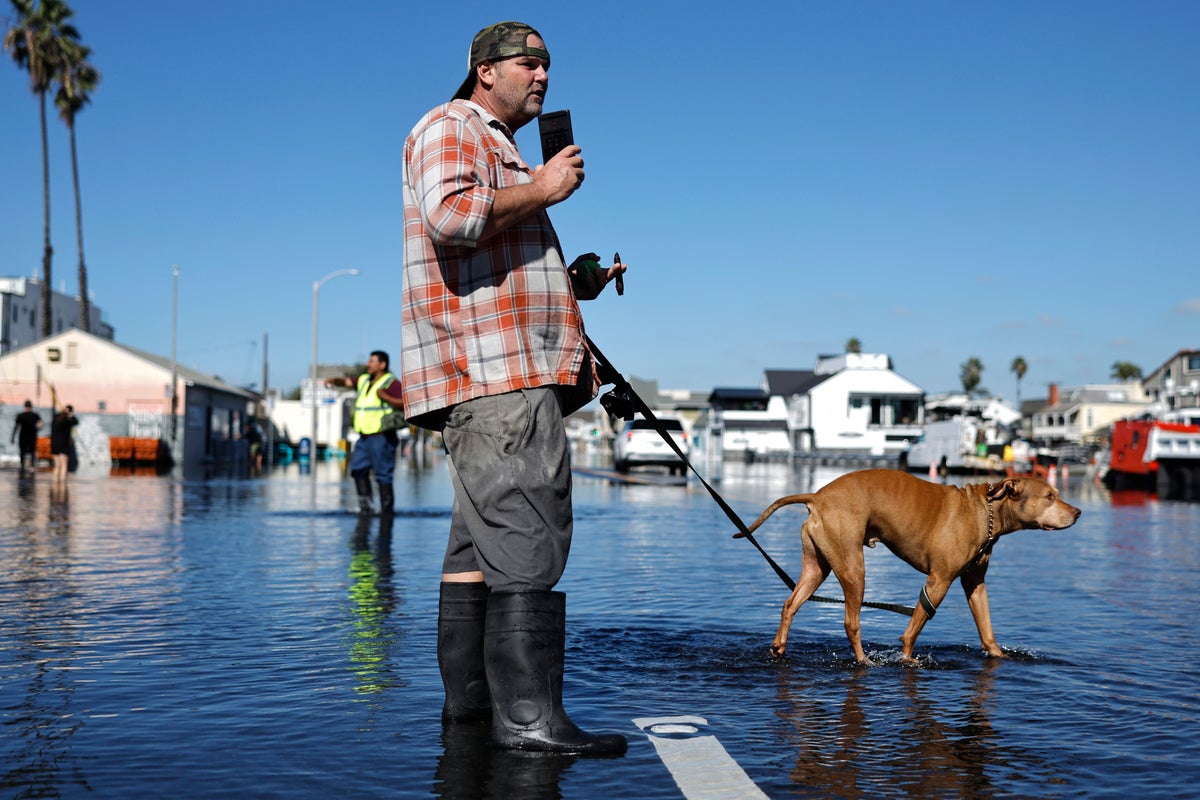
In Southern California, stronger El Niño events can increase the likelihood of storms arriving from the Pacific, potentially bringing heavy rainfall, flooding and other weather-related hazards.
asserted
events → increase → rainfall
Northern portions of North America, meanwhile, tend to experience milder and drier winter conditions during El Niño years.
asserted
portions → tend → years
The weather pattern’s influence extends far beyond the US’s general geography.
asserted
influence → extend → geography
Some parts of South America, Africa, Australia and southern Asia can experience prolonged drought, while other regions face unusually heavy rainfall and destructive flooding.
asserted
regions → experience → rainfall
Those shifts can have major consequences for agriculture, fishing industries and communities dependent on rainfall for water and electricity.
asserted
shifts → have → water
El Niño can also reshape hurricane activity across the world’s oceans.
asserted
Niño → reshape → oceans
In the Atlantic, the phenomenon generally creates atmospheric conditions that suppress tropical storm development, while warmer Pacific waters can help fuel more powerful hurricanes and typhoons.
asserted
waters → create → hurricanes
The contrast has been particularly noticeable in 2026, with the Atlantic experiencing unusually low tropical storm activity as the Pacific recorded exceptionally intense systems.
asserted
Pacific → experience → systems
The Eastern Pacific has already seen 21 named tropical systems this year, while 32 typhoons have been tracked in the Western Pacific, according to CBS News.
uncertain
typhoons → see → News
Some Pacific storms have also generated powerful waves that reached the California coastline, contributing to beach erosion.
asserted
that → generate → erosion
Beyond storms and flooding, researchers have raised concerns about the broader consequences of the unusually warm conditions.
asserted
researchers → raise → conditions
A University of Chicago study released in September estimated that this year’s El Niño could contribute to about 451,000 additional heat-related deaths worldwide compared with a typical year.
uncertain
Niño → release → year
 The Aporia