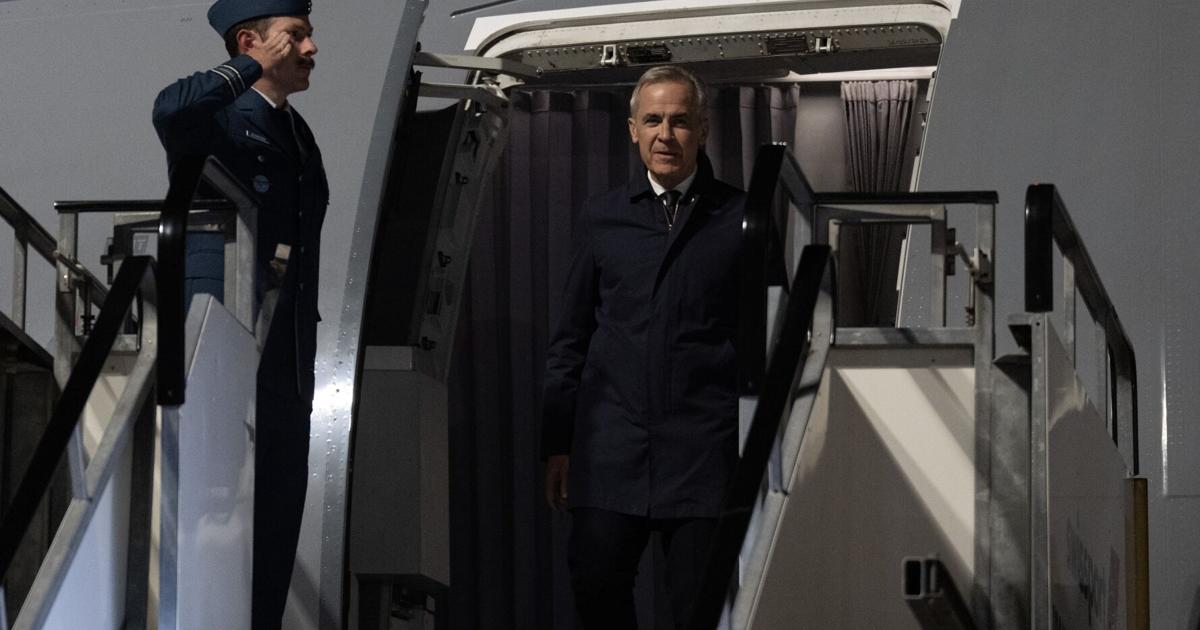
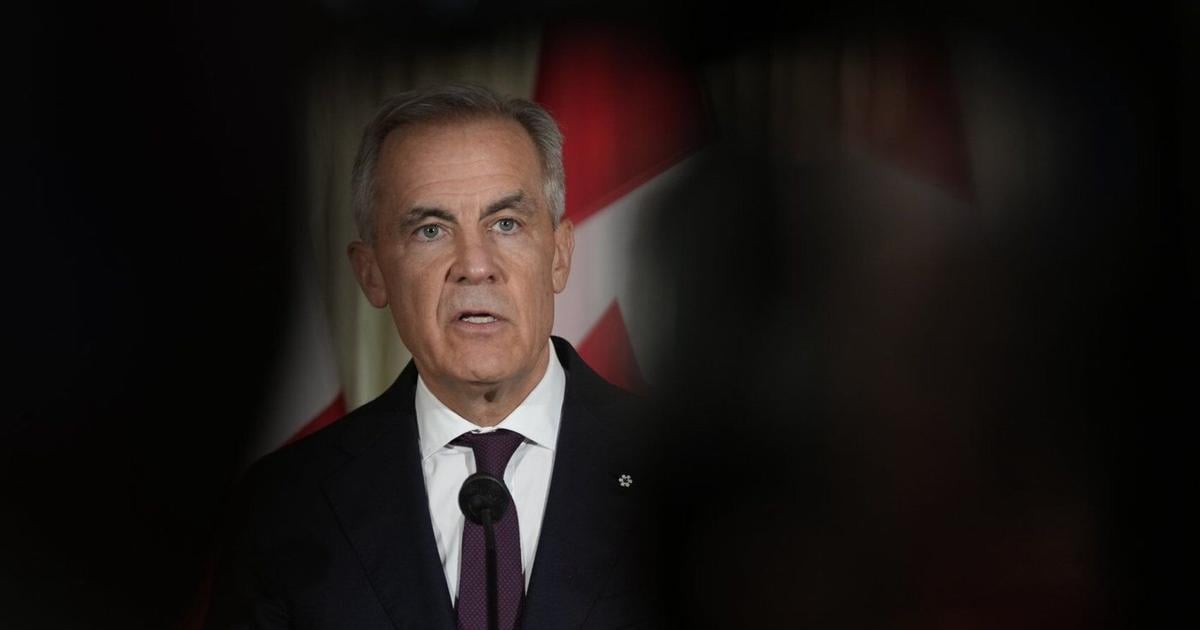
U.S. Trade Representative Jamieson Greer said Thursday that Canadian and American officials have discussed a trade deal within the past few days, but he would not commit to a timeline for an agreement.
asserted
he → say → agreement
In an interview on CNBC’s Squawk Pod, Greer said U.S. President Donald Trump and Prime Minister Mark Carney speak regularly.
asserted
Trump → say → Pod
Pressed on when the two sides might settle, he said “the substance of the deal is more important than a timeline.”
uncertain
substance → press → timeline
Ottawa, he said, would like to return to the unfettered cross-border trade of earlier years, while Washington’s priority is protecting American supply chains.
asserted
priority → say → chains
The renewed contact comes less than three months after talks collapsed in August.
asserted
talks → renew → August
On Aug. 22, Washington imposed 50 percent tariffs under Section 338 of the Tariff Act of 1930 on roughly US$20 billion in Canadian goods, including dairy, alcohol and auto-related products, and Ottawa answered with counter-tariffs that took effect Sept. 8.
asserted
that → impose → effect
Trump has also threatened to raise tariffs on Canadian vehicles, auto parts and steel to 50 percent on Jan. 1, 2027.
asserted
Trump → threaten → Jan.
The political ground in Washington shifted last week, when Republicans lost control of both the House of Representatives and the Senate in the Nov. 3 midterm elections.
asserted
Republicans → shift → elections
The AP VoteCast survey found voters punished Republicans for Trump’s economic policies, including import taxes blamed for higher prices.
asserted
voters → find → prices
Asked whether tariffs hurt Republicans at the polls, Greer said gas, oil and the “vast amount” of food are not subject to tariffs, and that the administration is “going to keep taking trade actions as necessary.”
asserted
administration → ask → actions
He acknowledged that critics describe some of the tariffs as “chaotic or reckless.”
asserted
critics → acknowledge → tariffs
“Some people want to have more stability with Canada.
asserted
people → want → Canada
I just talked to you about working on a deal with Canada.
asserted
I → talk → Canada
I agree on wanting to have certainty on tariffs,” Greer said.
asserted
Greer → agree → tariffs
He blamed Democratic state attorneys general, who have challenged the tariffs in court, for denying the U.S. that stability.
asserted
who → blame → stability
Once Democrats take control of Congress in January, they could bring forward legislation to roll back the administration’s tariffs.
uncertain
they → take → tariffs
House Democratic Leader Hakeem Jeffries has named ending them as a priority, and Michigan senator-elect Abdul El-Sayed, a Democrat, has called the trade war with Canada “insane” and offered to help end it.
asserted
Sayed → name → it
As The Hub’s Falice Chin reported, overriding a presidential veto takes 67 senators and 290 House members.
asserted
overriding → report → senators
Even if every Democrat backed repeal, the party would still need at least 11 Republican senators and about 34 more House votes.
asserted
party → back → senators
Greer said he sees nuance in how some incoming members talk about tariffs.
asserted
members → say → tariffs
“So I think there’s room to work with them,” he said.
asserted
he → think → them
Pete Hoekstra, the U.S. ambassador to Canada, predicted last week that a deal could come before the end of 2026, while playing down the midterms’ effect on talks.
uncertain
deal → predict → talks
In September 2025, he told The Hub that negotiations could slip into 2027.
uncertain
negotiations → tell → 2027
The continental framework is also less settled than it was a year ago.
asserted
it → settle → ?
At the first mandatory joint review on July 1, the U.S. declined to renew the Canada-U.S.-Mexico Agreement, triggering annual reviews.
asserted
U.S. → decline → reviews
The pact stays in force until 2036 unless the parties agree to extend it.
asserted
parties → stay → it
Changes to CUSMA itself would need implementing legislation from Congress; a narrower bilateral tariff arrangement would not necessarily require it.
asserted
arrangement → need → it
In February, the U.S. Supreme Court ruled that the International Emergency Economic Powers Act, the statute behind many of the administration’s 2025 country-specific levies, does not authorize the president to impose tariffs.
asserted
Act → rule → tariffs
The White House turned to a global surcharge under Section 122 of the Trade Act of 1974, set at 10 percent and then raised to 15 percent, the statutory maximum, for no more than 150 days without congressional approval.
asserted
House → turn → approval
Washington has since rebuilt its Canada-specific pressure under other statutes.
asserted
Washington → rebuild → statutes
A 10 percent Section 301 tariff tied to forced-labour enforcement took effect July 24 and exempts CUSMA-compliant goods; the Section 338 duties do not.
asserted
duties → tie → goods
Section 232 sectoral tariffs on steel, aluminum, copper, autos and lumber remain in force.
asserted
tariffs → remain → force
What a deal could ask of Ottawa
uncertain
ask → ask → Ottawa
In The Hub, Joseph Steinberg, a professor of economics at the University of Toronto, argued the ruling gave Canada an opening to clear away its own trade irritants.
asserted
ruling → argue → irritants
He identified two practices that could invite a Section 301 investigation, which sets no ceiling on tariff rates: provincial bans on American alcohol and Canada’s method of allocating dairy import quotas.
uncertain
which → identify → quotas
“Now that the Supreme Court’s ruling has ended all country-specific tariffs targeted at Canada, we should work quickly to correct these discriminatory practices before the review process starts,” Steinberg wrote.
asserted
Steinberg → end → practices
Washington has since targeted both, though under a different law.
asserted
Washington → target → law
The July 20 proclamations behind the Section 338 duties cite Canada’s dairy tariff-rate quota system and its alcohol measures as discriminatory, alongside motor vehicles.
asserted
proclamations → cite → vehicles
Whether Ottawa would make concessions is unsettled.
asserted
make → make → concessions
The federal government rescinded its digital services tax in June 2025, a levy that fell mainly on large U.S. technology firms.
asserted
that → rescind → firms
…and 7 more, not listed.
 The Aporia