Photo via BBC News

Rosenberg: Uncompromising Putin ups demands for peace with Ukraine

Read the original at BBC News ↗
Cite

Rosenberg, S. (2026, November 13). Rosenberg: Uncompromising Putin ups demands for peace with Ukraine. BBC News. https://www.bbc.co.uk/news/articles/cq39glwprknjo?at_medium=RSS&at_campaign=rss

Dated from the outlet's own feed. Check the original for its byline.

BBC News · collected 2026-11-13 · by Steve Rosenberg

Quick Summary

This analysis argues that Vladimir Putin is leveraging the Ukraine conflict to demand a fundamental restructuring of European security and a halt to NATO's eastward enlargement. The Kremlin has revived its 2021 "draft treaties" which would prohibit Ukraine and Georgia from joining NATO and require the removal of Russian military infrastructure from central and eastern Europe. While EU diplomat Kaja Kallas characterizes these demands as a "trap" intended to distract from a ceasefire, the author suggests that forcing the West to engage with Russia's security concerns constitutes a geopolitical victory for Moscow.
Written by AI on 2026-11-13, from this article's own text only (the story summary below draws on all the coverage).

Compared with similar articles

This article reads leans right and hedges 6% of its claims. Each row says how that neighbour differs.
New York Post
Leans strongly left further left than this Hedges 3 of 8 claims Outlet record 66/100
“The articles discuss different aspects of the ongoing peace negotiations and Putin's stance, rather than the same specific incident or meeting.”
The Guardian
Hedges 0 of 14 claims Outlet record 65/100
“The articles cover different stages of the ongoing negotiations: Article A discusses the first day of talks where Zelenskyy was 'happy' with the US approach, while Article B discusses subsequent demands from Putin that are more uncompromising.”
Washington Examiner
Leans left further left than this Hedges 0 of 3 claims Outlet record 67/100
“The articles discuss related topics about Putin's stance on peace with Ukraine, but describe different aspects and viewpoints without clearly referring to the same specific incident.”
BBC News
Hedges 6 of 35 claims Outlet record 66/100
“The articles describe different stages of the peace process: Article A discusses the resumption of peace talks with some flexibility shown by warring sides, while Article B reports on Putin's uncompromising demands following the talks.”
The Straits Times
Hedges 1 of 8 claims Outlet record 64/100
“The articles describe related but different events: Article A reports on Putin's statement and demands for peace, while Article B focuses on upcoming peace talks in Abu Dhabi.”
The Guardian
Hedges 1 of 31 claims Outlet record 65/100
“The articles discuss related topics but describe different aspects and sources regarding Russian demands in Ukraine talks.”
The Hindu
Hedges 0 of 18 claims Outlet record 78/100
“The articles discuss different statements made on consecutive days by different officials regarding Russia's stance on Ukraine talks and Europe's role, rather than a single specific incident.”
The Hindu
Hedges 3 of 42 claims Outlet record 78/100
“The articles discuss different stages of the peace negotiations; Article A refers to the upcoming peace talks scheduled for November 10, 2026, while Article B reports on the demands made by Putin after the talks, which likely occurred after the event mentioned in Article A.”
The Guardian
Leans left further left than this Hedges 5 of 33 claims Outlet record 65/100
“The articles cover the same general event (Putin's talks with US envoys) but describe different parts of the event and outcomes. ARTICLE A focuses on Putin's threats towards foreign troops deployed to Ukraine, while ARTICLE B discusses Putin's demands for a new security architecture in Europe.”
Evening Standard
Hedges 0 of 22 claims Outlet record 64/100
“The articles discuss related developments in peace talks but describe different moments in time and different outcomes from the talks.”

Story

Rosenberg Uncompromising Putin ups demands for peace
Other · 1 article(s) covering the same event.
How this article was measured signals, leaning charts, publisher record, byline, topics and claims

Signals How these are calculated →

Claims extracted
33
sentences that state something as happening or true
Uncertain
6%
2 of 33 hedged ("reportedly", "may", "according to")
Leaning
Leans right
of the writing, not the subject · beta estimate
Publisher signals
66/100
BBC News's corrections and hedging, across everything collected from it. Not a measure of accuracy.
Outlets on this story
1
Other
Same framing elsewhere
1
articles that frame the event the way this one does
Analyzed 2026-11-13 · how these are computed

How this is being covered How these are calculated →

Article leaning vs. publisher reliability
Source leaning vs. consistency

Publisher

BBC News · 5818 article(s) · 7 correction(s) detected
Running correction rate · 7 correction(s)

Who wrote this

Steve Rosenberg
5 article(s) here · 1 carrying a prediction
The Kremlin has put back on the table its controversial proposal from December 2021 – the "draft treaties" with the US and Nato which would not only have put the brakes on the alliance's eastward enlargement by giving Moscow cast-iron guarantees that, for instance, Ukraine and Georgia would never be allowed to join, but also rolled back Nato military infrastructure from countries of central and eastern Europe which became Nato members following the dissolution of the Soviet Union.
How will Putin use it? Are there any signs he is prepared to halt what he calls the special military operation?
In a political system tightly controlled by the Kremlin, the party of power – United Russia – had been widely expected to maintain its grip on parliament.
This weekend's election is set to deliver another parliament dominated by the party of power, United Russia, and a house of MPs fiercely loyal to Vladimir Putin.
What the Kremlin had assumed in 2022 would be a short, successful "military operation" has become the bloodiest conflict in Europe since World War Two.
Also by Steve Rosenberg
Nothing else under this byline is closely related to this article, so these are simply their most recent.

Topics

Kremlin Moscow Nato Russia Ukraine

Subjects

Russia GPE · 10× Moscow GPE · 8× Ukraine GPE · 8× European NORP · 6× Kremlin ORG · 6× Nato ORG · 5× Putin PERSON · 4× Russian NORP · 3× Western NORP · 2× Witkoff PERSON · 2×

Narrative

The Kremlin has put back on the table its controversial proposal from December 2021 – the "draft treaties" with the US and Nato which would not only have put the brakes on the alliance's eastward enlargement by giving Moscow cast-iron guarantees that, for instance, Ukraine and Georgia would never be allowed to join, but also rolled back Nato military infrastructure from countries of central and eastern Europe which became Nato members following the dissolution of the Soviet Union.
framing: assertive · carried by 1 article(s) · first seen 2026-11-13
The Kremlin has put back on the table its controversial proposal from December 2021 – the "draft treaties" with the US and Nato which would not only have put the brakes on the alliance's eastward enlargement by giving Moscow cast-iron guarantees that, for instance, Ukraine and Georgia would never be allowed to join, but also rolled back Nato military infrastructure from countries of central and eastern Europe which became Nato members following the dissolution of the Soviet Union.
2026-11-13 · BBC News
Rosenberg: Uncompromising Putin ups demands for peace with Ukraine · assertive framing

Claims (33 extracted, 2 hedged)

- Published Russia's President Vladimir Putin says he wishes "eternal peace" for Ukraine. asserted
he → publish → Ukraine
That is the same Russian president who ordered the full-scale invasion of Russia's neighbour nearly five years ago and who continues to reject the idea of a comprehensive ceasefire. asserted
who → order → ceasefire
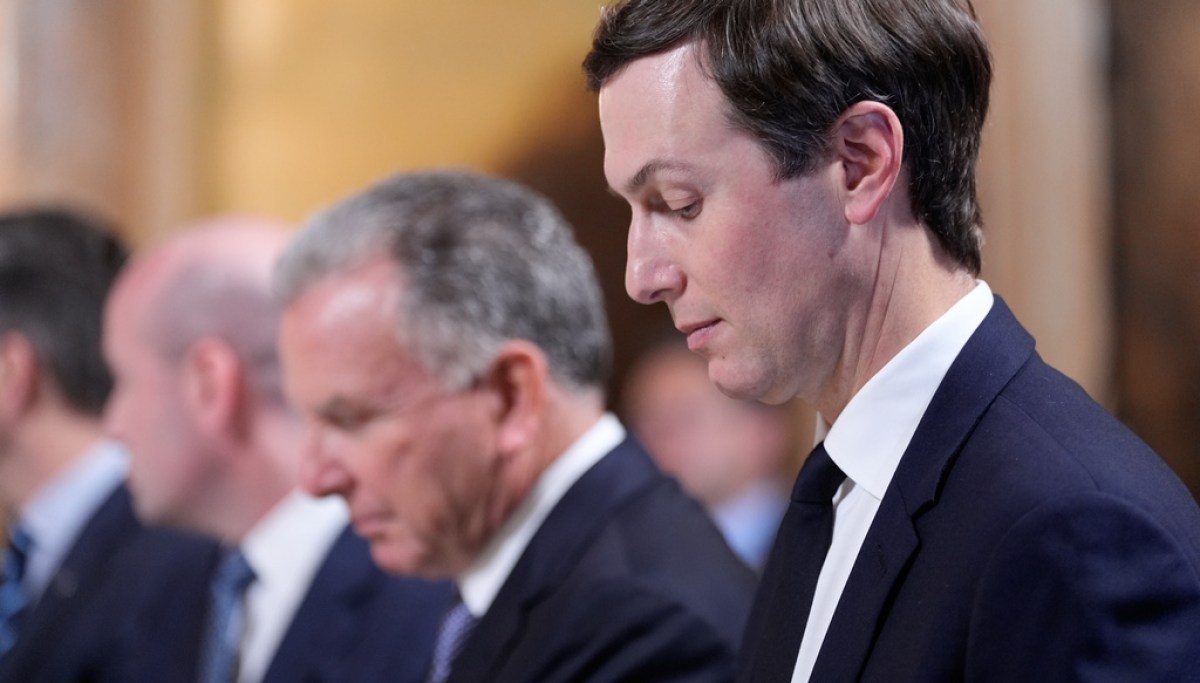
The Kremlin spelt it out after talks with US envoys Steve Witkoff and Jared Kushner: "A new, long-term architecture of indivisible security and peace." asserted
Kremlin → spell → security
Translated from Kremlin-speak, it means Moscow wants to change the security set-up of Europe in a way that benefits Russia. asserted
that → translate → Russia
What Russia is pushing for is, potentially, the biggest change to European security arrangements since the end of the Cold War. asserted
pushing → push → War
The Kremlin has put back on the table its controversial proposal from December 2021 – the "draft treaties" with the US and Nato which would not only have put the brakes on the alliance's eastward enlargement by giving Moscow cast-iron guarantees that, for instance, Ukraine and Georgia would never be allowed to join, but also rolled back Nato military infrastructure from countries of central and eastern Europe which became Nato members following the dissolution of the Soviet Union. asserted
which → put → Union
Western leaders dismissed such demands as an unacceptable Russian ultimatum. asserted
leaders → dismiss → ultimatum
Two months later Moscow launched its full-scale invasion of Ukraine. asserted
Moscow → launch → Ukraine
The "draft treaties" were put away. asserted
treaties → put → ?
Now they are out of the geopolitical filing cabinet, and being quoted again by the Kremlin. asserted
they → quote → Kremlin
What is more, Yuri Ushakov, Putin's foreign policy aide, has suggested that Moscow is about to "add certain new considerations" to its list of demands in light of Western efforts "to inflict a strategic defeat on Russia". uncertain
Moscow → suggest → Russia
That does not mean, of course, that Western governments will accept them. asserted
governments → mean → them
But the fact that the question of European security is featuring now in discussions on Ukraine is viewed here as a victory for Moscow. asserted
question → feature → Moscow
"In December 2021 Russia actively proposed that Nato rethink the security system in Europe," wrote newspaper Komsomolskaya Pravda earlier this week. asserted
Pravda → propose → Europe
"Our proposals were almost laughed at. asserted
proposals → laugh → ?
"Having secured one victory by forcing the West to think about security, our diplomats need a second by making the West heed Russia's concerns about Nato enlargement." The EU's top diplomat, Kaja Kallas, has called Russia's demands for a new European security architecture a "trap" designed to "shift attention away from a ceasefire". asserted
diplomat → secure → ceasefire
"The sequencing of Ukraine-Russia talks is important," Kallas wrote on social media. asserted
Kallas → write → media
"The priority should be securing a ceasefire, followed by a peace agreement. asserted
priority → secure → agreement
Moscow has had no desire to give it a chair. asserted
Moscow → have → chair
It has slammed European leaders for their military support for Kyiv and tough stance on Russia. asserted
It → slam → Russia
This week's peace talks in Abu Dhabi involved Ukraine, Russia and the US. asserted
talks → involve → Ukraine
After his discussions in Moscow, Witkoff indicated that Putin had agreed to the idea of European representatives joining the next round of Ukraine peace talks. asserted
representatives → indicate → talks
But on Friday the Kremlin indicated a final decision on European participation had not been taken. asserted
decision → indicate → participation
"Once we understand their true intentions and their readiness to facilitate the peace process, then it will be possible to take a decision about dialogue on Ukraine in a wider format," said Kremlin spokesman Dmitry Peskov. asserted
Peskov → understand → format
At the talks with Witkoff and Kushner he was sounding uncompromising and confident. asserted
he → sound → Witkoff
You can see why. asserted
You → see → ?
The Americans are knocking at his door and seeking a deal and the Europeans are contemplating contacts with him. asserted
Europeans → knock → him
Last month the leaders of Norway and Finland reached out and called him. asserted
leaders → reach → him
And next week in Shenzhen, China, on the sidelines of the Asia-Pacific Economic Co-operation summit, Putin may have a separate meeting with Donald Trump and Xi Jinping. uncertain
Putin → have → Trump
Russian media are already comparing them to the "Big Three" - Stalin, Roosevelt and Churchill - who met in 1945 to reorganise post-World War Two Europe. asserted
who → compare → Europe
And yet, after nearly five years of war, Russia has suffered huge losses on the battlefield. asserted
Russia → suffer → battlefield
The Russian economy is under increasing pressure. asserted
economy → increase → pressure
Ukrainian drone strikes continue to target Russian oil refineries, sparking fears of new fuel shortages. But, so far, none of this has convinced the Kremlin leader to end the fighting. asserted
none → continue → fighting

Give feedback · no sign-in needed

No sign-in needed for now. Your note is sent without a name, so it cannot be answered.

History Support