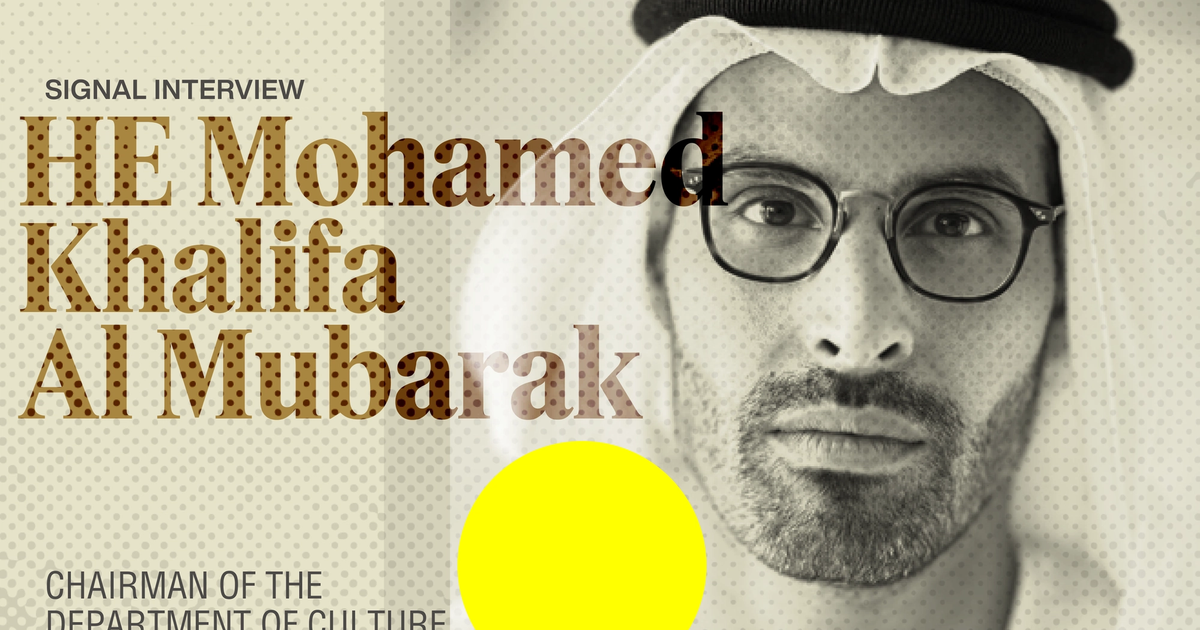
“We have plan A’s all the way to plan Z’s, from our best-case scenarios to our worst-case scenarios,” Mohamed Khalifa Al Mubarak says, when asked how the culture, tourism, and property groups he leads are preparing for what might happen next in the conflict that has shaken the Middle East.
uncertain
that → have → East
Many of those plans are contingent on the US-Israeli conflict with Iran ending, but “if this conflict gets worse, we also have a very clear route,” says the chairman of the Department of Culture and Tourism Abu Dhabi.
asserted
chairman → end → Culture
The manga-loving 44-year-old member of Abu Dhabi’s Executive Council, whose other interests include sneakers, rap music, and basketball, has spent more than a decade at the heart of the city’s strategy to diversify its economy using museums, UFC fights, and theme parks.
asserted
interests → love → museums
Last year alone, the city opened five museums and welcomed a record 26.6 million visitors.
asserted
city → open → visitors
Culture and tourism are “the building blocks of our future,” he says.
asserted
he → say → future
But the conflict has forced him to craft a response that combines a strategic pivot, reassurance to local staff and foreign partners, and continued commitment to his city’s long-term aims.
asserted
that → force → aims
When the Iran war started in February, flights and events were canceled and the number of Western tourists to the Gulf plunged, emptying local hotels.
asserted
number → start → hotels
“We had to basically rethink how we’re…promoting ourselves,” Al Mubarak says.
asserted
Mubarak → have → ourselves
But, he adds, “We always understood that, no matter what happens… the machine doesn’t stop.”
asserted
machine → add → ?
Before the conflict, Abu Dhabi was working toward a goal of attracting 39.3 million visitors a year by 2030, up from 24 million in 2023.
asserted
Dhabi → work → 2023
It projected that those tourists would contribute AED 90 billion a year to the city’s economy.
asserted
tourists → project → economy
Al Mubarak is still sticking to his 2030 goals, but he says the assumptions underlying them have changed.
asserted
assumptions → stick → them
He now expects a 10-15% drop in visitors from the US and Europe compared to its original estimates, for example, with growth from other parts of the globe making up the difference.
asserted
growth → expect → difference
So he has changed the focus of Abu Dhabi’s marketing, looking to pull in far more visitors from its own region, and from Eastern Europe, India and the rest of Southeast Asia, and Africa.
asserted
he → change → Asia
The city is already seeing 5-8% growth in visitors from “some of our Eastern geographies,” he says, and much larger numbers from around the Gulf.
asserted
he → see → Gulf
On Yas Island this summer, he says, “Some days I felt I was in Saudi, some days I felt I was in Qatar, some days I felt I was in Moscow.”
asserted
I → say → Moscow
He recalls talking to two tourists as they watched the smoke from a drone attack on a French navy base in the first week of the conflict: when he asked if they were alright, they replied: “We’re Russians, so this is nothing.”
asserted
this → recall → conflict
But Al Mubarak wants to use the current crisis to broaden its appeal to other parts of the world whose populations’ economic power is growing.
asserted
power → want → world
Under his worst-case scenarios for the war’s outcome, his plans would focus Abu Dhabi’s culture and tourism strategy much more on its immediate region and the Global South.
asserted
plans → focus → region
That grouping of poorer countries comprises more than 70% of the world’s population, he notes, and its people want “to experience a lot more than they have.”
asserted
they → comprise → more
Westerners have been more put off by news coverage that he says exaggerates the security threat, but he has not stopped marketing to them, too.
asserted
he → put → them
“We haven’t stopped acknowledging that they are a traveler and they are a future potential traveler,” he says.
asserted
he → stop → ?
“We’ve kept [at the] front of their mind that the UAE is here and Abu Dhabi is here, and it’s going to continue to develop, it’s going to continue to grow.
asserted
it → keep → mind
Three-quarters of Abu Dhabi’s hotel rooms were full again by August, Al Mubarak notes.
asserted
Mubarak → note → August
At Aldar Properties, the commercial real estate developer he also chairs, new sales dropped 34% in the first nine months of this year, but at AED 18.9 billion were still higher than for the same period in 2024.
asserted
sales → chair → 2024
Overseas buyers — from China, the UK, Russia, and elsewhere — made up 28% of the total.
asserted
buyers → make → total
After the first day of Iranian attacks, he maintains, “business has really been as usual.”
asserted
business → maintain → attacks
Projecting normality, and an alluring vision
Informed by its experience during the pandemic, Abu Dhabi kept cultural institutions open throughout the conflict to give residents places to connect and “a sense of comfort,” Al Mubarak says.
asserted
Mubarak → project → comfort
To reassure his own teams, he set up daily management group meetings, and a stream of video conferences, emails, and helplines for employees.
asserted
he → reassure → employees
What mattered most was to show that leaders were listening rather than just talking, he says.
asserted
he → matter → ?
“Small things like that make a difference,” he notes, adding that his strategy starts with Abu Dhabi’s own residents.
asserted
strategy → make → residents
The city wants to be a “home away from home” for the world’s culture-lovers, he says, but “we did not develop our cultural strategy and our cultural infrastructure for people to come [to Abu Dhabi].
asserted
people → want → Dhabi
We developed it for people that are here.”
asserted
that → develop → people
But Al Mubarak is equally keen to project a sense of normality for potential visitors who are contemplating Abu Dhabi from afar.
asserted
who → project → Dhabi
“Imagine yourself in Abu Dhabi today,” he says.
asserted
he → imagine → Dhabi
The weather’s good this time of year, so “you’d wake up in the morning and you’d sink your feet in beautiful white sand,” then maybe go for a swim, he suggests.
uncertain
he → ’ → swim
Then a tourist could go for an AI-personalized museum tour, a round of golf, some shopping, a concert at the Sphere (a $1.7 billion entertainment venue opening in 2029), or a comedy show.
uncertain
tourist → go → 2029
It’s “an imaginary story,” he says, but one “that could be a reality” for a visitor.
uncertain
that → ’ → visitor
The next step in realizing that vision will come on Dec. 11, when a branch of New York’s Guggenheim Museum opens on Saadiyat Island.
asserted
branch → realize → Island
Some of Abu Dhabi’s partners have expressed fears about the region’s suitability as a home for their artwork in a period of conflict — “our French partners raised concerns on some of the loans that they’ve had at the Louvre,” Al Mubarak acknowledges — but he was able to reassure them that its buildings are “built to withstand things of this sort of nature.”
asserted
buildings → express → nature
…and 19 more, not listed.
 The Aporia