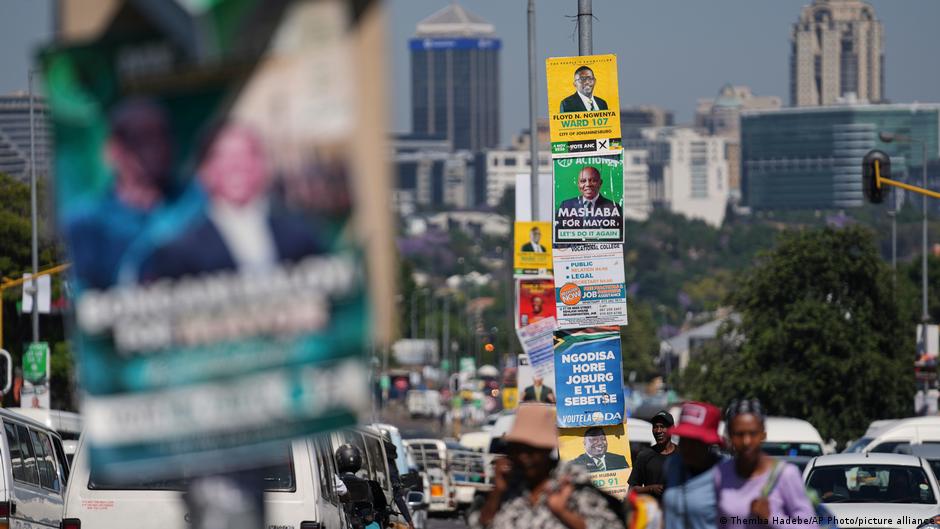
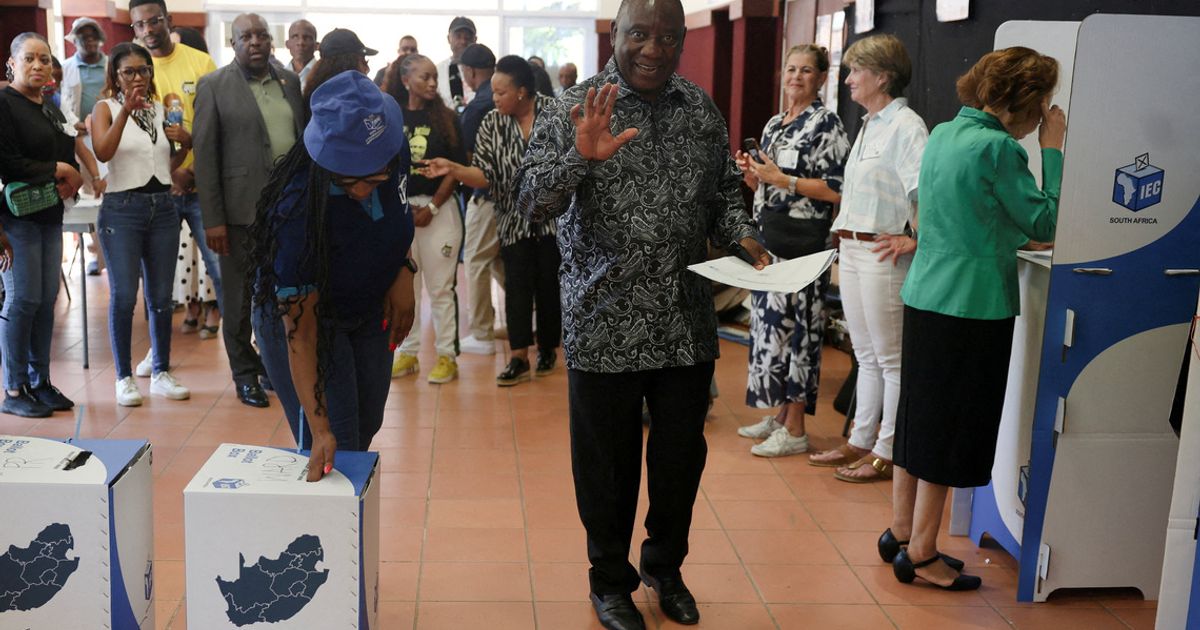
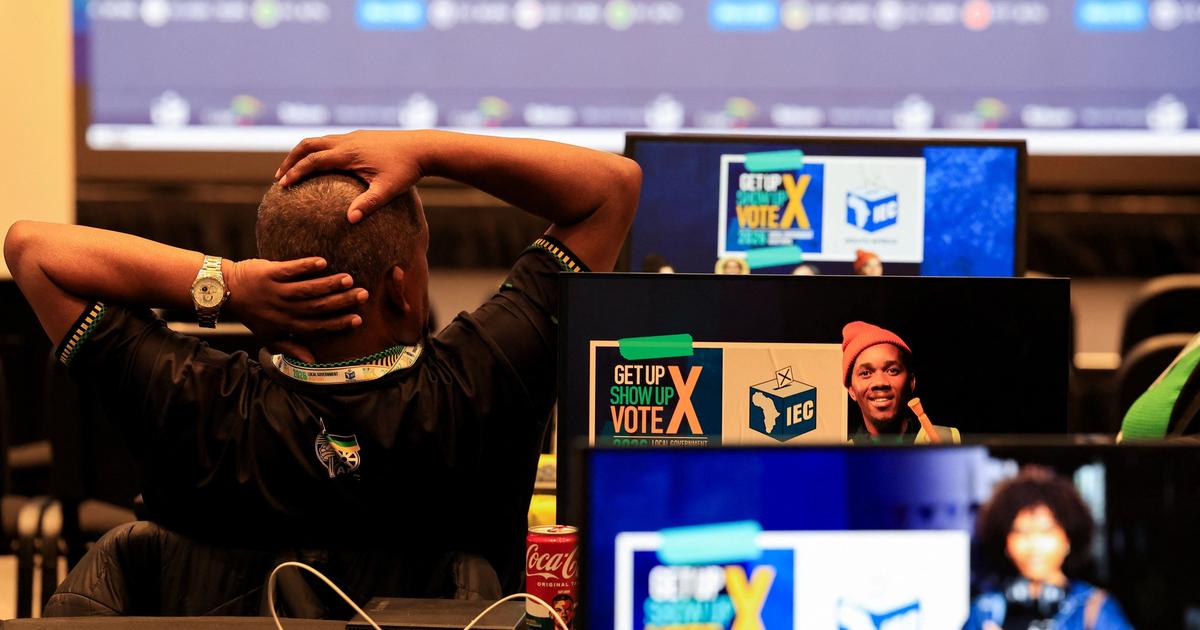
When the expected implosion of the African National Congress (ANC) came in South Africa’s 2026 local government elections, it was still surprisingly dramatic.
asserted
it → expect → elections
The ANC remained the largest political party, but its share of the popular vote declined to 32.5 percent, essentially leaving it a rural party where its governance power is not entirely dependent on coalition partners.
asserted
power → remain → partners
Significant elements of the Black middle class and sections of the Black African rural and working classes showed disaffection through defection and abstention.
asserted
elements → show → defection
This leaves an ANC dependent on other parties for coalitions in the urban metros and cities, while facing a confident and emboldened white community, quite surprised at how easily Black power could be diluted so soon after apartheid.
uncertain
power → leave → apartheid
But the seeds of this implosion were sown over three nine-year leadership phases.
asserted
seeds → sow → phases
Nine developing years (1999–2008)
The first transition in this evolution was after the nine developing years under President Thabo Mbeki, which had their weaknesses – like the HIV/AIDS epidemic – but bequeathed to his successors significant advantages: gross domestic product (GDP) growth of 5.4 percent, unemployment at 25 percent and significant savings for infrastructure expansion.
asserted
which → develop → expansion
Significantly, the ANC secured an electoral share of 65.7 percent in the 2006 local elections, with the greatest ever proportion of minority votes.
asserted
ANC → secure → votes
These nine years sowed the seeds of a so-called left-wing impatience with the rate of redistribution of the growth advantages.
asserted
years → sow → advantages
Nine devastating years (2009–2018)
These advantages were squandered during President Jacob Zuma’s nine devastating years in both economic and electoral terms.
asserted
advantages → squander → terms
The devastation, disguised as “radical economic transformation”, was in fact state capture.
asserted
devastation → disguise → fact
The Madlanga Commission demonstrates the perversion of South Africa’s criminal justice system.
asserted
Commission → demonstrate → system
The Nugent Commission exposed larceny in the revenue services.
asserted
Commission → expose → services
The Zondo Commission dramatised how public enterprises were cash cows for the corrupt at the expense of services like water, energy and roads, while only the most loyally incompetent were embedded in the bureaucracy.
asserted
incompetent → dramatise → bureaucracy
The economic cost of state capture has been estimated at up to 500 billion rand ($30bn).
asserted
cost → estimate → rand
The state capture scandal brought President Cyril Ramaphosa centre stage on a wave of “Ramaphoria”, with many willing him to be the midwife of renewal.
asserted
many → bring → renewal
His mandate was unprecedented, and his popularity even endured the setbacks of the COVID-19 lockdown.
asserted
popularity → endure → lockdown
However, the nine devastating years inexorably gaveway to the nine dithering years, while the moniker of midwife yielded to the uncomfortable idea that Ramaphosa’s generation may well be the undertakers of the ANC.
uncertain
generation → gaveway → ANC
Confusing priorities create a trade-off between tenuously maintaining the ANC base with a modicum of unity and seeking the approval and support of the nation.
asserted
Confusing → confuse → nation
If Zuma operated by crimes of commission, Ramaphosa operated by omission – what he could not do.
uncertain
he → operate → what
For one, Zuma should have been in prison, but Ramaphosa’s transfer (rather than dismissal) of Zuma’s intelligence boss to the position of commissioner of Correctional Services resulted in Zuma being freed on medical grounds.
asserted
Zuma → result → grounds
Even when Zuma was recommitted to prison by the courts, Ramaphosa’s general remission order meant he spent only a further two hours of his 15-month sentence incarcerated.
asserted
he → recommit → sentence
Such dithering allowed Zuma’s uMkhonto weSizwe Party (MKP) to grab nearly 15 percent of the national vote in 2024 and almost 10 percent in 2026.
asserted
Party → allow → 2026
Secondly, the ANC carried into the elections the skeletons of malfeasance – with those complicit either tolerated or elevated – involving the corruption of state enterprises, COVID fraud, misappropriating state tenders and mismanaging shadowy intelligence funds.
asserted
those → carry → funds
In the cliches of the day, “innocent until proven guilty” always outweighed “step aside” in the institutionalisation of impunity!
asserted
innocent → prove → impunity
Thirdly, before the elections of 2026, the ANC understood the parlous state of its local governance and popular sentiment about basic services.
asserted
ANC → understand → services
Yet it did not act with the necessary urgency.
asserted
it → act → urgency
Rather than rescue ANC governance and salvage people’s trust, it chose to pass a death sentence on the ANC’s election campaign: the president applauded Democratic Alliance (DA) governance, while the chairperson proclaimed that ANC councillors could sing but not govern.
uncertain
councillors → rescue → governance
On Ramaphosa’s watch, these acts of omission were accompanied by devastating economic data, with youth unemployment at 63 percent.
asserted
acts → accompany → percent
ANC electoral support declined from 57.5 percent (2019) to 47.5 percent (2021) to 40.2 percent (2024) to 32.5 percent (2026) as the ANC wascannibalised by insurgencies from Zuma’s MKP to Julius Malema’s Economic Freedom Fighters (EFF) to the South African Communist Party (SACP).
asserted
ANC → decline → Party
As in 2024, the immediate preoccupations of a besieged leadership will be recriminations, which Thabo Mbeki kicked off, dismissive denialism (“we’re still the biggest party”) and attempts to salvage through horse-trading what was lost at the ballot.
asserted
what → kick → ballot
Instead, these preoccupations should give way to a strategic discussion about how to survive, to renew and to re-emerge.
asserted
preoccupations → give → discussion
This is the only sequence that will ward off the existential poly-crisis facing the ANC, consisting of electoral, organisational, ideological and moral dilemmas.
asserted
that → ward → dilemmas
The choices it makes in the immediate quest to survive will be hellish.
asserted
it → make → quest
In 2024, its partner of choice was the DA, allowing the DA to become palatable, showcase its performative governance and harness its white business resources to decimate the ANC.
asserted
DA → allow → ANC
Does the ANC do more of the same, or does it reach to the left, and hazard the reunification of the very forces of state capture that can further cannibalise it and exacerbate its moral crisis?
asserted
that → do → crisis
Opposition, except where there is no alternative, is not an option because the ANC needs to have a foothold in governance from which to make amends and regain public trust.
asserted
ANC → be → trust
But does it have the dexterity and finesse to walk this tightrope?
asserted
it → have → tightrope
Organisationally, the ANC appears bereft of strategic talent and relies on blunderbusses to keep faith with its base.
asserted
ANC → appear → base
Calling for this leadership to resign is temptingly correct, but would the implosion then become an explosion that betrays 114 years of mostly capable leadership and dooms the ANC to an ignominious death without the option of revival?
asserted
that → call → revival
Would Ramaphosa’s leadership team have the honest courage to admit failure, remain in place for stable continuity until 2027, but graft a transitional team above them now to guide the ANC through the imperative of change, renewal, and the regaining of popular trust by 2029’s election?
asserted
team → have → election
…and 1 more, not listed.

 The Aporia