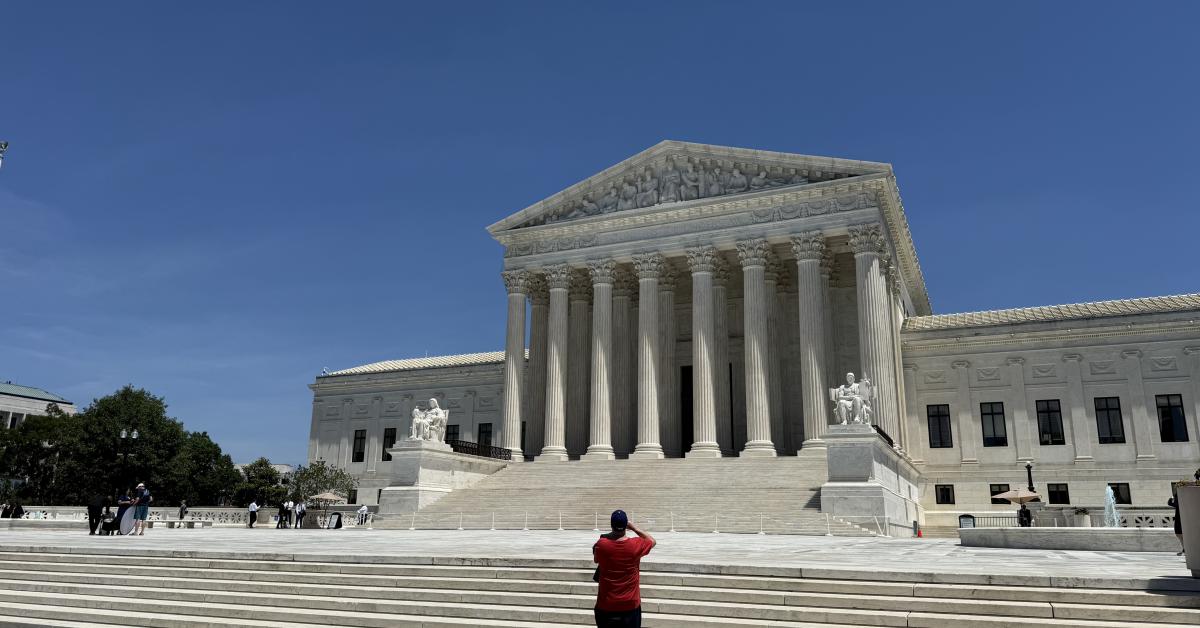
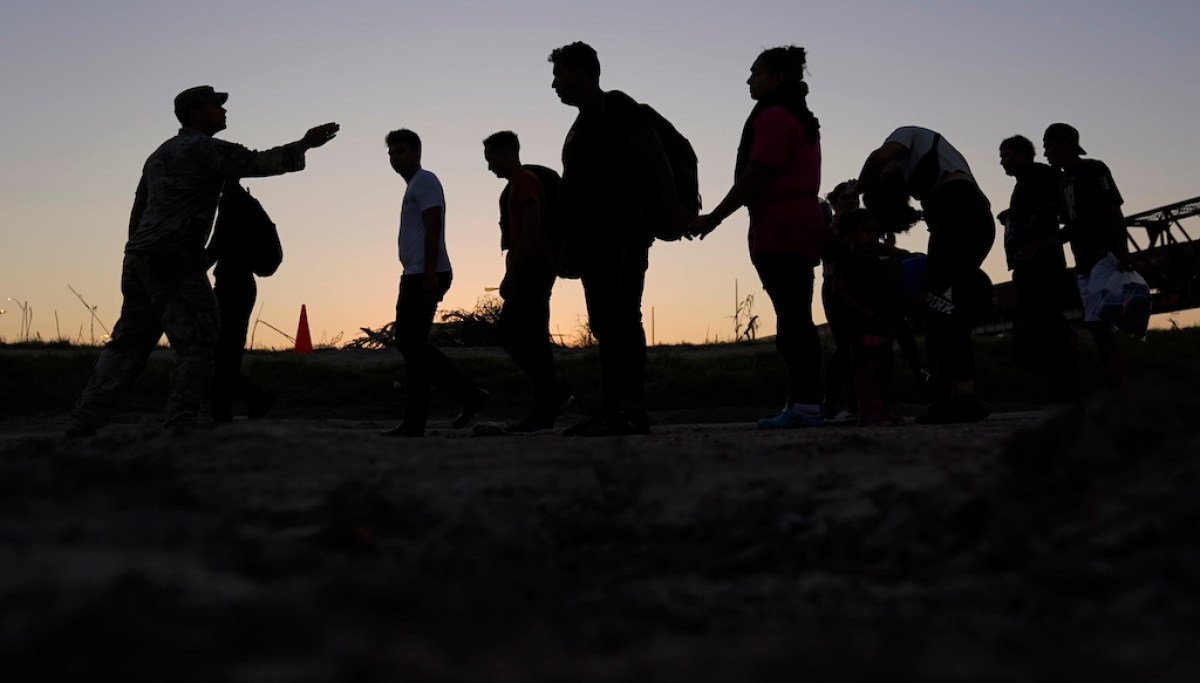
Yesterday, the Supreme Court decided to review Mullin v. RAICES, a case challenging the legality of Donald Trump's January 2025 "invasion" executive order, which bars virtually all legal migration across the southern border.
asserted
which → decide → border
Trump relies on the Guarantee Clause of Article IV, Section 4 of the Constitution, which states that "The United States shall guarantee to every State in this Union a Republican Form of Government, and shall protect each of them against Invasion."
asserted
States → rely → Invasion
The administration claims that illegal migration, drug smuggling, and supposed "public health" risks qualify as an "invasion" under the Guarantee Clause, thereby authorizing the president to suspend legal migration indefinitely.
uncertain
migration → claim → migration
The Trump administration's position on this issue is badly wrong, and has dangerous implications.
asserted
position → have → implications
In my article, "Immigration is Not Invasion" I provide a comprehensive overview of the many reasons why "invasion" - as that term is used in the Constitution and the AEA - must be a military attack, not illegal migration, drug smuggling, or other similar activity.
asserted
term → provide → Constitution
As James Madison put it, "invasion is an operation of war."
asserted
invasion → put → war
I provided a shorter overview of the invasion order and its dangerous implications in a 2025 Just Security article.
asserted
I → provide → article
I also go over the dire implications of adopting a broad definition of invasion.
asserted
I → go → invasion
Among other things, it would allow the federal government to suspend the writ of habeas corpus (and thereby detain people - including US citizens - without due process) at any time.
asserted
government → allow → time
It would also give state governments the power to "engage in war" against neighboring foreign countries at virtually any time, even without congressional authorization.
asserted
It → give → authorization
This case has major implications that go beyond immigration, and threaten the civil liberties of US citizens, as well as recent migrants.
asserted
that → have → citizens
The Supreme Court could potentially rule against Trump on statutory grounds, without without reaching the issue of the definition of "invasion" in the Constitution.
uncertain
Court → rule → Constitution
That is what the district court and the DC Circuit did.
asserted
court → do → what
But if it rejects these statutory arguments, or at least does so in large part, it will have to reach the "invasion" issue.
asserted
it → reject → issue
If the justices do that, it is vital that the reject the administration's position.
asserted
the → do → position
There are also a number of procedural issues in the case (primarily involving the scope of the remedy), which I will not attempt to go over here.
asserted
I → be → which
This case should not be confused with the related ongoing litigation over the legality of Trump's invocation of the Alien Enemies Act of 1798.
asserted
case → confuse → 1798
The AEA can only be used to detain and deport migrants when there is a declared war, an "invasion," or a "predatory incursion."
asserted
AEA → use → migrants
There, too, the Trump administration claims illegal migration and drug smuggling qualify as an "invasion," and there too it is wrong to do so (on which see Part III of my article, my amicus brief in the Fifth Circuit AEA case, which I coauthored on behalf of the Brennan Center, the Cato Institute, and others).
uncertain
I → claim → Center
As detailed in my article, it is highly likely that "invasion" has the same meaning in the AEA and in the four places where that term is used in the Constitution, enacted just a few years earlier.
asserted
term → detail → Constitution
I will likely have more to say about this case in future posts and other writings.
asserted
I → have → posts

 The Aporia