Despite widespread sentiment that the world is failing in its effort to limit the most pernicious effects of global warming, with deadly climate-fuelled natural disasters like wildfires, heat waves and flash floods proliferating, a surprising study has found fossil fuel emissions are actually falling.
asserted
emissions → fail → wildfires
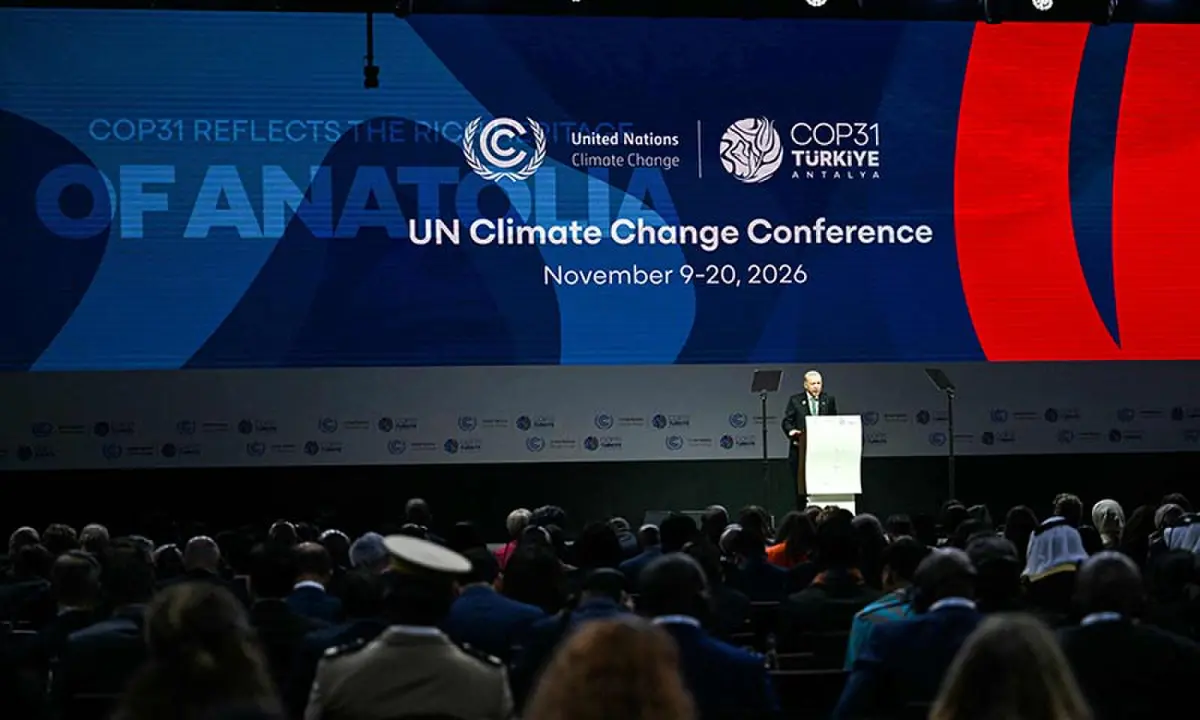
As delegates from around the world met in Turkey this week for the annual climate talks known as COP, the carbon emissions caused by burning fossil fuels unexpectedly dropped in 2026, according to projections published in Nature.
uncertain
emissions → meet → Nature
The authors, researchers at the CICERO Center for International Climate Research in Oslo, Norway, said the slight reduction of 0.4 per cent (the equivalent of Canada and Saudi Arabia’s total national emissions combined) was more due to the crisis in the Strait of Hormuz than a real, durable transition away from them.
asserted
reduction → say → them
The cost of fuel has soared after the U.S.-Iran conflict choked off the strait to shipping earlier this year.
asserted
conflict → soar → shipping
In Canada, diesel hit a peak national average of more than $2.70 a litre in September.
asserted
diesel → hit → September
“The only times in history when emissions have gone down is when there is a global crisis — and this is just another one,” said Robbie Andrew, a senior researcher at CICERO and one of the report’s authors.
asserted
Andrew → go → authors
“Instead of hoping that we’ll have more and more crises to get emissions down, which is of course a ridiculous idea, we actually need to turn this around.”
asserted
we → hop → this
The last two times global emissions dropped — in 2008, after the financial crisis and 2020, after the COVID-19 pandemic — carbon emissions quickly rebounded and continued to grow.
Economic forces behind emissions drop
The UN has warned that the global goal set in Paris a decade ago, to keep global warming to 1.5 degrees, is effectively impossible to meet.
asserted
goal → drop → degrees
The federal government’s climate report found that Canada has already warmed 2 degrees and can expect one more by 2040.
asserted
Canada → find → 2040
While these results mean climate disasters are now inevitable, they also underline the importance of limiting future warming by cutting fossil fuel use as quickly as possible, experts say.
asserted
experts → mean → use
Fortunately, there are quiet signs that beyond the oil shock, there are economic forces accelerating the adoption of clean energy and electrification, which have been causing emissions growth to slow down.
asserted
growth → be → energy
“Under that global number, there are lots and lots of things that add up.
asserted
that → be → things
And lots of those have turned.
asserted
lots → turn → those
They are on the way down,” Andrew said.
asserted
Andrew → say → way
Every EV and heat pump sold around the world reduces demand for fossil fuels, and every solar panel, battery and wind turbine installed creates the clean energy to power those electric technologies.
asserted
panel → sell → technologies
And while adoption and deployment of these non-emitting alternatives is currently insufficient to start bringing down global emissions on their own, they’re growing at a phenomenal rate.
asserted
they → start → rate
Chinese exports reducing emissions in other countries
asserted
exports → reduce → countries
For the past several years, China’s production of renewable power and clean technology were greater than the rest of the world combined, allowing it to slow down and stop the rise in its national emissions (which are by far the largest of any country in the world).
asserted
which → combine → world
This year, with the domestic economy stalling, Chinese clean tech is being exported, flooding markets around the world, which are in turn seeing dramatic effects on their own emissions.
asserted
which → stall → emissions
In 2026, Chinese clean tech exports grew at a rapid pace, increasing by 61 per cent for EVs, 45 per cent for wind turbines, 39 per cent for batteries and 22 per cent for solar panels.
asserted
exports → grow → panels
According to an analysis by the Finland-based Centre for Research on Energy and Clean Air, these exports allowed the world to avoid emitting 450 megatonnes of carbon — the equivalent of Brazil’s national emissions — this year alone.
uncertain
world → accord → emissions
Unlike fossil fuels, which are burned once and then need to be extracted again, clean tech continues to operate, emissions-free, for 20 years or more.
asserted
tech → burn → years
Over the course of the lifetime of these pieces of equipment, they will replace enough fossil fuels to prevent the emission of 8.4 gigatonnes of carbon — the same as the U.S. and India combined emit in a year, CREA found.
asserted
CREA → replace → year
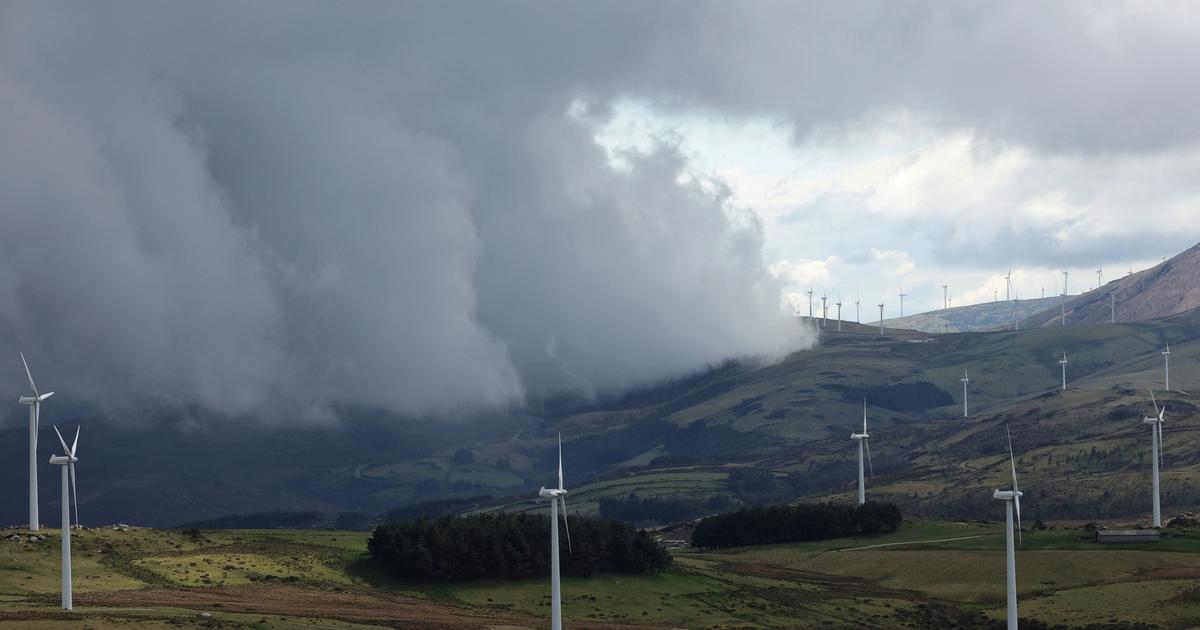
The solar panels and wind turbines alone will generate the same amount of power as 100 coal plants.
asserted
panels → generate → plants
It can enable other countries to reduce their reliance on fossil fuels,” said Qi Qin, a China policy analyst at CREA.
asserted
Qin → enable → CREA
Of course, it’s not just solar panels and wind turbines, Chinese EVs are also selling rapidly in countries around the world, and every kilometre driven without burning gas provides immediate climate benefits.
asserted
kilometre → ’ → benefits
According to Mobility Global, which tracks auto sales, electric and hybrid vehicles are increasing their market share worldwide.
uncertain
vehicles → accord → share
Cars that run on gasoline made up less than half of global passenger vehicle sales for the first time in 2026, down from 73 per cent five years ago.
asserted
that → run → cent
While American policies hostile to EVs have slowed sales in North America, the transition to electric driving is accelerating nearly everywhere else, with 49 of the 56 countries tracked by clean energy think tank Ember setting EV sales records this year.
asserted
countries → slow → records
Canada gets its own climate action tracker
Many of these leading indicators are tracked closely on the international level, but granular information on the trends that contribute to Canada’s emissions have, until recently, been harder to come by.
asserted
that → get → emissions
This week, however, the Canadian Climate Institute published its Climate Progress Tracker that provides up-to-date data on 40 indicators of the country’s transition to a carbon-free economy.
asserted
that → publish → economy
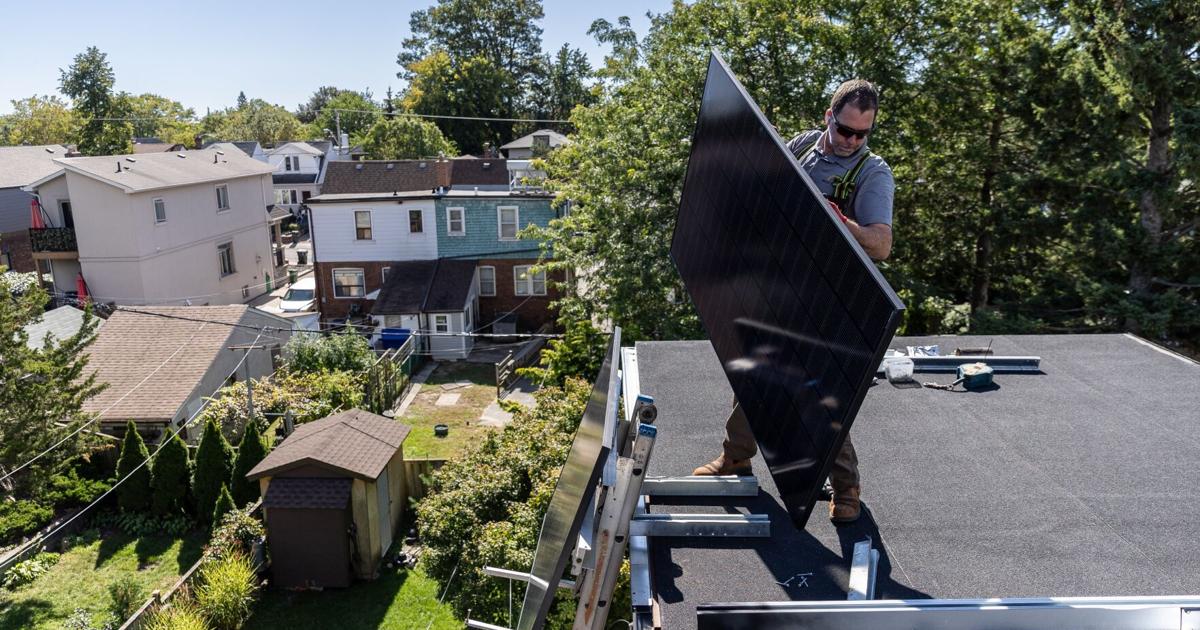
Ontario’s Home Renovation Savings Program requires homeowners to choose between $10,000 and the ability to sell power back to the grid.
asserted
Program → require → grid
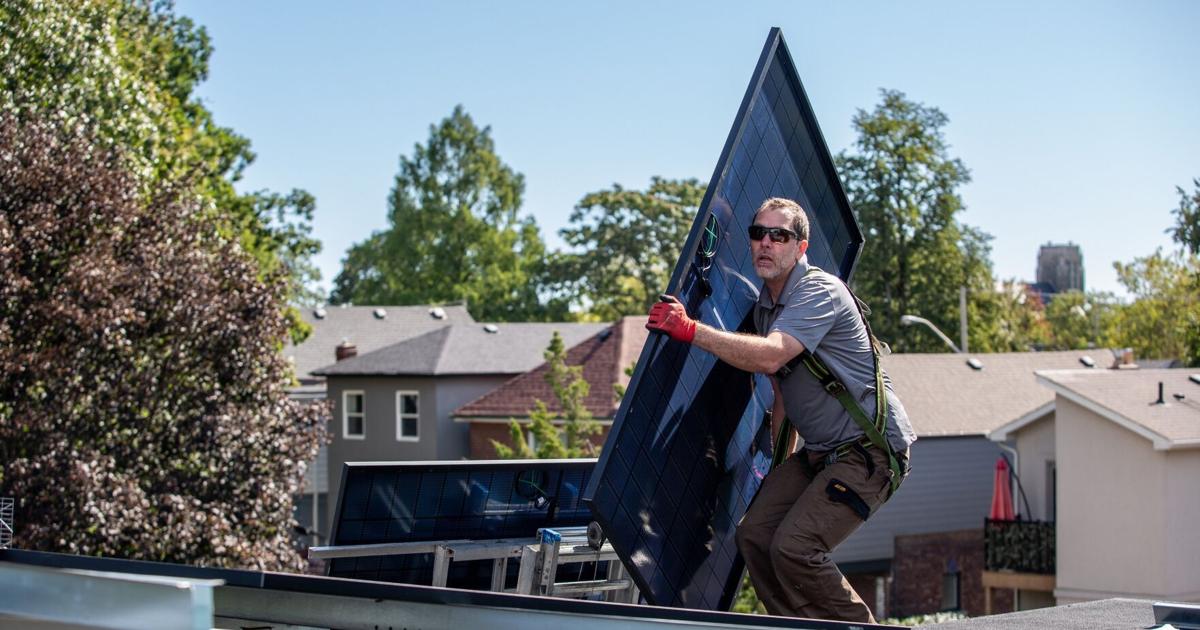
Ontario’s Home Renovation Savings Program requires homeowners to choose between $10,000 and the ability to sell power back to the grid.
asserted
Program → require → grid
While researchers, policymakers and the public used to have to wait almost two years to get official government emissions numbers, now the climate tracker updates a myriad of statistics ranging from electricity generation to carbon pricing on a monthly basis with a three-month lag.
asserted
tracker → use → lag
“The transition to cleaner energy is multi-faceted and to see it, you need to put a lot of indicators together,” said Ross Linden-Fraser, Acting Director of CCI’s 440 Megatonnes data project.
asserted
Fraser → see → project
”We’ve organized the data into these signals that reflect our understanding of the most important things that need to happen to bring our emissions down and build a cleaner economy.”
asserted
that → organize → economy
Canada’s picture is decidedly mixed, he said, with individual indicators performing well, “but if you zoom out to the overall context, we’re not moving fast enough.”
asserted
we → say → context
Renewable energy generation, for example, has grown by 40 per cent since 2020, but its share of overall generation is actually dropping as drought reduced hydro production and nuclear refurbishments led to increased reliance on gas plants.
asserted
refurbishments → grow → plants
Oil shocks can create lasting change
asserted
shocks → create → change
While the Hormuz crisis is the largest factor in 2026’s global emission drop, crises don’t always produce lasting change, says CICERO’s Andrew.
asserted
Andrew → produce → change
…and 8 more, not listed.
 The Aporia