European Union countries on Monday accused Russia of trying to drag out talks on ending the war in Ukraine while it bombs power plants and other infrastructure to make life even harder for civilians as winter closes in.
asserted
winter → accuse → civilians
At talks in Brussels, EU foreign ministers said the priority should be to secure a ceasefire and then a real peace agreement.
asserted
priority → say → ceasefire
They said that Russia started the nearly five-year war and must back down rather than make fresh demands of Ukraine and its Western backers.
asserted
Russia → say → Ukraine
“Let’s not blur the picture right now.
asserted
’s → let → picture
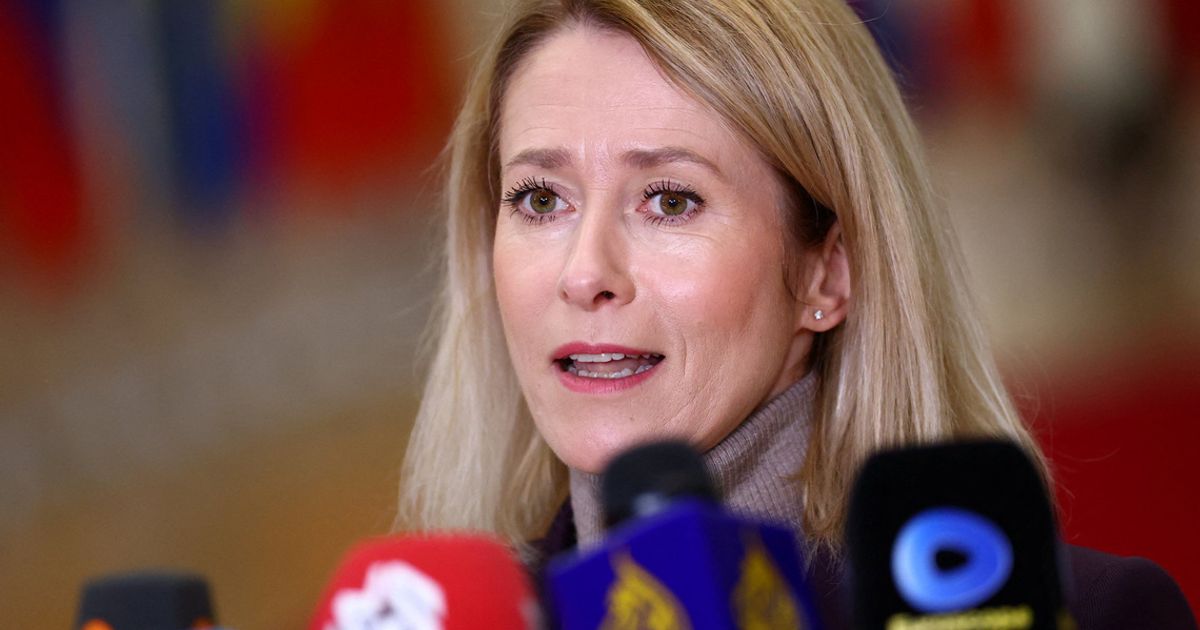
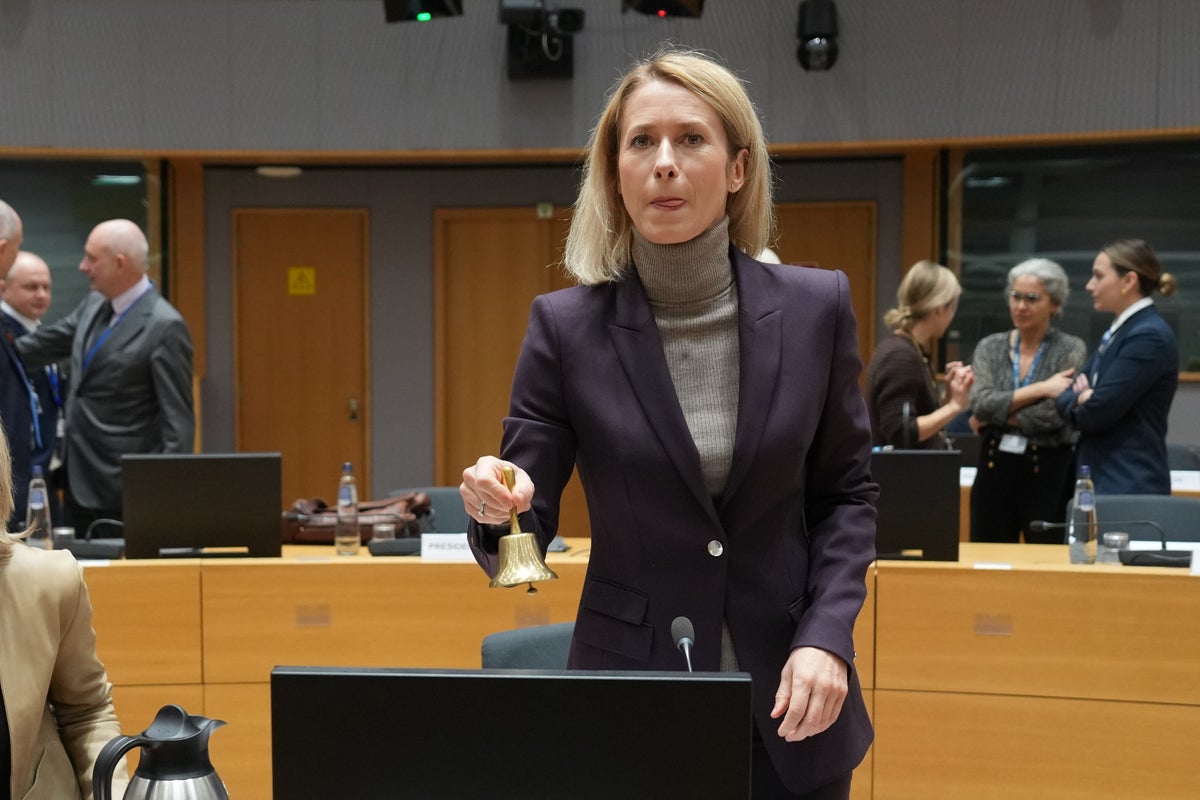
What we need to see is a ceasefire,” EU foreign policy chief Kaja Kallas said before chairing the meeting.
asserted
Kallas → need → meeting
“We don’t see it at the moment.
asserted
We → see → moment
We see that Russia is really escalating.”
asserted
Russia → see → ?
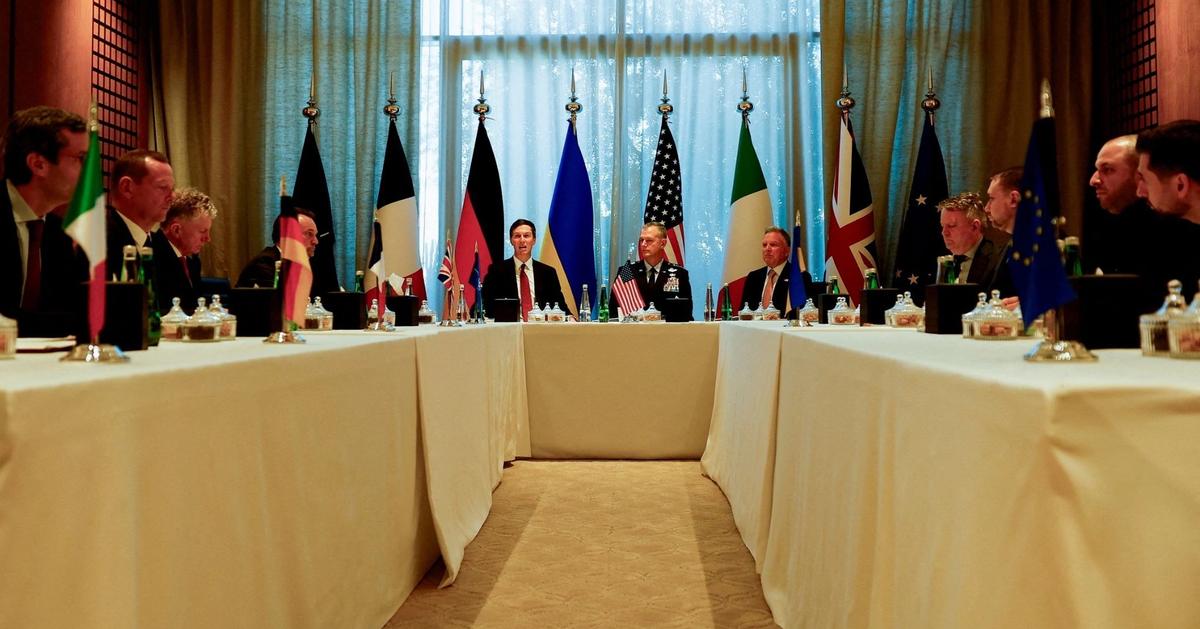
After negotiations in Abu Dhabi last week, the United States encouraged Ukraine and its backers to agree to a Russian demand for a new security framework for Europe, suggesting that it might help bring peace.
uncertain
it → encourage → peace
But the Europeans see that as a Russian attempt to weaken NATO by obliging the military alliance to pull troops and equipment back westward, similar to the way they were deployed before the Czech Republic, Hungary and Poland joined in 1999.
asserted
Republic → see → 1999
Russia again accused of delaying tactics
That demand is “really absurd,” Kallas said.
asserted
Kallas → accuse → tactics
“If we look at the history, none of these countries has ever attacked Russia.”
asserted
none → look → Russia
She said Russia’s tactic is always to demand more even though “they started the war.
asserted
they → say → war
Irish Foreign Minister Helen McEntee, whose country currently holds the EU’s rotating presidency, said that despite the talks, “Russia has clearly not changed its position.
asserted
Russia → hold → position
It is continuing its attacks on civilians and civilian infrastructure.”
asserted
It → continue → civilians
McEntee said the EU will agree on more sanctions later Monday “trying to in particular attack the financial mechanism by which Russia is waging this war.”
asserted
Russia → say → war
The ministers will also look at ways to help Ukraine endure the coming winter.
asserted
Ukraine → look → winter
German Foreign Minister Johann Wadephul said: “Europe has a security architecture – we don’t need a new one, we just need respect from everyone for the existing security architecture.”
asserted
we → say → architecture
He said that is "the foundation for any conceivable agreement, from the European point of view.”
asserted
that → say → view
Lithuanian Foreign Minister Kęstutis Budrys also insisted that Europe does not need another security framework, saying that Russia cannot be trusted and has already broken past agreements anyway.
asserted
Russia → insist → agreements
“It’s very clear that we don’t need another one.
asserted
we → ’ → one
We already have one.
asserted
We → have → one
,” he told reporters.
asserted
he → tell → reporters
“It’s not about the rules.
asserted
It → ’ → rules
Rules are working.
asserted
Rules → work → ?
The problem is that Russia is breaking them.”
asserted
Russia → break → them
Little progress in US-led talks
U.S. negotiators Jared Kushner and Steve Witkoff have positioned themselves as mediators and have been talking to Russia and Ukraine for just over a year.
asserted
negotiators → lead → year
In that time, no lasting ceasefire has been agreed, and little obvious progress has been made toward peace.
asserted
progress → last → peace
Major differences remain over the control of territory and future security arrangements.
asserted
differences → remain → territory
European leaders and officials, including Kallas, have expressed skepticism about the talks.
asserted
leaders → include → talks
The only tangible progress has been exchanges of prisoners, which are often used by warring parties as a trust-building measure during peace talks.
asserted
which → use → talks
At a summit in Dublin last week, EU leaders agreed that Europe should be represented in future talks by a team of security advisers from France, Germany, the U.K., Italy and Poland as well as senior officials from the EU’s main institutions.
asserted
Europe → agree → institutions
The Europeans concede that as Ukraine’s biggest backers they cannot also act as mediators.
asserted
they → concede → mediators
Their role will focus on security arrangements, reconstruction and Ukraine’s future.
asserted
role → focus → arrangements
Only Ukraine itself can decide on matters involving its sovereignty, they said.
asserted
they → decide → sovereignty
Associated Press writer Geir Moulson in Berlin contributed to this report.
asserted
Moulson → contribute → report
 The Aporia