US President Donald Trump is heading to Asia after a setback for Republicans in the midterm elections, following a pattern adopted by several of his predecessors.
asserted
Trump → head → predecessors
From Ronald Reagan and Bill Clinton to George W Bush and Barack Obama, US presidents have used overseas trips after electoral setbacks to shift attention to foreign policy and project their authority on the global stage.
asserted
presidents → use → stage
Trump’s trip will take him to the Philippines and China for the ASEAN and APEC summits.
asserted
trip → take → summits
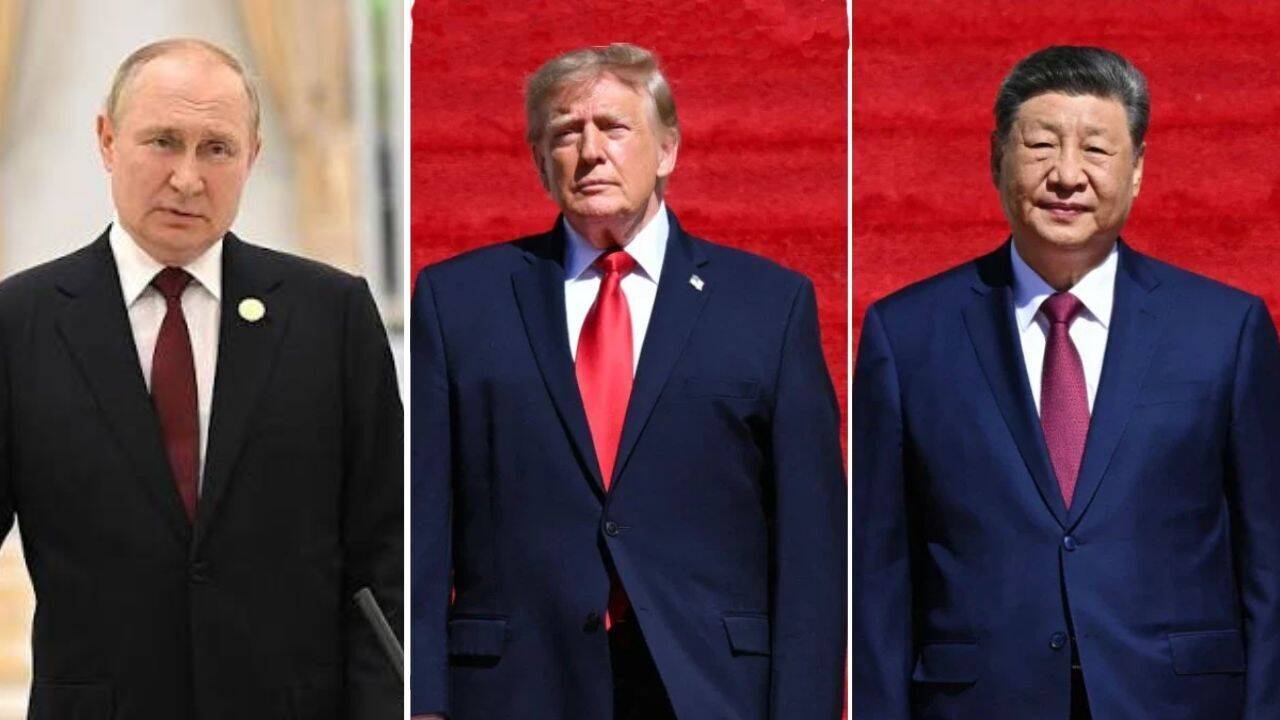
The agenda includes meetings with regional leaders, trade agreements and an unprecedented trilateral meeting with Chinese President Xi Jinping and Russian President Vladimir Putin to discuss nuclear weapons.
asserted
agenda → include → weapons
The visit comes as Democrats prepare to take control of Congress and questions grow over how much political room Trump will have at home.
asserted
Trump → come → home
The practice of taking foreign trips after domestic political setbacks is not new.
asserted
practice → take → setbacks
It dates back to 1982, when Reagan travelled to Latin America after Republicans suffered losses in the midterm elections.
asserted
Republicans → date → elections
Since then, several presidents have followed a similar approach, using international engagements to reinforce the office of the presidency even as their political position at home comes under pressure.
asserted
position → follow → pressure
A foreign policy stage after setbacks at home
The strategy is aimed at shifting the focus from domestic political troubles to the president’s role in international affairs.
asserted
strategy → aim → affairs
Foreign visits offer opportunities for high-profile meetings, public appearances and announcements that underline the president's position as the country's representative abroad.
asserted
that → offer → representative
“Foreign policy and presidential trips are something only the president can do.
asserted
president → do → ?
There’s a focus on it,” CNN quoted Edgard Kagan, a former US ambassador to Malaysia and senior adviser at the Center for Strategic and International Studies, as saying.
asserted
CNN → ’ → Studies
“This is a way in which you start changing the narrative, and remind people that, you know, the president is still the president.”
asserted
president → start → people
Kagan said such trips also remind foreign governments that the president remains central to US foreign policy.
asserted
president → say → policy
For Trump, the Asia visit offers an opportunity to announce commercial deals and reinforce US engagement in a region where Washington has long sought to maintain its influence.
asserted
Washington → offer → influence
The trip also comes against the backdrop of the Iran war and the ongoing conflict in Ukraine, both of which continue to shape his foreign policy agenda.
asserted
both → come → agenda
From Reagan to Obama: The pattern takes shape
The approach is traced back to Reagan's 1982 trip to Latin America.
asserted
approach → take → America
At the time, the US was dealing with a recession and unemployment of 11%, while Democrats had gained 26 seats in the House of Representatives in the midterm elections.
asserted
Democrats → deal → elections
Reagan's five-day visit was organised by his adviser Michael Deaver, who is credited with developing the idea of using an overseas tour to change the political narrative after an election setback.
asserted
who → organise → setback
Bill Clinton followed the pattern in November 1994, travelling to the Philippines after Republicans won control of both chambers of Congress.
asserted
Republicans → follow → Congress
In 2006, George W Bush visited Vietnam and other countries in Asia within weeks of Republicans losing control of the House and Senate.
asserted
Republicans → visit → House
Barack Obama also travelled to Asia after the Democrats suffered midterm losses in 2010 and 2014.
asserted
Democrats → travel → 2010
In 2010, Democrats lost control of the House, a setback Obama described as a “shellacking”.
asserted
Obama → lose → shellacking
Trump himself made a visit to France in 2017 after Republicans lost their majority in the House.
asserted
Republicans → make → House
Biden's 2024 trip came after election defeat
Joe Biden's six-day visit to Peru and Brazil in November 2024 came days after Donald Trump defeated Kamala Harris in the presidential election.
asserted
Trump → come → election
The trip included the APEC summit in Peru and the G20 summit in Brazil, as well as meetings with several world leaders, including Xi Jinping.
asserted
trip → include → Jinping
It was among Biden's final major international engagements before leaving office in January 2025.
asserted
It → leave → January
While Biden's trip followed a presidential election defeat rather than a midterm loss, it also placed him on the international stage at a time when the incoming administration's policies were already drawing attention from foreign governments.
asserted
policies → follow → governments
Why Trump's trip carries added significance
asserted
trip → carry → significance
Trump's visit comes at a time when his domestic political position is facing fresh scrutiny.
asserted
position → come → scrutiny
Republicans lost both chambers of Congress in the midterms, while Democrats are preparing to use their incoming majority to investigate the administration.
asserted
Democrats → lose → administration
The trip also comes amid controversy surrounding Nvidia and its chief executive Jensen Huang, following reports of an alleged link to a Chinese government agent.
asserted
trip → come → agent
US officials have said Trump does not intend to raise the matter with Xi during their meeting.
asserted
Trump → say → meeting
While Putin had proposed the meeting as a forum to discuss the Ukraine war, Trump's aides have said Ukraine will not be on the agenda.
asserted
Ukraine → propose → agenda
Instead, the US president wants to open discussions on nuclear weapons.
asserted
president → want → weapons
The US and Russia each have an estimated 5,000 nuclear warheads, while China's arsenal has grown to more than 600.
asserted
arsenal → have → 600
The last nuclear arms treaty between Washington and Moscow expired in February.
asserted
treaty → expire → February

 The Aporia