Photo via Toronto Star

Study estimates magnitude of US data center pollution as climate talks unveil clean AI pledge

Read the original at Toronto Star ↗
Cite

Mcdermott, J., & Borenstein, S. (2026, November 16). Study estimates magnitude of US data center pollution as climate talks unveil clean AI pledge. Toronto Star. https://www.thestar.com/news/world/study-estimates-magnitude-of-us-data-center-pollution-as-climate-talks-unveil-clean-ai-pledge/article_a0615ad6-be31-5a7d-b83d-d6cd7de72751.html

Dated from the outlet's own feed. Check the original for its byline.

Toronto Star · collected 2026-11-16 · by Jennifer Mcdermott, Seth Borenstein

Quick Summary

A Harvard University study published in Nature Sustainability estimates that the 400 largest data centers in the United States emitted approximately 28.3 million tons of carbon dioxide in one year, surpassing Denmark's annual emissions and reflecting significant pollution from fossil fuels. This research coincides with the launch of a voluntary pledge at the UN COP31 climate talks in Turkey, encouraging companies and countries to power data centers with clean energy and disclose their environmental impact. The pledge also aims to harness AI for addressing climate change, amid concerns over AI's growing environmental footprint and its role in escalating electricity consumption.
Written by AI on 2026-11-17, from this article's own text only (the story summary below draws on all the coverage).
See how they differ ↓

AI analysis

Story summary

A new study published in Nature Sustainability and reported by The Guardian and CBC finds that the largest "hyperscaler" datacenters in the US emitted about 25.7 million metric tons of carbon dioxide in a year, equivalent to Denmark's total annual emissions. This period spans from May 2024 to April 2025, and the study analyzed 403 datacenters. The study indicates that these datacenters account for about 1.8% of total US electricity consumption, primarily driven by fossil fuels. The rapid expansion of datacenters has only increased since the study period, raising significant environmental concerns, particularly as the growth of artificial intelligence accelerates.

Written for “US Datacenters Emit More Than Denmark” on 2026-11-17, grounded in this article and the 2 other(s) covering the same event.
Why this leaning score
The article's own words the score was based on. Each is quoted verbatim and was checked against the article text before being stored, so you can find it in the original.
Reading Leans strongly left (beta estimate) Confidence high
Leaning: leans strongly left for article 157873 (high confidence, 2 verified quotes) · logged 2026-11-17

How they differ

3 outlets covered “US Datacenters Emit More Than Denmark”.

What each outlet says

One AI summary per outlet of its latest article on this story, written from that article alone and checked against it. Open the article for the outlet's own words.

Toronto StarThis outlet16 Nov

A Harvard University study published in Nature Sustainability estimates that the 400 largest data centers in the United States emitted approximately 28.3 million tons of carbon dioxide in one year, surpassing Denmark's annual emissions and reflecting significant pollution from fossil fuels. This research coincides with the launch of a voluntary pledge at the UN COP31 climate talks in Turkey, encouraging companies…

Study estimates magnitude of US data center pollution as climate talks unveil clean AI pledge (this article)
The Guardian16 Nov

A new study published in Nature Sustainability reports that the construction of large datacenters in the US, primarily for handling AI growth, has emitted approximately 25.7 million metric tons of carbon dioxide, equivalent to Denmark’s annual emissions. Conducted until April 2025, the research analyzed 403 “hyperscaler” datacenters, which consumed between 68 to 99 terawatt-hours of electricity, with over half…

Surge of US datacenters adds equivalent of Denmark’s annual emissions, study finds →
CBC16 Nov

A Harvard University study reveals that the 400 largest data centers in the U.S. emitted approximately 28.3 million tons of carbon dioxide in a year, more than Denmark's annual emissions. The study highlights that over half of these data centers' electricity usage comes from fossil fuels, contributing significantly to global warming. This report coincides with discussions at COP31, where a pledge was launched to…

Data centres in the U.S. put out more carbon emissions in a year than Denmark, says Harvard study →

Compared with similar articles

This article reads leans strongly left and hedges 22% of its claims. Each row says how that neighbour differs.
The Guardian
Leans left further right than this Hedges 6 of 26 claims Outlet record 64/100

Story

US Datacenters Emit More Than Denmark
Environment · 3 article(s) covering the same event. See how they differ ↑
How this article was measured signals, leaning charts, publisher record, byline, topics and claims

Signals How these are calculated →

Claims extracted
37
sentences that state something as happening or true
Uncertain
22%
8 of 37 hedged ("reportedly", "may", "according to")
Leaning
Leans strongly left
of the writing, not the subject · beta estimate
Publisher signals
64/100
Toronto Star's corrections and hedging, across everything collected from it. Not a measure of accuracy.
Outlets on this story
3
Environment
Same framing elsewhere
1
articles that frame the event the way this one does
Analyzed 2026-11-17 · how these are computed

How this is being covered How these are calculated →

Article leaning vs. publisher reliability
Source leaning vs. consistency

Publisher

Toronto Star · 15209 article(s) · 30 correction(s) detected
Running correction rate · 30 correction(s)
2026-11-17
Correction
2026-10-26
Correction
2026-10-24
Correction
2026-10-07
Correction
2026-09-24
Correction

Who wrote this

Jennifer Mcdermott
9 article(s) here · 1 carrying a prediction
Study quantifies how much big data centers pollute Harvard researchers looked at 403 of the largest U.S. data centers between May 2024 and April 2025 using available data and modeling to analyze their electricity use and emissions.
The Senate on Monday is set to take up bipartisan legislation aimed at speeding up permitting reviews for data centers and other infrastructure projects, in the first major action since last week’s election that soundly repudiated President Donald Trump and congressional Republicans.
Last year, a federal judge said the Trump administration could reconsider the permit granted to the Massachusetts project SouthCoast Wind days before the president’s inauguration to a second term.
Households in the contiguous United States will pay thousands of dollars more for energy through 2040 because of federal policy changes since President Donald Trump returned to office, according to modeling released Friday by a nonpartisan think tank.
The super El Nino may cause torrential rains, droughts and forest fires in different parts of the globe.”
Trump and Xi are expected to discuss artificial intelligence as they meet this week.
That’s because of the fear that the data center boom will mean a surge in coal, oil and gas use, which emits heat-trapping gases, even though data centers can be powered with zero-emission fuels.
“If and when the program does get up and running, there will be thousands and thousands of union jobs created across the United States,” he said Friday.
When the U.S. and Israel launched the war in February, some backers of renewables opined it could drive a green transition as oil and gas prices spiked.
Also by Jennifer Mcdermott
Nothing else under this byline is closely related to this article, so these are simply their most recent.
All 9 articles by Jennifer Mcdermott →
Seth Borenstein
14 article(s) here · 1 carrying a prediction
Study quantifies how much big data centers pollute Harvard researchers looked at 403 of the largest U.S. data centers between May 2024 and April 2025 using available data and modeling to analyze their electricity use and emissions.
A goal introduced this year would increase the share of electricity in total global energy consumption from roughly 21% to 35% by 2035, preferably from renewable energy such as solar and wind.
The world has failed to slow or stop global warming trends in the past five years because plans weren’t realized and efforts that would have helped were canceled out, a report said Thursday.
Countries that want to wean themselves from the fossil fuels that cause climate change will get a road map aimed at guiding them on an economy-transforming journey toward renewable energies at the U.N. climate talks Tuesday.
If the overall carbon dioxide emission drop were due solely to a rise in renewables and a systemic drop in fossil fuel use, oil emissions “would slowly come up to a peak and then slowly decline afterward, whereas what we see this year is oil emissions are going up and then suddenly BANG, down 2%,” Peters said.
So we looked at all of the natural variables we thought could account for it, namely temperature, oxygen supply and food.
Log in El Niño is set to shape the season ahead with the federal government's official winter outlook and other meteorologists' forecasts pointing to a wetter and warmer few months for the United States, though not necessarily snowier.
“El Niño and climate change both made this hurricane stronger than it would have otherwise been, but the effect of climate change is even bigger than the one of El Niño,” said climate scientist and study co-author Friederike Otto, who coordinates the international science team behind World Weather Attribution.
“Since September 20th, when Odalys formed, it’s been berserk,” said Colorado State University researcher Phil Klotzbach, who forecasts and studies storm activity.
Also by Seth Borenstein
Nothing else under this byline is closely related to this article, so these are simply their most recent.
All 14 articles by Seth Borenstein →

Topics

Denmark Harvard U.S. United Nations the United States

Subjects

Harvard ORG · 2× Turkey GPE · 2× U.S. GPE · 2× United Nations ORG · 2× Antalya GPE · 1× Climate Action Against Disinformation ORG · 1× Denmark GPE · 1× Harvard University ORG · 1× Simon Stiell PERSON · 1× the United States GPE · 1×

Narrative

In an Associated Press interview, Gore quoted a study by prominent British economist and climate advocate Nicholas Stern who predicted by 2030 “we will see 6 to 9% reduction in emissions of greenhouse gases because of the use of advanced AI in finding new ways to be far more efficient in the use of materials and energy.”
framing: mixed · carried by 1 article(s) · first seen 2026-11-17
Study quantifies how much big data centers pollute Harvard researchers looked at 403 of the largest U.S. data centers between May 2024 and April 2025 using available data and modeling to analyze their electricity use and emissions.

Claims (37 extracted, 8 hedged)

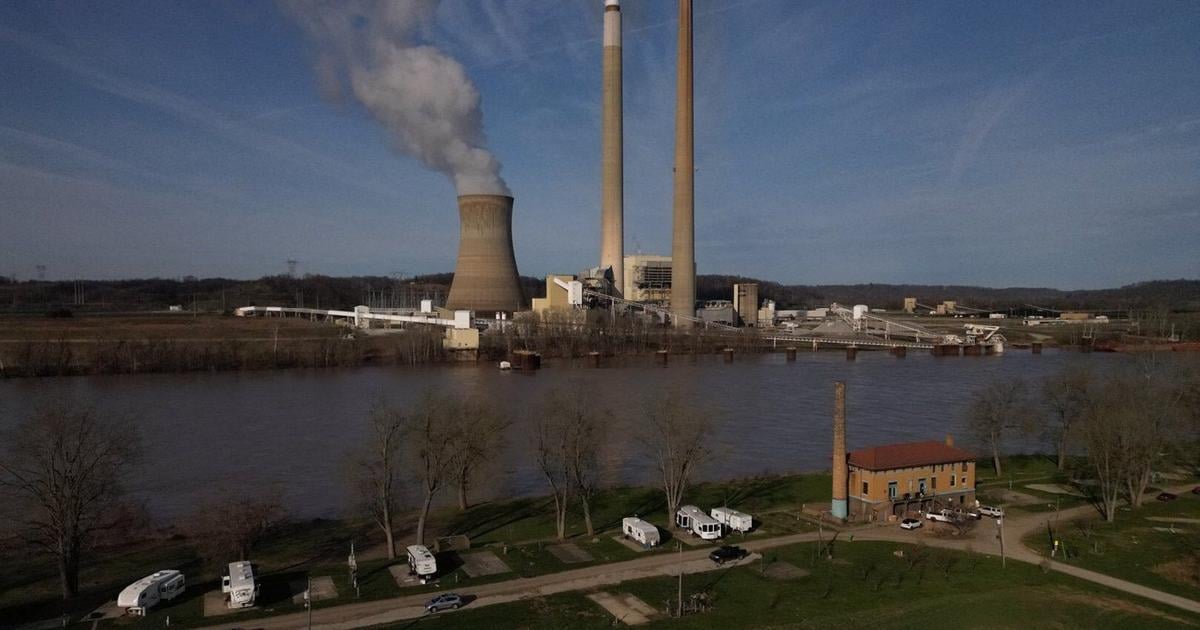
The 400 largest data centers in the United States put more heat-trapping gas in the air in one year than the entire nation of Denmark did, and that was before the artificial intelligence boom really got going, according to a Harvard University study published Monday. uncertain
boom → put → study
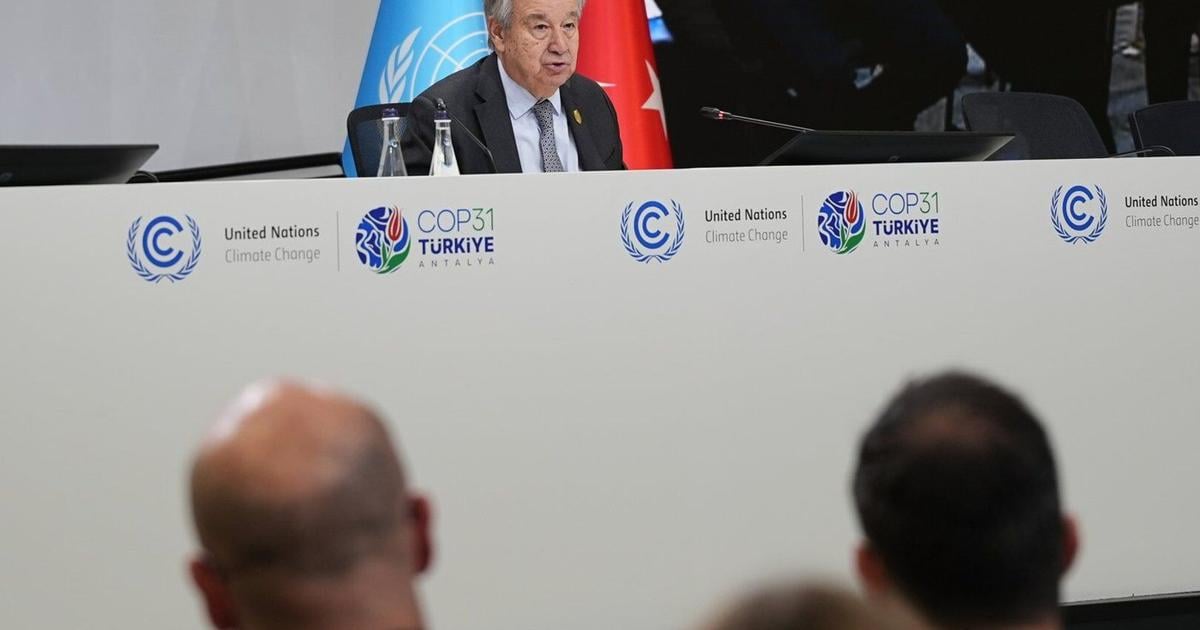
Meanwhile, negotiators at the United Nations COP31 climate talks in Antalya, Turkey, launched a voluntary pledge Monday for companies and countries to power the world’s data centers with clean energy and be more open about their power and water consumption and emissions. asserted
companies → launch → consumption
“We cannot ask people to accept higher bills, more planet heating pollution and deeper inequality today in exchange for promises of a better tomorrow,” United Nations climate chief Simon Stiell said Monday during the launch of the pledge. asserted
Stiell → ask → pledge
“Claims about future emissions savings cannot excuse rising pollution now, making climate disasters even worse.” uncertain
disasters → excuse → pollution
The pledge also calls for focusing the power of artificial intelligence on solving the so-far intractable problem of climate change and reflects burgeoning concerns about AI’s ever-expanding environmental footprint. asserted
pledge → call → footprint
The political backlash has played out in U.S. elections and major local objections for new sites. asserted
backlash → play → sites
The explosion of new and planned data centers also has prompted a push for new sources of power generation that has the biggest tech companies failing to reach their climate goals, with their electricity consumption rising 240% between 2022 and 2025, according to a new report by the advocacy group Climate Action Against Disinformation. uncertain
consumption → plan → Disinformation
Study quantifies how much big data centers pollute Harvard researchers looked at 403 of the largest U.S. data centers between May 2024 and April 2025 using available data and modeling to analyze their electricity use and emissions. uncertain
researchers → quantify → use
They estimated electricity use by the centers produced around 28.3 million tons (25.7 million metric tons) of carbon dioxide, according to a study in Monday’s Nature Sustainability. uncertain
use → estimate → Sustainability
More than half their 82 terawatt hours of electricity use — enough to power nearly 7 million homes for a year — came from fossil fuels, which are the primary cause of global warming, the researchers found. asserted
researchers → power → warming
The emissions estimate is two to three times what previous studies had shown, said study senior author Francesca Dominici, a Harvard biostatistics professor. asserted
Dominici → show → what
“It is the equivalent to the CO2 emission of an entire state like Michigan or a small European country,” Dominici said, adding that plans for 2,000 more data centers make that quantity more worrisome for the future. asserted
quantity → say → future
“We are going backwards toward the goal of controlling CO2 emissions.” asserted
We → go → emissions
Several outside experts in climate, energy and artificial intelligence said Monday’s study made sense and reached realistic conclusions, finding the use of modeling reasonable because companies aren’t open about power consumption and pollution. asserted
companies → say → consumption
“We cannot manage environmental impacts effectively without reliable measurements and disclosure,” said Fengqi You, a Cornell University energy systems scientist who wasn’t part of the study. asserted
who → manage → study
“Ultimately, the environmental footprint of AI is not fixed. asserted
footprint → fix → AI
It depends on where we build data centers, how efficiently they operate, and how we supply their electricity.” asserted
we → depend → electricity
A voluntary pledge proposed at climate talks The “Antalya Artificial Intelligence Pledge,” launched by U.N. climate talks host Turkey and the International Telecommunication Union, says data centers should use clean power and efficient energy and water systems. asserted
centers → propose → power
The pledge also calls for AI systems to be designed and managed responsibly, using environmental standards and reusing or recycling infrastructure and hardware. asserted
systems → call → infrastructure
It says the environmental impacts of data centers should be assessed and shared and signatories should support using artificial intelligence as a climate solution. asserted
signatories → say → solution
COP31 President Murat Kurum has said world leaders at the talks must openly discuss AI’s growing energy consumption and start setting the terms. asserted
leaders → say → terms
AI produces pollution but also offers hope One of the biggest climate fighters, former U.S. Vice President Al Gore, said while it is essential that data centers are powered by carbon-free energy, he is less concerned about the emissions from AI than others. asserted
he → produce → others
And he is hopeful that its computing power can find novel ways of fighting climate change. asserted
power → compute → change
In an Associated Press interview, Gore quoted a study by prominent British economist and climate advocate Nicholas Stern who predicted by 2030 “we will see 6 to 9% reduction in emissions of greenhouse gases because of the use of advanced AI in finding new ways to be far more efficient in the use of materials and energy.” asserted
we → quote → materials
Caleb Max, president of the National Artificial Intelligence Association said, “AI will solve not only the energy usage issues that data centers face, but unlock numerous currently unknown advances in science and technology that will address climate change and make lives better for humanity. asserted
lives → say → humanity
I respect the concerns about energy and water consumption from data centers, but the fears may be overblown.” uncertain
fears → respect → centers
“We have hope in one hand and then harms in the other,” Newell said. asserted
Newell → have → other
“They’re selling us hope while hiding the harms from us.” asserted
They → sell → us
Capturing heat from data centers The computing equipment in data centers generates a lot of waste heat that is vented into the atmosphere. asserted
that → capture → atmosphere
One approach to reducing data centers’ environmental impact is to capture heat that can be used for nearby homes and businesses. asserted
that → reduce → homes
The Danish engineering and manufacturing company Danfoss said waste heat is “the world’s largest untapped energy source,” and reusing it can replace natural gas as a heat source. asserted
reusing → say → source
It identified data centers as a significant source of constant heat, particularly as their power consumption grows. asserted
consumption → identify → heat
The International Energy Agency estimates data centers could provide enough heat for around 10% of European homes by 2030, if that heat was fully integrated into district systems that supply heat and hot water to residents. uncertain
that → estimate → residents
In remarks broadcast during COP31, European Commissioner for Energy and Housing Dan Jørgensen said Europe must replace imported fossil fuels by capturing heat that is going to waste and tapping into geothermal. asserted
that → broadcast → geothermal
In another example of this approach, industrial development firm BaRupOn is building an advanced manufacturing campus in Texas that plans to use recaptured heat to generate additional electricity on site, CEO Balaji Tammabattula said. asserted
Tammabattula → build → site
In North Dakota, the company is planning a data center that could feed heat to the community. uncertain
that → plan → community
University of Colorado Boulder Professor Gregor Henze said it’s a perfect marriage because modern data centers that rely on liquid rather than air cooling are a fairly constant source of heat at the right temperature for thermal energy networks. asserted
that → say → networks
Give feedback · no sign-in needed

No sign-in needed for now. Your note is sent without a name, so it cannot be answered.

History Support