Photo via Al Jazeera

Photos: California residents gather to watch massive El Nino-fuelled waves

Read the original at Al Jazeera ↗
Cite

Osgood;, B. (2026, November 16). Photos: California residents gather to watch massive El Nino-fuelled waves. Al Jazeera. https://www.aljazeera.com/gallery/2026/11/16/photos-california-residents-gather-to-watch-massive-el-nino-fuelled-waves?traffic_source=rss

Dated from the outlet's own feed. Check the original for its byline.

Al Jazeera · collected 2026-11-16 · by Brian Osgood;

Quick Summary

California residents are gathering at coastal towns to watch massive waves caused by a strong El Nino climate pattern. The National Weather Service has issued a high surf advisory, warning of waves up to 35 feet and advising people to stay away from the water and rocky areas due to dangerous "sneaker waves." Notably, big-wave surfers have traveled to Mavericks Beach in Half Moon Bay, where waves have reached 60 feet. The Berkeley Seismology Lab reported that the offshore waves were powerful enough to cause minor seismic activity in California.
Written by AI on 2026-11-17, from this article's own text only (the story summary below draws on all the coverage).

AI analysis

Story summary

Residents in coastal California towns have gathered to watch massive waves caused by a potentially historic El Nino climate pattern. The National Weather Service (NWS) warned on Monday of expected rain and snowfall from a Pacific storm hitting the western US this week, with high surf advisories issued for all Pacific Coast beaches. Waves are forecast to reach as high as 10.7 meters (35 feet). The NWS cautioned against entering the water, standing on rocks or jetties, and turning one's back on the ocean due to the risk of "sneaker waves," which can unexpectedly surge with deadly force. Despite warnings, big-wave enthusiasts have congregated at popular spots like Mavericks Beach in Half Moon Bay, where waves can reach up to the height of a five-story building.

Written for “El Nino Fuelled Waves in California” on 2026-11-17, grounded in this article and the 0 other(s) covering the same event.
Why this leaning score
This article does not take a side on a contested political question, so it has no leaning score. That is an answer rather than a gap: a match report or a rescue can be warmly or critically written without being left or right, and scoring it anyway is how approval of a subject gets recorded as a political position.
No political leaning scored for article 158558 · logged 2026-11-17

Compared with similar articles

This article reads unscored and hedges 0% of its claims. Each row says how that neighbour differs.
NBC News
Hedges 0 of 3 claims Outlet record 78/100
“The articles describe different stages of the same weather system, not the same specific incident.”
ABC News (US)
Hedges 2 of 10 claims Outlet record 67/100
“The articles describe related weather events but refer to different specific occurrences over different dates.”
The Independent
Hedges 3 of 26 claims Outlet record 59/100
“While both articles discuss the El Niño event, Article A focuses on the official declaration and broader impacts, whereas Article B describes a specific gathering of residents to watch the waves caused by El Niño in California.”
The Guardian
Hedges 0 of 12 claims Outlet record 64/100
“While both articles describe surfers and spectators gathering to watch large waves due to El Niño, ARTICLE A focuses on residents watching waves along the coast, while ARTICLE B focuses specifically on big wave surfers at Mavericks Beach.”
New York Post
Hedges 5 of 18 claims Outlet record 66/100
“The articles describe different phases of a broader weather event: the first article focuses on the impending storms and their potential impacts, while the second article covers the aftermath and effects of heavy surf and waves caused by the same broader weather pattern.”

Story

El Nino Fuelled Waves in California
Environment · 1 article(s) covering the same event.
How this article was measured signals, leaning charts, publisher record, byline, topics and claims

Signals How these are calculated →

Claims extracted
18
sentences that state something as happening or true
Uncertain
0%
0 of 18 hedged ("reportedly", "may", "according to")
Leaning
not political
takes no side on a contested political question
Publisher signals
60/100
Al Jazeera's corrections and hedging, across everything collected from it. Not a measure of accuracy.
Outlets on this story
1
Environment
Same framing elsewhere
1
articles that frame the event the way this one does
Analyzed 2026-11-17 · how these are computed

How this is being covered How these are calculated →

Article leaning vs. publisher reliability
Source leaning vs. consistency

Publisher

Al Jazeera · 5886 article(s) · 4 correction(s) detected
Running correction rate · 4 correction(s)

Who wrote this

Brian Osgood;
1 article(s) here · 1 carrying a prediction
The National Weather Service (NWS) said on Monday that a Pacific storm is expected to bring further rain and snowfall to the western US this week.
The only article under this byline in the corpus.

Topics

California El Nino NWS The National Weather Service the United States

Subjects

California GPE · 7× NWS ORG · 2× Daniel Swain PERSON · 1× The National Weather Service ORG · 1× the Berkeley Seismology Lab ORG · 1× the United States GPE · 1×

Narrative

“Stay out of the water, stay off rocks and jetties, and never turn your back on the ocean,” the NWS added, citing the risk of “sneaker waves” — powerful surges of water that can reach higher than expected on a beach, only to pull back into the ocean with potentially deadly force.
framing: assertive · carried by 1 article(s) · first seen 2026-11-17
The National Weather Service (NWS) said on Monday that a Pacific storm is expected to bring further rain and snowfall to the western US this week.

Claims (18 extracted, 0 hedged)

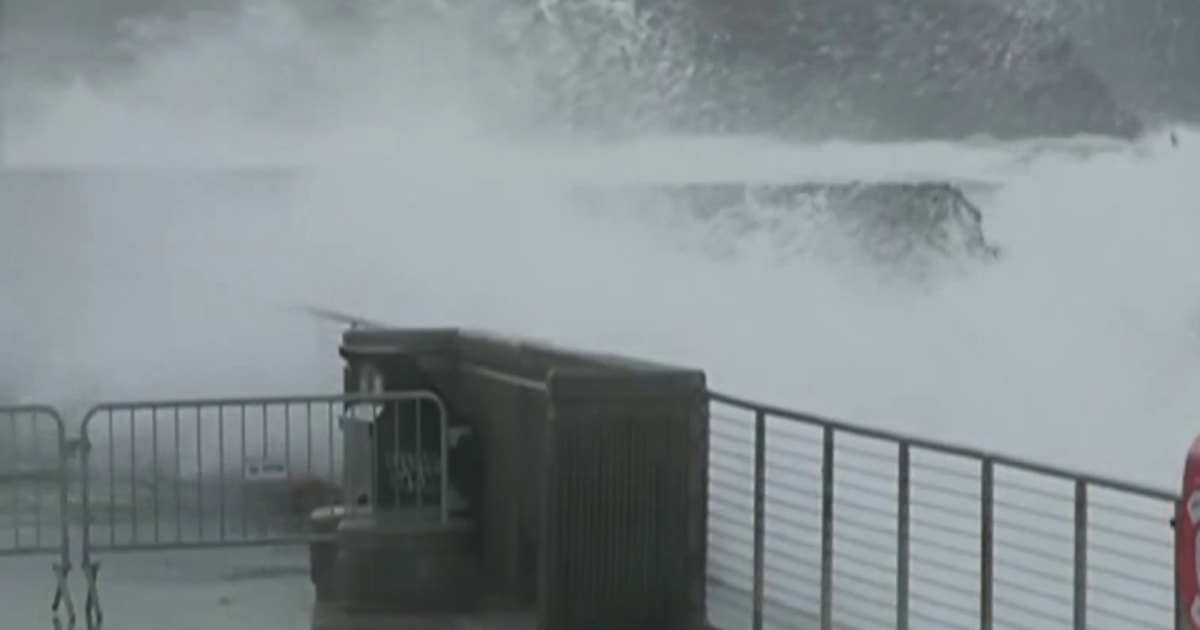
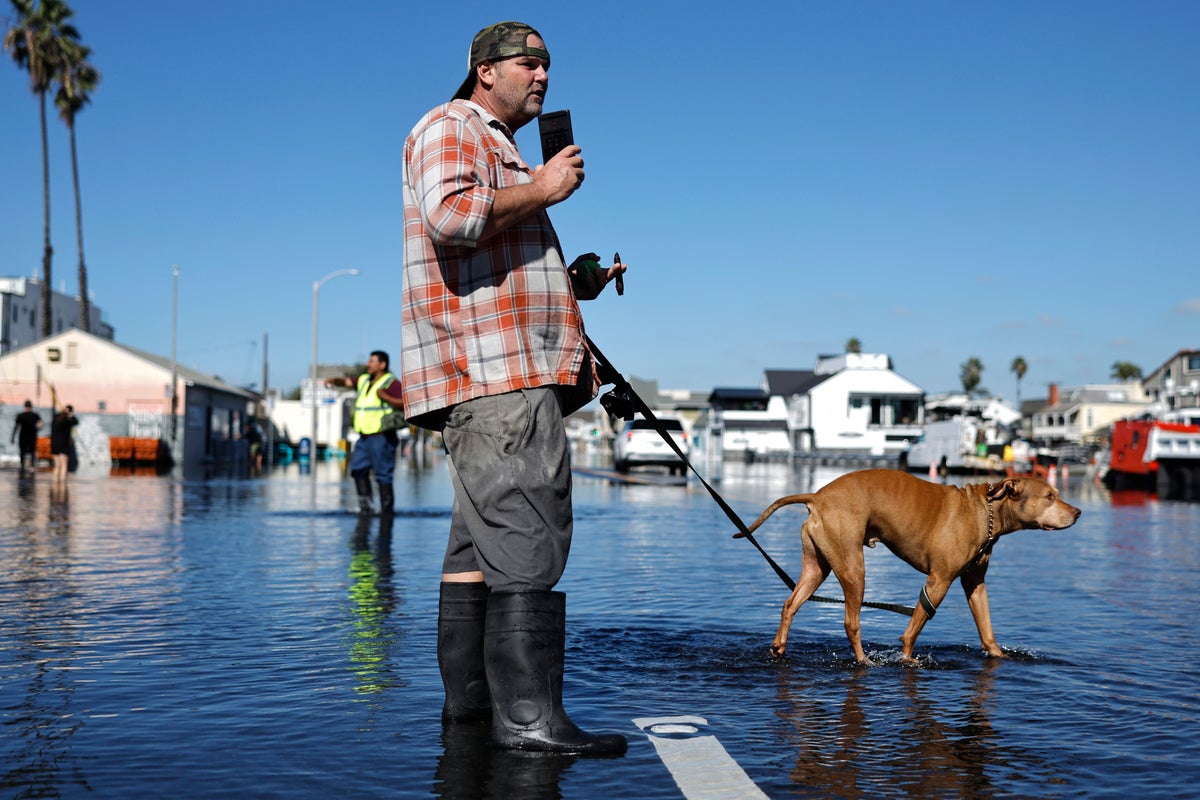
Residents have flocked to the waterfront in coastal towns across California to watch giant waves brought on by a potentially historic El Nino climate pattern. asserted
Residents → flock → pattern
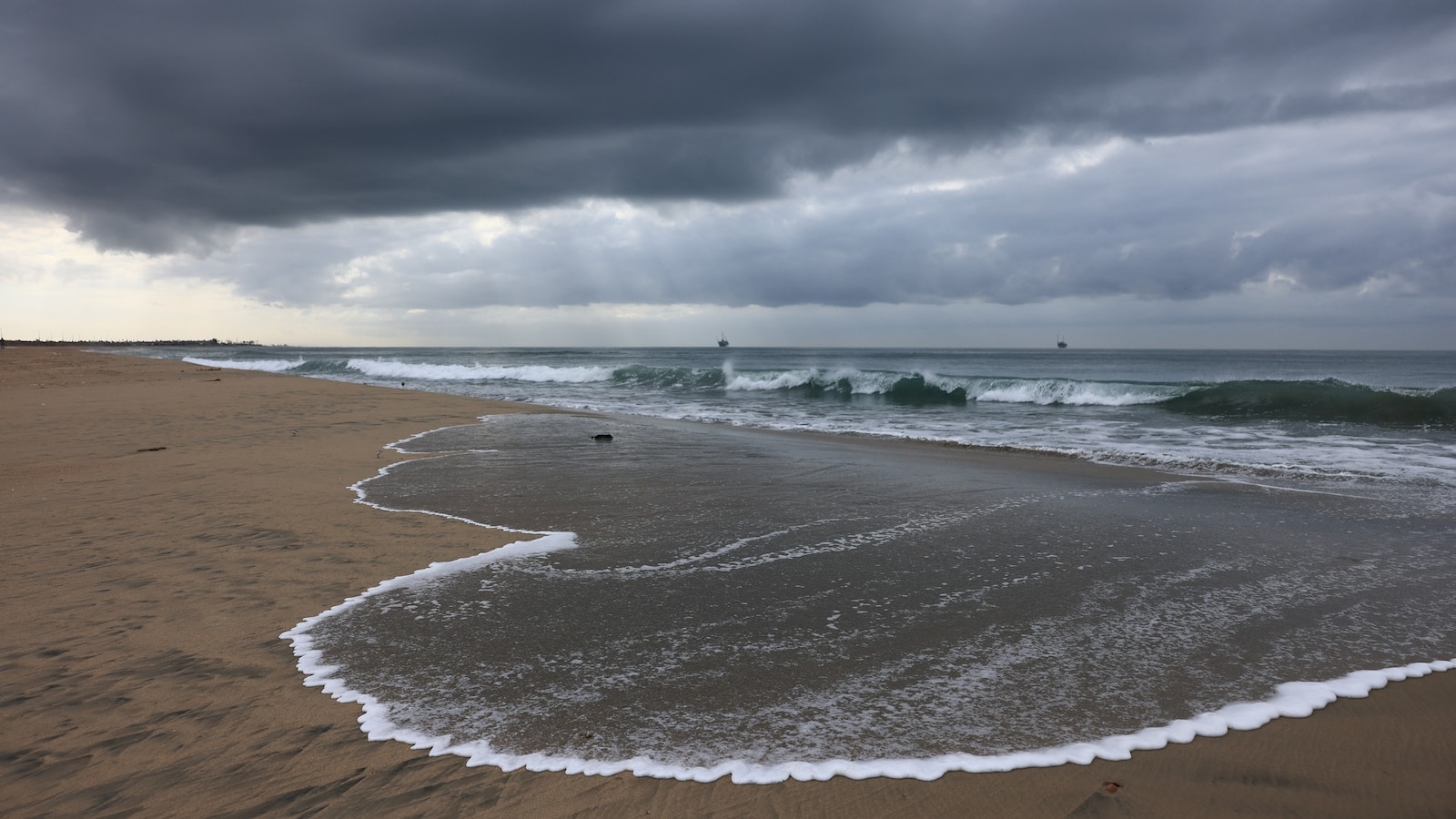
For days, heavy surf has pounded the West Coast of the United States, slamming into piers and inundating coastal areas. asserted
surf → pound → areas
The National Weather Service (NWS) said on Monday that a Pacific storm is expected to bring further rain and snowfall to the western US this week. asserted
storm → say → US
A day earlier, the weather service issued a high surf advisory for all beaches along the Pacific Coast, forecasting waves to break as high as 10.7 metres, or 35 feet. asserted
waves → issue → metres
“Stay out of the water, stay off rocks and jetties, and never turn your back on the ocean,” the NWS added, citing the risk of “sneaker waves” — powerful surges of water that can reach higher than expected on a beach, only to pull back into the ocean with potentially deadly force. asserted
that → stay → force
Despite the warnings, big-wave watchers gathered at famed lookout points like Mavericks Beach in northern California’s Half Moon Bay. asserted
watchers → gather → Bay
Mavericks is considered one of the premier big-wave surfing spots in North America, with water cresting as high as a five-storey building. asserted
water → consider → building
Surfers from across the world have descended on the beach in recent days to catch swells reaching approximately 18 metres, or 60 feet. asserted
Surfers → descend → metres
Some of the offshore waves have been so strong that they were detected by the Berkeley Seismology Lab, which wrote about the phenomenon on its blog. asserted
which → detect → blog
“A few miles offshore, there are no beaches for the waves to hit, but their bottoms bang into the continental shelf, where the shallow coastal waters drop off sharply into deeper ocean regions,” the lab explained. asserted
lab → be → regions
“This impact is strong enough to make all of California shake. asserted
all → make → California
In fact, it makes the entire continent wiggle a little. asserted
continent → make → fact
” While it is typical for California to experience storms in November and December, this year’s heavy rainfall and powerful surf have been turbocharged by a climate phenomenon known as El Nino. asserted
rainfall → experience → Nino
The El Nino pattern occurs when the recurrent warming of the eastern tropical Pacific Ocean releases heat into the atmosphere. asserted
warming → occur → atmosphere
Already, experts say ocean temperatures off of California are reaching record levels for this time of year, making the water feel warmer than normal. asserted
water → say → year
El Nino can also alter weather patterns around the world. asserted
Nino → alter → world
Scientists and state officials expect an especially strong El Nino this year to result in heavy rain for California in the coming weeks. asserted
Nino → expect → weeks
“The odds of an unusually wet, and perhaps exceptionally wet, second half of November continue to rise in California,” climate scientist Daniel Swain said in a social media post. asserted
Swain → continue → post

Give feedback · no sign-in needed

No sign-in needed for now. Your note is sent without a name, so it cannot be answered.

History Support