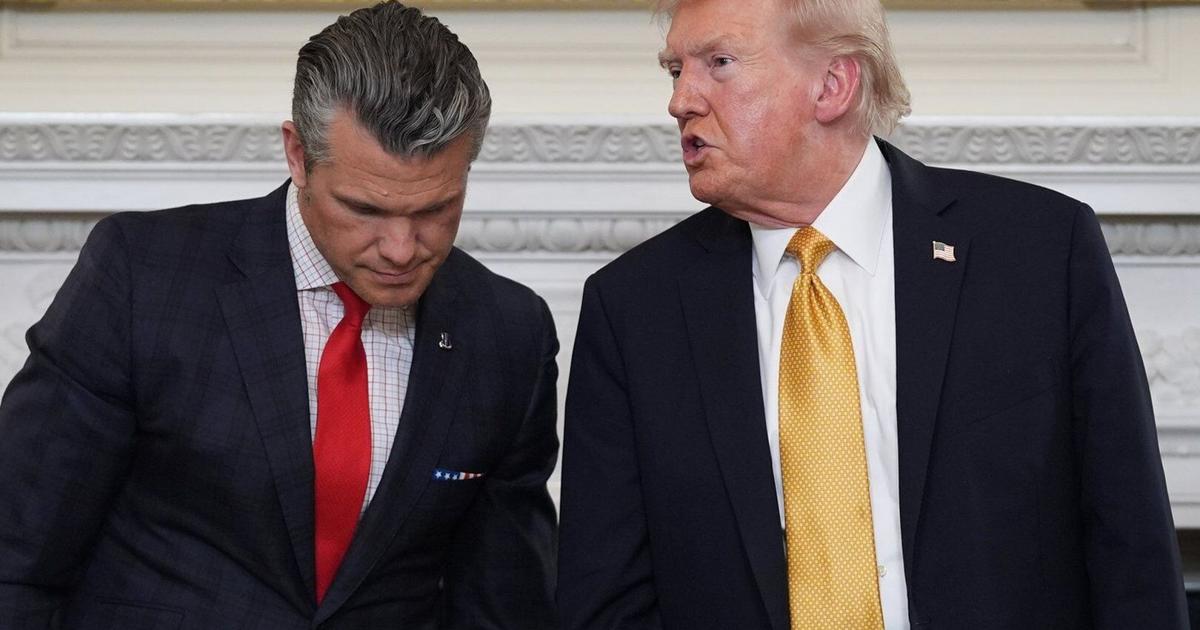
United States President Donald Trump has signalled that Washington is in no hurry to end its war with Iran.
asserted
Washington → signal → Iran
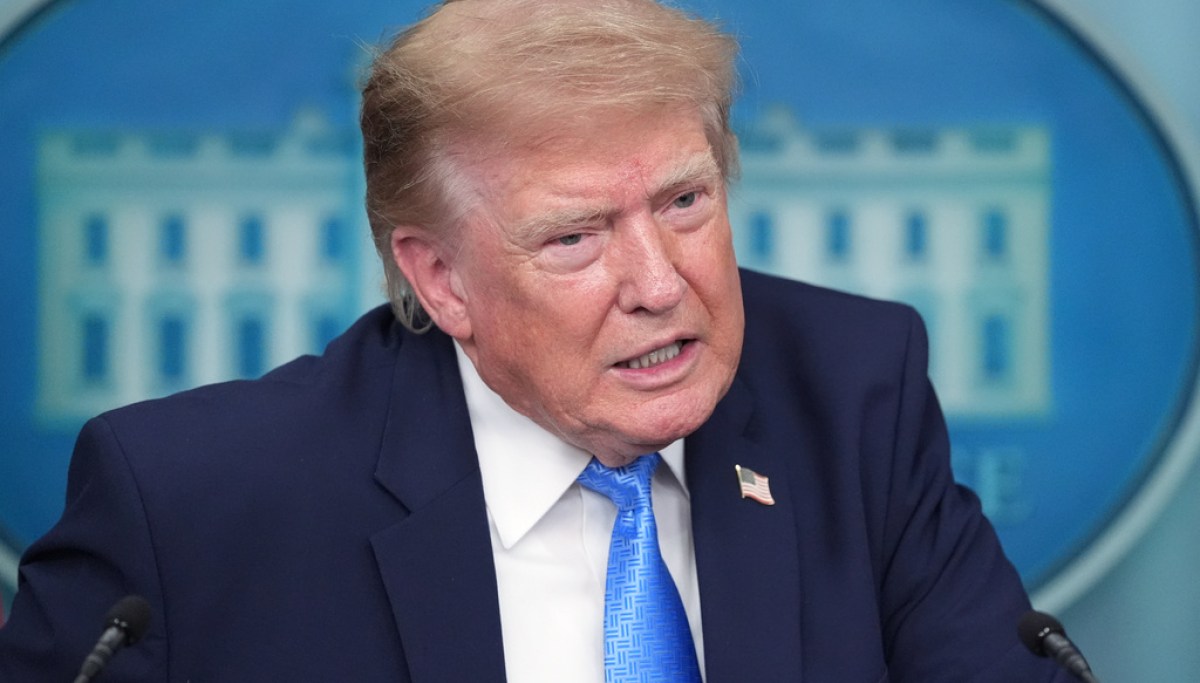
“We don’t need a deal with Iran,” Trump wrote on his Truth Social platform late last week.
asserted
Trump → need → platform
“Those days have long since passed.
asserted
days → pass → ?
We’ve got their money, Hundreds of Billions of Dollars, and we’ve got their Strait!”, referring to the Strait of Hormuz, which joins the Gulf to the open ocean.
asserted
which → get → ocean
Recommended Stories
list of 3 items- list 1 of 3How does Iran view Trump sidelining Vance from talks?
- list 2 of 3Iran targets US military radar in Bahrain in ‘retaliatory’ drone strikes
- list 3 of 3Tankers hit in Strait of Hormuz as drone raises alarm at Iraq gas field
asserted
drone → view → field
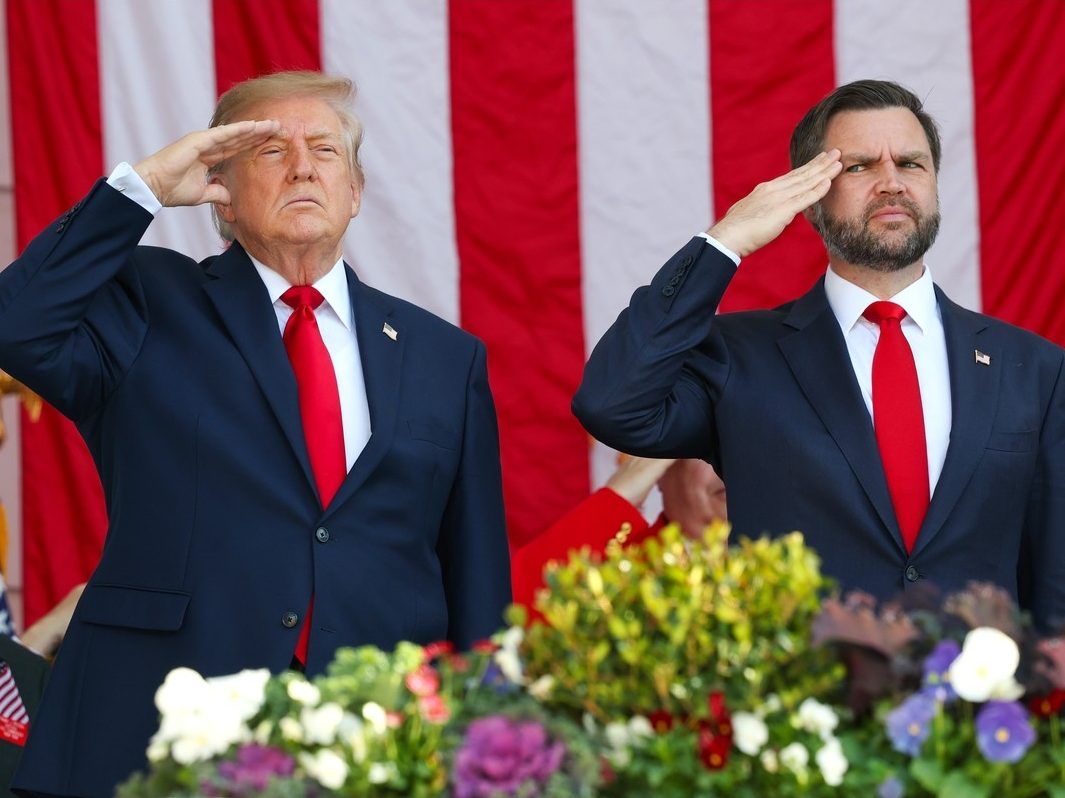
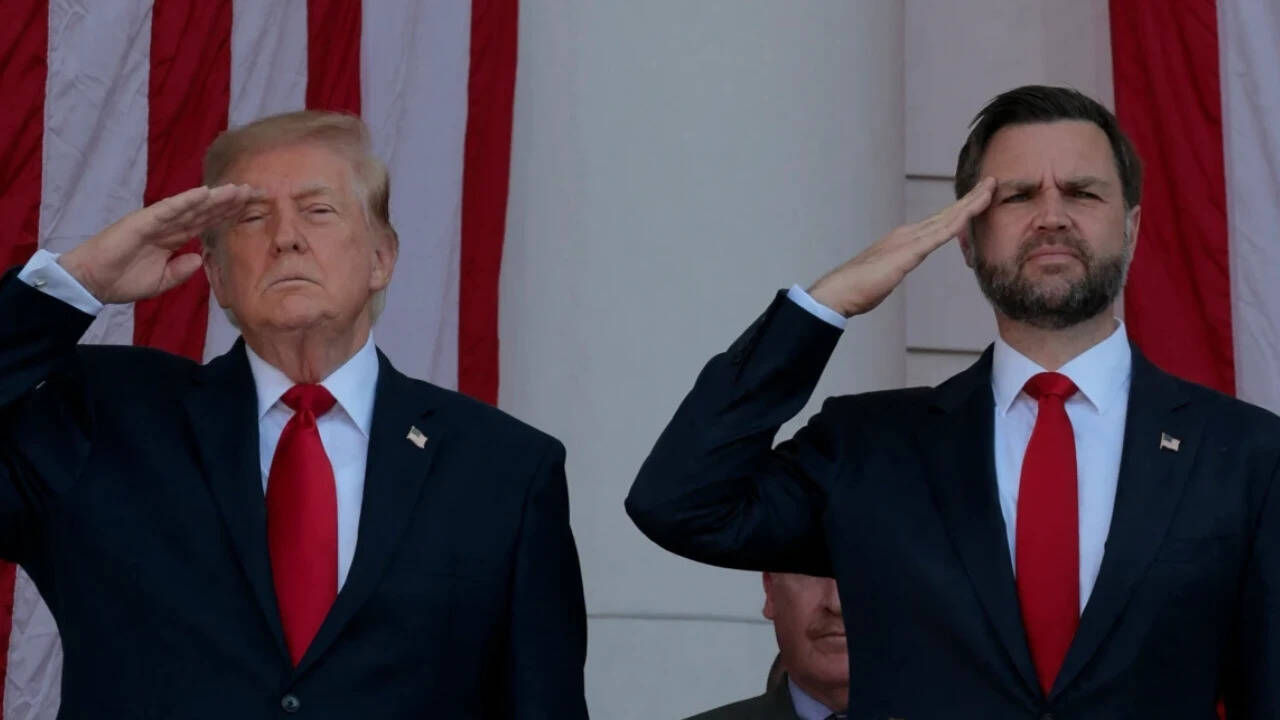
In the same post, Trump told Vice President JD Vance to give his “complete and total attention” to what Trump described as “corruption and crime” in Democratic-run cities.
asserted
Trump → tell → cities
Vance led the talks with Iran, which produced a short-lived truce in June.
asserted
which → lead → June
But Trump has given mixed signals in recent days.
asserted
Trump → give → days
Earlier last week, he said the war was “militarily … effectively over”, though he added that he “would not hesitate” to resume strikes if diplomacy failed.
asserted
diplomacy → say → strikes
Trump’s mixed messaging came as his Republican Party suffered heavy losses in the November 3 midterm elections, which Vance blamed on the deeply unpopular US-Israel war on Iran and its economic fallout, in particular soaring fuel prices.
asserted
Vance → come → Iran
Here’s what we know about where this war may be heading now and what history tells us about where frozen wars end.
uncertain
wars → ’ → us
What do both sides want now?
asserted
sides → want → What
Observers say Trump’s mixed messages – and Vance’s comments criticising the war – indicate a disagreement within the party, with at least some members of the administration more comfortable with leaving the conflict unresolved.
asserted
members → say → conflict
That could mean leaving the US naval blockade of Iranian ports in place and sanctions against Iran ongoing – both red lines for Iran, which has consistently stated that it will not reopen the Strait of Hormuz or resume peace talks until these are lifted, among other demands.
uncertain
these → mean → demands
On November 9, President Masoud Pezeshkian said Supreme Leader Mojtaba Khamenei had ordered officials to end the state of “neither war nor peace”.
asserted
Khamenei → say → war
Pezeshkian added that Iran was ready to negotiate but would not yield to coercion.
asserted
Iran → add → coercion
Parliament Speaker Mohammad Bagher Ghalibaf, Iran’s chief negotiator, told Al Jazeera that “the ball is now in the American court” – to accept its terms for talks or continue the war.
asserted
ball → tell → war
What is a frozen conflict?
asserted
conflict → freeze → ?
The term has no strict legal definition.
asserted
term → have → definition
It generally describes a conflict in which large-scale fighting has stopped or sharply declined, but no peace agreement or political settlement has been reached.
asserted
agreement → describe → which
The issues which caused the war remain unresolved.
asserted
which → cause → war
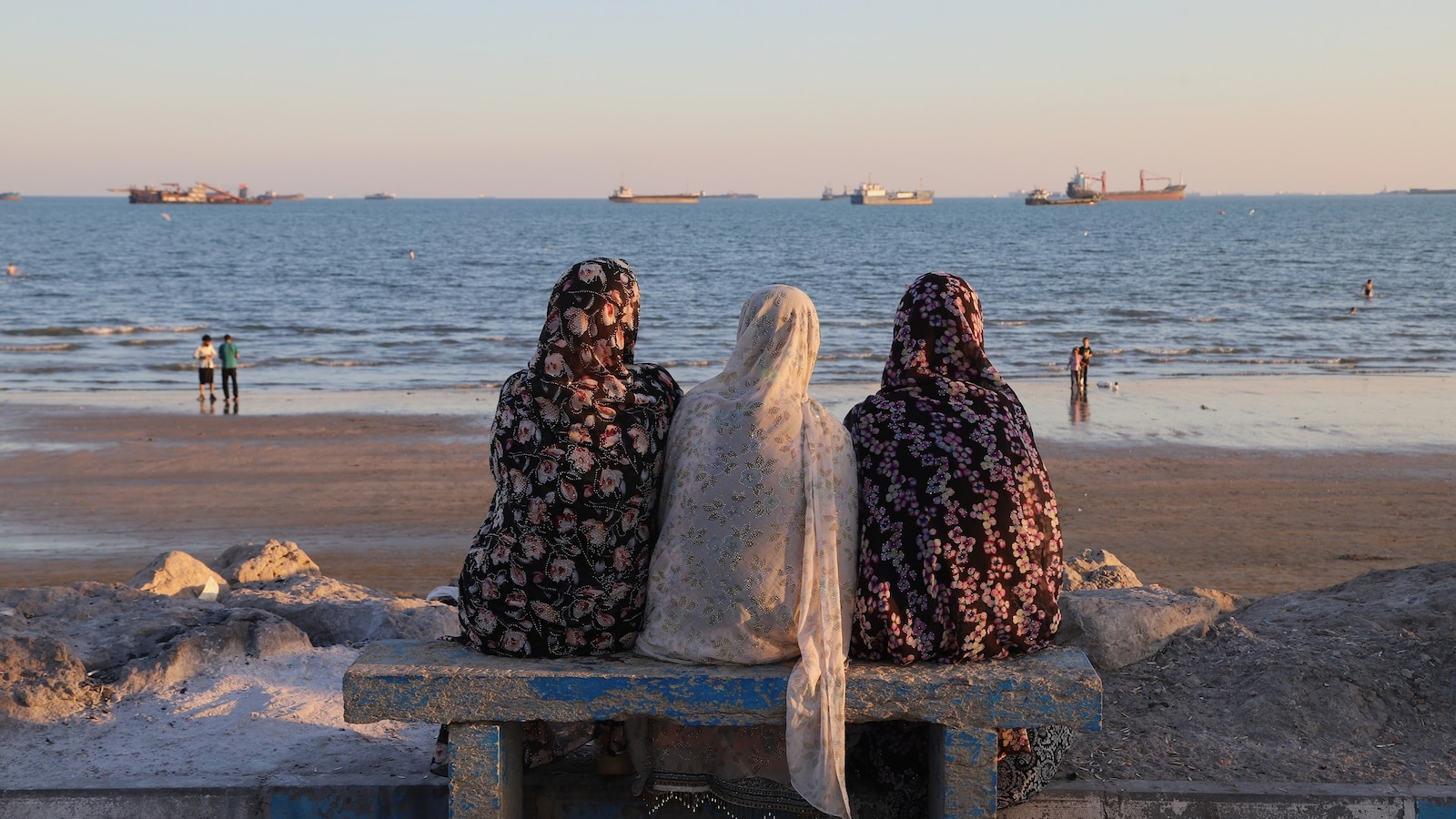
The front lines or the balance of control then harden into a de facto reality – in this case, with the US blockading Iranian ports and Iran targeting ships in the Strait of Hormuz that it says have not been authorised to pass, or firing missiles at US assets in neighbouring countries.
asserted
it → harden → countries
Both sides keep their forces in place, often separated by a ceasefire line or a buffer zone.
asserted
sides → keep → line
They may agree to an armistice or a series of truces without formally ending hostilities, such as the memorandum of understanding signed in Islamabad, Pakistan, in June, which fell apart within weeks.
uncertain
which → agree → weeks
The phrase “frozen war” became common in the 1990s and 2000s as a way to describe conflicts in the former Soviet Union.
asserted
phrase → become → Union
These included conflicts in Transnistria in Moldova, Abkhazia and South Ossetia in Georgia, and Nagorno-Karabakh.
asserted
These → include → Georgia
The defining feature is that neither side can impose a decisive outcome, and neither is willing to make the concessions a lasting peace would require.
asserted
peace → impose → concessions
Could the US-Israel war on Iran become a ‘frozen war’?
uncertain
war → become → Iran
The war began in February, when the US and Israel launched strikes on Iran.
asserted
US → begin → Iran
Talks in Pakistan in April produced a memorandum of understanding in June which paused the fighting and briefly lifted the US blockade.
asserted
which → produce → blockade
The truce collapsed soon after – primarily over disagreements about control of the Strait of Hormuz – and Washington reimposed its naval blockade on July 14.
asserted
Washington → collapse → July
“Diplomatically, we are already there and have been since July, when the June memorandum fell apart,” said Muhanad Seloom, an assistant professor in critical security studies at the Doha Institute for Graduate Studies.
asserted
Seloom → fall → Studies
However, he added that the word “frozen” “flatters” a conflict with a US blockade, attacks on shipping around Hormuz running at more than one a day and strikes in both directions.
asserted
word → add → directions
The US has carried out limited strikes, including on Iranian air defence systems on Qeshm Island.
asserted
US → carry → Island
Iran has attacked tankers using what it calls unauthorised routes in the Strait of Hormuz.
asserted
it → attack → Hormuz
According to trade intelligence firm Kpler, only five commodity vessels crossed the strait on November 7, and none crossed the following day, despite US claims to be escorting ships through.
uncertain
none → accord → ships
“The war has changed form, from an air campaign to a siege,” Seloom told Al Jazeera, “and sieges end when the besieged side either breaks or breaks out”.
asserted
side → change → Jazeera
For Trump, a serious escalation carries heavy political risk right now.
asserted
escalation → carry → risk
In October, a Chicago Council on Global Affairs survey found that nearly 70 percent of Americans believed the war was not worth fighting.
asserted
war → find → Americans
Polls have also consistently suggested deep opposition to sending troops to Iran.
uncertain
Polls → suggest → Iran
…and 64 more, not listed.

 The Aporia