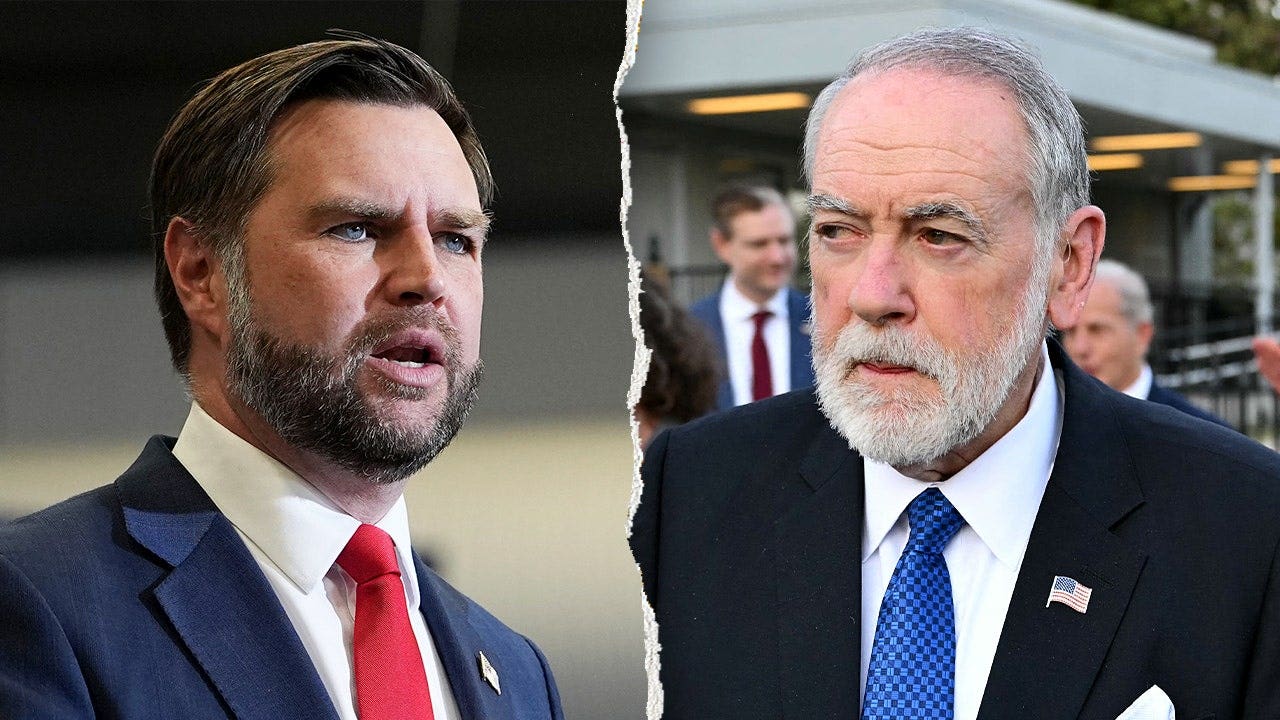
U.S. Ambassador to Israel Mike Huckabee is pushing back against Vice President JD Vance’s suggestion that America’s relationship with Israel contributed to Republicans’ crushing midterm election losses, offering a sharply different explanation from within the Trump administration.
asserted
relationship → push → administration
In an exclusive interview with The Press Service of Israel (TPS-IL) published Tuesday, Huckabee rejected the argument that Israel was responsible for the GOP’s electoral defeat, instead pointing to economic concerns, voter apathy and a failure to energize the Republican base.
"Israel was not the reason the elections went wrong for Republicans last week," Huckabee told TPS-IL.
asserted
Huckabee → publish → IL
The remarks come nearly two weeks after Vance blamed Republican losses on the war with Iran and dissatisfaction with Washington’s relationship with Israel.
asserted
Vance → come → Israel
In a Nov. 4 post on X, Vance argued, according to polling, that voters who supported the Trump-Vance ticket in 2024 had turned against Republicans over four key issues: ending the Iran war, addressing inflation and the cost of living, putting America first and changing the U.S. relationship with Israel.
uncertain
who → argue → Israel
"The reason we lost is the war," Vance wrote, arguing that the party needed to acknowledge the political consequences of the conflict.
asserted
party → lose → conflict
But Huckabee, a former Arkansas governor and longtime Evangelical leader, offered a competing assessment, arguing that Republicans had failed to give their own supporters sufficient motivation to vote.
asserted
Republicans → offer → motivation
"To say that Israel was on the minds of most people is, I think, ludicrous," Huckabee told TPS-IL.
asserted
Huckabee → say → IL
Asked about Huckabee’s comments disputing the suggestion that the relationship with the State of Israel contributed to Republican losses in the midterms, a spokesperson for Vance told Fox News Digital: "The Vice President did not blame Jews for the Republican Party’s losses in the midterms.
asserted
President → ask → midterms
The Vice President has forcefully condemned antisemitism on countless occasions, and he will continue to do so."
asserted
he → condemn → occasions
He acknowledged that the war may have influenced voters' perceptions, particularly as families struggled with higher fuel and food costs.
uncertain
families → acknowledge → costs
"There’s no doubt that the war may have had some impact, not because it was the war itself, but there was such a media coverage that said that the war is what was creating the economic challenges," he said.
uncertain
he → ’ → challenges
"But it was the economic issues," Huckabee continued, adding that the war in Iran "may have contributed to prices, but it wasn't the only thing.
uncertain
it → continue → prices
"
"If you look at the real numbers, the exit polls showed that only 17% of Evangelicals went and voted last week," Huckabee told TPS-IL.
asserted
Huckabee → look → IL
"There is no bloc of voters that is more critical to a Republican victory than Evangelical voters in the United States.
asserted
that → be → States
They represent 80 million people.
asserted
They → represent → people
If they go vote in mass numbers, Republicans win, if they stay home, Republicans lose."
asserted
Republicans → go → numbers
The ambassador’s remarks referred to exit polling showing that white evangelical Christians accounted for 17% of voters in the 2026 midterms, compared with 23% in 2024.
asserted
Christians → refer → 2024
That figure reflects their share of the electorate, rather than the percentage of evangelicals who voted.
asserted
who → reflect → evangelicals
"The real reason was that Republicans did not give even Republicans a good reason to go vote for them.
asserted
Republicans → give → them
They had the White House, they had the Senate, and they had the House.
asserted
they → have → House
And if you ask the average American, what have they gotten done in the last two years?
asserted
they → ask → years
They could not provide for you very many, if anything, that the Congress had passed, accomplished, that they had expected them to get done."
uncertain
them → provide → you
"So it's, it's unfortunate that Israel would factor in as a major reason for the vote in America," he added, "Because it just does not appear that that is as credible a reason as is that you had low turnout from the base of the Republican Party."
asserted
you → factor → Party
They went and voted in mass numbers, and they voted with enthusiasm.
asserted
they → go → enthusiasm
Enthusiasm wins elections; apathy does not."
asserted
apathy → win → elections
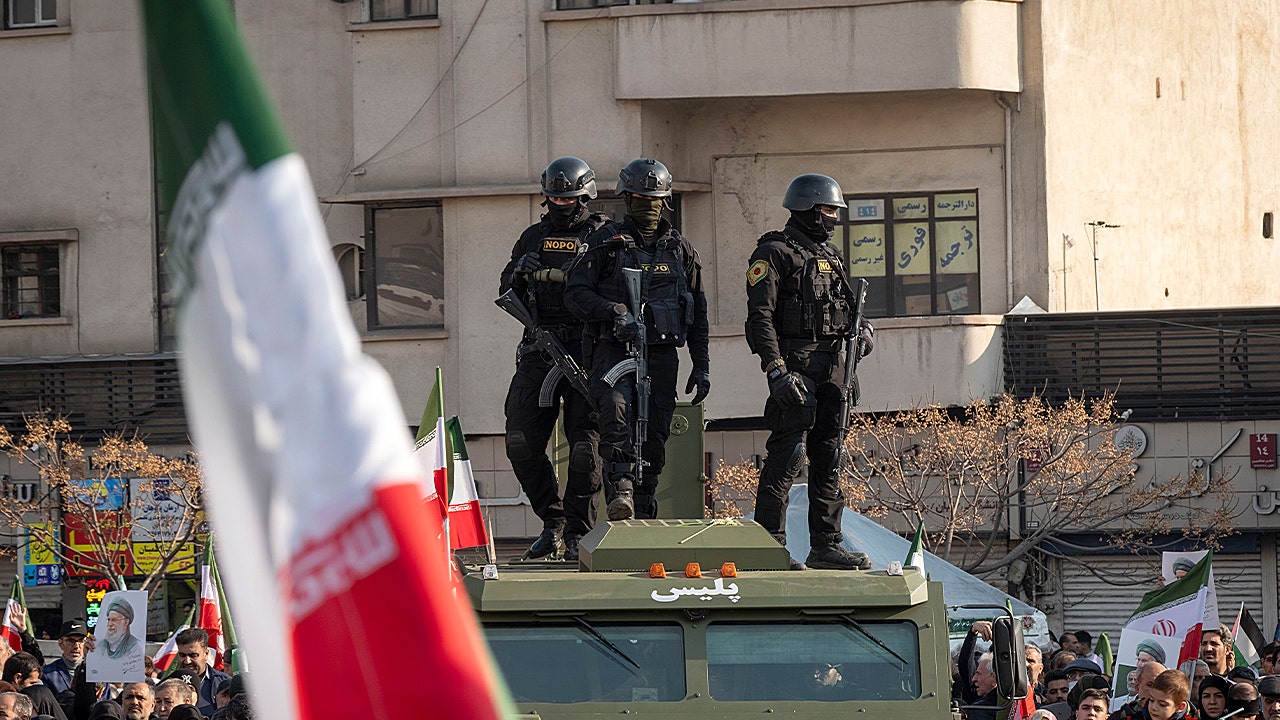
Beyond the dispute over the midterm elections, Huckabee warned that additional U.S. military action against Iran remains a possibility if Tehran refuses to abandon its nuclear ambitions, while expressing hope that a diplomatic solution could still be reached.
uncertain
solution → warn → hope
"It's very possible that we will end up there, because if the Iranians do not understand what the president has made very clear, at least for the U.S. position, and that is they can't have a nuclear weapon," Huckabee told TPS-IL.
asserted
Huckabee → end → IL
"Is it possible to bring this to a resolution by diplomatic means or economic pressure?
asserted
it → bring → means
Hey, I would hope so.
asserted
I → hope → ?
But if it can't be done, then the U.S, has made it clear, certainly the president, Secretary Rubio, have both said, just this week that the military option is every bit on the table.
asserted
option → do → table
Huckabee said that Trump's position on Iran has remained consistent for decades, dating back to his years as a New York businessman in the early 1980s.
asserted
position → say → 1980s
He also pointed to the president's response to criticism that the war had contributed to Republican losses in the midterms.
asserted
war → point → midterms
"He acknowledged, he said, it may have been a factor," Huckabee said.
uncertain
Huckabee → acknowledge → ?
"And then he said, ‘But I would do it all over again.’"
asserted
I → say → it
The ambassador defended that position, arguing that Trump's decision to confront Iran was driven by threats to American national security rather than political calculations.
asserted
decision → defend → calculations
"It was because, for all these years, he's recognized the threat that they pose to America, not just to Israel," Huckabee said.
asserted
Huckabee → recognize → Israel
He cited Americans killed by Iran and Iranian-backed groups over the past several decades, including U.S. casualties in Iraq and Afghanistan, and referred to the Americans killed and taken hostage during the Oct. 7 Hamas terror attacks.
asserted
He → cite → attacks
Huckabee praised Trump's willingness to accept potential political consequences, saying that even if the Iran issue had cost Republicans the election, the president would have made the same decision.
asserted
president → praise → decision
"His job is not just to win in the election, [it] is to protect Americans," Huckabee said.
asserted
Huckabee → win → Americans
"That's first and foremost, and I'm happy to have a president who knows that and who practices that."
asserted
who → have → that
…and 5 more, not listed.
 The Aporia