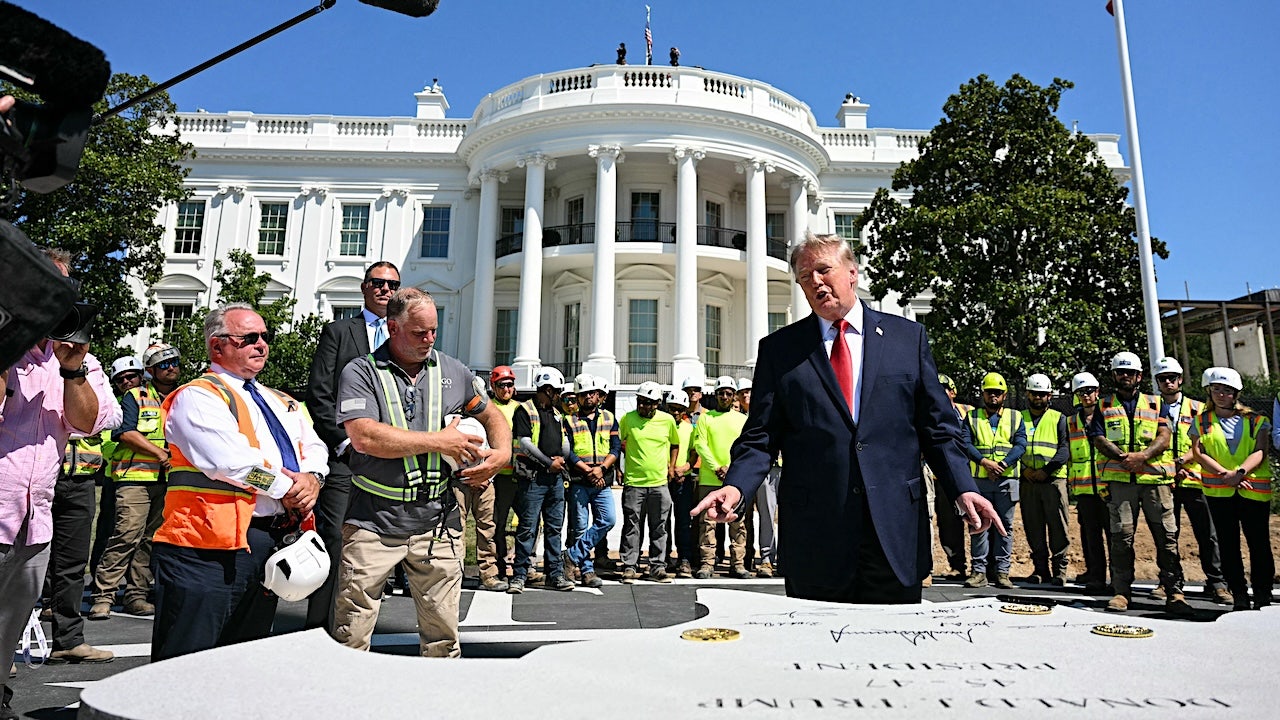
The day before the Republican rout in this month's midterm elections, President Donald Trump addressed reporters for nearly an hour while standing in front of the Lincoln Memorial Reflecting Pool.
asserted
Trump → address → Pool
The speech epitomized Trump's politically tone-deaf obsession with self-aggrandizing construction projects, which continues despite polls showing that Americans overwhelmingly disapprove of that preoccupation.
asserted
Americans → epitomize → preoccupation
Although Trump's November 2 presentation was his last public opportunity to explain why voters should support his party, he opened with a 20-minute disquisition on his efforts to renovate the reflecting pool, speaking at length about algae, pipes, water leaks, and linings.
asserted
he → explain → algae
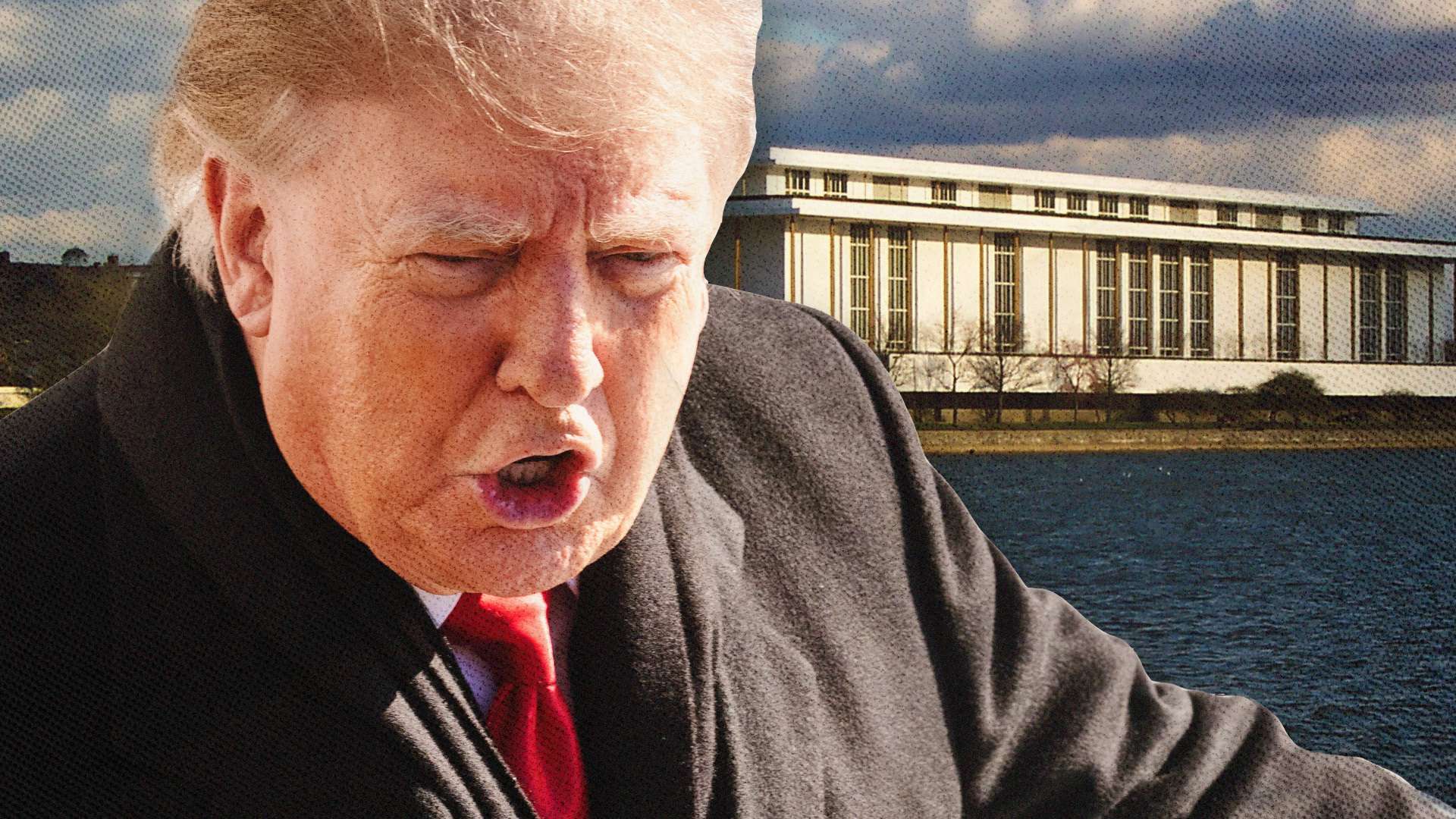
He joked that "we're giving serious thought to changing the name to the Trump Reflecting Pool," alluding to his attempted renaming of the Kennedy Center for the Performing Arts.
asserted
we → joke → Arts
Later, after taking a few jabs at Democrats, Trump returned to the subject of the reflecting pool.
asserted
Trump → take → pool
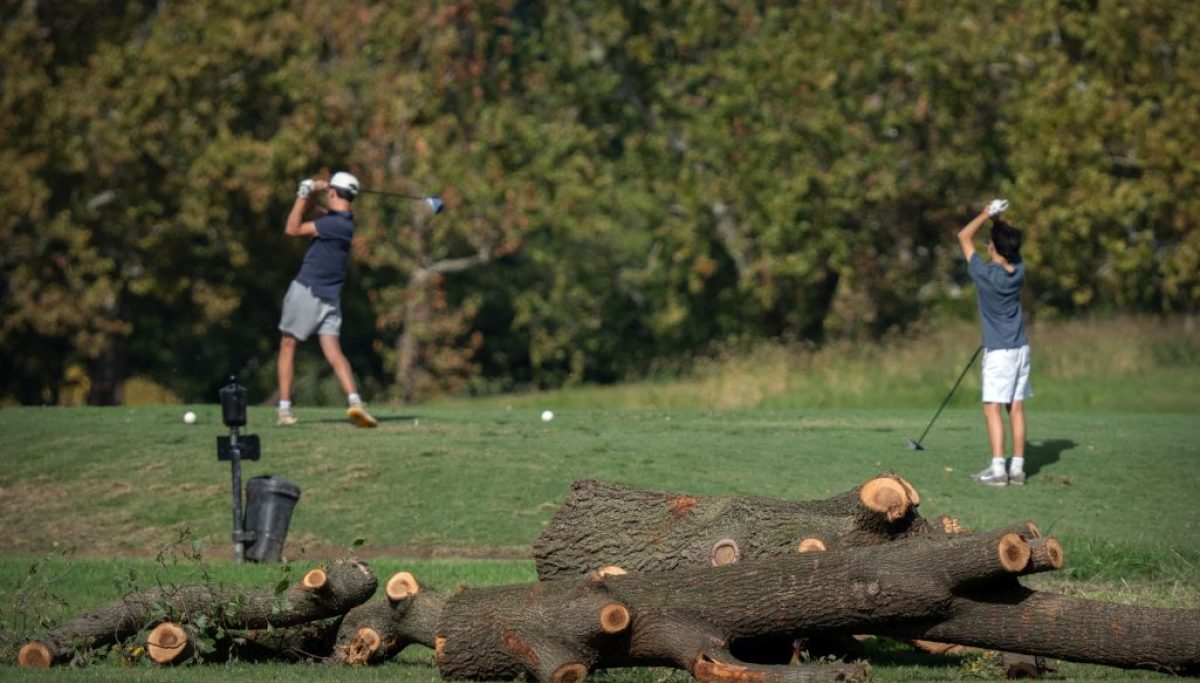
He also noted his "brand-new helipad," his White House ballroom, and his plans to renovate the East Potomac Golf Links, create a National Garden of American Heroes in West Potomac Park, and build a "triumphal arch military complex" between the Lincoln Memorial and Arlington National Cemetery.
asserted
He → note → Memorial
According to polling by the Associated Press, the top concerns of midterm voters were "the economy" and "the state of democracy."
uncertain
concerns → accord → democracy
They also frequently mentioned the cost of living and government corruption.
asserted
They → mention → living
But immediately before the elections, Trump was more interested in praising himself for beautifying the national capital by erecting monuments to his ego—projects that have not won him the gratitude he thinks he deserves.
asserted
he → praise → gratitude
Last July, a Washington Post/Ipsos poll asked respondents how they felt about three of those projects: the ballroom, the reflecting pool, and the triumphal arch.
asserted
they → ask → projects
Less than a third described themselves as "enthusiastic" (12 percent) or "satisfied" (19 percent), while nearly two-thirds were "dissatisfied" (27 percent) or "upset" (38 percent).
asserted
thirds → describe → themselves
About a quarter thought Trump was trying to "make Washington more beautiful," while 51 percent said he had "a different goal" and the rest were not sure.
asserted
rest → think → goal
A Reuters/Ipsos survey conducted in mid-September found that 67 percent of Americans thought "the creation and renovation of national monuments in the Washington, D.C. area" should be either "a low priority" or "not a priority" for the president.
asserted
creation → conduct → president
In an Associated Press/NORC poll later that month, 68 percent of respondents said Trump had "gone too far" in "remodeling the White House, Kennedy Center, and other landmarks in Washington, D.C."
asserted
Trump → say → Washington
A More in Common survey conducted around the same time generated similar results: A large majority of respondents (71 percent) thought Trump "spends too much time on D.C. projects like the Reflecting Pool and the White House."
asserted
Trump → conduct → Pool
And in another Washington Post/Ipsos poll last month, 59 percent of respondents said Trump was devoting "too much" attention to "building projects in D.C."
asserted
Trump → say → D.C.
Nonsense, Trump told a Washington Post reporter on Monday.
asserted
Trump → tell → Monday
"It takes me 10 minutes a day, very little time," he said.
asserted
he → take → minutes
"Losers like you come out and they say, 'Why are you focused on the White House?' Because the White House is a symbol of our country."
asserted
House → come → country
Trump also averred that his projects do not involve much money, although the ballroom alone is expected to cost around $600 million, half of which will be covered by taxpayers.
asserted
half → aver → taxpayers
"This is peanuts," Trump said.
asserted
Trump → say → ?
"And I pay for it.
asserted
I → pay → it
This doesn't cost money….This is called talent, talent.
asserted
.This → cost → money
You don't have talent."
asserted
You → have → talent
In a statement to the Post, the Interior Department likewise emphasized Trump's talents as a builder.
asserted
Department → emphasize → builder
"Not only is President Donald J. Trump using his expert builder experience to make the White House beautiful now," it said.
asserted
it → use → experience
"He's improving and restoring the grounds to greatness for future presidents to enjoy.
asserted
presidents → improve → greatness
President Trump should be thanked for making our nation's capital better than how he found it."
asserted
he → thank → it
Trump's insatiable thirst for gratitude is most blatantly reflected in his ongoing quest to slap his name onto the Kennedy Center.
asserted
thirst → reflect → Center
U.S. District Judge Christopher Cooper nixed his first attempt, ruling on May 29 that Congress had named the performing arts venue and only Congress could rename it.
uncertain
Congress → nix → it
That decision forced the Kennedy Center's Board of Trustees, which is stacked with Trump cronies and chaired by the president himself, to remove "THE DONALD J. TRUMP AND" from the lettering above the building's entrance—a defeat so humiliating that the work was concealed from public view with tarps draped over the scaffolding.
asserted
work → force → scaffolding
The trustees tried again in August, approving a resolution to "recognize and honor President Trump's current and future existential and unprecedented contributions to the survival of the Center."
asserted
trustees → try → Center
They planned to do so by naming the center's site the "President Donald J. Trump Plaza" and adding "renovated and restored by President Donald J. Trump" below "THE JOHN F. KENNEDY MEMORIAL CENTER FOR THE PERFORMING ARTS" on the building's portico.
asserted
They → plan → portico
In September, Cooper said those changes also would violate federal law—in particular, a provision saying "no additional memorials or plaques in the nature of memorials shall be designated or installed in the public areas of the John F. Kennedy Center for the Performing Arts."
asserted
memorials → say → Arts
The law makes a few exceptions, none of which encompasses the changes that the trustees had in mind.
asserted
trustees → make → mind
Trump is now asking the U.S. Court of Appeals for the D.C. Circuit to overturn Cooper's injunctions.
asserted
Trump → ask → injunctions
In addition to arguing that extolling Trump on the front of the Kennedy Center does not count as a "memorial," the government's lawyers insist that it will be impossible to raise the money necessary to renovate the building unless he gets the recognition he demands.
asserted
he → argue → recognition
"This is a task which President Trump, given his unrivaled expertise and experience in real estate and construction, and prominence as President, is uniquely qualified to accomplish," the appeal brief says.
asserted
brief → give → President
"Without appropriate recognition, the Kennedy Center will be back where it was at the beginning—a financially insolvent facility and a decrepit, dilapidated, crumbling building, that is bleeding hundreds of millions of dollars in losses and that continues to race toward physical and financial ruin.
asserted
that → crumble → ruin
As with his other building projects, Trump is selflessly pursuing the public interest, and he is dismayed that anyone would resist giving him appropriate credit, which in this case is crucial to the work.
asserted
which → pursue → work
…and 3 more, not listed.
 The Aporia