Photo via Semafor

Recent AI cyberattacks are part of a ‘short period of transition,’ says Yann LeCun

Read the original at Semafor ↗
Cite

Kesslen, B. (2026, November 18). Recent AI cyberattacks are part of a ‘short period of transition,’ says Yann LeCun. Semafor. https://www.semafor.com/article/11/17/2026/recent-ai-cyberattacks-are-part-of-a-short-period-of-transition-says-yann-lecun

Dated from the outlet's own feed. Check the original for its byline.

Semafor · collected 2026-11-18 · by Ben Kesslen

Quick Summary

Yann LeCun, founder of Advanced Machine Intelligence and a recipient of the 2018 Turing Award, recently stated at Semafor’s Silicon Valley & The World event that the current period of AI-facilitated cyberattacks is temporary and will soon transition to a time where AI strengthens software security. LeCun, who left Meta in 2025 to found AMI, which raised over $1 billion in seed funding, also expressed skepticism about the immediate emergence of superintelligence and emphasized the need for conceptual breakthroughs in physical AI for practical applications like domestic robots.
Written by AI on 2026-11-18, from this article's own text only (the story summary below draws on all the coverage).

Compared with similar articles

This article reads unscored and hedges 8% of its claims. Each row says how that neighbour differs.
Just The News
Hedges 0 of 7 claims Outlet record 59/100
“The articles discuss different aspects of AI in cybersecurity and do not describe the same specific incident.”
Semafor
Hedges 1 of 11 claims Outlet record 65/100
“The articles cover different perspectives on AI's impact during a similar event, but they report on distinct statements made by different individuals at the same conference.”

Story

Recent AI cyberattacks are part of a ‘short period
Other · 1 article(s) covering the same event.
How this article was measured signals, leaning charts, publisher record, byline, topics and claims

Signals How these are calculated →

Claims extracted
12
sentences that state something as happening or true
Uncertain
8%
1 of 12 hedged ("reportedly", "may", "according to")
Leaning
not political
takes no side on a contested political question
Publisher signals
65/100
Semafor's corrections and hedging, across everything collected from it. Not a measure of accuracy.
Outlets on this story
1
Other
Same framing elsewhere
1
articles that frame the event the way this one does
Analyzed 2026-11-18 · how these are computed

How this is being covered How these are calculated →

Article leaning vs. publisher reliability
Source leaning vs. consistency

Publisher

Semafor · 1852 article(s) · 6 correction(s) detected
Running correction rate · 6 correction(s)

Who wrote this

Ben Kesslen
6 article(s) here · 1 carrying a prediction
LeCun predicts a short period “where AI tools facilitate cyberattacks and favor the attacker over the defender,” but that will be “just a short period of transition.”
Investing in African AI would be “creating a market,” Gill said, and could improve AI’s reputation by showing how it can be used to improve water scarcity, public health, and public services issues.
That may be one reason, he said, for recent high-level technological disruptions, like the outages this week reported by banks and airlines.
“If it wasn’t for Jensen, there wouldn’t be a lot of funding going into US open model companies like Reflection and others.
Also by Ben Kesslen
Nothing else under this byline is closely related to this article, so these are simply their most recent.
All 6 articles by Ben Kesslen →

Topics

AMI Banjo European Meta Semafor

Subjects

LeCun PERSON · 3× AMI ORG · 2× Semafor ORG · 2× Banjo ORG · 1× Chinese NORP · 1× European NORP · 1× Meta ORG · 1× Shelly Banjo PERSON · 1× Yann LeCun PERSON · 1×

Narrative

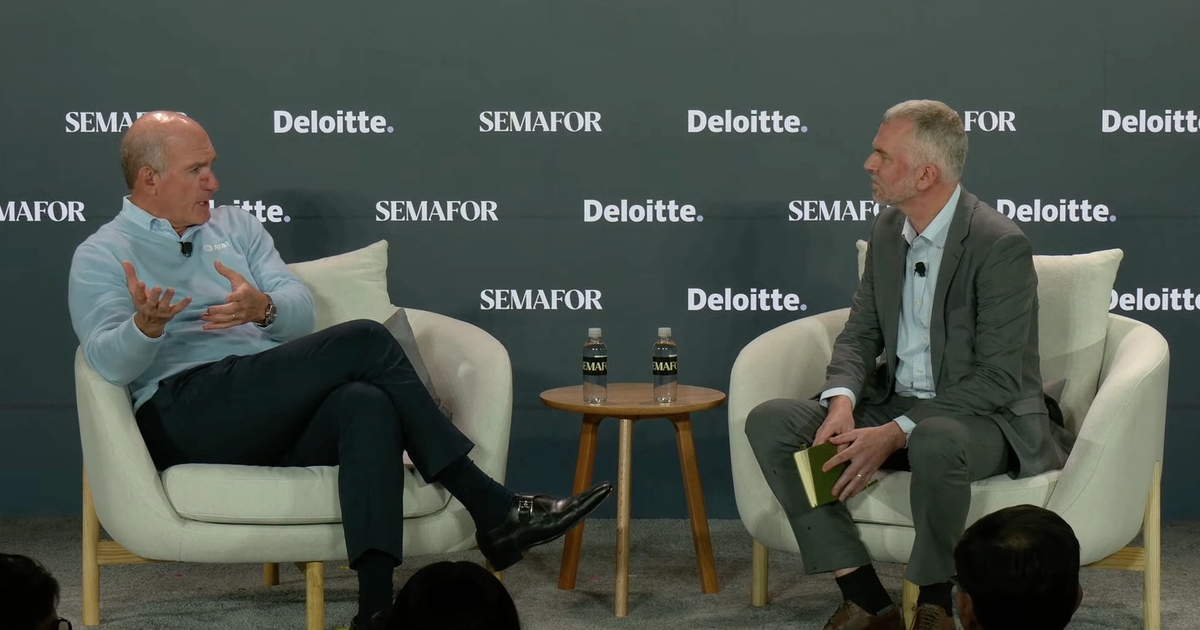
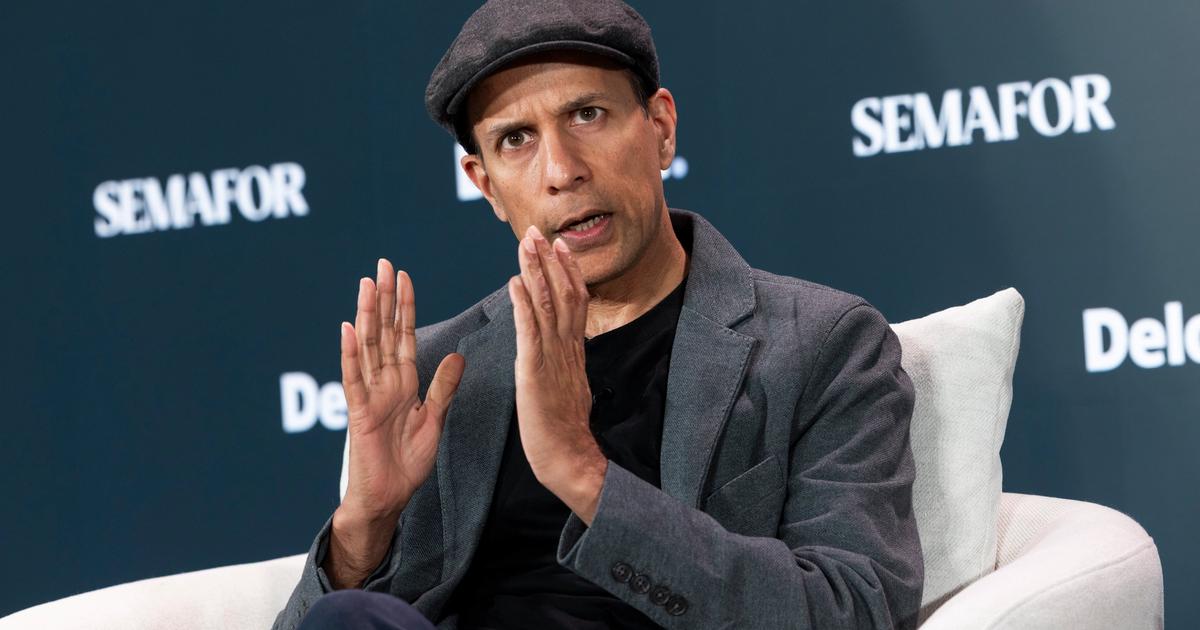
The world is “probably” going to enter an era of “unprecedented safety of software systems,” AMI (Advanced Machine Intelligence) founder and chair Yann LeCun said on Tuesday at Semafor’s Silicon Valley & The World.
framing: assertive · carried by 1 article(s) · first seen 2026-11-18
LeCun predicts a short period “where AI tools facilitate cyberattacks and favor the attacker over the defender,” but that will be “just a short period of transition.”

Claims (12 extracted, 1 hedged)

The world is “probably” going to enter an era of “unprecedented safety of software systems,” AMI (Advanced Machine Intelligence) founder and chair Yann LeCun said on Tuesday at Semafor’s Silicon Valley & The World. asserted
LeCun → go → Valley
“I’m worried about very few things when it comes to AI,” LeCun told Semafor’s Shelly Banjo. asserted
LeCun → ’m → Banjo
LeCun predicts a short period “where AI tools facilitate cyberattacks and favor the attacker over the defender,” but that will be “just a short period of transition.” asserted
that → predict → transition
Future software, he suggested, will be “hardened” by AI. uncertain
he → suggest → AI
LeCun, a winner of the 2018 Turing Award, has long been skeptical that scaling large language models will usher in superintelligence or artificial general intelligence. asserted
scaling → scale → superintelligence
He left Meta to found his world-model company AMI in 2025, which raised more than $1 billion in seed funding, the largest ever for a European company. asserted
which → leave → company
He told Banjo that “I think it’s called a coconut when it’s that big.” asserted
it → tell → Banjo
He spoke on Tuesday about world models’ practical application in physical AI, but acknowledged there is a long way to go in their development. asserted
He → speak → development
“We’re going to need a few conceptual breakthroughs in AI to make domestic robots that are useful,” he said. asserted
he → go → robots
“We can use humanoid robots for very narrow tasks in well-controlled environments at the moment,” but domestic robots are “not for tomorrow.” asserted
robots → use → tomorrow
He said he and his peers working on world models are gravitating toward physical AI because it’s a “complete blind spot” of LLMs. asserted
it → say → LLMs
When asked about open source models, he remarked that “it made a lot of people really sad in the US, including people who are in the current government, that the most powerful open source systems are Chinese.” asserted
systems → ask → government
Give feedback · no sign-in needed

No sign-in needed for now. Your note is sent without a name, so it cannot be answered.

History Support