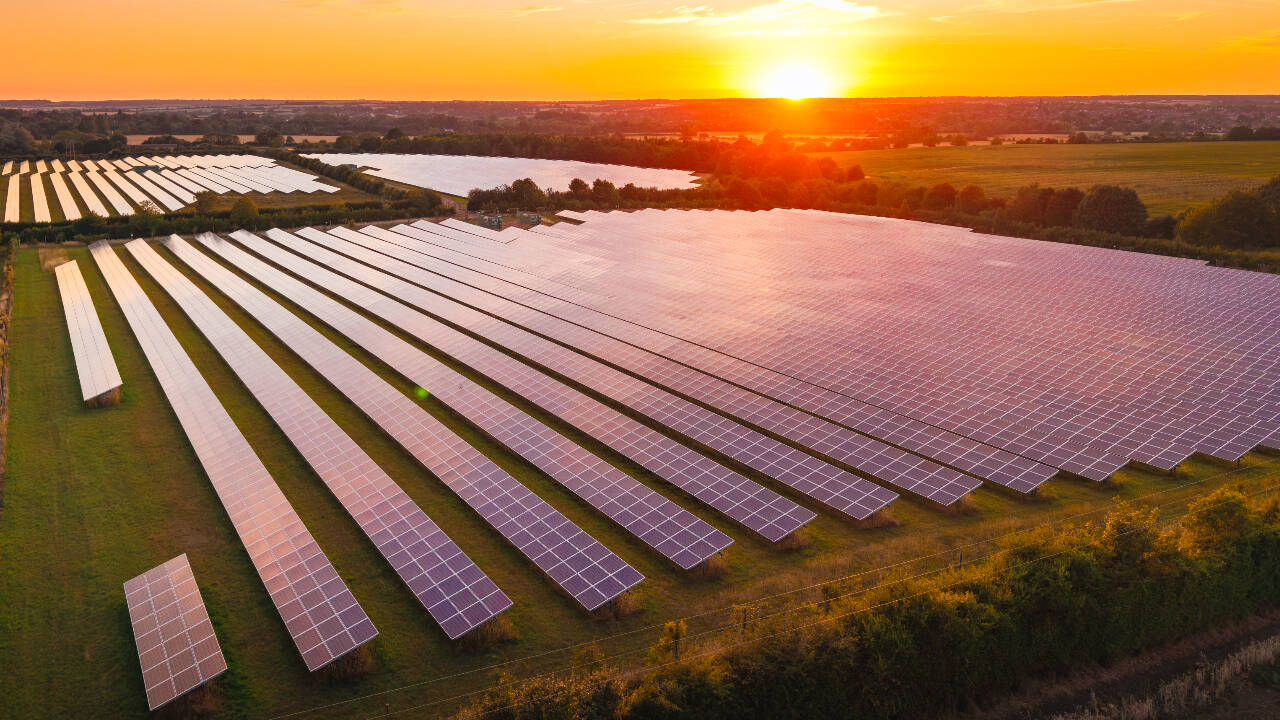
Photo via Times of India

Broxted Estate Solar Farm: biodiversity rises 41% in long-term study

Read the original at Times of India ↗
Cite

TOI World Desk. (2026, August 20). Broxted Estate Solar Farm: biodiversity rises 41% in long-term study. Times of India. https://timesofindia.indiatimes.com/world/uk/a-uk-solar-farm-began-generating-electricity-in-2013-12-years-later-its-biodiversity-had-risen-41-per-cent/articleshow/133365712.cms

Dated when The Aporia collected the article, usually within hours of publication. Check the original for its exact date and byline.

Times of India · collected 2026-08-20 · by TOI World Desk analysis

Quick Summary

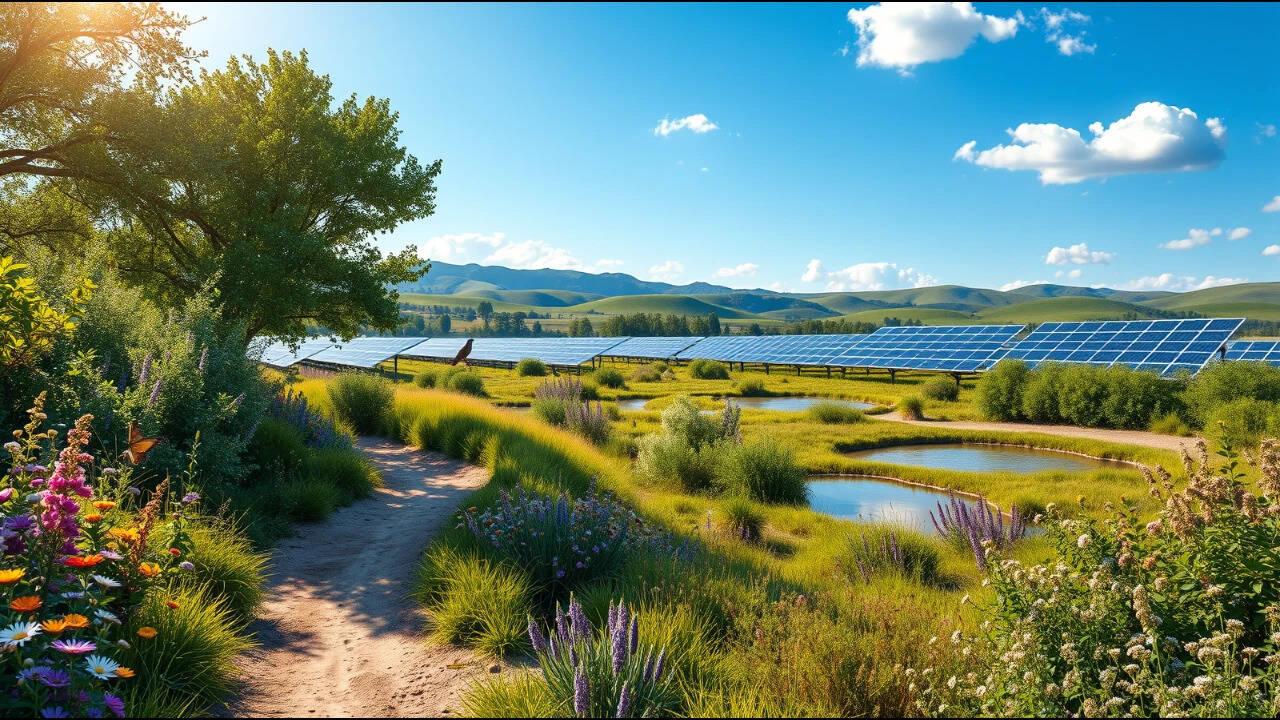
A long-term study on the Broxted Estate Solar Farm in Suffolk has found a 41% increase in biodiversity over 12 years, with species such as the turtle dove and meadow pipit making a comeback. The study, carried out by Suffolk Wildlife Trust and renewable energy company Cubico, involved ecological monitoring and habitat management to balance wildlife conservation with renewable energy generation. Since its operation began in December 2013, the solar farm has generated over 350 gigawatt-hours of electricity while maintaining high levels of biodiversity. The results suggest that solar farms can coexist with nature recovery when habitats are deliberately managed.
Written by AI on 2026-08-20, from this article's own text only (the story summary below draws on all the coverage).

AI analysis

Story summary

In 2011, planning began for a solar farm on the Broxted Estate in Suffolk, England. By December 2013, the site was generating electricity, but what happened around the panels was just as significant. The estate's owners worked with Cubico, a renewable energy company, and Suffolk Wildlife Trust to manage the surrounding landscape for wildlife while continuing to generate solar power. Over the next 12 years, the partners carried out long-term ecological monitoring, tracking changes on the site. A new report shows that biodiversity across the estate and solar farm increased by 41%** compared with 2011. This rare long-term study suggests that renewable energy infrastructure can coexist with nature recovery when habitats are deliberately managed. The findings could influence future UK solar farms, which often require balancing environmental concerns with power generation.

Written for “Solar Farm Biodiversity Success” on 2026-11-02, grounded in this article and the 0 other(s) covering the same event.

Story

📰 Solar Farm Biodiversity Success
Environment · 1 article(s) covering the same event.

Compared with similar articles

Nothing to compare against. No article is close enough to this one for the pipeline to have linked or judged the pair.
How this article was measured signals, leaning charts, publisher record, byline, topics and claims

Signals How these are calculated →

Claims extracted
22
sentences that state something as happening or true
Uncertain
18%
4 of 22 hedged ("reportedly", "may", "according to")
Leaning
withheld
no quote in the article backed the model's score
Publisher signals
59/100
Times of India's corrections and hedging, across everything collected from it. Not a measure of accuracy.
Outlets on this story
1
Environment
Same framing elsewhere
1
articles that frame the event the way this one does
Analyzed 2026-08-20 · how these are computed

How this is being covered How these are calculated →

Article leaning vs. publisher reliability
Source leaning vs. consistency

Publisher

Times of India · 3941 article(s) · 3 correction(s) detected
Running correction rate · 3 correction(s)

Who wrote this

TOI World Desk
1376 article(s) here · 1 carrying a prediction
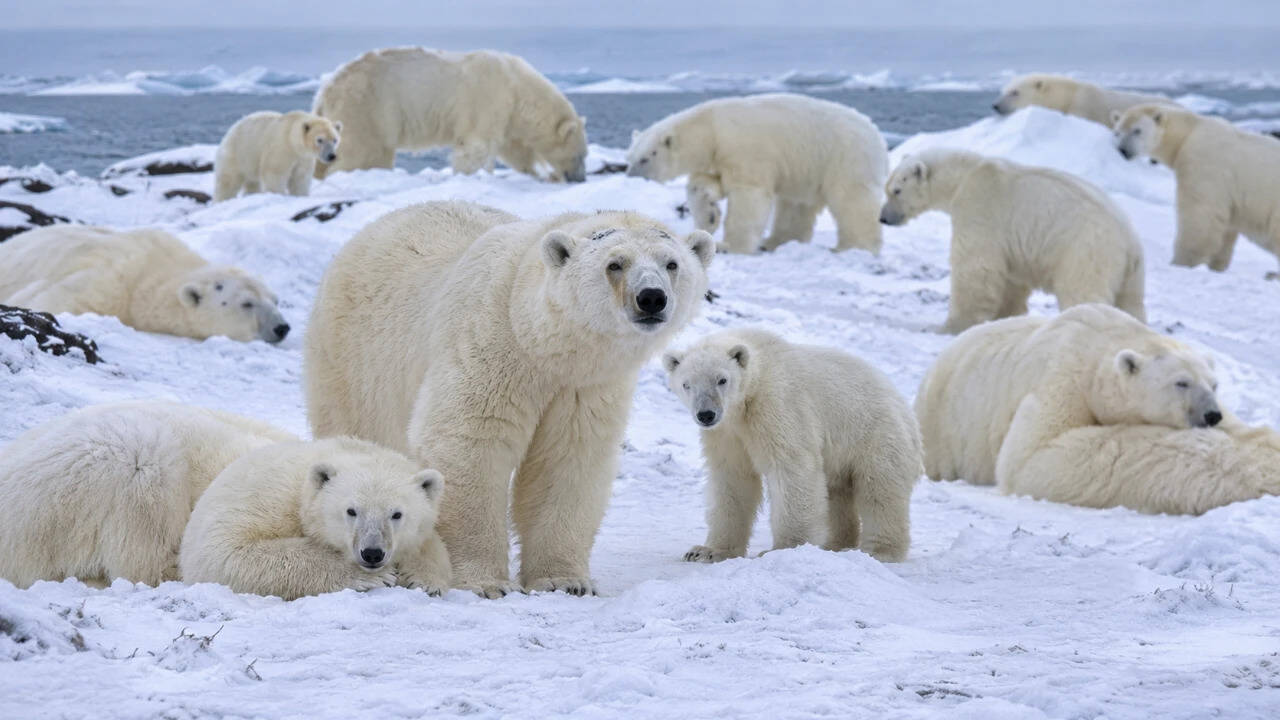
🔮 Hundreds of polar bears are expected to gather near the Canadian town of Churchill in Manitoba as temperatures fall and the animals wait for Hudson Bay to freeze.
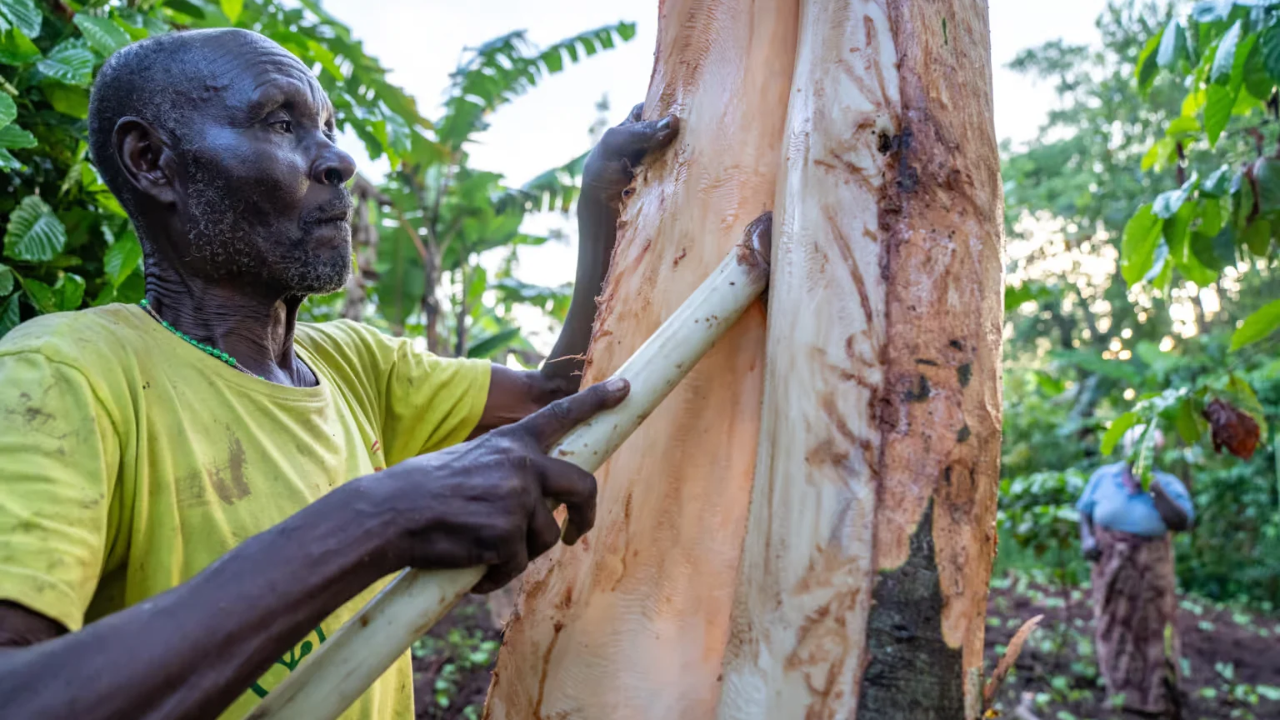
🔮 Together they would support the reforestation of Mutuba trees in Uganda for three years.
🔮 In the letter, he apologised for forgetting to send his greetings earlier and expressed hope that they would meet the following year again.
🔮 Meeker told Signal Akron that the sculpture contained details that people could continue discovering over time.
🔮 The possibility that the farm could eventually reach another generation now seems less remote.
🔮 According to his plea agreement, he repeatedly gave investors false information about how their money would be used.
🔮 The couple challenged the move in court, and a judge subsequently ordered that the fence could not be removed or relocated while the legal dispute continued.
🔮 According to the court's ruling, available on Justia under Lampton Securities Partnership, LLP v. Louisville-Jefferson County Metro Government, the landowner had not obtained a final decision from the relevant authorities about what could be built on the property.
🔮 In one incident in May 2025, Scotty took the child out of school without informing Jill or the school.
🔮 The idea was met with resistance from administrators who believed it would be too complicated to implement.
Wire or desk byline, not an individual reporter.
Also by TOI World Desk
Nothing else under this byline is closely related to this article, so these are simply their most recent.
All 1376 articles by TOI World Desk →

Topics

Britain Cubico Suffolk Suffolk Wildlife Trust Suffolk Wildlife Trust's

Subjects

Broxted ORG · 3× Britain GPE · 2× Suffolk Wildlife Trust ORG · 2× Charles Ryder PERSON · 1× Cubico ORG · 1× England GPE · 1× Jo Green PERSON · 1× Suffolk GPE · 1× Suffolk Wildlife Trust's ORG · 1×

Narrative

Rather than treating the solar panels and surrounding farmland as separate areas, the management approach considers the site as one connected landscape, allowing habitat restoration, agriculture and renewable energy generation to operate alongside one another. What wildlife has returned to the land around Broxted's solar panels The 41 per cent increase represents more than a single biodiversity score.
framing: assertive · carried by 1 article(s) · first seen 2026-08-20
🔮 Why Broxted's results could influence future UK solar farms
2026-08-20 · Times of India
Broxted Estate Solar Farm: biodiversity rises 41% in long-term study · assertive framing

Claims (22 extracted, 4 hedged)

In 2011, planning began for a solar farm on the Broxted Estate in Suffolk, and by December 2013, the site was generating electricity for the first time. asserted
site → begin → time
But what happened around the panels proved just as significant as the power they produced. asserted
they → happen → power
Rather than simply fencing off the land and leaving it alone, the estate's owners worked with Suffolk Wildlife Trust and renewable energy company Cubico to manage the surrounding landscape for wildlife while continuing to generate solar power. asserted
owners → fence → power
Over the following 12 years, the partners carried out long-term ecological monitoring to track how the site was changing. asserted
site → follow → monitoring
A new report now shows that biodiversity across the estate and solar farm increased by 41 per cent compared with 2011. asserted
biodiversity → show → 2011
The findings provide a rare long-term look at how a working solar farm can coexist with nature recovery when habitats are deliberately managed, suggesting that renewable energy infrastructure does not automatically have to come at the expense of wildlife. asserted
infrastructure → provide → wildlife
How Suffolk Wildlife Trust tracked biodiversity at Broxted for more than a decade asserted
Trust → track → decade
According to Suffolk Wildlife Trust's report, the project draws on more than 12 years of ecological monitoring and habitat management across the estate. uncertain
project → accord → estate
Jo Green, the trust's wilder ecology manager, said involving ecologists during the planning and design stages was important in shaping the site's eventual ecological outcomes. asserted
involving → say → outcomes
The long-running monitoring programme has also produced a dataset that the trust considers particularly valuable because detailed evidence covering such an extended period remains relatively uncommon among UK solar developments. asserted
evidence → run → developments
Rather than treating the solar panels and surrounding farmland as separate areas, the management approach considers the site as one connected landscape, allowing habitat restoration, agriculture and renewable energy generation to operate alongside one another. What wildlife has returned to the land around Broxted's solar panels The 41 per cent increase represents more than a single biodiversity score. asserted
increase → treat → score
Monitoring recorded 6 Red List and 13 Amber List Birds of Conservation Concern species using habitats around the solar farm, including the turtle dove, a farmland bird that has undergone severe population declines in Britain. asserted
that → record → Britain
Meadow pipit numbers have more than doubled across the site, while 8 species of bat have also been recorded using the surrounding habitats. asserted
species → double → habitats
Sheep grazing has formed part of the site's management strategy, helping maintain the grassland while allowing conservation measures to operate alongside agricultural use. asserted
measures → form → use
The solar farm has also continued producing substantial amounts of renewable electricity. asserted
farm → continue → electricity
Since it began operating in December 2013, it has generated more than 350 gigawatt-hours of electricity, according to the report, demonstrating that the ecological improvements did not require the site to stop functioning as a productive energy installation. uncertain
improvements → begin → installation
Why Broxted's results could influence future UK solar farms uncertain
results → influence → farms
The findings come as Britain faces the difficult task of expanding renewable energy while also protecting and restoring biodiversity. asserted
Britain → come → biodiversity
Charles Ryder, owner of the Broxted Estate, said solar power can play a major role in the UK's energy future when developments are planned in a way that also considers wildlife and local communities. asserted
that → say → wildlife
The Broxted experience suggests that the ecological effects of solar farms depend heavily on what happens to the land between and around the panels, rather than simply on the presence of the infrastructure itself. uncertain
what → suggest → infrastructure
Since February 2024, new solar farm developments in England have also been subject to a requirement to deliver at least 10 per cent biodiversity net gain, making ecological planning an increasingly important part of the approval process. asserted
planning → deliver → process
Broxted's long-term results therefore offer a useful real-world example of what can happen when habitat management begins at the planning stage and continues throughout the life of a renewable energy project. asserted
management → offer → project

💬Give feedback
🕘History 🎫Support