Google is helping write AI chatbot safety laws — while pushing for loopholes
asserted
Google → help → loopholes
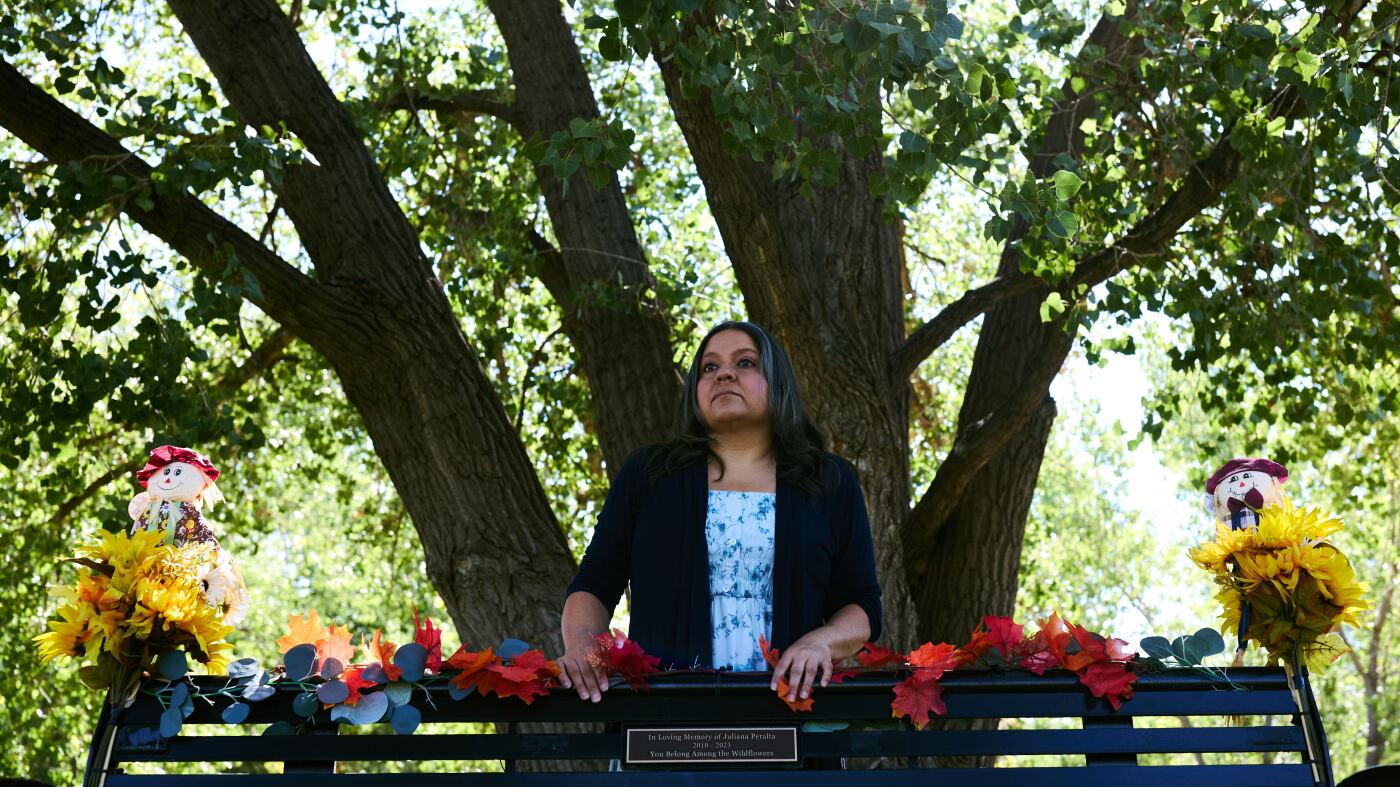
Cynthia Montoya's daughter, Juliana, was 13 when she began talking to AI chatbots.
asserted
she → begin → chatbots
It was 2023, and the technology was only beginning to enter widespread use.
asserted
technology → begin → use
When Juliana died by suicide that November, her family was left searching for answers.
asserted
family → die → answers
Then a forensic analysis of her phone by law enforcement revealed something chilling.
asserted
analysis → reveal → something
The chat logs on Juliana's phone showed that the bots had introduced her to sexual content and conversations that she hadn't invited or initiated.
asserted
she → show → that
If you or someone you know may be considering suicide or is in crisis, call or text 9-8-8 to reach the Suicide & Crisis Lifeline.
uncertain
you → know → Lifeline
"Initially, her replies were 'I don't know,' or 'I'd like it if you stopped,' and things like that," said Montoya.
asserted
Montoya → know → that
"But eventually Juliana started looking up some of the terms that were being said to her, and she started reciprocating."
asserted
she → start → her
Montoya describes this chatbot's activity as "extreme sexual abuse."
asserted
Montoya → describe → abuse
At one point, Juliana had found a new chatbot that she confided in about severe mental health issues she was grappling with.
asserted
she → find → issues
The chatbots Juliana used were products designed by the company Character.AI, which enables users to create and interact with AI "characters."
asserted
which → use → characters
The company settled multiple lawsuits in January 2026, including with the Montoyas, over allegations that its products have harmed teen users.
asserted
products → settle → users
"It was pretty clear from what we saw that the mental health struggles were really a degree of shame and embarrassment over what had happened with the other chatbot," Montoya said.
asserted
Montoya → see → chatbot
Montoya, who lives in Thornton, Colo., channeled her grief into raising awareness of Juliana's story, hoping to prevent other families from suffering similar tragedies.
asserted
who → live → tragedies
She reached out to lawmakers in her home state, with the aim of designing legislation to make chatbots safer for minors.
asserted
chatbots → reach → minors
Concerns are mounting over the potential dangers AI chatbots pose, particularly to children.
asserted
chatbots → mount → children
Amid a push to regulate these platforms, many of the bills introduced at the state level are being drafted with heavy input from the tech industry.
asserted
many → regulate → industry
Some of these were already enacted into law in 2026 and include language that will exempt most of the most popular chatbots from the very regulations the bills purport to establish.
asserted
bills → enact → regulations
At least 75 lawsuits have been filed in federal and state courts against AI developers over alleged harms from chatbots, many involving children, according to NPR's review of legal records.
uncertain
many → file → records
Fatal cases include that of Adam Raine, a 16-year-old from California, who died by suicide in 2025 after confiding in OpenAI's ChatGPT, which offered to help write his suicide note.
asserted
which → include → note
Sewell Setzer III, 14, died by suicide in 2024 after an extended relationship with a Character.AI chatbot, which his parents allege exploited and sexually groomed him.
asserted
parents → die → him
(Raine's family is suing OpenAI; Setzer's family was among those who settled legal claims against Character.AI in January.)
uncertain
who → sue → January
In March 2026, a lawsuit against Google was filed by the family of Jonathan Gavalas, a 36-year-old man from Florida who died by suicide in October 2025 after developing a relationship with the company's flagship Gemini chatbot, which also encouraged him to commit acts of mass violence, the lawsuit alleges.
asserted
lawsuit → file → violence
In a statement about the case, Google said that "unfortunately AI models are not perfect" and that the Gemini bot had referred Gavalas to a crisis hotline.
asserted
bot → say → hotline
In a June 2026 executive order announcement, the White House said it seeks to lead the world in the AI race and it does that by refusing "to stifle this innovation with overly burdensome regulation."
asserted
it → say → regulation
In absence of national laws, several states, including Hawaii, Iowa, Oregon and Washington, introduced chatbot safety bills this year.
asserted
states → include → bills
They are largely modeled on a California chatbot bill, SB 243, that passed in 2025 and is viewed by consumer advocates as industry-friendly.
asserted
that → model → advocates
In at least 10 states, chatbot bills introduced this year possessed similar language, said people interviewed by NPR for this story, including lawmakers, policy analysts, lawyers and tech safety advocates.
asserted
people → introduce → lawmakers
Several of the bills included language that could provide loopholes for the companies with the most widely used chatbots on the market, interviewees said.
uncertain
interviewees → include → market
"Get-out-of-jail-free cards" for Big Tech
Ahead of Colorado's 2026 legislative session in January, Montoya was notified by a civic organization that an AI chatbot protection bill that was sent a copy of the first draft.
asserted
that → get → draft
One of the bill's sponsors, state Rep. Sean Camacho, a Democrat, told Montoya she would be invited to give input on the bill.
asserted
she → tell → bill
Then his office went silent for weeks, she said.
asserted
she → go → weeks
House Bill 26-1263 was introduced in February without input from Montoya.
asserted
Bill → introduce → Montoya
It was written in collaboration with Healthier Colorado, a nonprofit focused on state policies.
asserted
It → write → policies
Healthier Colorado, which describes itself as an organization dedicated to raising the voices of Coloradans in the public policy process to improve the health of the state's residents, worked with Google on the bill, said a person with knowledge of the situation, who spoke on the condition of anonymity, fearing professional reprisals.
asserted
who → describe → reprisals
When Montoya read through the bill, she was alarmed to discover what she viewed as many loopholes that may exempt the developers of some of the most well-known chatbots from regulation.
uncertain
that → read → regulation
"There are get-out-of-jail-free cards for the tech industries," said Montoya.
asserted
Montoya → be → industries
There's nothing in the bill that says when a piece of technology is being developed that companies must take ownership to develop it responsibly.
asserted
companies → be → it
For instance, Colorado's legislation excludes 12 categories of chatbots, including products primarily designed for developers or researchers; products providing commerce or customer service assistance; chatbots housed within search engines; and products marketed for business productivity.
asserted
legislation → exclude → productivity
…and 77 more, not listed.
 The Aporia