What’s the ballot box issue for the Toronto mayoral election?
asserted
issue → ’ → election
It’s not yet clear.
asserted
It → ’ → ?
With only six weeks to go, there is no defining matter that has seized the minds of the electorate and driven the debate between candidates.
asserted
that → go → candidates
But there are examples of previous Toronto mayoral elections that have been strongly defined by a single issue.
asserted
that → be → issue
When David Miller was elected mayor in 2003, a defining issue was the island airport and Miller’s opposition to a bridge to it.
asserted
issue → elect → it
I can still vividly recall standing on the subway platform staring at fear-mongering campaign ads showing 747s coming in for landing on the island.
asserted
I → recall → island
Miller also did a good job of casting City Hall as corrupt and in need of cleaning up, which he did with the popular visual of holding a broom over his head at campaign rallies.
asserted
he → do → rallies
The island airport was an odd referendum question in that it didn’t impact many voters’ daily lives and certainly not their pocketbooks, but vibes and nostalgia are powerful political tools and Miller used them to his advantage.
asserted
Miller → impact → advantage
Speaking of vibes, when Rob Ford won the 2010 mayoralty it wasn’t on any specific platform points but on his well-known refrain to stop the gravy train.
asserted
it → speak → train
This message resonated with many people who felt forgotten by and shut out of City Hall for too long.
asserted
who → resonate → long
From that message, the enduring political tribe of Ford Nation was born.
asserted
tribe → endure → Nation
This year’s campaign doesn’t yet have a comparable focus and one may not even arise.
uncertain
one → have → focus
So far, the leading candidates are all thin on big ideas and headline-grabbing policies.
asserted
candidates → lead → ideas
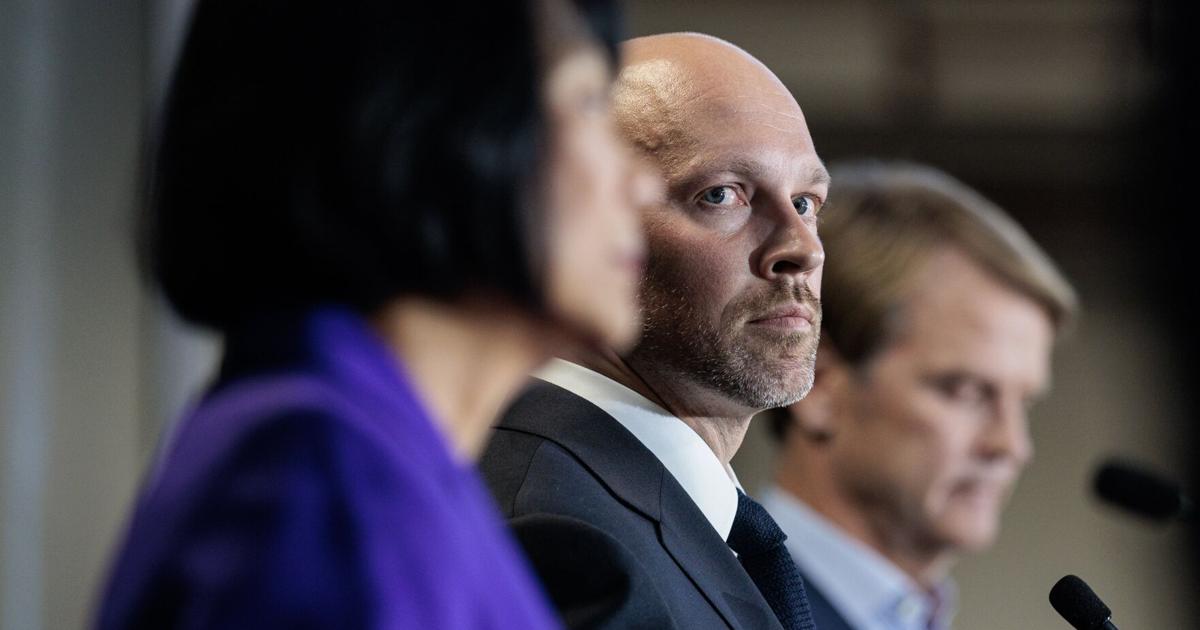
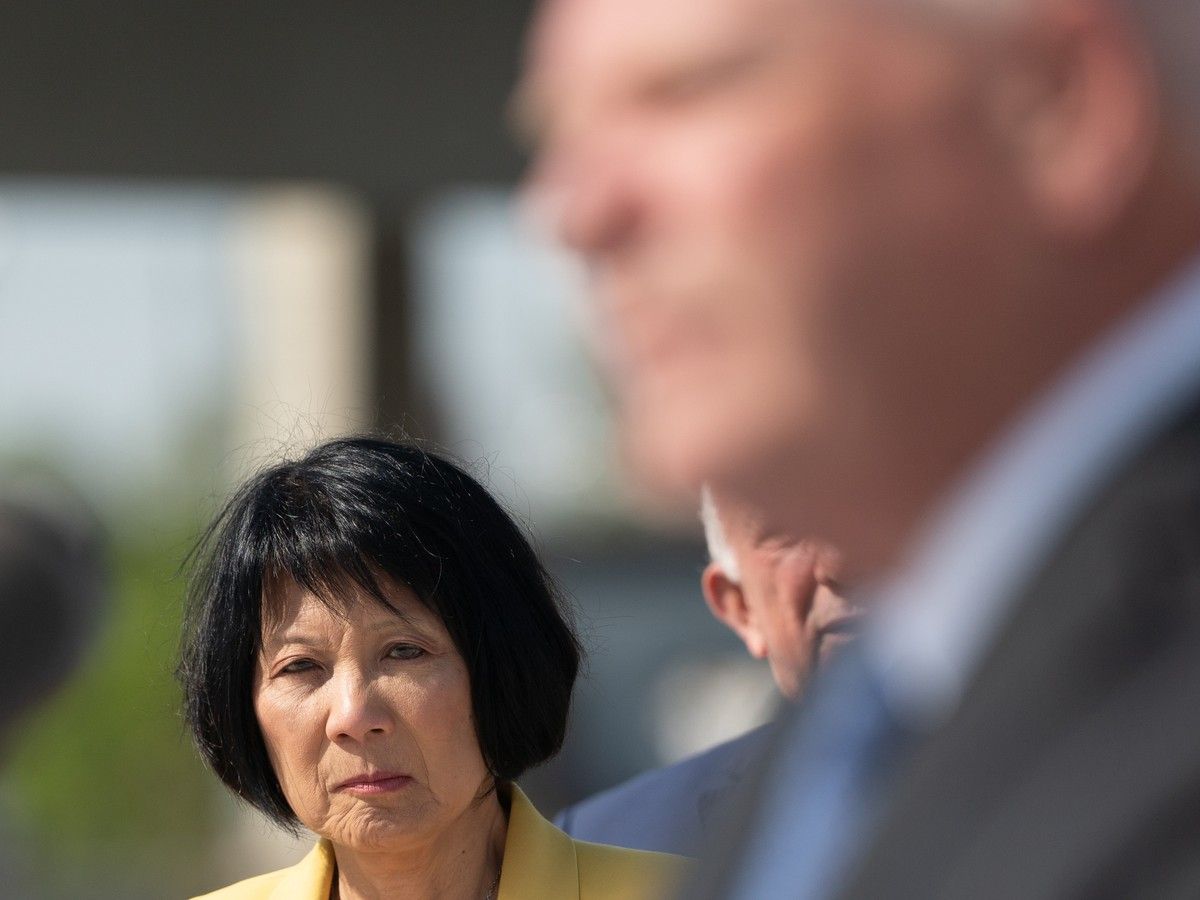
While both Mayor Olivia Chow and Coun. Brad Bradford would bristle at being told this, right now there really isn’t that much separating the two of them.
asserted
Chow → bristle → them
Long-time political observers will of course know there’s a big difference.
asserted
observers → know → course
But regular voters wouldn’t — not if we’re basing it on the candidates’ positioning and debate remarks to date.
asserted
we → base → date
Chow’s campaign slogan is to build “a more affordable, safe and caring city.”
asserted
slogan → build → city
One of Bradford’s slogans is “to build a safer, more affordable, and thriving city” — in addition to his headline refrain of “a city we can be proud of.”
asserted
we → build → city
None of this tells the voter much.
asserted
None → tell → much
As I discussed in my past column, the left-wing Chow’s re-election strategy appears to be to move to the centre and lean into the incumbent advantage.
asserted
strategy → discuss → advantage
Bradford was somewhat left-leaning a few years ago but has since made a pivot to the centre-right.
asserted
Bradford → lean → right
That said, he’s still campaigning closer to the centre and is endorsed by many Liberal politicians.
asserted
he → say → politicians
There’s a simple campaign logic to this approach for both of these candidates: The bulk of the votes are in the centre and that seems to be what the public wants.
asserted
public → ’ → what
It’s hard to fault the candidates for it but the downside is it then becomes hard for the voter to differentiate between them.
asserted
voter → ’ → them
The advantage may then go to Chow, as she’s the more widely known candidate, being the incumbent.
uncertain
she → go → Chow
Former federal cabinet minister Chris Alexander, a late entry to the race, likewise doesn’t have a clear rallying cry and so we’re left with three people on the debate stage all making relatively sanitized, ill-defined statements.
Congestion and public safety are the two topics that you hear people of all walks of life and political views complain about the most in Toronto.
asserted
people → have → Toronto
They’re legitimate problems that have worsened in the past few years and they are problems that the City can have a direct hand in fixing.
asserted
City → ’re → hand
They’re also likely to generate different positions between candidates, which then creates genuine choice among voters.
asserted
which → ’re → voters
These are the matters that I would relentlessly seize on.
asserted
I → seize → that
There’s still plenty of time for this to happen.
asserted
this → ’ → time
The dynamics of the race will change when lawn signs start going up at the beginning of October and candidates release their platforms shortly after.
asserted
candidates → change → platforms
Anthony Furey is a former journalist and past Toronto mayoral candidate who now works in corporate consulting.
asserted
who → work → consulting
 The Aporia