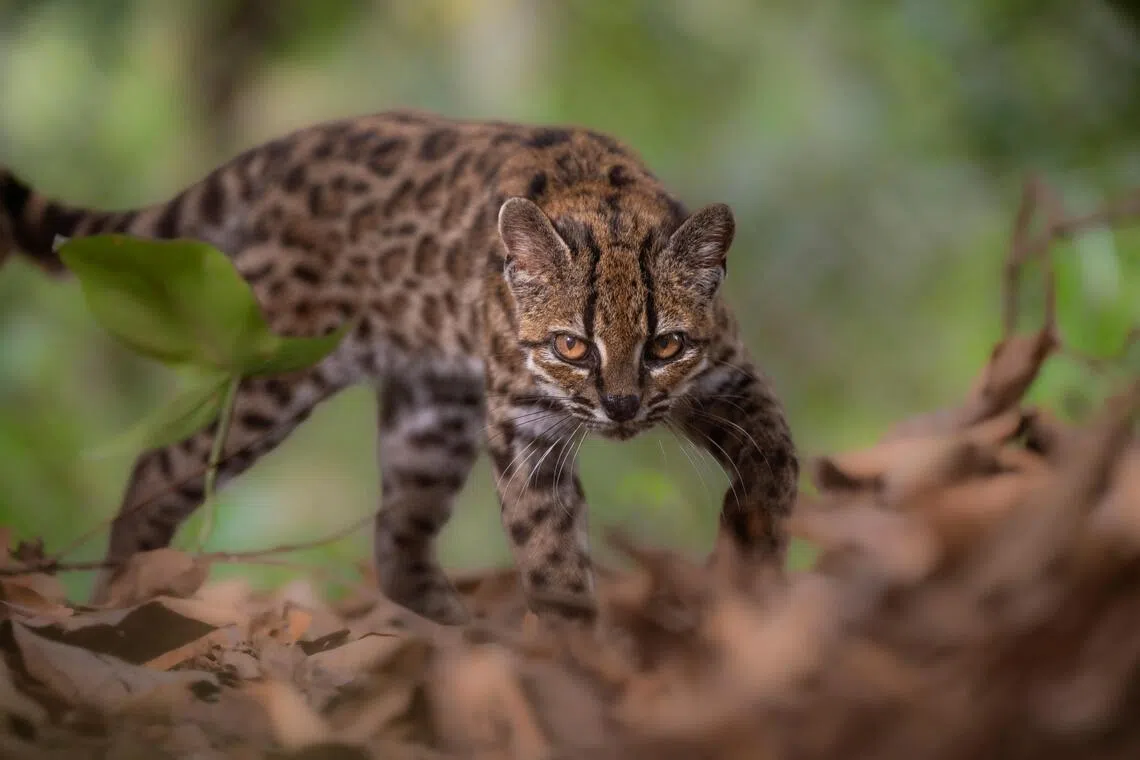
Photo via CBS News

New species of wild cat discovered for first time in more than a century

Read the original at CBS News ↗
Cite

New species of wild cat discovered for first time in more than a century. (2026, September 18). CBS News. https://www.cbsnews.com/news/wild-cat-species-discovered-bolivia/

Dated when The Aporia collected the article, usually within hours of publication. Check the original for its exact date and byline.

CBS News · collected 2026-09-18

Quick Summary

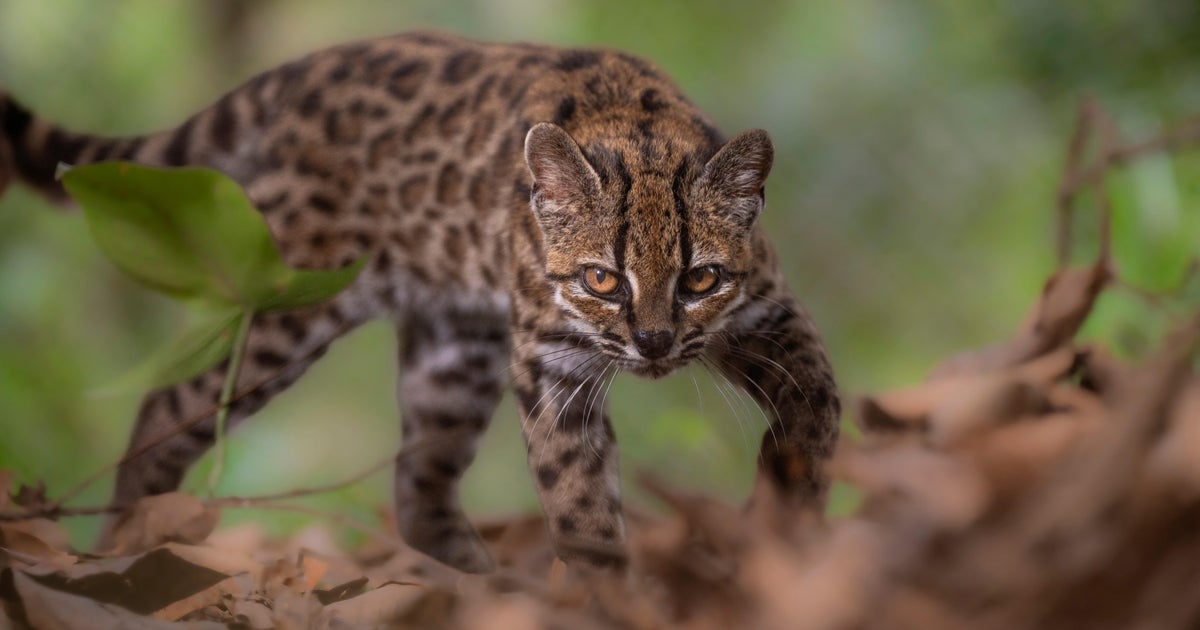
Scientists have identified a new species of wild cat in Bolivia's Yungas region near La Paz, marking the first discovery of its kind in over 100 years. Named Leopardus tilcayo or the Tilcayo tiger cat due to locals' reports and genetic testing, this small feline with distinctive leopard-like spots was initially mistaken for a house cat by local residents. The research team, led by biologist Paola Nogales-Ascarrunz, emphasizes that while the species is currently vulnerable, it could be at greater risk of extinction due to its limited population.
Written by AI on 2026-09-18, from this article's own text only (the story summary below draws on all the coverage).

AI analysis

Story summary

Summary of New Feline Species Discovery

Additional Insights

Written for “New Cat Species Bolivia” on 2026-11-01, grounded in this article and the 16 other(s) covering the same event.

Story

📰 New Cat Species Bolivia
Science · 17 article(s) covering the same event. Compare every outlet's account →

Compared with similar articles

This article reads unscored and hedges 9% of its claims. Each row says how that neighbour differs.
NBC News
Hedges 5 of 40 claims Outlet record 60/100
CBC News
Hedges 7 of 28 claims Outlet record 74/100
ABC News (US)
Hedges 1 of 21 claims Outlet record 70/100
Al Jazeera
Hedges 4 of 15 claims Outlet record 60/100
Times of India
Hedges 3 of 24 claims Outlet record 59/100
New York Post
Hedges 2 of 17 claims Outlet record 66/100
The Hindu
Hedges 6 of 26 claims Outlet record 60/100
Al Jazeera
Hedges 0 of 4 claims Outlet record 60/100
The Guardian
Hedges 6 of 26 claims Outlet record 66/100
The Straits Times
Hedges 6 of 28 claims Outlet record 66/100
How this article was measured signals, leaning charts, publisher record, byline, topics and claims

Signals How these are calculated →

Claims extracted
11
sentences that state something as happening or true
Uncertain
9%
1 of 11 hedged ("reportedly", "may", "according to")
Leaning
not political
takes no side on a contested political question
Publisher signals
66/100
CBS News's corrections and hedging, across everything collected from it. Not a measure of accuracy.
Outlets on this story
17
Science
Same framing elsewhere
1
articles that frame the event the way this one does
Analyzed 2026-09-18 · how these are computed

How this is being covered How these are calculated →

Article leaning vs. publisher reliability
Source leaning vs. consistency

Publisher

CBS News · 4309 article(s) · 6 correction(s) detected
Running correction rate · 6 correction(s)

Who wrote this

No reporter is named on this article.

Topics

AFP Bolivian La Paz National Geographic Uruguayan

Subjects

Nogales-Ascarrunz PERSON · 3× AFP ORG · 1× Bolivia GPE · 1× Bolivian NORP · 1× Current Biology ORG · 1× La Paz GPE · 1× National Geographic ORG · 1× Paola Nogales-Ascarrunz PERSON · 1× Uruguayan NORP · 1× Yungas GPE · 1×

Narrative

Research on the species was published on Thursday in the journal Current Biology, capping off research that scientists began in 2021. "So far, it's only been detected in Bolivia" and not "anywhere else on the planet," Nogales-Ascarrunz said.
framing: assertive · carried by 1 article(s) · first seen 2026-09-18
🔮 She said the creatures were classified as vulnerable to extinction, but their small numbers meant they could soon be considered "at much greater risk" of dying out.

Claims (11 extracted, 1 hedged)

Scientists have discovered a new species of wild cat for the first time in more than a century, a Bolivian researcher told AFP on Thursday. asserted
researcher → discover → Thursday
The Tilcayo tiger cat, a small feline with a spotted, leopard-like coat, was identified in the mountainous Yungas region near the capital, La Paz. asserted
cat → identify → capital
Locals who saw the creature in the Bolivian Andes had mistaken it for an ordinary house cat, said biologist and National Geographic explorer Paola Nogales-Ascarrunz, who was part of the research team that studied them. asserted
that → see → them
The nickname "tilcayo" given to the animal by locals inspired its new scientific designation: Leopardus tilcayo. asserted
nickname → give → designation
Nogales-Ascarrunz lauded the discovery as a "remarkable event, because a new wild cat species hasn't been described in 100 years." The cat is the first feline discovered since the Uruguayan pampas cat in 1923. asserted
cat → laud → 1923
The tilcayo is slightly smaller than a domestic cat, measuring around 18 inches, with rounded ears. asserted
tilcayo → measure → ears
A pair of tilcayos -- the only such creatures found so far -- have undergone whole genome sequencing, Nogales-Ascarrunz said, referring to a type of in-depth genetic testing. asserted
Ascarrunz → find → testing
A male tilcayo is living at an animal shelter in Yungas after it was handed over by a family who had taken it in. asserted
who → live → it
A female was rescued and released into the wild after being attacked by locals. asserted
female → rescue → locals
Research on the species was published on Thursday in the journal Current Biology, capping off research that scientists began in 2021. "So far, it's only been detected in Bolivia" and not "anywhere else on the planet," Nogales-Ascarrunz said. asserted
Ascarrunz → publish → planet
She said the creatures were classified as vulnerable to extinction, but their small numbers meant they could soon be considered "at much greater risk" of dying out. uncertain
they → say → risk

💬Give feedback
🕘History 🎫Support