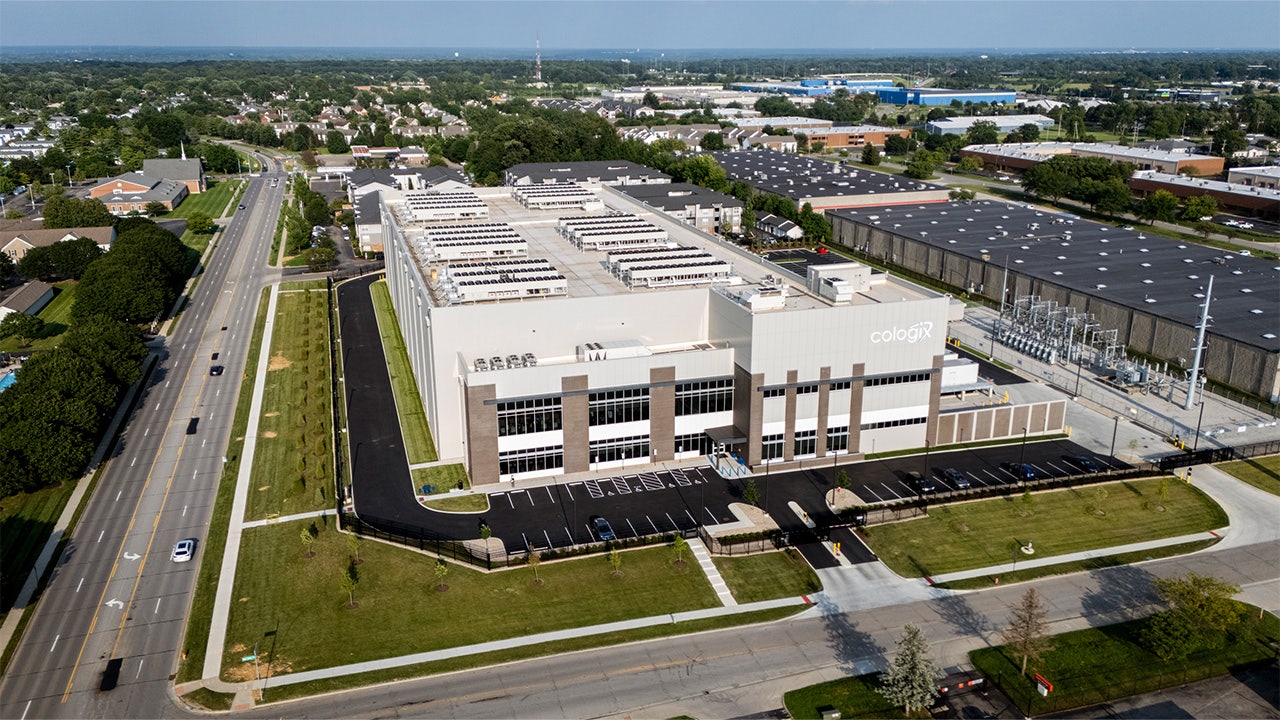
Yet the recent backlash on artificial intelligence (AI) data centers reveals we have not learned from our offshoring mistakes: creating dependencies that will not be easily reversed.
asserted
that → reveal → dependencies
Whether or not AI data centers are built in America, AI is here to stay.
asserted
AI → build → America
Either we choose to shape the trajectory of AI technology by embracing the AI data center buildout or cede this advantage to other nations that are eager to lead the AI race.
asserted
that → choose → race
China, for example, announced nearly $300 billion in data center investment through 2030, not including private sector spending.
asserted
China → announce → spending
India is offering a 20-year tax holiday for foreign cloud operators and the Republic of Korea is offering regulatory relief.
asserted
Republic → offer → relief
Meanwhile, many Americans are calling for moratoriums.
asserted
Americans → call → moratoriums
The national security consequences of who hosts AI data centers go beyond competition with China.
asserted
who → host → China
If we do not build AI data centers in the United States, we risk everything that is inside the data centers: the data, compute, and intellectual property (IP) that drive innovation, protect privacy, and enable sovereignty.
asserted
that → build → sovereignty
We will also forfeit our ability to set the security standards for this critical infrastructure.
asserted
We → forfeit → infrastructure
A significant amount of data is required to make AI useful, all of which must pass through AI data centers.
asserted
all → require → centers
Data, therefore, must be handled carefully — especially for privacy reasons — and viewed as a national asset.
asserted
Data → handle → asset
Adversaries will view data routed through AI data centers as an opportunity to advance their own AI ambitions.
asserted
Adversaries → view → ambitions
Data may be collected for espionage purposes or to accelerate adversaries’ own AI models, as we have seen China do time and again in cyberspace and through adversarial distillation.
uncertain
China → collect → distillation
Adversaries may also conduct adversarial attacks during model training, which could, without our knowledge, degrade and manipulate data that determines the performance of AI models.
uncertain
that → conduct → models
Either way, insecure or compromised data impacts everyone — from large businesses to individuals — and exposes potentially sensitive information.
asserted
data → compromise → information
America currently hosts 75% of global high performance compute, making it a true strategic advantage.
asserted
it → host → compute
Strong export controls on advanced compute enable us to widen America’s AI lead against adversaries and work with allies and partners to shape the trajectory of AI.
asserted
controls → enable → AI
Our commitment to increased domestic semiconductor production through implementation of the CHIPS and Science Act is reinforcing our lead with new U.S. capacity.
asserted
commitment → increase → capacity
But where do chips go once we have them?
asserted
we → go → them
Many of them go to AI data centers.
asserted
Many → go → centers
By sending AI data centers overseas, the chips will follow — and potentially the businesses that supply them.
asserted
that → send → them
Re-offshoring will have a detrimental impact on U.S. resiliency and the U.S. economy, which has prepared for the reindustrialization of semiconductor manufacturing for the past four years.
asserted
which → have → years
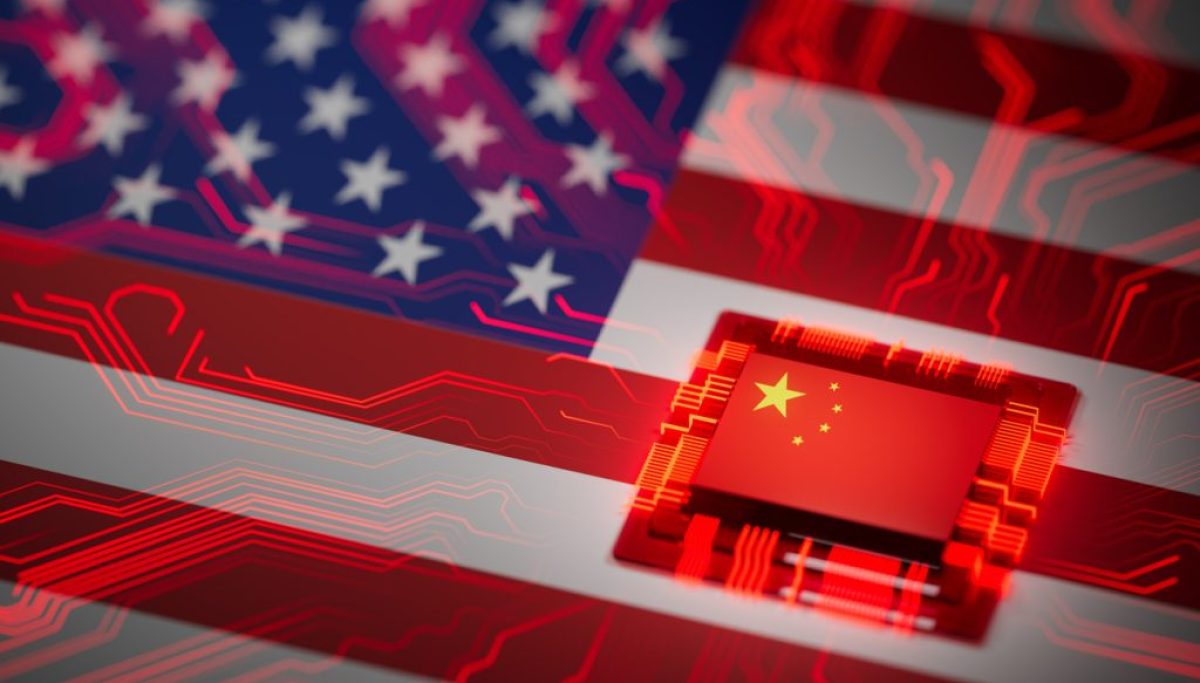
Today, China’s semiconductors are a few generations behind the leading-edge due to U.S. export controls on high-end chips and equipment.
asserted
semiconductors → lead → chips
But if chips are increasingly housed overseas where we cannot enforce security standards, we may increase the ease of remote access instead of closing this loophole, further enabling China to accelerate its own AI development.
uncertain
we → house → development
Relying on overseas AI data centers will also kneecap us in the event of a global crisis because other nations–not the United States–will decide where to surge compute.
asserted
nations → rely → compute
There is no guarantee that America will receive any of that capacity, but what we do receive will be slow because it will not be on our shores.
asserted
it → be → shores
Compute capacity is already severely constrained and will only become more limited as demand grows for AI tools.
asserted
demand → constrain → tools
This will impact our military, which already faces a potential compute bottleneck, and our innovators powering new breakthroughs, including researchers, students, and startups.
asserted
which → impact → researchers
Having AI data centers in America ensures we can comfortably prioritize access during a crisis while continuing to foster our innovation economy and technical workforce.
asserted
we → have → economy
Tying together data and compute is AI IP, which includes the AI models and model weights that have enabled America to stay at the frontier.
asserted
that → tie → frontier
IP is already a well-known target for the Chinese Communist Party (CCP), and this extends to AI.
asserted
this → know → AI
China has already engaged in IP theft through adversarial distillation to compete with proprietary, American frontier models.
asserted
China → engage → models
Sending AI data centers overseas is like handing IP over to the CCP, which they will continue to use for their own market dominance and, presumably, their military advantage.
asserted
they → send → dominance
Luckily, America currently hosts the most AI data centers.
asserted
America → host → centers
However, given about 60% of announced projects for this year have yet to begin construction, this lead cannot be taken for granted.
asserted
lead → give → construction
As companies and policymakers seize this moment to reframe the narrative about resource use and benefit to local communities, three immediate actions can build public confidence and ensure America’s security interests.
asserted
actions → seize → interests
First, America should leverage federal land to start rapid AI data center buildout.
asserted
America → leverage → buildout
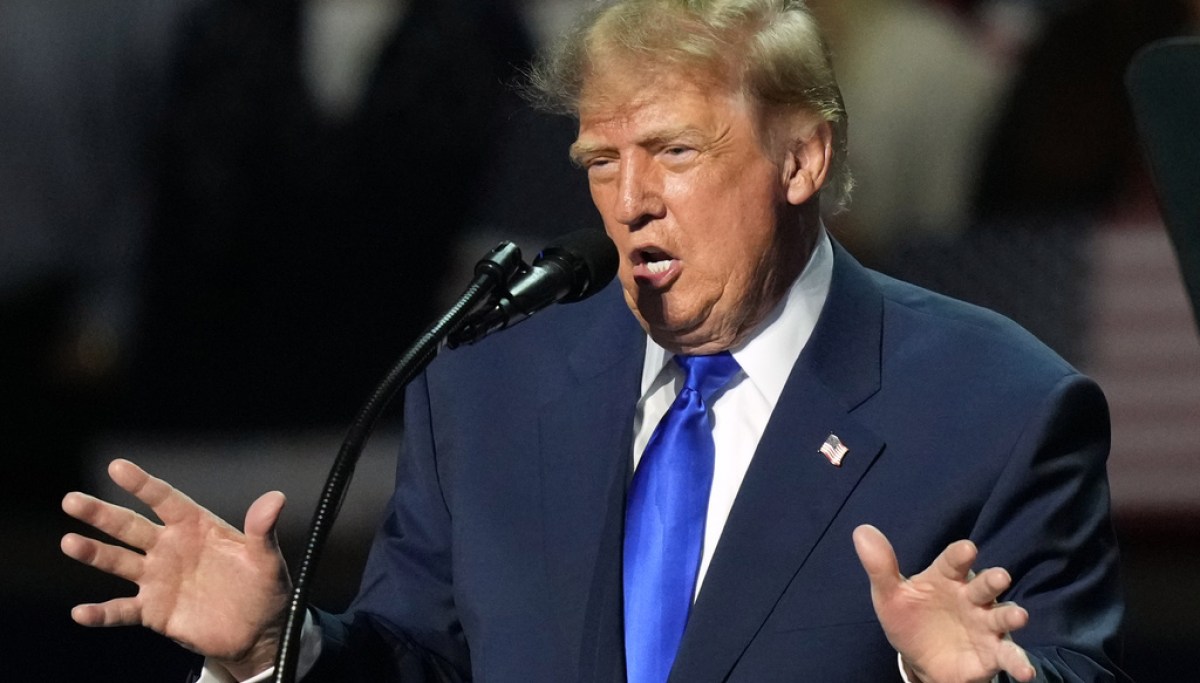
In July 2025, President Trump signed an Executive Order to open up federal land and streamline permitting for commercial AI data centers.
asserted
Trump → sign → centers
By using this authority, America can ensure AI is viewed as a common good instead of a local burden.
asserted
AI → use → good
It also puts the responsibility on the U.S. government, rather than local communities, to work with data center developers to scale AI using modest resources.
asserted
It → put → resources
…and 13 more, not listed.
 The Aporia