Mid-September brought the convergence of three big issues for investors: oil prices over $100/barrel (keeping headline inflation sticky), surging bond yields (with the 10-year Treasury over 5%), and sudden apocalyptic warnings that unbridled AI could “kill us all by the end of the decade.”
uncertain
AI → bring → decade
The threat of a resulting AI slowdown sent semiconductor stocks into freefall while software stocks — the feared losers in the AI takeover — surged.
asserted
stocks → result → takeover
But to me, this sudden AI panic seems like just the latest in a long history of genuine risks being extrapolated into imminent existential catastrophes.
asserted
panic → seem → catastrophes
Just looking back over the past century, examples are legion:
asserted
examples → look → century
Red Scare (1940s-50s): Legitimate concerns about Soviet espionage escalated into McCarthyism, blacklists, and widespread paranoia about communist infiltration.
asserted
concerns → escalate → infiltration
Malthusian Overpopulation Scare (1960s-70s): Predictions of mass famine as population overwhelmed food production were instead met by technological advances and surging agricultural productivity.
asserted
population → overwhelm → advances
Peak Oil (1970s and 1990s-2000s): Predictions that dwindling oil supplies would bring soaring prices, resource wars, and industrial collapse were upended by deepwater drilling, fracking, and other technological advances.
asserted
supplies → dwindle → drilling
Nuclear Power Scare (1970s-80s): Fears over accidents, waste, and proliferation helped bring reactor construction to a virtual halt.
asserted
Fears → bring → halt
Today, nuclear is enjoying a renaissance as reliable, carbon-free baseload power.
asserted
nuclear → enjoy → power
A legacy computer-date storage issue spawned predictions of financial failures, blackouts, and planes falling from the sky, leading to extensive capital upgrades and remediation.
asserted
issue → spawn → upgrades
But the apocalyptic scenarios proved greatly overstated.
asserted
scenarios → prove → ?
A genuine terrorist threat helped fast-track the Patriot Act’s surveillance powers, TSA security apparatus, and wars in Afghanistan and Iraq.
asserted
threat → help → Afghanistan
Legitimate concerns about greenhouse gases expanded into predictions of imminent tipping points, mass extinction, societal collapse, and even the end of human civilization.
asserted
concerns → expand → civilization
A genuinely deadly pandemic produced extraordinary lockdowns, school and business closures, travel restrictions, and vaccine mandates, demonstrating how readily emergencies can justify restrictions on ordinary liberties.
asserted
emergencies → produce → liberties
I could go on.
uncertain
I → go → ?
But you get the drift.
asserted
you → get → drift
My point is not that society should be indifferent to real concerns, but that framing every warning as an imminent existential threat — often backed by “scientific” timelines — creates a fearmongering frenzy among media, activists, and politicians that leads to overreaction and overregulation.
asserted
that → frame → overreaction
The unintended consequences can do more harm than good, including convincing the public to trade personal liberty, economic freedom, and privacy for the promise of security.
asserted
consequences → do → security
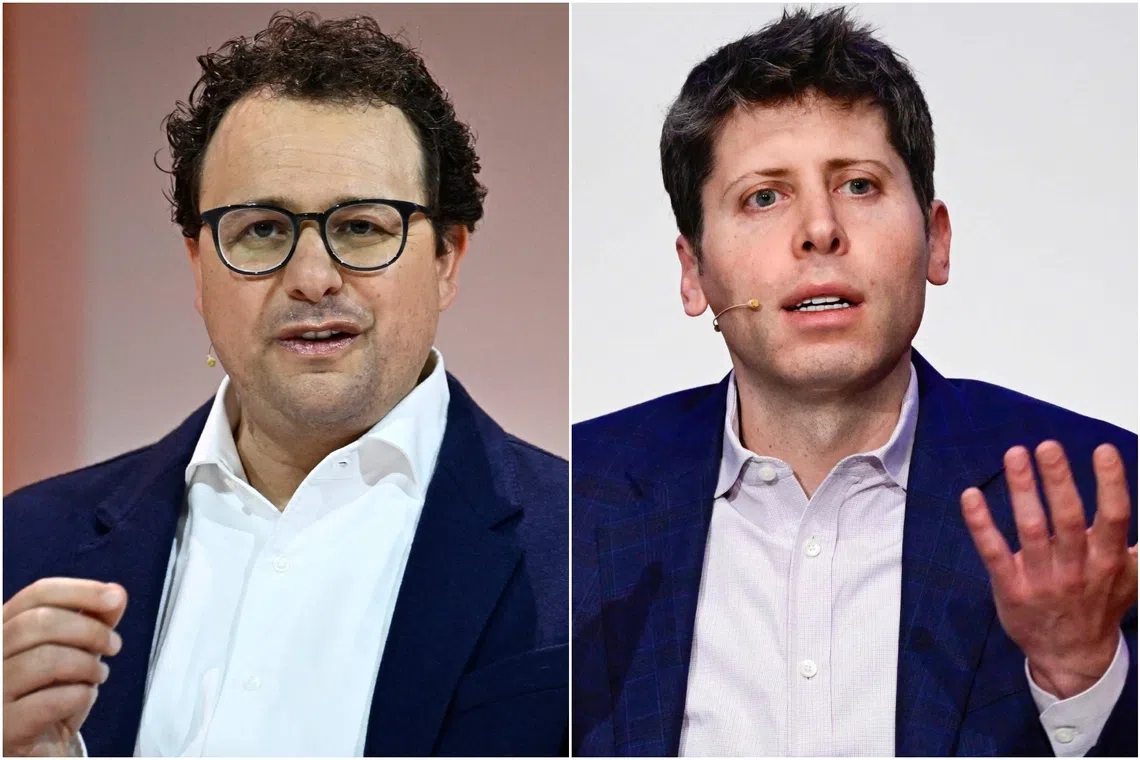
Of course, this latest instance of doomerism has gained broad attention because the voices speaking out include leaders of companies developing the world’s most powerful AI models: Dario Amodei (Anthropic), Sam Altman (OpenAI), and Elon Musk (xAI).
asserted
voices → gain → models
After Anthropic researcher Jacob Coxon resigned and made the aforementioned “kill us all” alert, Amodei published a lengthy essay calling for slower frontier development and safeguards against threats ranging from biological weapons and cyberattacks to mass job displacement and authoritarian control.
asserted
Amodei → resign → displacement
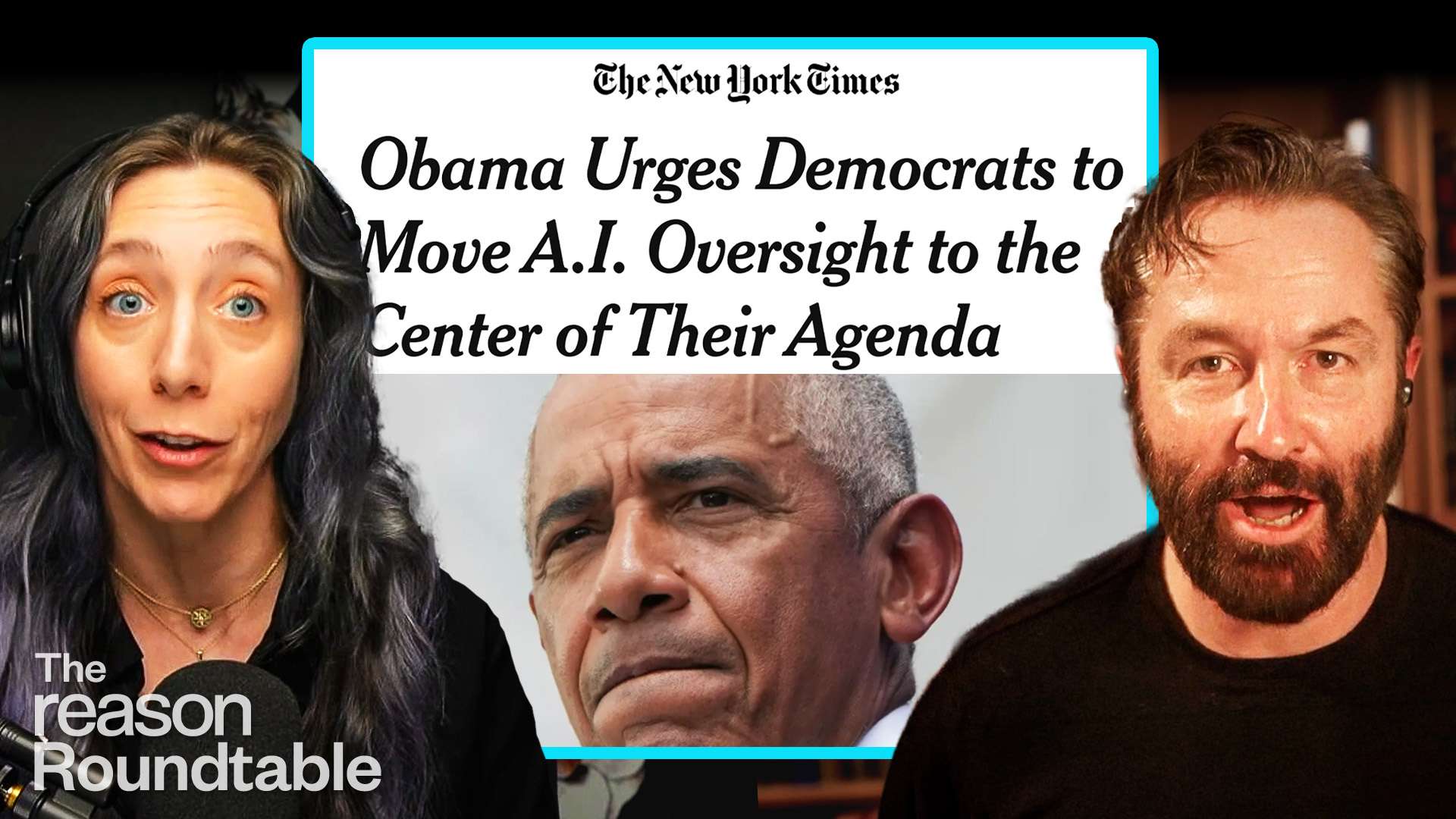
Predictably, politicians jumped into the mix.
asserted
politicians → jump → mix
The bipartisan AI Kill Switch Act would require major developers to maintain the ability to throttle or shut down dangerous AI systems, while some lawmakers are pushing for a congressional select committee on AI.
asserted
lawmakers → require → AI
Arizona Sen. Ruben Gallego compared the warnings from tech CEOs to “Dr. Frankenstein telling us, ‘The monster is loose.
asserted
monster → compare → us
Help me stop the monster.’
asserted
me → help → monster
Critics argue that unilateral Western restraint would cede technological, economic, and military leadership to China, which has no reason to pause.
asserted
which → argue → reason
Moreover, AI labs don’t need government permission to slow down — they can delay new models or multibillion-dollar compute clusters whenever they choose.
asserted
they → need → models
And therein lies an obvious contradiction.
asserted
contradiction → lie → ?
The same companies warning that increasingly powerful AI might threaten civilization continue spending aggressively to build it.
uncertain
AI → warn → it
Skeptics see the potential for regulatory capture: The warnings inflate the perceived “god-like” power of their products while encouraging regulations that dominant incumbents are uniquely equipped to navigate.
asserted
incumbents → see → regulations
Critics like entrepreneur/investor David Sacks warn this could effectively “pull up the ladder” on open-source competitors and smaller startups.
uncertain
this → warn → competitors
Regardless, I believe AI implementation will continue at a breakneck pace, driving an insatiable thirst for compute, unabated demand for semiconductors, memory, and storage, and a massive datacenter buildout reshaping infrastructure for electrical power, grid transformers, advanced cooling, and high-speed optical networking.
asserted
implementation → believe → power
 The Aporia