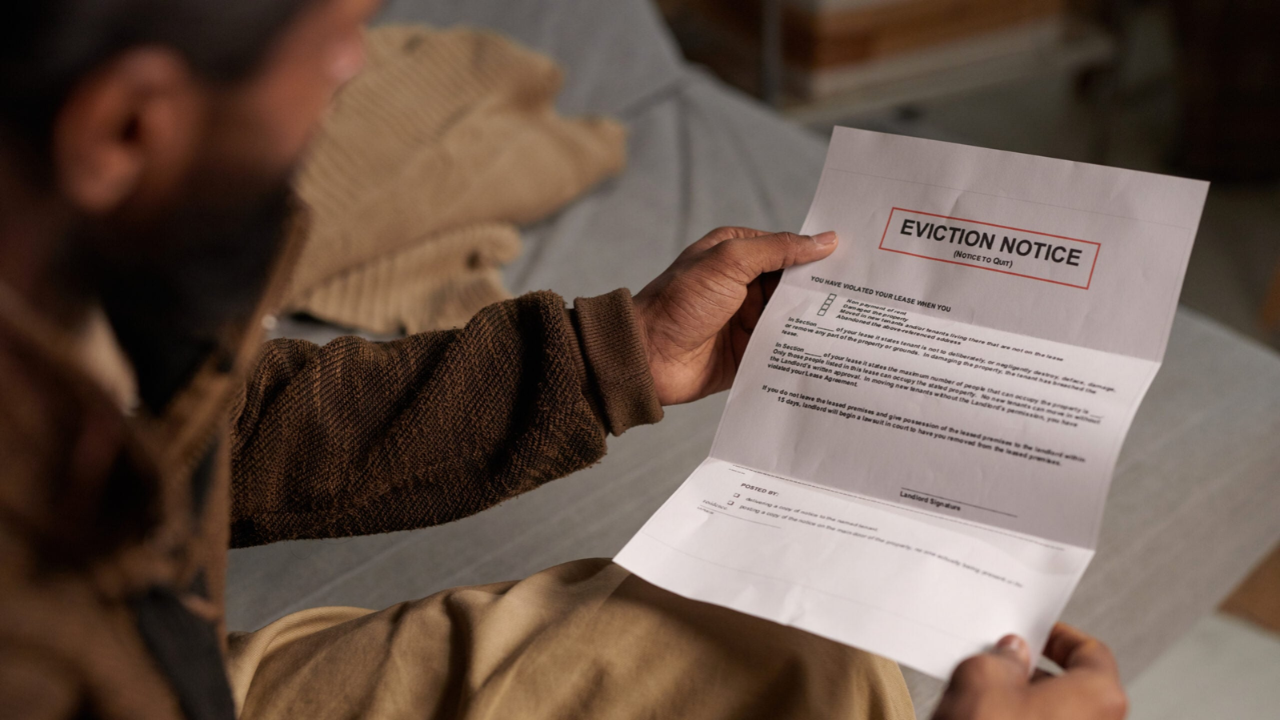
Photo via Times of India

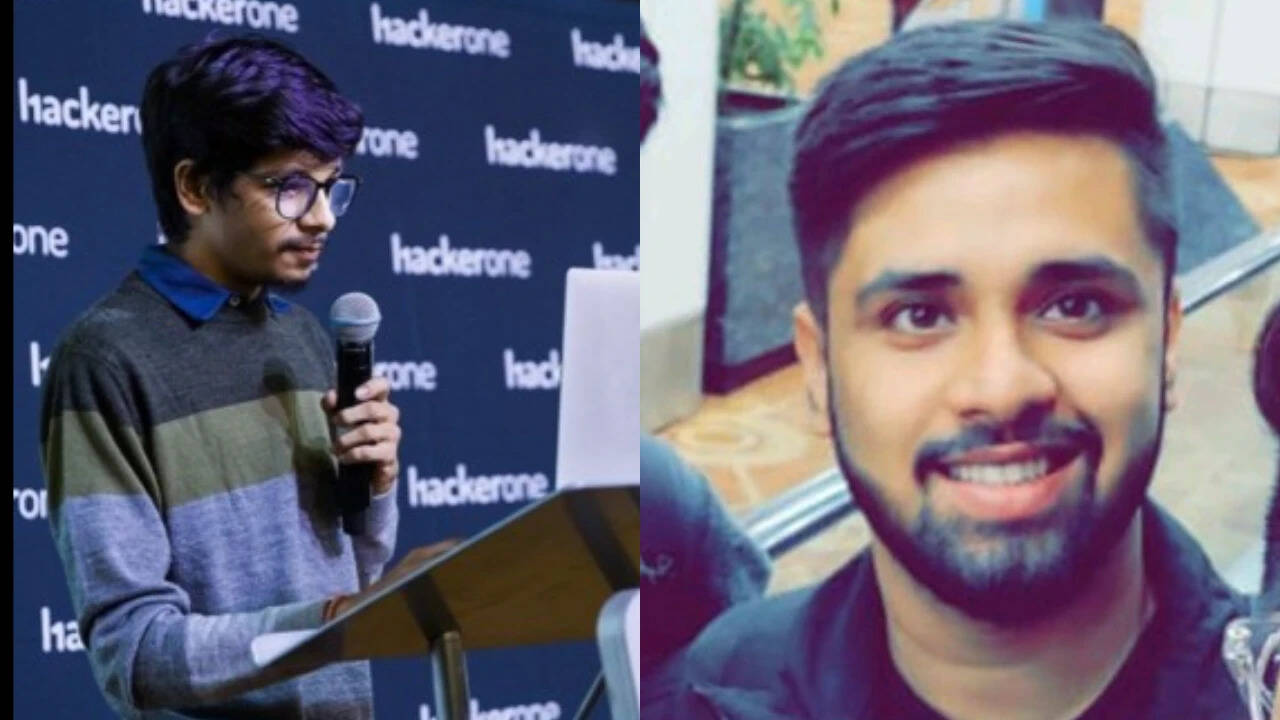
Meet Harsh Jaiswal, Mohan Pedhapati and Rahul Maini: 3 Indian-origin researchers who used Claude to breach OpenAI systems, won $6,500 bounty

Read the original at Times of India ↗
Cite

TOI World Desk. (2026, September 18). Meet Harsh Jaiswal, Mohan Pedhapati and Rahul Maini: 3 Indian-origin researchers who used Claude to breach OpenAI systems, won $6,500 bounty. Times of India. https://timesofindia.indiatimes.com/world/us/meet-harsh-jaiswal-mohan-pedhapati-and-rahul-maini-3-indian-origin-researchers-who-used-claude-to-breach-openai-systems-won-6500-bounty/articleshow/134338838.cms

Dated when The Aporia collected the article, usually within hours of publication. Check the original for its exact date and byline.

Times of India · collected 2026-09-18 · by TOI World Desk

Quick Summary

Cybersecurity researchers Harsh Jaiswal, Mohan Pedhapati, and Rahul Maini from Hacktron AI used Anthropic's Claude AI to uncover and exploit vulnerabilities in OpenAI’s systems, gaining access to employee accounts and an internal code repository within 72 hours. They spent less than $3,000 on AI tokens and were awarded a $6,500 bounty by OpenAI for responsibly disclosing their findings. The attack began with exploiting a vulnerability in Discourse's image-processing software at OpenAI’s community forum, allowing them to chain this with other weaknesses to penetrate further into the system.
Written by AI on 2026-09-18, from this article's own text only (the story summary below draws on all the coverage).

AI analysis

Story summary

In September, cybersecurity researchers at Hacktron AI used Anthropic’s Claude chatbot to breach OpenAI’s internal systems, gaining access to employee accounts and an internal GitHub repository. The researchers discovered a flaw in OpenAI's public help forum hosted by Discourse, which they exploited within 72 hours. They reported the issue immediately, and OpenAI fixed it within 14 hours while paying Hacktron a $6,500 bounty. The incident highlights how quickly AI can be repurposed for cyberattacks, despite efforts to ensure ethical use through bug-hunting programs like this one.

Written for “AI Breach Risks” on 2026-11-03, grounded in this article and the 7 other(s) covering the same event.

Story

📰 AI Breach Risks
Technology · 8 article(s) covering the same event. Compare every outlet's account →

Compared with similar articles

This article reads unscored and hedges 18% of its claims. Each row says how that neighbour differs.
Dawn
Hedges 0 of 14 claims Outlet record 72/100
NBC News
Hedges 2 of 19 claims Outlet record 60/100
Persuasion
Hedges 22 of 113 claims
“Article A describes a breach by AI agents without human approval, while Article B details a legitimate security research effort conducted by humans with company knowledge.”
Semafor
⚖️ Centre Hedges 0 of 4 claims Outlet record 59/100
The Guardian
⚖️ Leans right Hedges 2 of 15 claims Outlet record 66/100
The Straits Times
Hedges 0 of 15 claims Outlet record 66/100
CBS News
Hedges 2 of 16 claims Outlet record 66/100
CBS News
Hedges 0 of 3 claims Outlet record 66/100
New York Post
Hedges 1 of 30 claims Outlet record 66/100
“Article A describes a specific security breach conducted by researchers, while Article B discusses broader industry practices and skepticism towards reported AI security issues.”
How this article was measured signals, leaning charts, publisher record, byline, topics and claims

Signals How these are calculated →

Claims extracted
17
sentences that state something as happening or true
Uncertain
18%
3 of 17 hedged ("reportedly", "may", "according to")
Leaning
not political
takes no side on a contested political question
Publisher signals
59/100
Times of India's corrections and hedging, across everything collected from it. Not a measure of accuracy.
Outlets on this story
8
Technology
Same framing elsewhere
1
articles that frame the event the way this one does
Analyzed 2026-09-18 · how these are computed

How this is being covered How these are calculated →

Article leaning vs. publisher reliability
Source leaning vs. consistency

Publisher

Times of India · 3984 article(s) · 3 correction(s) detected
Running correction rate · 3 correction(s)

Who wrote this

TOI World Desk
1381 article(s) here · 1 carrying a prediction
🔮 The restored property will take time to develop into a mature habitat, but the project offers an example of how privately owned agricultural land can contribute to biodiversity recovery.
🔮 The return of these mammals is therefore expected to benefit more than just the animals themselves.
🔮 Origins of the emergency relief campaign The project started in early 2020 when Dozier realised that federal emergency support money could take months to reach low-income workers who were at immediate risk of losing their homes.
🔮 Before that, visitors could participate in organised activities such as guided hikes, birdwatching, educational programmes and public hunts.
🔮 While their decision to buy an abandoned French hamlet might appear like an unexpected adventure, Yip and Paul's official website reveals that their story together began decades earlier.
🔮 Hundreds of polar bears are expected to gather near the Canadian town of Churchill in Manitoba as temperatures fall and the animals wait for Hudson Bay to freeze.
🔮 Together they would support the reforestation of Mutuba trees in Uganda for three years.
🔮 In the letter, he apologised for forgetting to send his greetings earlier and expressed hope that they would meet the following year again.
🔮 Meeker told Signal Akron that the sculpture contained details that people could continue discovering over time.
🔮 The possibility that the farm could eventually reach another generation now seems less remote.
Wire or desk byline, not an individual reporter.
Also by TOI World Desk
Nothing else under this byline is closely related to this article, so these are simply their most recent.
All 1381 articles by TOI World Desk →

Topics

Anthropic Codex Discourse Indian OpenAI

Subjects

OpenAI ORG · 12× Anthropic ORG · 2× Discourse ORG · 2× Harsh Jaiswal PERSON · 2× Indian NORP · 2× Mohan Pedhapati PERSON · 2× Rahul Maini PERSON · 2× GitHub ORG · 1× Hacktron AI ORG · 1× Wall Street Journal ORG · 1×

Narrative

To safely demonstrate proof of access without viewing sensitive IP or source code, they used a compromised employee's Codex account to submit a harmless pull request to OpenAI's internal private repository They prominently used Anthropic's Claude AI models (spending under $3,000 in API tokens) to help write, debug, and port the binary exploits faster, showcasing how offensive AI capabilities accelerate vulnerability research.
framing: assertive · carried by 1 article(s) · first seen 2026-09-18
🔮 Three Indian-origin cybersecurity researchers, Harsh Jaiswal, Mohan Pedhapati and Rahul Maini, demonstrated how Anthropic's Claude AI could be used to exploit vulnerabilities and gain access to OpenAI employee accounts and the company's internal code repository, Wall Street Journal reported.

Claims (17 extracted, 3 hedged)

Three Indian-origin cybersecurity researchers, Harsh Jaiswal, Mohan Pedhapati and Rahul Maini, demonstrated how Anthropic's Claude AI could be used to exploit vulnerabilities and gain access to OpenAI employee accounts and the company's internal code repository, Wall Street Journal reported. uncertain
Journal → demonstrate → accounts
The researchers, who work at cybersecurity startup Hacktron AI, carried out the research in July 2026 while investigating security weaknesses at leading AI companies. asserted
who → work → companies
They eventually chained two separate vulnerabilities to move from OpenAI's public community forum to employee ChatGPT and Codex accounts and then to an internal GitHub repository. asserted
They → chain → repository
The researchers said the entire chain, from their initial discovery to demonstrating access to OpenAI's internal repository, took less than 72 hours. asserted
chain → say → hours
They spent under $3,000 on AI tokens and won a bounty of $6,500 after they disclosed the issues to OpenAI. asserted
they → spend → OpenAI
How did the researchers get into OpenAI's systems? asserted
researchers → get → systems
The attack began at community.openai.com, OpenAI's community and help forum, which is operated using the third-party platform Discourse. asserted
which → begin → platform
Hacktron researchers discovered that specially crafted HEIC/HEIF image files could exploit a vulnerability in the image-processing software used by Discourse. uncertain
files → discover → Discourse
The vulnerability was linked to the `libheif` image-decoding library and could allow remote code execution — essentially giving an attacker the ability to execute commands on the affected server. uncertain
vulnerability → link → server
However, gaining control of the forum server alone did not provide direct access to OpenAI's internal code. asserted
gaining → gain → code
To safely demonstrate proof of access without viewing sensitive IP or source code, they used a compromised employee's Codex account to submit a harmless pull request to OpenAI's internal private repository They prominently used Anthropic's Claude AI models (spending under $3,000 in API tokens) to help write, debug, and port the binary exploits faster, showcasing how offensive AI capabilities accelerate vulnerability research. asserted
capabilities → demonstrate → research
Then they reported the findings responsibly through Bugcrowd and HackerOne to OpenAI and Discourse. asserted
they → report → OpenAI
OpenAI patched the identity issue shortly after notification and awarded them a $6,500 bug bounty. asserted
OpenAI → patch → bounty
In a statement to Forbes, OpenAI spokesperson Drew Pusateri said the company thanked the researchers “for contacting us and sharing their findings,” and noted that it had resolved the vulnerability. asserted
it → say → vulnerability
No brand name, colleges or companies' Tech commentator Deedy Das pointed out that none of the three researchers had any big college name on their CVs. asserted
none → point → CVs
"Here are the LinkedIns of the 3 Indian guys who hacked OpenAI with Opus 5 in 2 days for <$3000: Rahul Maini, Mohan Pedhapati and Harsh Jaiswal. asserted
who → hack → 3000
You can just do things," Das posted. asserted
Das → do → things
💬Give feedback
🕘History 🎫Support