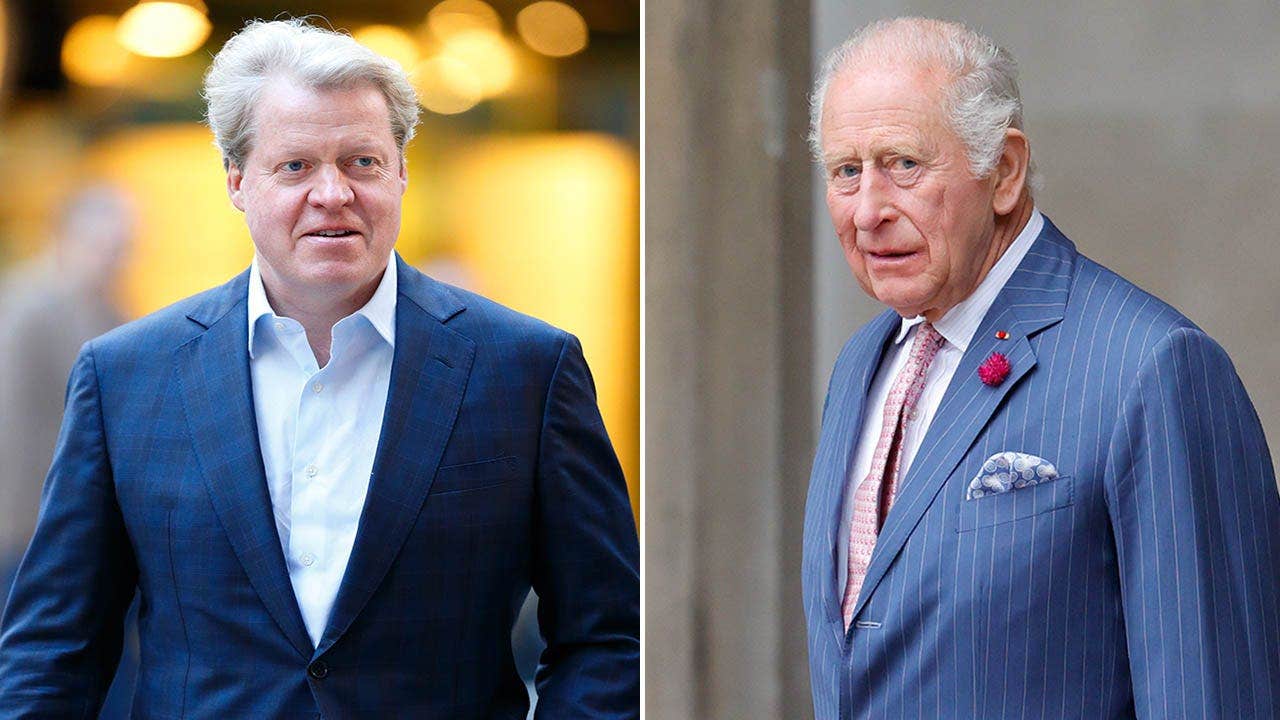
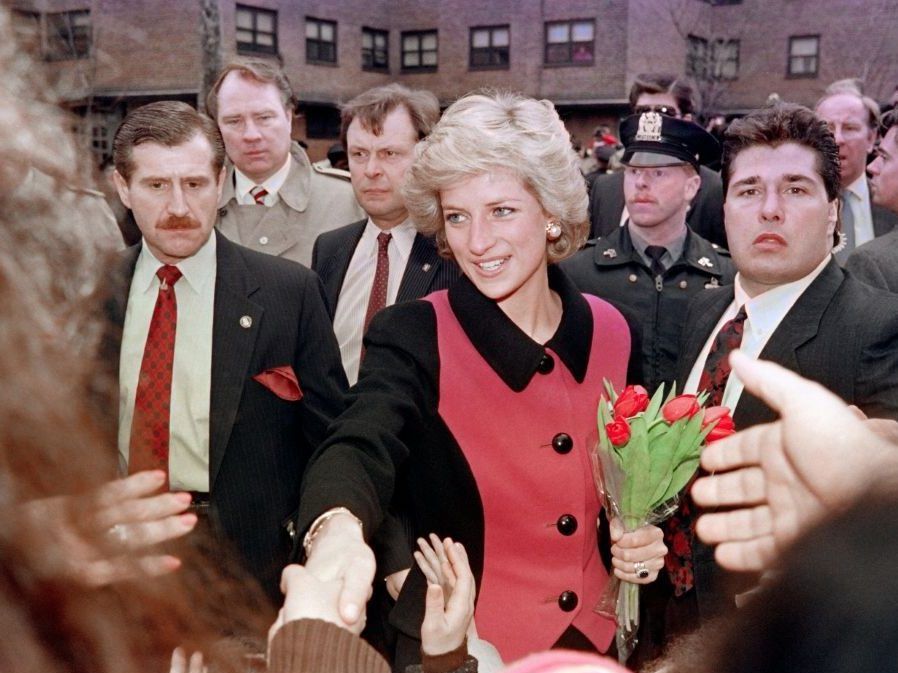
Earl Spencer has doubled down on his claims that the King made disparaging remarks about Diana, Princess of Wales, in the days after her death.
uncertain
King → double → death
Diana’s younger brother has suggested King Charles is embarrassed about the “monstrous” alleged comment that the Princess would be forgotten “soon enough”.
uncertain
Princess → suggest → comment
In his forthcoming memoir, the Earl claimed that during a row about her funeral plans, the then Prince of Wales “hissed” to him over the phone: “Rest assured, we’ll forget her soon enough.”
asserted
we → claim → her
The allegations led Buckingham Palace to issue a swift and unusual statement accusing the King’s former brother-in-law of “clouded reasoning”.
asserted
allegations → lead → reasoning
On Wednesday, a palace spokesman said that “His Majesty is mindful that the pain of fraternal grief can cloud reason, affect judgment and colour memory”.
asserted
pain → say → memory
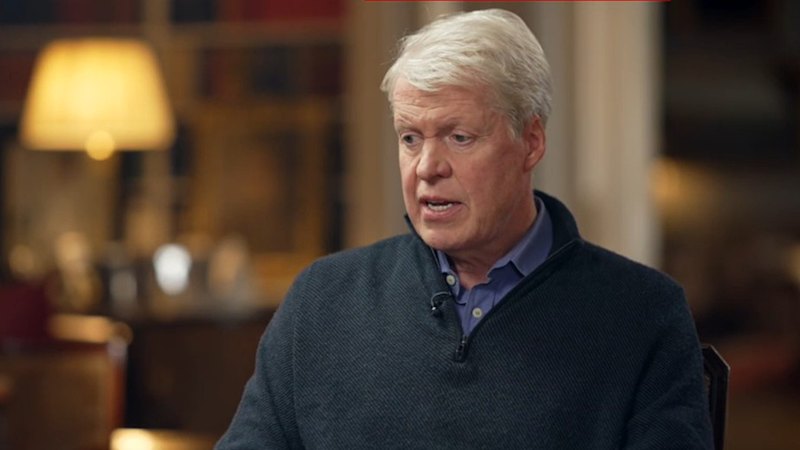
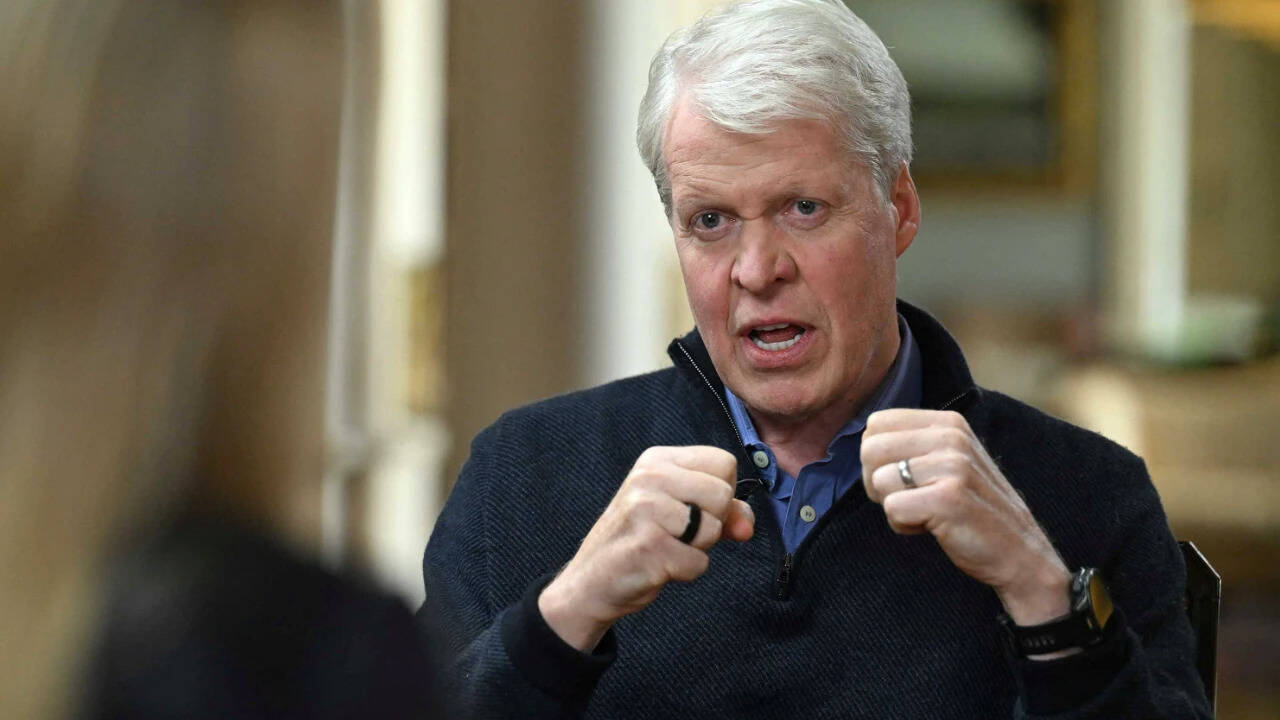
However, in his first interview since the statement was released, the Earl insisted he was “telling the truth” about the phone call, telling the BBC: “I can tell you here and now, those are exactly the words he said.”
asserted
he → release → you
Reacting to the comment from the palace in an interview at his Althorp estate, he said: “Well, is he furious?
asserted
he → react → estate
He added: “I’ve only ever had two calls on the line with Prince Charles at any stage of my life.
“I was hyper alert to what he was saying and those are precisely the words that he said and I promise that to you now.
asserted
I → add → you
Genuinely, that is what he said.
asserted
he → say → what
I don’t hear him saying he didn’t say that.”
asserted
he → hear → that
When asked whether he had evidence to back up his claim, the Earl said he had told family and friends what had been said at the time “because it was so monstrous”.
uncertain
it → ask → time
He also described the palace rebuttal to his account as a “smudged one”, adding: “They’ve said that recollections may vary.”
uncertain
recollections → describe → one
Kemi Badenoch, the Conservative leader, reacted to the Earl’s claims in his forthcoming memoir, telling BBC Newsnight: “I have a side and it’s always on the side of His Majesty.”
uncertain
it → react → Majesty
Referring to the statement issued by the palace, the Conservative leader continued: “I would reiterate exactly what it was that the King himself had said, or certainly Buckingham Palace said on his behalf.”
In further excerpts of the Earl’s memoir, titled Swan Song: Diana, My Sister, being serialised in the Daily Mail newspaper, he also wrote that the then Prince Charles sounded “giddily elated – like a lottery winner” on the morning Diana died.
asserted
Diana → refer → morning
He also claimed that some people inside Buckingham Palace were “relieved – indeed, pleased” that his older sister had been killed in a Paris car crash, alongside Dodi Fayed, on August 31, 1997.
asserted
sister → claim → August
He suggests Charles might have been pleased he was now “free” to marry Camilla Parker Bowles, writing: “Looking back now, I suspect the prince’s first reaction must have been to think more of how this event might free him to marry the woman he loved, rather than appreciating the loss of one he did not.”
uncertain
he → suggest → one
He also claimed Elizabeth II reacted “tetchily” to news of Diana’s Paris car crash.
asserted
II → claim → crash
The Earl writes that she asked “what’s she been up to now?” before realising the severity of the situation.
asserted
she → write → situation
Buckingham Palace has declined to comment on the Earl’s latest comments.
asserted
Palace → decline → comments
A source close to the King told London newspaper The Telegraph on Wednesday that the alleged comment about Diana being forgotten “soon enough” was “just not in his nature and it certainly wasn’t in his nature at that time, when he was a man absolutely grief-stricken”.
asserted
he → tell → time
They added that at the time, the then Prince of Wales was “paralysed with grief” and defied protocol by insisting that Diana be afforded a full state-style ceremonial funeral, and that her coffin be draped in the royal standard as it returned from Paris to London.
asserted
it → add → London
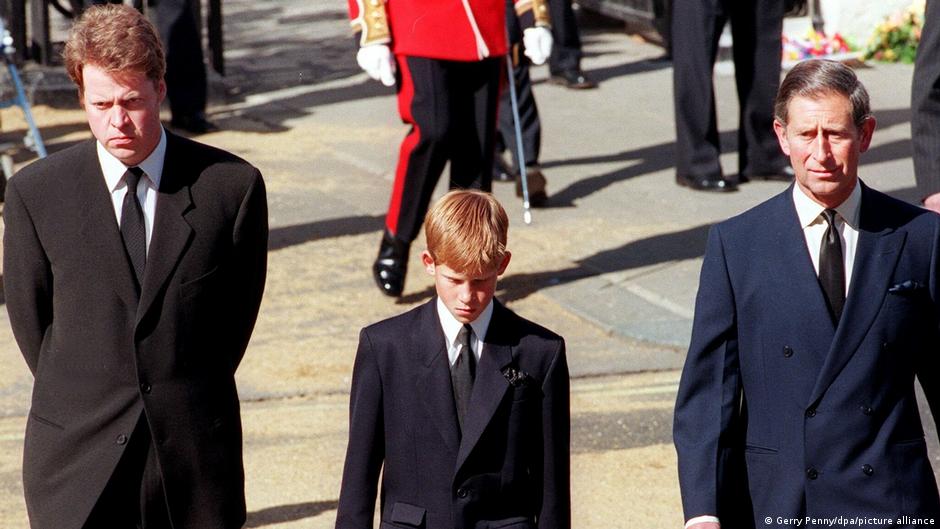
According to the Earl, the alleged row took place while they were debating whether Princes William and Harry, then 15 and 12, should walk behind their mother’s coffin during the funeral procession on September 6, 1997.
uncertain
William → accord → September
Writing about the procession, which the Earl walked in with the two Princes, the King and the late Prince Philip, he said: “I could not get over how tiny, and slight, and bereft, Harry looked.
uncertain
Harry → write → Princes
“Too small to be doing this, I thought, and wondered how on earth this heartbroken child could bear the ordeal of that moment, or how he could possibly be expected to deal with the agony that the day ahead would insist upon.”
uncertain
day → do → that
In a newly published excerpt, the Earl added that William “looked more self-possessed” and that “his greater composure and maturity made him my secondary concern that morning”.
asserted
him → publish → excerpt
In the new excerpt of his book, the Earl questioned what the then Prince Charles was “actually doing” at the funeral of Diana.
asserted
Charles → question → Diana
He wrote: “This ex-husband, from a marriage that had collapsed so bitterly four years before and finally ended in divorce a year earlier, surely had no place at his ex’s funeral.”
asserted
that → write → funeral
The Earl also recalled travelling to Althorp on the royal train following Diana’s funeral, remarking that his “chief memory” of that journey was concern “at the lack of obvious care for Harry, as he decompressed from the ghastliness of the morning”.
asserted
he → recall → morning
The Telegraph, London
Get a note directly from our foreign correspondents on what’s making headlines around the world.
asserted
what → get → world
 The Aporia