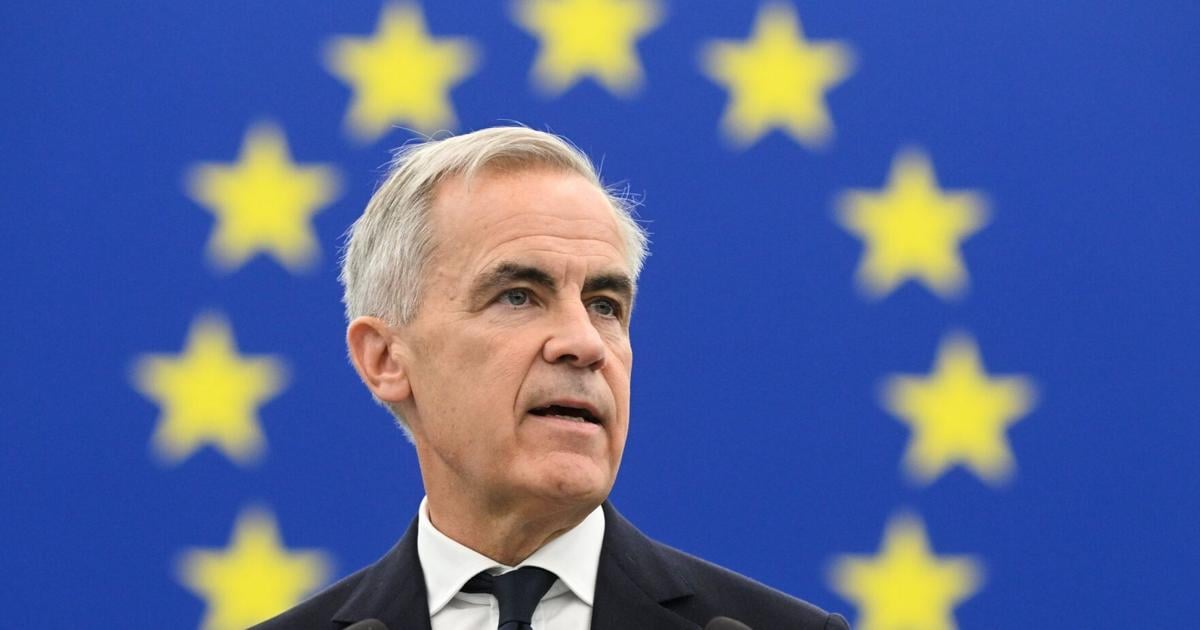
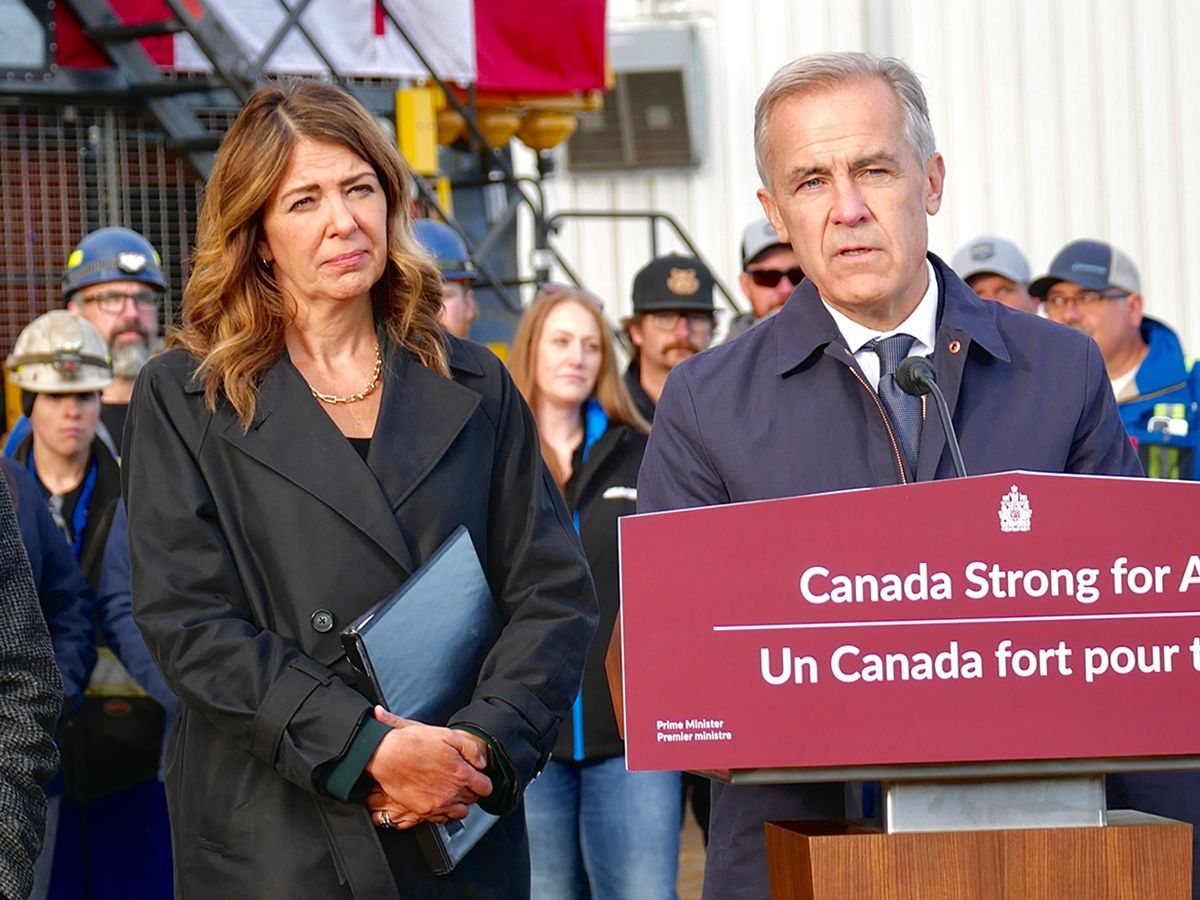
Soon after Mark Carney was no doubt feeling on top of the world after delivering a speech to the European Parliament on Thursday, and after being oddly mobbed for selfies, the parochial nature of Canadian politics asserted itself.
asserted
nature → feel → itself
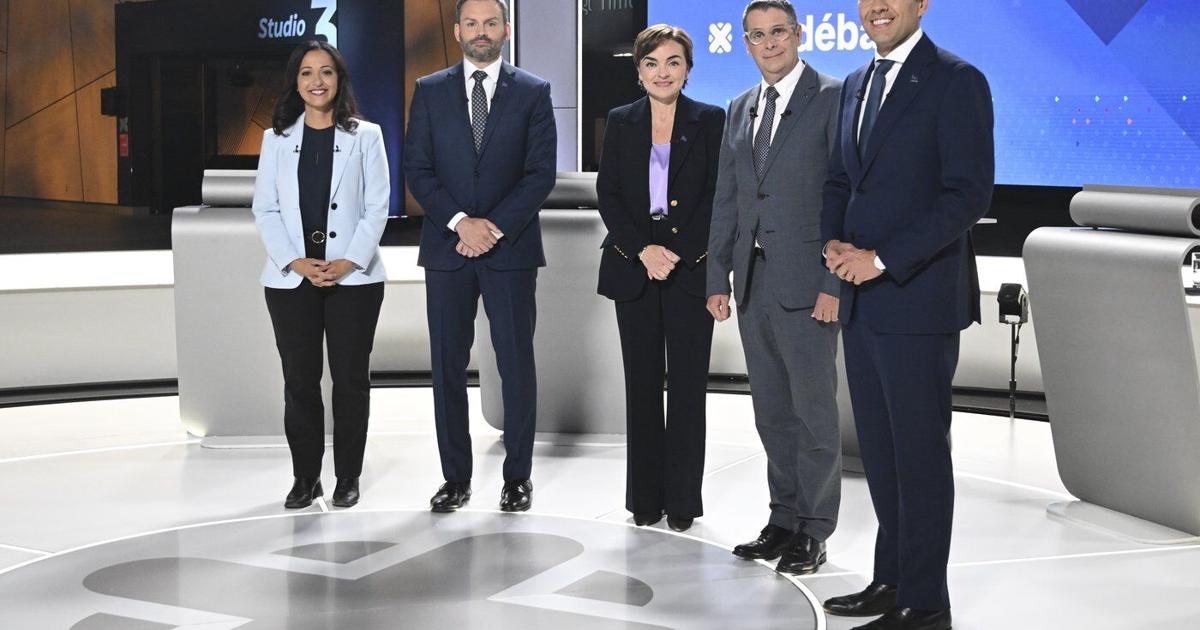
Following the prime minister’s welcoming response to an offer for Canada to become the “first associate member of the EU,” Quebec Premier Christine Fréchette demanded “for Québec to be granted special status within this alliance.”
asserted
Québec → follow → alliance
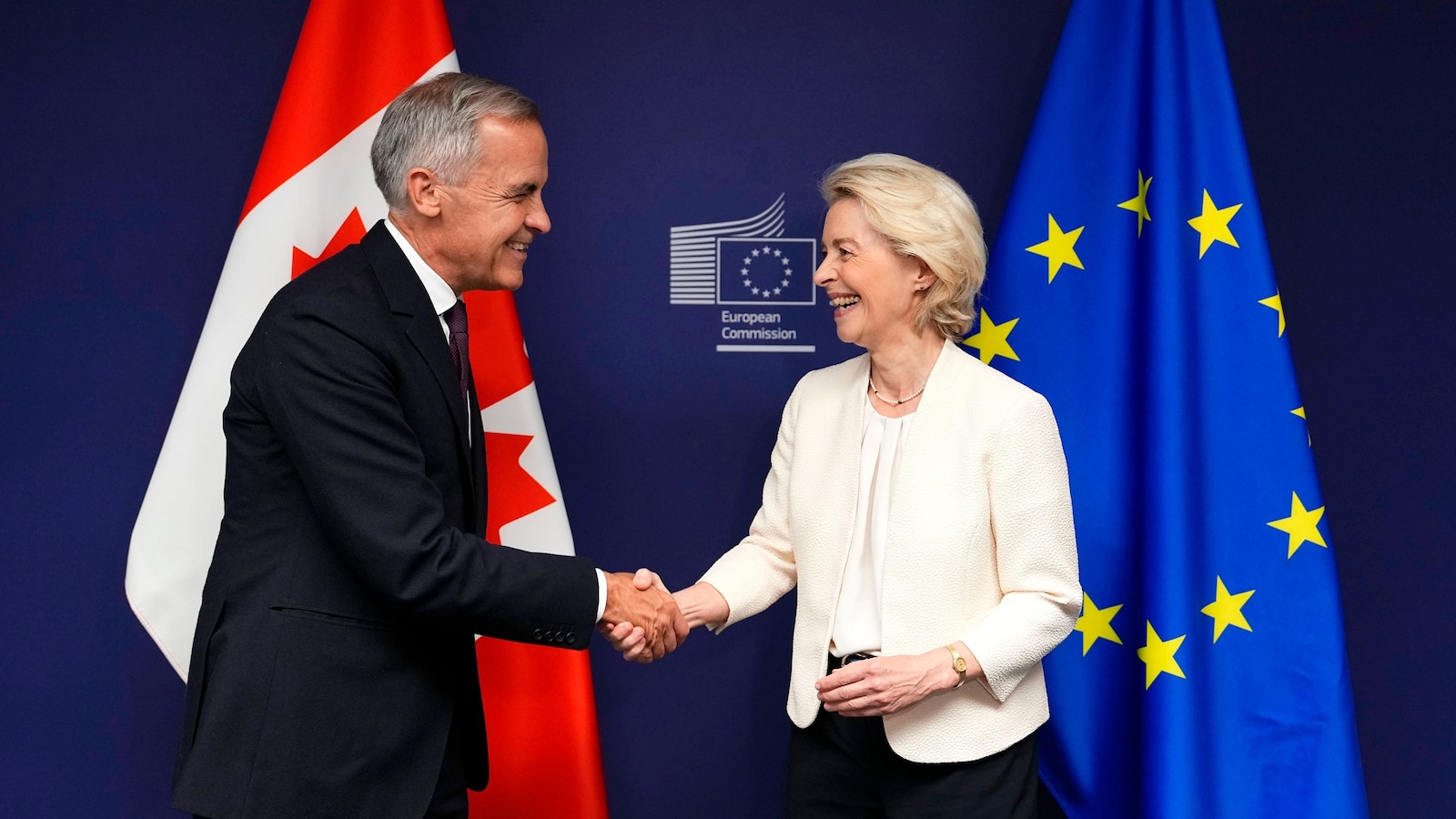
No one, not Carney, nor European Commission President Ursula von der Leyen who extended the invitation to Canada, could define what being an “associate member” actually entails, as the designation doesn’t currently exist.
uncertain
designation → extend → what
But Quebec is certain it wants “a formal seat at the table,” a table that also doesn’t exist.
asserted
that → want → table
For Fréchette, her demand is probably smart politics ahead of an Oct. 5 provincial election, but it also highlights that for as much as Carney might feel at home being feted in European capitals, or being addressed affectionately by von der Leyen with a “Dear Mark
uncertain
Carney → highlight → Mark
,” the mundane details of governing this often bewildering country require tending.
asserted
details → govern → country
Beyond mollifying a gaggle of premiers, all with different interests and competing opinions on how to deal with American trade tensions, and varying levels of commitment to the Canadian project, Carney also has to figure out how to turn Canada into a functioning country with drivable roads, working ports and, presumably, a military.
asserted
Carney → mollify → military
The premiers all have different opinions about those things too.
asserted
premiers → have → things
If von der Leyen was feeling a bit besieged after a handful of EU members objected to her offer to Canada of “associate membership,” she should try negotiating a trade deal with the provinces, even in areas where Ottawa has clear constitutional authority.
asserted
Ottawa → feel → authority
Cat herders gave up on this country long ago.
asserted
herders → give → country
In any case, we endorse the general idea of expanding Canada’s economic and security relationship with the European Union, as we also endorse the close economic and security ties Canada has with the United States.
asserted
Canada → endorse → States
Europe is not equivalent to authoritarian China, and pretending it is, as some critics have suggested, muddies legitimate concerns about what comes with any level of EU membership.
uncertain
what → pretend → membership
Full membership in the union entails aligning regulations on labour, the environment and procurement; forfeiting the right to negotiate trade deals; and adopting open borders within the bloc.
asserted
membership → entail → bloc
The EU is also suffering intense economic stagnation and decline due to the level of rules and regulations and the sheer size of the European bureaucracy.
asserted
EU → suffer → bureaucracy
Some supporters of full membership suggest the EU is only marginally worse than Canada on regulation, so we wouldn’t be that much worse off, but we think that Canada should avoid that trap.
asserted
Canada → suggest → trap
Even with these problems though, EU members are liberal democratic allies that Canada would do well to engage with at a level short of membership.
asserted
Canada → do → membership
Indeed, they are likely more concerned about Canada’s vulnerability to Chinese interference than Canada itself.
asserted
they → concern → Canada
Luckily, based on what both Carney and von der Leyen said in their speeches, nothing on offer requires a new special designation.
asserted
nothing → base → designation
We suspect the term “associate member” is intended to make a splash in what are fairly normal areas for allies to co-operate in.
asserted
allies → suspect → splash
Von der Leyen said the new partnership would go beyond the existing Comprehensive Economic and Trade Agreement (CETA) and would involve integrating “defence industrial bases,” working together to protect the “Arctic” and cooperate in “energy, critical minerals and batteries,” as well as on “AI, quantum, cyber and economic security.”
asserted
partnership → say → security
Carney further discussed “allowing our youth to live, work and study where they want on either side of the Atlantic.
asserted
they → discuss → Atlantic
This last part prompted some, not unwarranted, concern that Europe’s migration problems could be imported here, but so far, there hasn’t been suggestion that anyone is seeking to align Canadian border controls with Europe’s.
uncertain
anyone → prompt → Europe
Carney will need to address these questions directly.
asserted
Carney → need → questions
The largest impediment to co-operating more with Europe, however, lie not with negotiating any new deals, but with Canada building the necessary infrastructure, specifically oil and gas pipelines to the East Coast, as well as Atlantic-facing export terminals.
asserted
Canada → co → Coast
Operations at northern ports will need to be expanded to take advantage of shorter trade routes through the Arctic, and Canada’s military must become once again first-class.
asserted
military → need → Arctic
Now that Mark Carney’s European vacation is over, and with Parliament set to reopen on Monday, Ottawa has a gargantuan task ahead of itself.
asserted
Ottawa → set → itself
 The Aporia