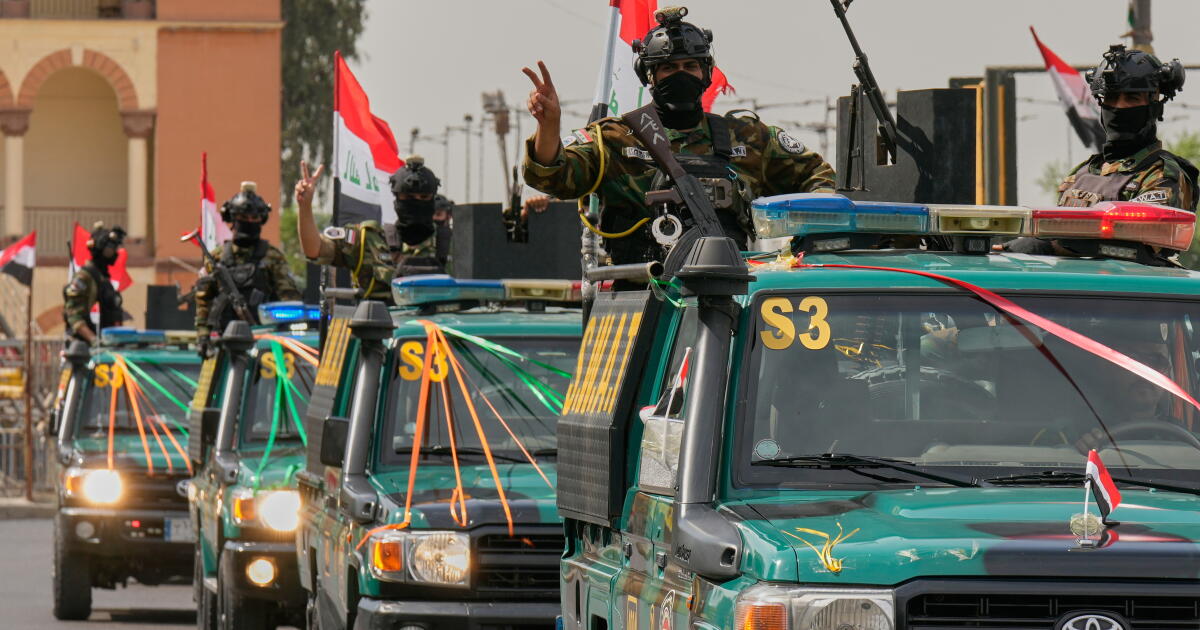
Photo via Los Angeles Times

To further isolate Iran's economy, U.S. rolls out 'D-Day' sanctions

Read the original at Los Angeles Times ↗
Cite

Ceballos, A., & Bulos, N. (2026, August 25). To further isolate Iran's economy, U.S. rolls out 'D-Day' sanctions. Los Angeles Times. https://www.latimes.com/politics/story/2026-08-24/to-further-target-irans-economy-u-s-d-day-sanctions

Dated when The Aporia collected the article, usually within hours of publication. Check the original for its exact date and byline.

Los Angeles Times · collected 2026-08-25 · by Ana Ceballos, Nabih Bulos

Quick Summary

The US Treasury Secretary Scott Bessent announced new sanctions against Iran on Monday, calling it "economic D-Day" in an effort to sever Tehran from the global financial system. The sanctions aim to target not only Iran but also its trade partners, including China and India, with secondary measures expected to take effect quickly if these countries do not comply. The Trump administration has imposed a total of $50 billion in tariffs on Canadian imports over the weekend, as part of President Trump's pressure campaign against Tehran. These sanctions are an effort to use financial leverage to pressure Iran into negotiations over its nuclear program.
Written by AI on 2026-08-25, from this article's own text only (the story summary below draws on all the coverage).

AI analysis

Story summary

President Trump announced on August 18, 2026, what he described as "the most crushing economic operation ever taken against any country" targeting Iran, aiming to escalate pressure beyond existing sanctions. This move came after a 60-day ceasefire expired without diplomatic resolution to the war initiated by the US and Israel in February. Iran's military has signaled a shift towards more aggressive offensive operations, threatening retaliation against Gulf states like the United Arab Emirates (UAE) that assist the U.S. In response, the UAE halted all trade and financial dealings with Iran following accusations of missile attacks on August 18. Treasury Secretary Scott Bessent later detailed new sanctions targeting five key economic areas: digital assets, technology, gold, aviation, and shipping, aiming to cut off Iran's remaining economic lifelines globally, while China remains a major concern due to its significant trade ties with Iran.

Written for “US Sanctions on Iran Economy” on 2026-10-31, grounded in this article and the 40 other(s) covering the same event.

Story

📰 US Sanctions on Iran Economy
Politics · 41 article(s) covering the same event. See how they differ ↓

Compared with similar articles

This article reads unscored and hedges 18% of its claims. Each row says how that neighbour differs.
CBS News
Hedges 21 of 169 claims Outlet record 66/100
BBC News
⚖️ Leans right Hedges 4 of 39 claims Outlet record 68/100
The Independent
⚖️ Leans strongly right Hedges 4 of 56 claims Outlet record 59/100
CBC News
⚖️ Leans strongly left Hedges 3 of 25 claims Outlet record 60/100
CBS News
⚖️ Leans right Hedges 16 of 136 claims Outlet record 66/100
The Hindu
⚖️ Centre Hedges 2 of 33 claims Outlet record 60/100
Al Jazeera
Hedges 6 of 35 claims Outlet record 60/100
BBC News
Hedges 2 of 45 claims Outlet record 68/100
Semafor
⚖️ Leans left Hedges 0 of 5 claims Outlet record 60/100
How this article was measured signals, leaning charts, publisher record, byline, topics and claims

Signals How these are calculated →

Claims extracted
50
sentences that state something as happening or true
Uncertain
18%
9 of 50 hedged ("reportedly", "may", "according to")
Leaning
withheld
no quote in the article backed the model's score
Publisher signals
95/100
Los Angeles Times's corrections and hedging, across everything collected from it. Not a measure of accuracy.
Outlets on this story
41
Politics
Same framing elsewhere
1
articles that frame the event the way this one does
Analyzed 2026-08-25 · how these are computed

How this is being covered How these are calculated →

Article leaning vs. publisher reliability
Source leaning vs. consistency

Publisher

Los Angeles Times · 252 article(s) · 0 correction(s) detected
No corrections detected for this publisher. That may mean careful reporting, or simply that nothing has been checked.

Who wrote this

Ana Ceballos
22 article(s) here · 1 carrying a prediction
🔮 In final push, Trump rallies in red states, offering a rosy and off-script message - - Trump is rallying in Mississippi, Texas, Ohio, South Carolina and Kansas — longtime Republican strongholds where the party now worries its own voters may stay home. -
🔮 - The White House did not say how the tips should be submitted or who would oversee the process for the verifying the reports.
🔮 “I am hoping that after the election my mom will feel more secure. That if Texas turns blue, Trump will feel threatened.”
🔮 In a statement posted to social media, Guilfoyle said she will “forever be grateful” to Trump and Secretary of State Marco Rubio for trusting her to represent the U.S. abroad, remains “unwavering” in her support for them and “worked tirelessly to advance President Trump’s America First agenda, strengthen our strategic alliance with Greece, and deliver meaningful victories for the American people.”
🔮 The United Nations’ High Commissioner for Human Rights said that “the livestreaming of an execution is tantamount to a public execution and would breach the absolute prohibition of torture.”
🔮 The international scholars then take jobs and grants that could go to Americans.
🔮 President Trump told a crowd in Texas on Wednesday night that he would not allow Iran to attack San Diego or Los Angeles, a comment that came two days after he made off-the-cuff remarks suggesting the West Coast cities could be struck.
🔮 On Monday, he blamed the Golden State for the rising cost of gas prices, claimed without evidence that its elections are rigged, and at a Nebraska rally suggested Iran could “take out” Los Angeles and San Diego.
🔮 Rather than prioritizing visits to battleground districts, which will decide which party controls Congress, Trump is rallying in Republican strongholds such as Texas, Oklahoma and Alabama, betting that his presence will be enough to energize a base that may be thinking about sitting out the election because his name isn’t on the ballot.
🔮 Lawmakers and AI industry leaders have also called for guardrails on the nascent technology, which experts warn could soon surpass human understanding.
Also by Ana Ceballos
Nothing else under this byline is closely related to this article, so these are simply their most recent.
All 22 articles by Ana Ceballos →
Nabih Bulos
9 article(s) here · 1 carrying a prediction
🔮 The lineup was announced months ago, with top-flight stars in tennis, DJing, comedy and more set to descend on the Saudi capital for a 10-week run of events known as Riyadh Season.
🔮 The operation would continue, he said, “until the country is liberated from the control of terrorist militias.”
🔮 For decades, the relationship between Saudi Arabia and the U.S. has centered on an often-mentioned but rarely tested supposition: If the kingdom were attacked, America would come to its rescue.
🔮 Central Command said the anti-ISIS mission would continue, with the coalition now headquartered in Jordan.
🔮 “You hear so much about Bab el-Mandeb, you’d think we would be like New York, with skyscrapers and money,” said Saleh, a 58-year-old resident who, like all people interviewed here, refused to give their full name to avoid reprisals.
🔮 BEIRUT — It had been one year, eight months and 27 days since Atallah al-Drimly said goodbye to his son that Saturday morning in 2024, when Mahmoud insisted he could no longer stay away from the home he had fled and started walking north toward Gaza City.
🔮 They entered the depots and stole everything they could,” said Umaima Abdul-Rahman Al-Sanusi, one of the museum’s curators, as her eyes scanned a shattered display case.
🔮 The thinking was that with the axis’ “tentacles” weakened, if not vanquished, all that would remain, as Israeli and U.S. officials often said, would be the “head of the octopus” — Iran. But it now appears reports of the axis’ unraveling are exaggerated.
🔮 - Click here to listen to this article - - Iranian officials downplayed the significance of the pressure campaign, and suggested it could shut down all oil exports through the Strait of Hormuz. -
Also by Nabih Bulos
Nothing else under this byline is closely related to this article, so these are simply their most recent.
All 9 articles by Nabih Bulos →

Topics

China Iran Iranian Tehran U.S.

Subjects

Iran GPE · 10× Bessent PERSON · 7× Tehran GPE · 6× Trump PERSON · 6× Iranian NORP · 4× U.S. GPE · 4× WASHINGTON GPE · 4× China GPE · 3× India GPE · 3× The United States GPE · 2×

Narrative

Iranian officials, who had been anticipating the move, pushed back on Washington’s strategy even before Bessent began speaking Monday. Foreign Minister Abbas Araghchi told Iranian state media over the weekend that the sanctions amounted to a repackaged version of decades-old American pressure tactics that Tehran has already learned to withstand.
framing: assertive · carried by 1 article(s) · first seen 2026-08-25
🔮 - Click here to listen to this article - - Iranian officials downplayed the significance of the pressure campaign, and suggested it could shut down all oil exports through the Strait of Hormuz. -
2026-08-25 · Los Angeles Times
To further isolate Iran's economy, U.S. rolls out 'D-Day' sanctions · assertive framing

Claims (50 extracted, 9 hedged)

To further isolate Iran’s economy, U.S. rolls out ‘D-Day’ sanctions asserted
U.S. → isolate → sanctions
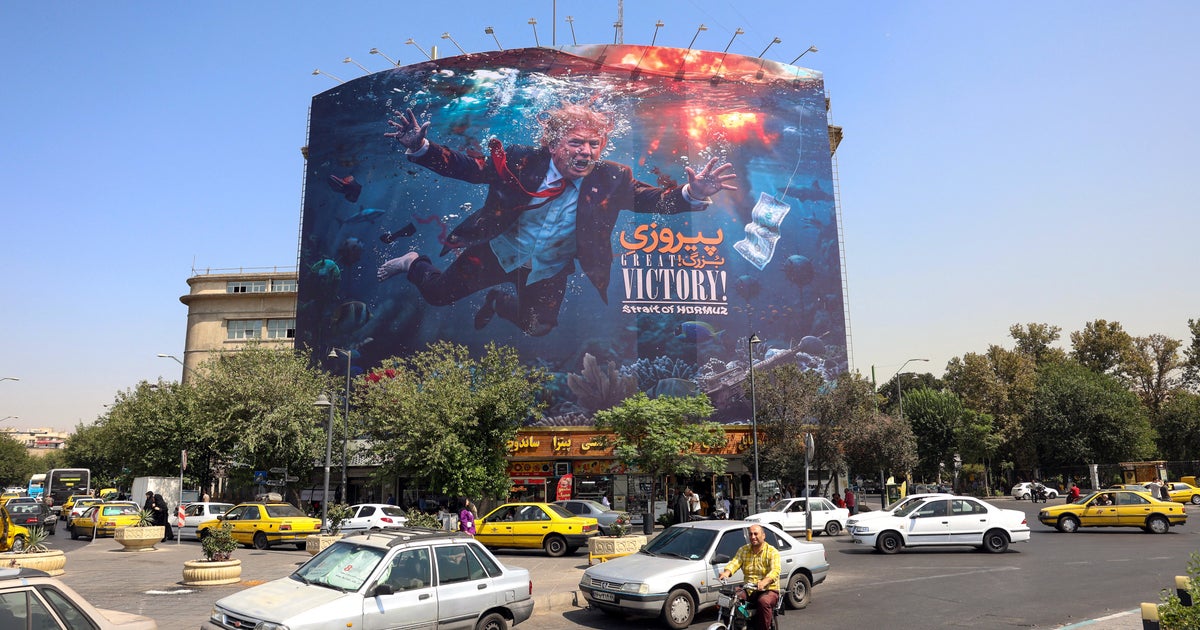
- Click here to listen to this article - - Iranian officials downplayed the significance of the pressure campaign, and suggested it could shut down all oil exports through the Strait of Hormuz. - uncertain
it → click → Hormuz
Bessent’s plan to potentially squeeze major economies like China and India over their ties to Tehran could pose a diplomatic risk to the U.S. WASHINGTON — uncertain
plan → squeeze → U.S.
The United States unveiled plans Monday for new sanctions against Iran that Trump administration officials said are designed to sever Tehran from the global financial system as the nearly six-month conflict between the two countries drags on. asserted
conflict → unveil → countries
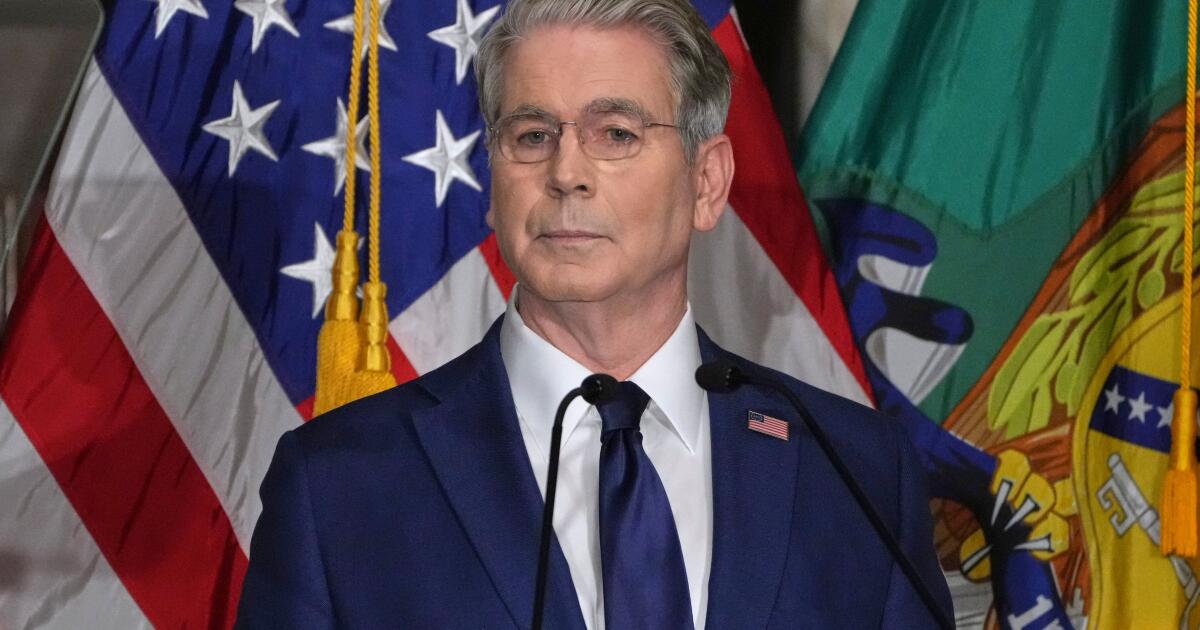
Treasury Secretary Scott Bessent, who previewed the announcement last week as “economic D-Day,” described the measures as the opening of an all-out financial assault on the Iranian government and its trade partners — a group that includes China, India, Turkey and the United Arab Emirates. asserted
that → preview → China
“To those who enable Tehran, do not discount the cost of testing Washington’s resolve,” Bessent said at a news conference. asserted
Bessent → enable → conference
“No nation should expect to enjoy the rewards of our system while helping those who seek to destroy it.” asserted
who → expect → it
Bessent said it was time for world leaders to “make a decision” between “America and Iran,” adding that President Trump has already been calling foreign leaders to make specific requests ahead of the new sanctions. asserted
Trump → say → sanctions
But when asked whom the president had been talking to, Bessent said he would not “name names.” asserted
he → ask → names
He also said the secondary measure would not take effect immediately, arguing that the administration is trying to give “everyone the opportunity to remedy bad behavior.” asserted
administration → say → behavior
“Why would I want to blow up the global financial system?” Bessent said when a reporter pressed him on why the sanctions weren’t immediate. asserted
sanctions → want → him
“We believe that it is important to level set and give people a cure period, but they should know that that will move very quickly and that we are serious.” asserted
we → believe → period
After trade negotiations collapsed, President Trump’s 50% tariffs on scores of Canadian imports kicked in over the weekend. asserted
tariffs → collapse → weekend
A look at what that means. asserted
that → mean → what
The pressure campaign will build on a naval blockade and other sanctions the Trump administration has already imposed in its effort to force Tehran into a deal that ends the war on U.S. terms. asserted
that → build → terms
Trump’s latest economic push against Iran revives a familiar strategy from presidents of both parties, using financial leverage to pressure Tehran toward more serious negotiations over its nuclear program. asserted
push → revive → program
Sanctions helped bring Iran to the table before a 2015 nuclear deal brokered by President Obama, but the agreement was widely criticized as weak by Republicans. asserted
agreement → bring → Republicans
After Trump withdrew from the agreement in his first term, a new “maximum pressure” campaign failed to secure a new deal. asserted
campaign → withdraw → deal
Trump’s decision to return to a strategy of economic coercion has signaled to Iran that the fighting phase of the war is probably over, for now, with the U.S. administration choosing a path “neither of war nor of peace,” Masoud Pezeshkian, Iran’s president, said this week. asserted
Pezeshkian → return → peace
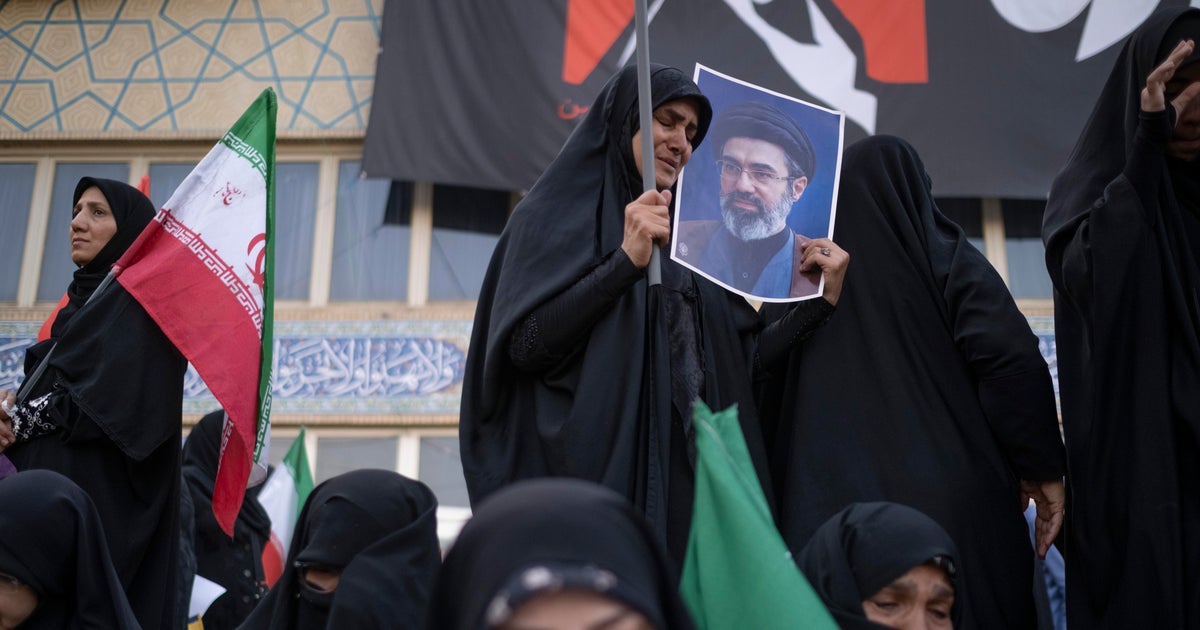
Iranian officials, who had been anticipating the move, pushed back on Washington’s strategy even before Bessent began speaking Monday. Foreign Minister Abbas Araghchi told Iranian state media over the weekend that the sanctions amounted to a repackaged version of decades-old American pressure tactics that Tehran has already learned to withstand. asserted
Tehran → anticipate → that
Esmail Baghaei, Iran’s foreign ministry spokesman, warned of “grave consequences” for any countries cooperating with what he said was “illegal behavior” by the United States. asserted
he → warn → States
And Mohsen Rezaei, the secretary of Iran’s Supreme Security Council, suggested that the economic pressure could shut down oil exports through the Strait of Hormuz, a threat that would ripple through global energy markets. uncertain
that → suggest → markets
That defiance underscores the central gamble of Washington’s strategy. asserted
defiance → underscore → strategy
Rather than aiming sanctions at Iran alone, Bessent’s plan to potentially squeeze major economies like China and India over their ties to Tehran could pose a diplomatic risk to the U.S. uncertain
plan → aim → U.S.
The fallout could also reach beyond foreign diplomacy as a hit to global markets also risks compounding Trump’s troubles at home ahead of the midterm elections, as Americans grow unhappy with the economy and their support for the conflict in the Middle East plummets. uncertain
support → reach → East
The Iran sanctions also land as the administration wages a separate trade fight with Canada, adding uncertainty to global and domestic markets. asserted
administration → land → markets
Whether Washington will be able to apply pressure on Iran’s trade partners remains an open question. asserted
be → apply → partners
China alone shares nearly $10 billion in bilateral trade with Iran, and paid roughly $31.2 billion for unreported Iranian crude oil imports in 2025, according to the U.S.-China Economic and Security Review Commission. uncertain
China → share → Commission
That makes China the largest buyer of Iranian crude oil by a wide margin, accounting for more than 90% of Iran’s oil exports, according to the commission. uncertain
China → make → commission
It is unclear whether Trump has spoken to China’s leader, Xi Jinping, about the sanctions. uncertain
Trump → speak → sanctions
But the two leaders are set to meet in Washington next month, adding to the diplomatic dynamics of the moment. asserted
leaders → set → moment
Other trading partners have already made some moves. asserted
partners → make → moves
The UAE said last week that it was suspending trade with Iran, a decision that followed accusations that Tehran had fired two ballistic missiles at the Emirates. asserted
Tehran → say → Emirates
Afra Al Hameli, a spokesperson for the Emirati Ministry of Foreign Affairs, said in a post on Aug. 18 on X that all trade, commercial exchanges and financial transactions with Iran have been halted until further notice. asserted
trade → say → notice
She added that the Emirates was “firmly committed to safeguarding the integrity of the international financial system.” asserted
Emirates → add → system
Bessent said Monday that he expects other countries will “take similar actions as we continue our engagement.” asserted
we → say → engagement
In an opinion article written for the Financial Times last week, Bessent has cast the new measures as the “single greatest financial offensive ever marshalled against an adversary.” asserted
Bessent → write → adversary
Bessent wrote that countries that “sever Iran’s remaining financial and commercial connectivity” will see their economies reinvigorated, and those who don’t will experience the end of their “lasting prosperity.” asserted
who → write → prosperity
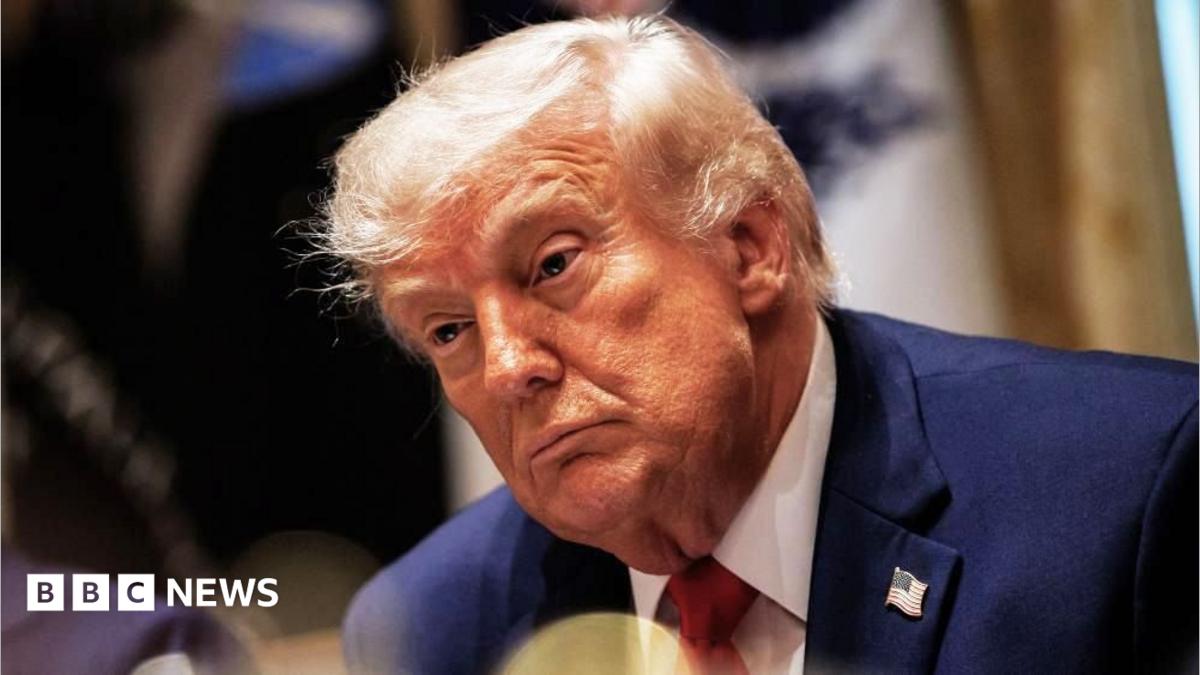
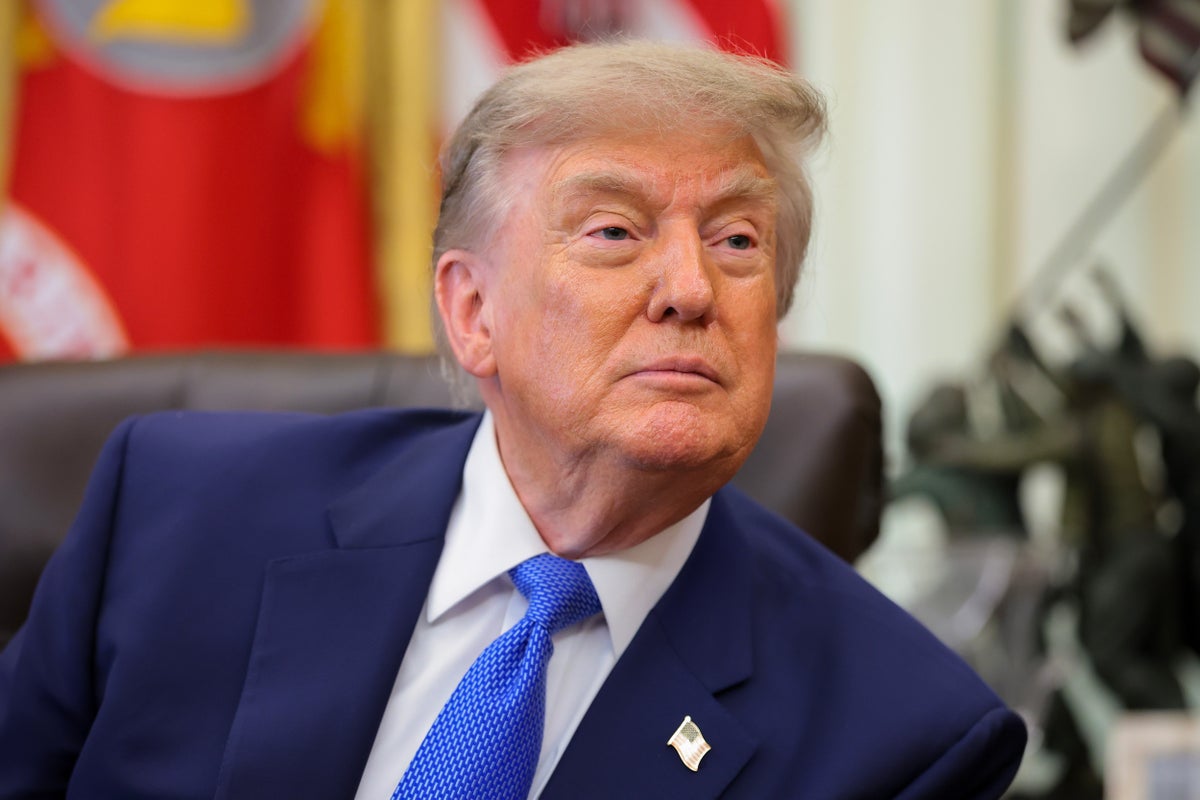
President Trump is betting ramped-up economic pressure against Iran’s trading partners can finally force Tehran to accept a peace deal on U.S. terms. asserted
pressure → bet → terms
“Any nation that serves as a financial artery of a withering regime should expect to share in its isolation,” he wrote. asserted
he → serve → isolation
…and 10 more, not listed.

💬Give feedback
🕘History 🎫Support