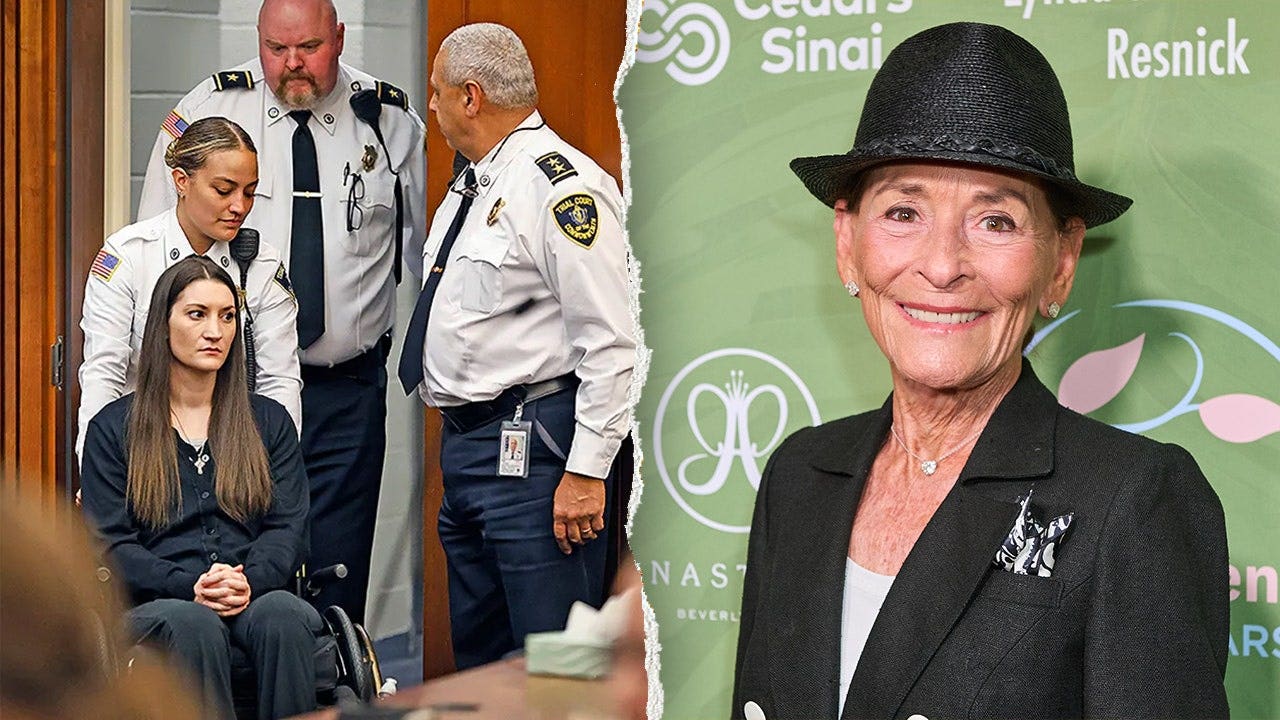
An Illinois judge found Corie Walsh too dangerous to release after prosecutors alleged the Frankfort mother posed a threat to her husband and three surviving children after she was charged with murdering her 2-year-old son, Barrett.
asserted
she → find → son
But forensic psychiatrists say “dangerousness” is not a permanent label.
asserted
dangerousness → say → ?
Instead, it is a forward-looking assessment that can change as a person’s mental condition improves through treatment.
asserted
condition → look → treatment
Walsh, 40, remains held without pretrial release after a Will County judge denied her request to leave custody during a detention hearing earlier this month.
asserted
judge → hold → hearing
The judge also ordered that Walsh immediately receive psychiatric medication after her attorneys said she had gone days without treatment despite a hospital recommendation that she receive around-the-clock psychiatric care.
asserted
she → order → care
Prosecutors argued Walsh should remain behind bars because, beyond the allegations surrounding Barrett’s death, she allegedly threatened to kill her husband after her arrest.
uncertain
she → argue → arrest
The judge agreed, finding Walsh posed too great a danger to release before trial.
asserted
Walsh → agree → trial
The ruling raised a broader question that extends beyond Walsh’s case: What does it actually mean when a judge determines someone is too dangerous to release?
Under Illinois law, judges deciding whether a defendant should remain jailed before trial evaluate the person’s current risk to others rather than punish past conduct.
asserted
defendant → raise → conduct
Dr. Stephen Dinwiddie, a professor of psychiatry at Northwestern University with four decades of forensic psychiatry experience, said psychiatrists approach dangerousness the same way – as a forward-looking assessment rather than a permanent label.
asserted
psychiatrists → say → assessment
“Obviously we’re talking more about what we’re afraid they’re going to do tomorrow,” he said.
asserted
he → talk → ?
“Part of that prediction is based on what they did yesterday … what they did in the past … and what they have said they intend to do.
asserted
they → base → what
Unlike a criminal verdict, which looks backward at what allegedly happened, dangerousness is designed to evaluate the risk a person may pose going forward, Dinwiddie said.
uncertain
Dinwiddie → look → risk
“It’s pretty squishy,” he said.
asserted
he → ’ → ?
In civil commitment proceedings, judges often decide whether someone should receive treatment over their objections because they present a short-term danger to themselves or others.
asserted
they → decide → themselves
Dinwiddie said the rationale is simple: “If we don’t act, something bad is going to happen within a matter of days, if not sooner.”
asserted
something → say → days
Dinwiddie said treatment can dramatically change how psychiatrists evaluate a person’s future risk.
asserted
psychiatrists → say → risk
“If they’ve behaved in a violent fashion while ill in the past and now they’re ill, obviously that’s important information and obviously that’s something to worry about,” he said.
asserted
he → behave → past
“The intervention obviously is to try to get at that particular symptom of illness and get it under control.”
asserted
it → try → control
That can have legal significance because Illinois judges may reconsider detention if circumstances materially change, although any decision to release a defendant before trial remains up to the court.
uncertain
decision → have → court
That does not mean Walsh will be released before trial.
asserted
Walsh → mean → trial
It means a judge’s dangerousness finding is not necessarily permanent.
asserted
finding → mean → ?
“I think most of us believe that our interventions can prevent tragedies,” Dinwiddie said.
asserted
Dinwiddie → think → tragedies
He cautioned that psychosis alone does not make someone dangerous.
asserted
someone → caution → ?
“I think one misconception is they’re just different.
asserted
they → think → ?
They’re not like us,” Dinwiddie said.
asserted
Dinwiddie → ’re → us
“The tragic fact is they are like us and severe mental illness can affect family members.
asserted
illness → affect → members
It can affect anybody.”
asserted
It → affect → anybody
Another common misconception, he said, is that people experiencing psychosis cannot think logically.
“Within that delusional system, people can act in a very organized, very logical, very purposeful way,” he said.
asserted
he → say → way
He described that concept as “rationality within irrationality,” explaining that someone can carry out a series of organized actions while acting on profoundly delusional beliefs.
asserted
someone → describe → beliefs
Dinwiddie also emphasized that psychosis is not a matter of choice.
asserted
psychosis → emphasize → choice
“The fact that somebody has evidence of a psychotic process … that is not a matter of choice,” he said.
asserted
he → say → choice
“Nobody would wish that upon themselves.”
asserted
Nobody → wish → themselves
Walsh is charged with three counts of first-degree murder in Barrett’s death.
asserted
Walsh → charge → death
Prosecutors allege she believed the toddler was the devil and also threatened to kill her husband and the couple’s three surviving children after her arrest.
asserted
toddler → allege → arrest
Walsh has not entered a plea, and the case remains pending.
asserted
case → enter → plea
 The Aporia