Archaeologists working at the ancient Tell el-Yahudiya site in Egypt's Qalyubia governorate have uncovered several rock-cut tombs, while continuing to uncover remains of a Roman camp.
asserted
Archaeologists → work → camp
The discoveries were made by an Egyptian archaeological mission during continued excavation work at the site.
asserted
discoveries → make → site
Evidence indicates that the burials date from the late New Kingdom and continued into the Late Period.
asserted
burials → indicate → Period
The Roman camp remains were found in the upper layers above the rock-cut tombs, indicating that the site continued to be used in later periods.
asserted
site → find → periods
The Egyptian Ministry of Tourism and Antiquities reveals that the tombs are particularly notable because rock-cut burials are uncommon in the Nile Delta, where clay-rich soil is widespread.
asserted
soil → reveal → Delta
What are the two types of rock-cut tombs found at Tell el-Yahudiya
The tombs were built in different ways, with two distinct architectural designs identified during the excavation.
asserted
tombs → cut → excavation
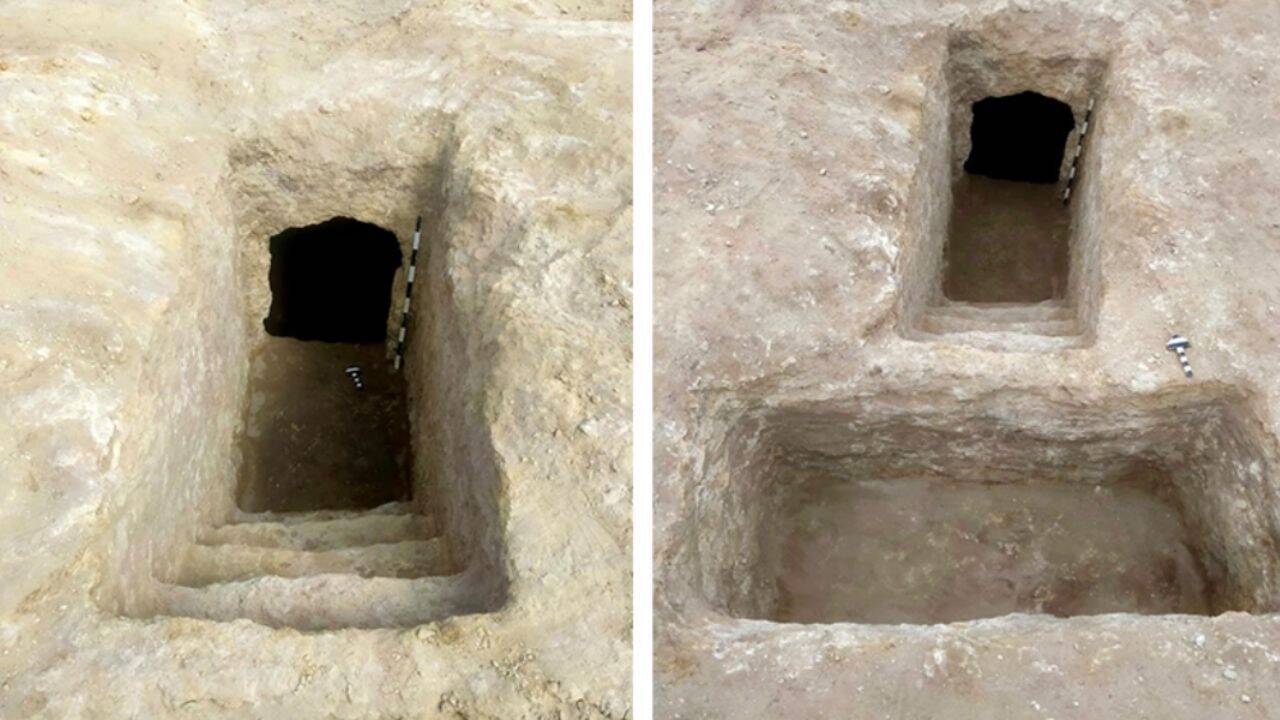
In one type, the entrance begins with a staircase leading to a hall lined with burial openings (known as bayatat).
asserted
entrance → begin → bayatat
The other type consists of a rectangular shaft that leads to two burial chambers.
asserted
that → consist → chambers
The Ministry notes that these varied designs are significant because rock-cut tombs are relatively uncommon in the Nile Delta.
asserted
tombs → note → Delta
The Delta's clay soil explains the rarity of this type of tomb.
asserted
soil → explain → tomb
Finding tombs carved into rock here is important for understanding burial patterns and how they developed in the eastern Delta over the ages.
asserted
they → find → ages
How did archaeologists determine the age of the newly discovered tombs
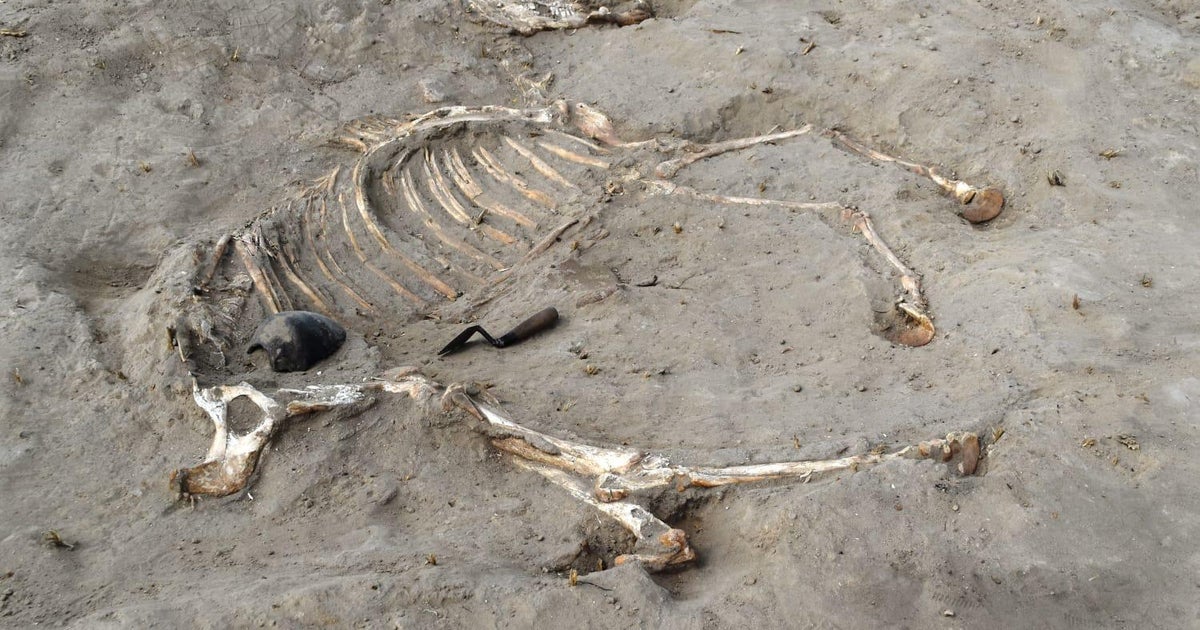
Archaeological objects found in the tombs helped the mission determine when they were used.
asserted
they → determine → tombs
The evidence shows that the tombs date to the late New Kingdom and continued to be used during the Late Period.
asserted
tombs → show → Period
This indicates that the burial area remained in use across different periods of ancient Egyptian history.
asserted
area → indicate → history
The finds were portable artifacts associated with the tombs, and they helped determine the periods in which the tombs were used.
asserted
tombs → associate → which
This reflects funerary activity in the region extending across successive historical periods.
asserted
This → reflect → periods
What does the Roman camp reveal about Tell el-Yahudiya
The mission is also completing the uncovering of the Roman camp remains in the surface layers above the tombs.
asserted
mission → reveal → tombs
The remains were found above the rock-cut tombs, showing that the area continued to be used after the earlier burials.
asserted
area → find → burials
The Egyptian Ministry of Tourism and Antiquities said the Roman remains add another layer to the history of Tell el-Yahudiya.
asserted
remains → say → Yahudiya
The site was mainly associated with the Hyksos period and once contained a large camp from that time.
asserted
site → associate → time
It was later used during the Greek and Roman periods.
asserted
It → use → periods
The discovery of both tombs and camp remains indicates that the same area served different purposes over several historical periods.
asserted
area → indicate → periods
How did Tell el-Yahudiya change over different historical periods
asserted
Yahudiya → change → periods
The site was already an important location during the Hyksos period, when the area contained a large camp.
asserted
area → contain → camp
It was later used during the Greek and Roman periods.
asserted
It → use → periods
The newly uncovered tombs and Roman camp remains provide further evidence of this continued use.
asserted
tombs → uncover → use
The discovery is also notable because rock-cut tombs are relatively uncommon in the Nile Delta.
asserted
tombs → cut → Delta
The ministry noted similar examples at Kom El-Shoqafa in Alexandria and in parts of the northern coast.
asserted
ministry → note → coast
At Tell el-Yahudiya, the archaeological layers now contain evidence of both burial activity and later use as a camp.
asserted
layers → contain → camp
The mission is continuing its work to uncover the remains of the Roman camp.
asserted
mission → continue → camp
 The Aporia