Photo via Semafor

Global trade turmoil risks food price shock

Read the original at Semafor ↗
Cite

Rao, P. (2026, September 21). Global trade turmoil risks food price shock. Semafor. https://www.semafor.com/article/09/21/2026/global-trade-turmoil-risks-food-price-shock

Dated when The Aporia collected the article, usually within hours of publication. Check the original for its exact date and byline.

Semafor · collected 2026-09-21 · by Prashant Rao

Quick Summary

Global trade restrictions and conflicts are raising concerns about an impending worldwide increase in food prices, especially affecting less prepared poorer nations. Fuel price hikes due to tensions at critical shipping straits like Hormuz and Bab el-Mandeb, combined with ongoing military actions between Russia and Ukraine that disrupt their wheat exports, contribute to this risk. Additionally, climate change is exacerbating the situation, as evidenced by a 2.5% year-over-year rise in the UN food commodities index. The chief economist of the UN’s Food and Agriculture Organization highlights growing uncertainty in global food markets.
Written by AI on 2026-09-21, from this article's own text only (the story summary below draws on all the coverage).

AI analysis

Story summary

Escalating conflicts between Russia and Ukraine, which together provide about one quarter of the global wheat supply, are disrupting shipping infrastructure and contributing to rising food prices worldwide. The situation is exacerbated by ongoing blockades at strategic trade routes such as the Hormuz and Bab el-Mandeb straits, leading to higher fuel costs that affect farmers during their harvest seasons. Additionally, climate change has pushed up a UN index of food commodities by 2.5% year-over-year. According to the chief economist of the Food and Agriculture Organization, these factors are reintroducing significant risk premiums into global food markets, particularly impacting poorer nations who may be less equipped to handle such shocks.

Written for “Food Price Shock Risk” on 2026-11-03, grounded in this article and the 0 other(s) covering the same event.

Story

📰 Food Price Shock Risk
Economy/Business · 1 article(s) covering the same event.

Compared with similar articles

This article reads leans left and hedges 0% of its claims. Each row says how that neighbour differs.
BBC News
Hedges 7 of 33 claims Outlet record 68/100
“The articles discuss different aspects of global economic challenges; one focuses on rising oil prices due to conflicts in Saudi Arabia, while the other discusses food price concerns related to shipping restrictions and conflict in Ukraine.”
BBC News
Hedges 4 of 19 claims Outlet record 68/100
“The articles discuss different aspects related to global food supply and price issues but describe distinct concerns including shipping restrictions versus climate change impacts.”
CBS News
⚖️ Leans left Hedges 0 of 4 claims Outlet record 66/100
“The articles discuss related issues but describe different aspects and impacts affecting farmers due to global trade turmoil.”
The Straits Times
Hedges 2 of 16 claims Outlet record 66/100
“The articles discuss different aspects of global food security issues but do not describe the same specific incident or outcome.”
Dawn
Hedges 1 of 23 claims Outlet record 72/100
“The articles discuss different aspects of global food trade and economics without clearly referencing the same specific incident.”
The Guardian
Hedges 1 of 21 claims Outlet record 66/100
“The articles discuss different aspects of global food trade issues but do not describe the same specific incident.”
South China Morning Post
Hedges 0 of 6 claims Outlet record 63/100
“The articles discuss different aspects of global food security concerns but describe distinct topics and events.”
ABC News (AU)
Hedges 3 of 35 claims Outlet record 68/100
“While both articles discuss rising fuel prices and their impact on agriculture due to conflicts in key trade routes, they describe different aspects and timelines of the broader issue.”
How this article was measured signals, leaning charts, publisher record, byline, topics and claims

Signals How these are calculated →

Claims extracted
5
sentences that state something as happening or true
Uncertain
0%
0 of 5 hedged ("reportedly", "may", "according to")
Leaning
Leans left
of the writing, not the subject · beta estimate
Publisher signals
59/100
Semafor's corrections and hedging, across everything collected from it. Not a measure of accuracy.
Outlets on this story
1
Economy/Business
Same framing elsewhere
1
articles that frame the event the way this one does
Analyzed 2026-09-21 · how these are computed

How this is being covered How these are calculated →

Article leaning vs. publisher reliability
Source leaning vs. consistency

Publisher

Semafor · 1439 article(s) · 3 correction(s) detected
Running correction rate · 3 correction(s)

Who wrote this

Prashant Rao
91 article(s) here · 0 carrying a prediction
🔮 US President Donald Trump has reportedly pushed for more negotiations with Iran, whose leaders said they were considering a proposal that would soon reopen the Strait of Hormuz.
2026-11-02 · mixed framing · Oil prices down on hopes of Gulf talks progress
🔮 The timing of the moves — the latest in a more than decade-long crackdown that “has become a ceaseless wave of purges aimed at keeping officials loyal and on their toes,” The Wall Street Journal said — is key: A high-profile meeting next year is expected to confirm Xi to a new five-year term.
2026-10-30 · assertive framing · Xi Jinping doubles down on purge of party elite
🔮 The European Central Bank announced on Wednesday that President Christine Lagarde will step down from the job in February, eight months before her tenure was set to end, formalizing a move that had been rumored since the beginning of this year.
🔮 The US vice president reportedly wrote to the head of Iran’s top security body to restart truce talks, Gulf states are driving a deal to fully reopen the Strait of Hormuz, and Iran’s foreign minister said Tehran would “give diplomacy a chance.”
🔮 Goldman Sachs upped its forecasts for expansion this year and next as a result.
🔮 Critics argued the results signaled voter disillusionment with Netanyahu’s leadership, but it was not clear the opposition bloc would be able to muster the support necessary to take power either.
🔮 If anything, “a shift in tone might be the biggest foreign policy change,” experts at the Council on Foreign Relations noted.
🔮 The Netherlands said it would cut 25,000 government jobs as part of AI-related savings, among the more aggressive moves yet set out by states seeking to adapt to the technology.
🔮 Markets have grown worried that Big Tech firms will not make sufficient money to cover their ballooning investments and are running into supply-chain bottlenecks in their huge infrastructure buildout: OpenAI has reportedly lowered its target valuation, South Korean chip giant SK Hynix pulled a planned IPO of one of its units, and an HSBC survey of hundreds of investors showed a majority expect “a meaningful slowdown in AI infrastructure spending” within the next 12 months.
2026-10-23 · speculative framing · US Treasurys gained in investors’ flight to safety
🔮 The unrest has huge domestic and international implications: Analysts argue the violence bolsters the case made by the far-right — the favorite in 2027 elections — that the current leadership is ineffective, while foreign investors, who hold the majority of France’s mammoth government debt, may grow skeptical that Paris can get to grips with its budget.
2026-10-23 · mixed framing · France braces ahead of planned weekend protests
Also by Prashant Rao
Nothing else under this byline is closely related to this article, so these are simply their most recent.
All 91 articles by Prashant Rao →

Topics

Food and Agriculture Organization Russia Ukraine

Subjects

Food and Agriculture Organization ORG · 1× Russia GPE · 1× Ukraine GPE · 1×

Narrative

Meanwhile, escalating bombardments by Russia and Ukraine — which together account for a quarter of the global wheat supply — on each other’s shipping infrastructure are piling pressure on food prices.
framing: assertive · carried by 1 article(s) · first seen 2026-09-21
2026-09-21 · Semafor
Global trade turmoil risks food price shock · assertive framing

Claims (5 extracted, 0 hedged)

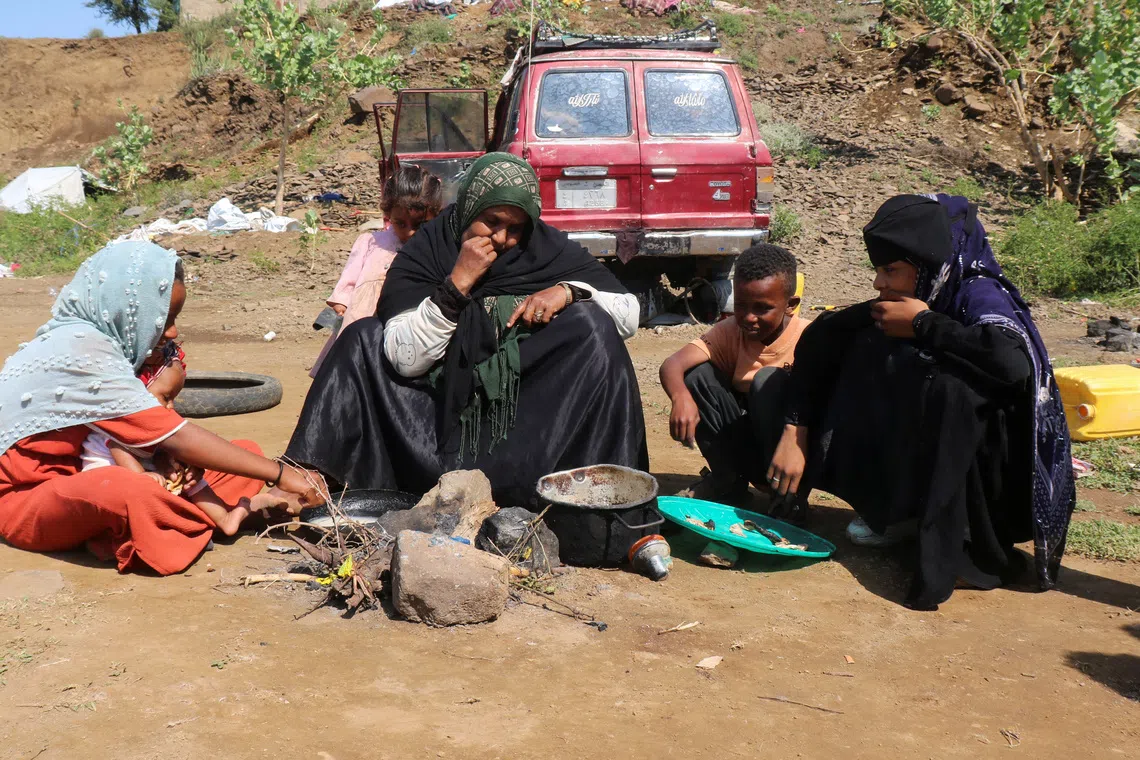
Restrictions on shipping through key global trade routes are stoking concerns of a coming worldwide food-price shock, with poor countries particularly ill prepared. asserted
countries → ship → shock
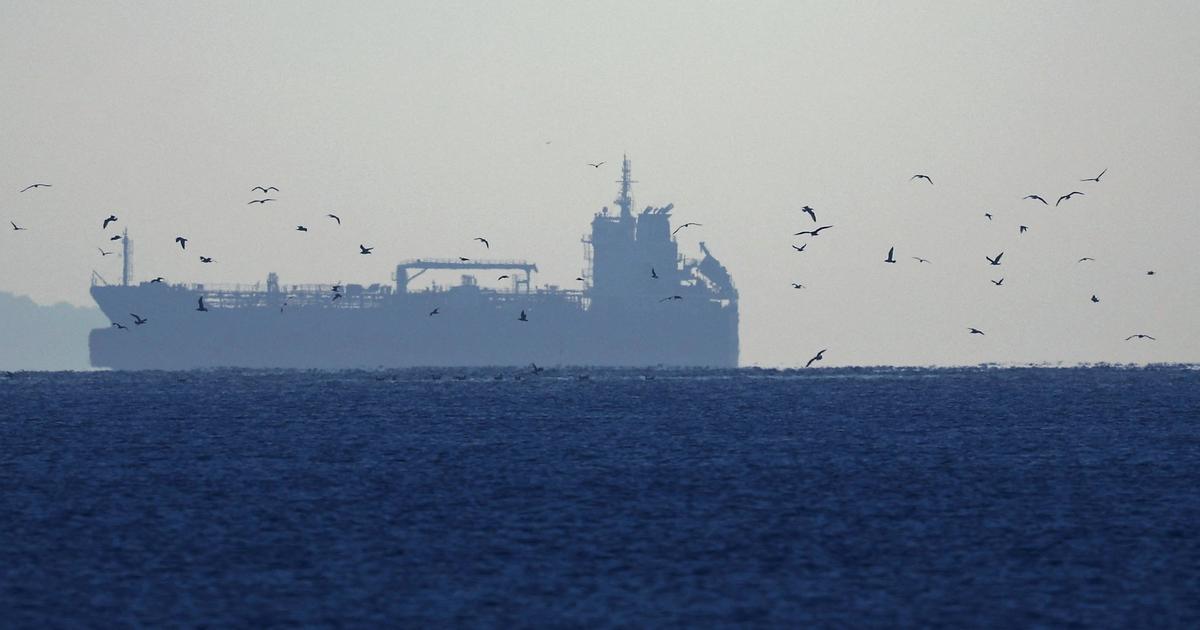
Rising fuel prices caused by the instability at the Hormuz and Bab el-Mandeb straits are hitting farmers in parts of the West just as harvest season opens. asserted
season → rise → West
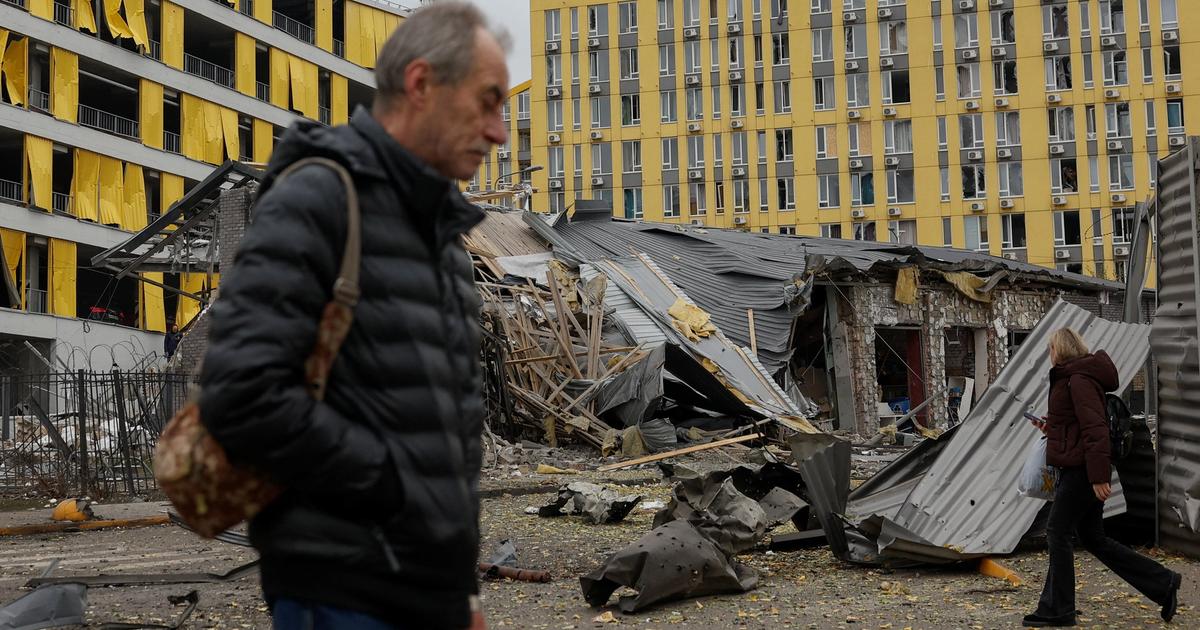
Meanwhile, escalating bombardments by Russia and Ukraine — which together account for a quarter of the global wheat supply — on each other’s shipping infrastructure are piling pressure on food prices. asserted
which → escalate → prices
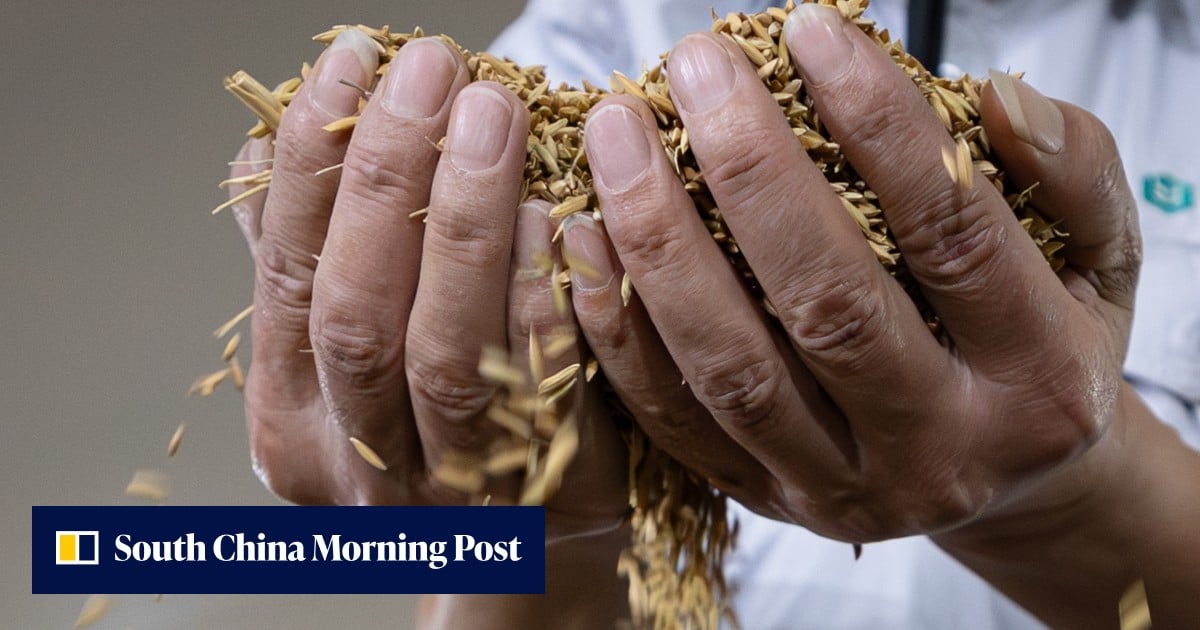
Climate change is compounding the issue, with a UN index of food commodities up 2.5% year-on-year. asserted
index → compound → year
“The risk premium is returning to food markets,” the chief economist of the UN’s Food and Agriculture Organization said. asserted
economist → return → Organization
💬Give feedback
🕘History 🎫Support