Claims extracted
17
sentences that state something as happening or true
Uncertain
6%
1 of 17 hedged
("reportedly", "may", "according to")
Leaning
not political
takes no side on a contested political question
Publisher signals
66/100
CBS News's corrections and
hedging, across everything collected from it. Not a measure of accuracy.
Outlets on this story
1
Politics
Same framing elsewhere
1
articles that frame the event the way this one does
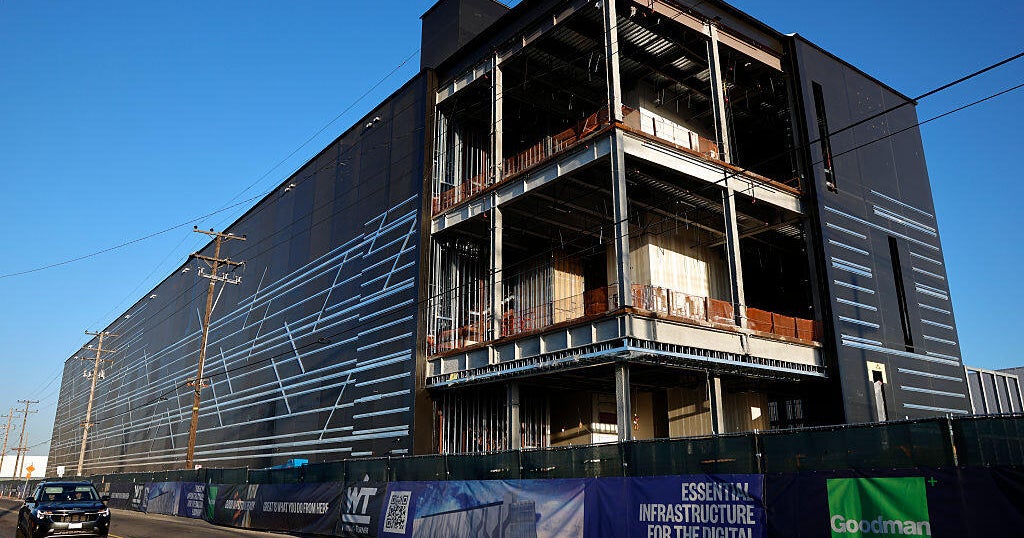
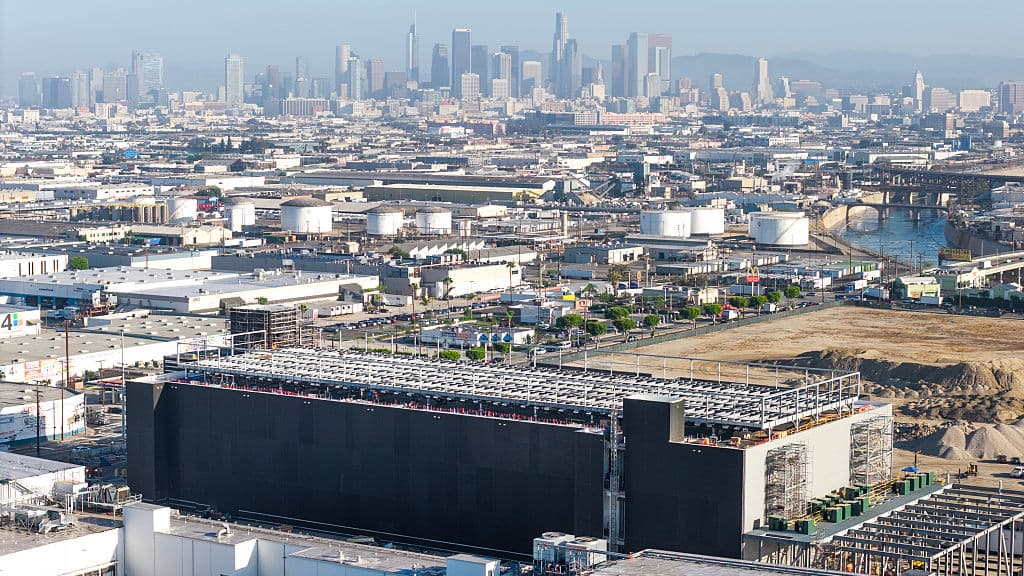
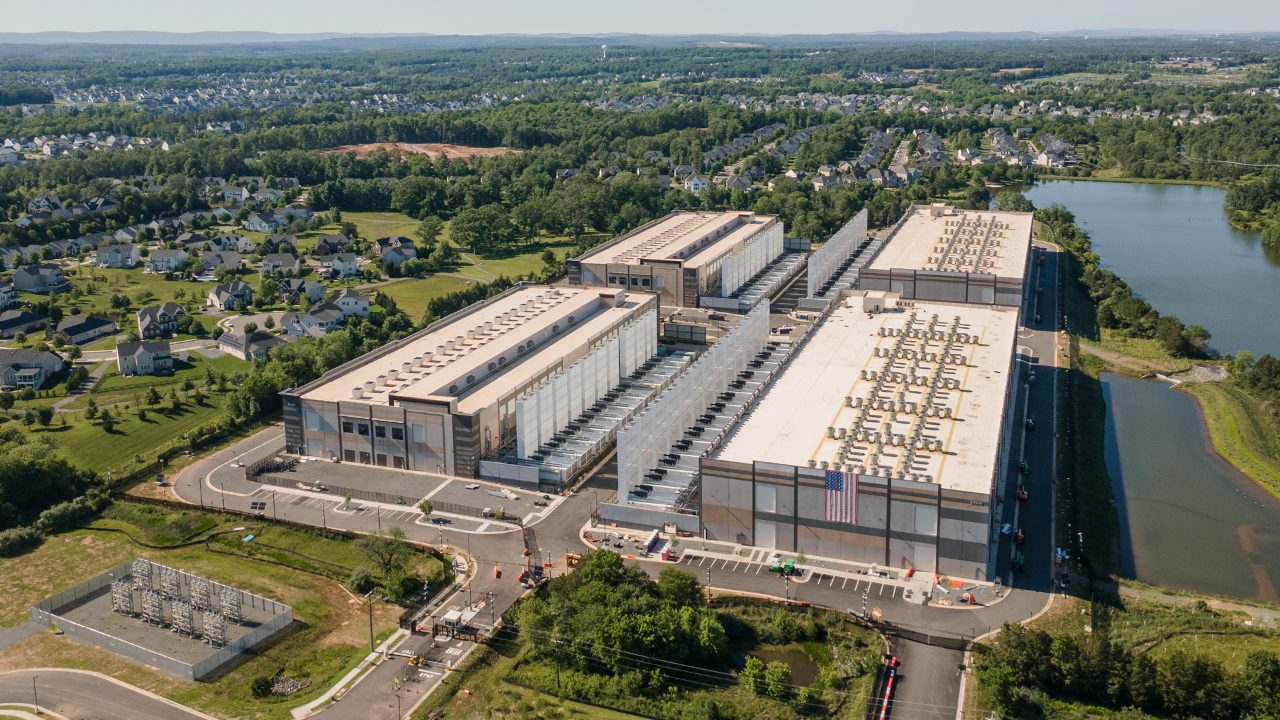
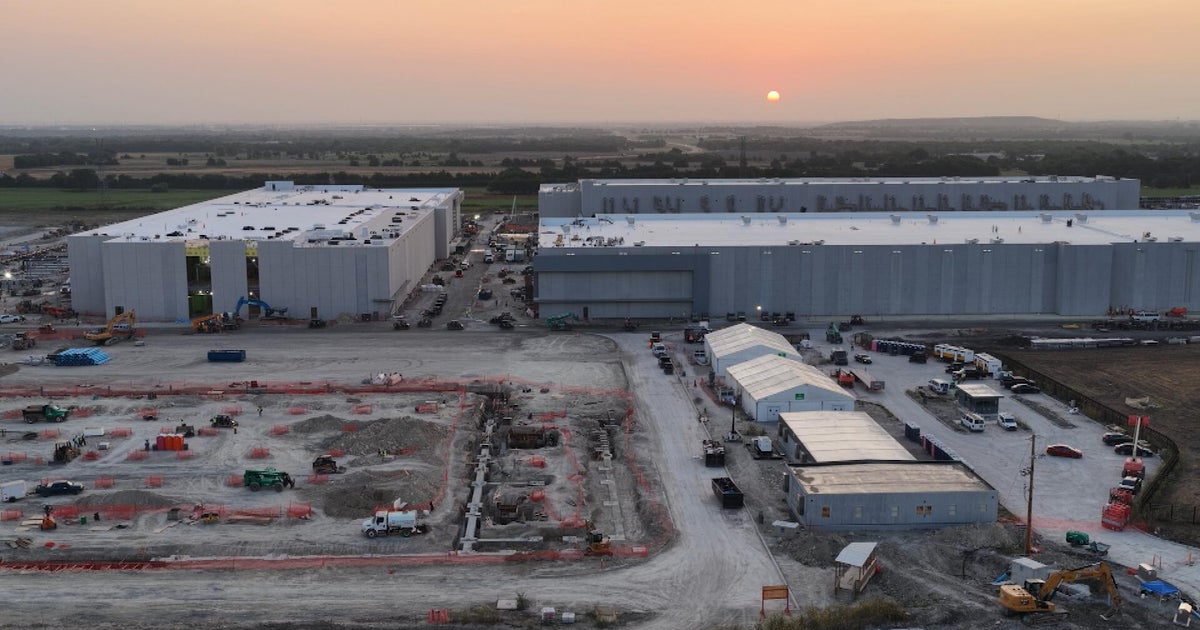
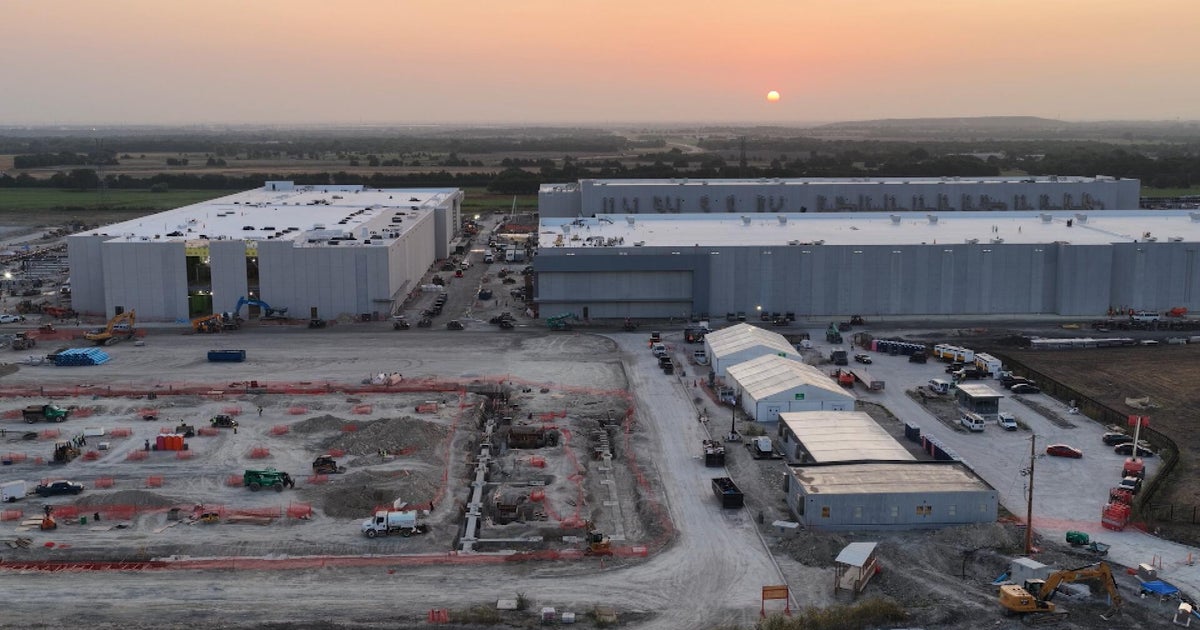
Many Americans are skeptical about having a data center in their area, fueled largely by what they perceive as negative impacts on the environment and resources.
asserted
they → have → environment
The construction of
, but most Americans feel they don't know a lot about them yet.
asserted
they → feel → them
People's own lack of familiarity with data centers contributes to their unease about having one in their local area.
asserted
lack → contribute → area
While people tend not to favor them no matter how much they feel they know, the less they feel they know about data centers, the less likely they are to favor one.
asserted
they → tend → one
Overall, by more than two to one, more Americans oppose than favor having a new data center built in their area.
asserted
center → oppose → area
The relatively few — 16% — who feel they know "a lot" see some potential upsides of having one locally, but more of them still oppose one than support one in their local area, anyway.
asserted
more → feel → area
(Those who report knowing "nothing" about data centers are mostly unsure about having one in their area.)
asserted
who → report → area
The country is generally divided on whether more data centers are necessary for the U.S. to remain competitive in the fields of technology and AI.
asserted
U.S. → divide → technology
Those who would favor a new data center in their area overwhelmingly think they are necessary for the U.S. to compete with other countries.
asserted
U.S. → favor → countries
More Republicans than Democrats think data centers are needed for competitiveness, but many of them, like Democrats, aren't sold on having one in the area where they live.
asserted
they → think → area
Overall, majorities believe data centers are mostly bad for the environment, for resources like water and electricity, and for people's energy or utility costs in the areas where they are built.
asserted
they → believe → areas
On a more positive note, slightly more Americans think the building of data centers is good, rather than bad, for both the local economy and for tax revenue.
asserted
building → think → revenue
People who anticipate these benefits are more inclined to favor than oppose a data center in their area.
asserted
who → anticipate → area
And on jobs specifically, half of Americans see data centers as
where they are built in the short term, but far fewer think that will be true in the long term.
asserted
that → see → term
On these questions about potential local impacts, sizable percentages say they are "not sure" — underscoring that these matters surrounding data centers are not yet familiar to many Americans.
asserted
matters → say → Americans
This CBS News/YouGov survey was conducted with a nationally representative sample of 2,023 U.S. adults interviewed between June 2-4, 2026.
asserted
survey → conduct → June
The sample was weighted to be representative of adults nationwide according to gender, age, race, and education, based on the U.S. Census American Community Survey and Current Population Survey, as well as 2024 presidential vote.
uncertain
sample → weight → Survey
 The Aporia