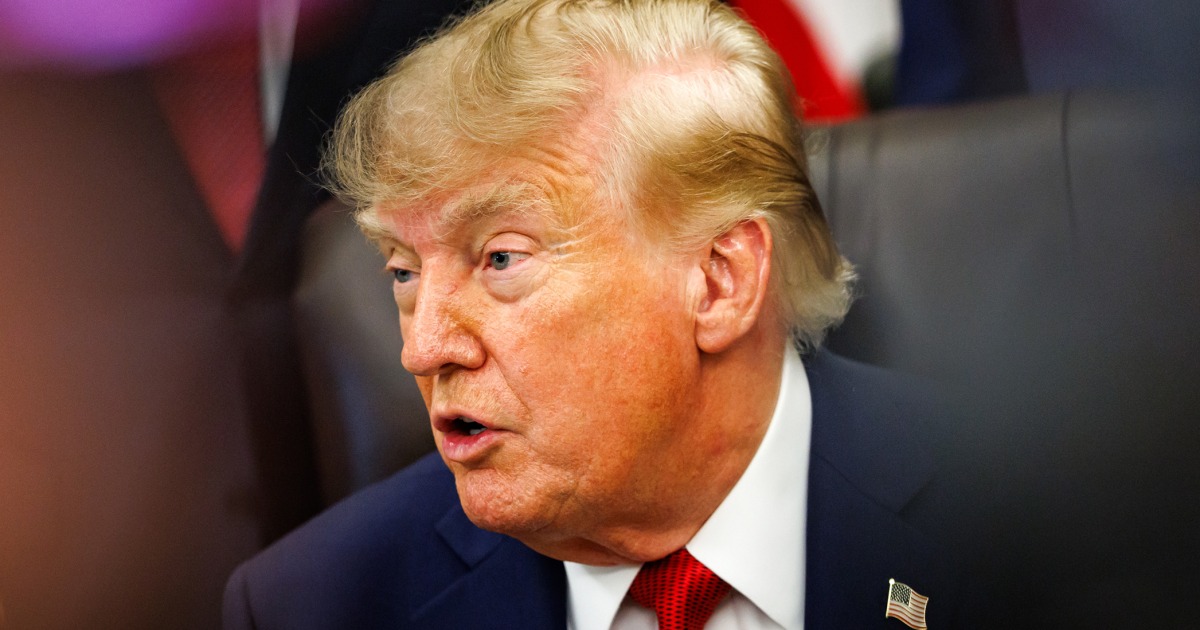
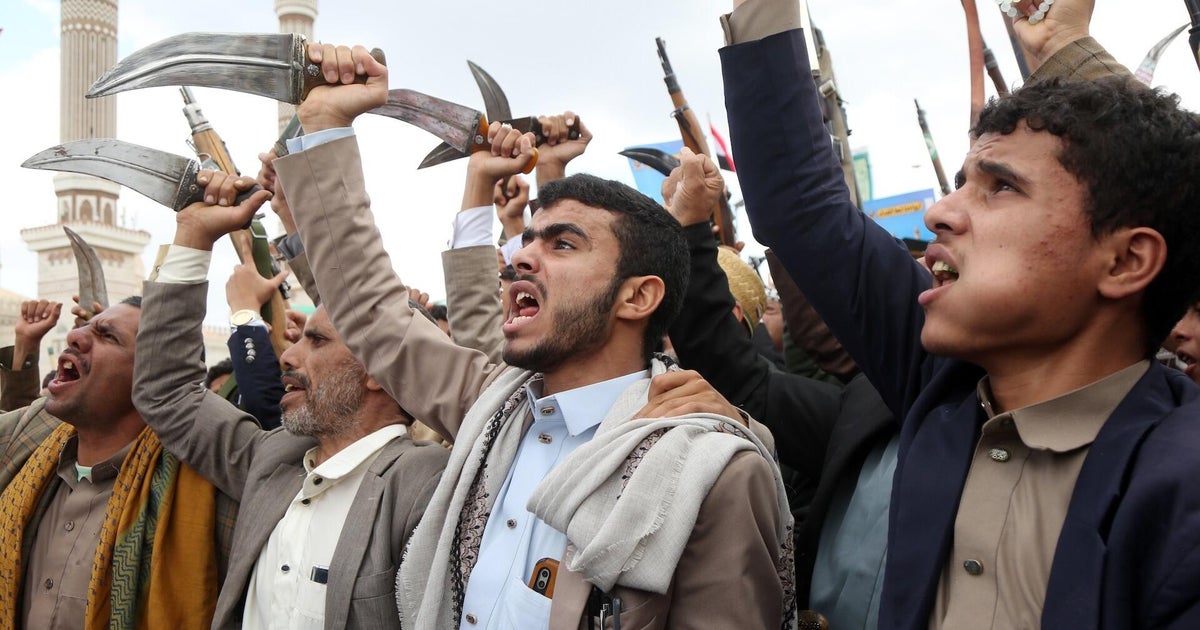
Photo via NBC News

U.S. military leaders divided over action against the Houthis

Read the original at NBC News ↗
Cite

Gains, M. (2026, September 21). U.S. military leaders divided over action against the Houthis. NBC News. https://www.nbcnews.com/politics/national-security/us-military-leaders-divided-action-houthis-rcna599049

Dated when The Aporia collected the article, usually within hours of publication. Check the original for its exact date and byline.

NBC News · collected 2026-09-21 · by Mosheh Gains

Quick Summary

U.S. military leaders are conflicted over whether President Trump should intervene in Yemen's conflict between Saudi Arabia and Houthi rebels, according to unnamed officials. Some advocate against involvement due to the Pentagon’s limited resources and lack of direct threats from the Houthis to U.S. interests, while others push for retaliatory strikes to support Saudi Arabia amid recent Houthi advances and claims of downing a Saudi F-15 fighter jet. Trump initially ordered military action but later canceled it, reflecting his ongoing struggle with how to balance Middle Eastern alliances against strategic limitations and internal opposition within the Pentagon.
Written by AI on 2026-09-22, from this article's own text only (the story summary below draws on all the coverage).

AI analysis

Story summary

U.S. military leaders are divided on whether President Donald Trump should intervene in the conflict between Saudi Arabia and Iran-backed Houthi rebels in Yemen, according to two unnamed officials. The Saudi government has requested U.S. military support following recent claims by Houthis of shooting down a Saudi F-15 fighter jet and advancing towards Marib province, home to Yemen’s largest oil and gas fields. Some Pentagon leaders argue that initiating another front in the Middle East is unwise due to limited defensive weaponry supplies and the fact that Houthis have not targeted U.S. ships. However, others advocate for retaliatory strikes against Houthi forces to support Saudi Arabia's defense capabilities, fearing a failure to act might embolden Iran’s regional influence and endanger U.S. military operations in places like the Strait of Hormuz.

Written for “Houthis Military Conflict” on 2026-11-02, grounded in this article and the 0 other(s) covering the same event.

Story

📰 Houthis Military Conflict
Politics · 1 article(s) covering the same event.

Compared with similar articles

This article reads leans right and hedges 18% of its claims. Each row says how that neighbour differs.
The Straits Times
Hedges 4 of 26 claims Outlet record 66/100
“The articles describe different stages of the conflict; Article A reports on the initial missile attack on Riyadh, while Article B discusses subsequent military deliberations and actions requested by Saudi Arabia.”
Al Jazeera
Hedges 5 of 28 claims Outlet record 60/100
“The articles describe different meetings and discussions involving different stakeholders regarding the conflict in Yemen.”
Al Jazeera
Hedges 5 of 67 claims Outlet record 60/100
“The articles describe different meetings and discussions happening at different times involving distinct sets of countries and military leaders.”
CBS News
Hedges 0 of 3 claims Outlet record 66/100
“Article A reports on the escalation of Houthi attacks on Saudi Arabia alongside President Trump's stance, while Article B focuses on U.S. military leaders' divisions regarding potential U.S. involvement in the conflict.”
South China Morning Post
⚖️ Leans left further left than this Hedges 2 of 6 claims Outlet record 63/100
“While both articles discuss U.S. involvement in the conflict between Saudi Arabia and Houthi rebels, they describe different phases of the situation: Article A covers the immediate aftermath of the US rejection to intervene, while Article B discusses the internal debate among U.S. military leaders regarding intervention.”
The Hindu
⚖️ Leans left further left than this Hedges 0 of 11 claims Outlet record 60/100
“Article A reports on Saudi Arabia's airstrikes against Houthis in Yemen over a period of days, while Article B discusses U.S. military leaders' division over potential involvement in the conflict between Saudis and Houthis.”
National Post
Hedges 5 of 26 claims Outlet record 60/100
“Article A reports on a missile attack targeting Riyadh, while Article B discusses U.S. military leaders' divisions over involvement in the conflict following recent rebel advances and claims.”
New York Post
⚖️ Leans strongly right further right than this Hedges 3 of 22 claims Outlet record 66/100
“While both articles discuss U.S. reluctance to intervene in the conflict between Saudi Arabia and Houthi rebels, they describe different aspects of the ongoing situation: Article A focuses on the lack of support for Saudi Arabia, while Article B discusses internal debates among U.S. military leaders about potential intervention.”
CBS News
Hedges 0 of 2 claims Outlet record 66/100
“The articles discuss different phases of the decision-making process regarding potential U.S. military action against Houthi rebels, rather than a single incident.”
The Independent
⚖️ Leans left further left than this Hedges 4 of 34 claims Outlet record 59/100
“The articles discuss different aspects of the conflict without clearly describing the same specific incident or timeframe.”
How this article was measured signals, leaning charts, publisher record, byline, topics and claims

Signals How these are calculated →

Claims extracted
34
sentences that state something as happening or true
Uncertain
18%
6 of 34 hedged ("reportedly", "may", "according to")
Leaning
Leans right
of the writing, not the subject · beta estimate
Publisher signals
60/100
NBC News's corrections and hedging, across everything collected from it. Not a measure of accuracy.
Outlets on this story
1
Politics
Same framing elsewhere
1
articles that frame the event the way this one does
Analyzed 2026-09-22 · how these are computed

How this is being covered How these are calculated →

Article leaning vs. publisher reliability
Source leaning vs. consistency

Publisher

NBC News · 1987 article(s) · 1 correction(s) detected
Running correction rate · 1 correction(s)

Who wrote this

Mosheh Gains
4 article(s) here · 1 carrying a prediction
🔮 Among the first to depart from Naval Air Station North Island in Coronado will be 64 parents who have been waiting months to meet their babies for the first time, The Associated Press reported.
🔮 One senior U.S. military leader in the region specifically warned that action against the Houthis could create unmitigated risk to U.S. troops in Middle East and the Iran war mission, including a U.S. naval blockade and security operations in the Strait of Hormuz, the two U.S. officials said.
🔮 The ship, which is still under construction, has been set to be named the USS Doris Miller in honor of an enlisted sailor who famously staffed an anti-aircraft gun during the attack on Pearl Harbor, Hawaii, during World War II despite not having been trained on the weapon.
🔮 The annual U.S.-South Korea drills, known as Ulchi Freedom Shield, will end Aug. 21 rather than Aug. 27 as originally scheduled, a Defense Department official said.
Also by Mosheh Gains
Nothing else under this byline is closely related to this article, so these are simply their most recent.

Topics

Houthis Iran Saudi Arabia U.S. Yemen

Subjects

U.S. GPE · 20× Trump PERSON · 9× Houthis NORP · 8× Iran GPE · 5× Saudi NORP · 5× Saudis NORP · 4× Yemen GPE · 4× Pentagon ORG · 3× Saudi Arabia GPE · 3× WASHINGTON GPE · 2×

Narrative

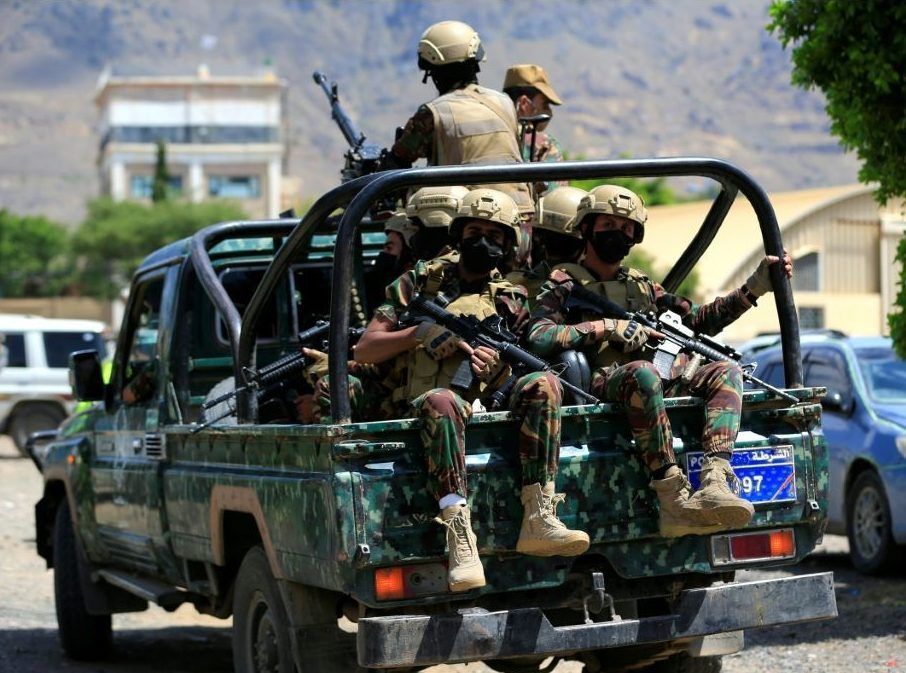
Some military leaders are making the case within the Pentagon and to Trump administration officials that opening another military front in the region is a bad idea amid concerns about the Pentagon’s dwindling supply of defensive and long-range weaponry, while noting that the Houthis are not striking U.S. ships, the U.S. officials said.
framing: assertive · carried by 1 article(s) · first seen 2026-09-22
🔮 One senior U.S. military leader in the region specifically warned that action against the Houthis could create unmitigated risk to U.S. troops in Middle East and the Iran war mission, including a U.S. naval blockade and security operations in the Strait of Hormuz, the two U.S. officials said.
2026-09-22 · NBC News
U.S. military leaders divided over action against the Houthis · assertive framing

Claims (34 extracted, 6 hedged)

U.S. military leaders are divided on whether President Donald Trump should get involved with the conflict between Saudi Arabia and Iranian-backed Houthi rebels in Yemen, according to two U.S. officials. uncertain
Trump → divide → officials
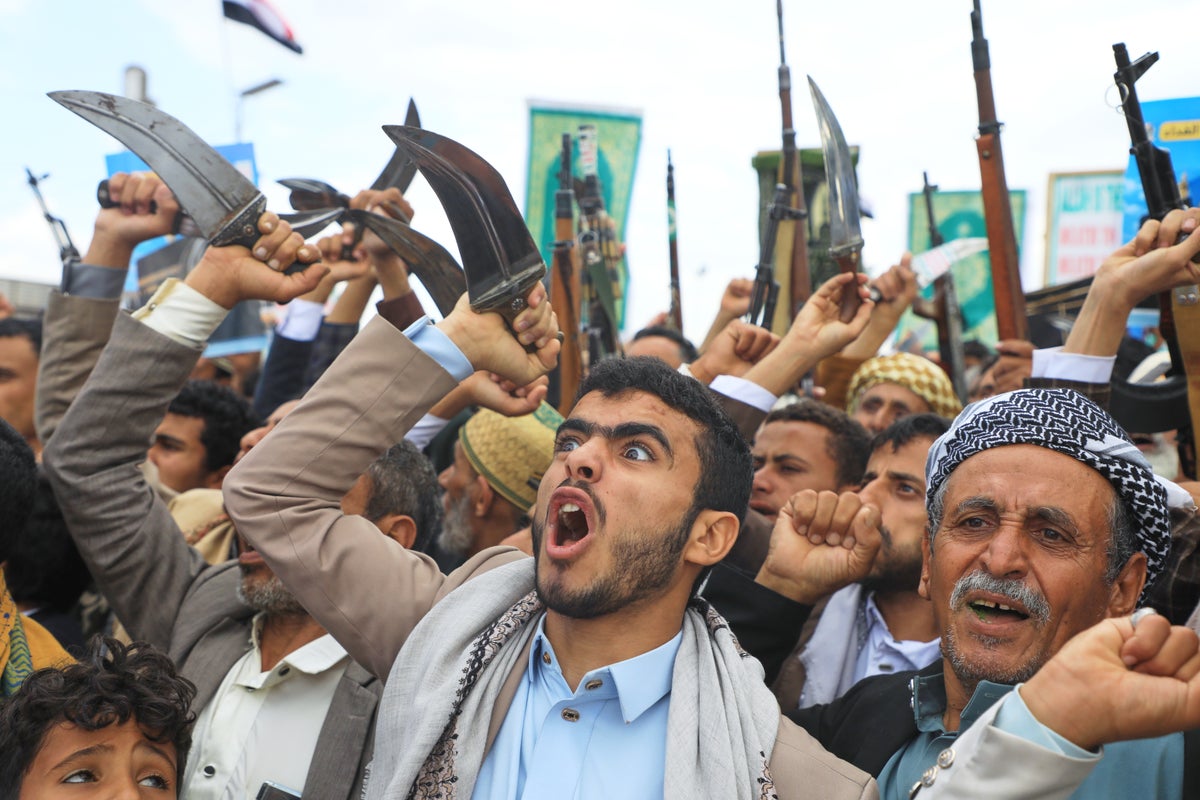
The Saudis have been asking Trump for the U.S. military to take action against the Houthis, a request that grew more urgent in recent days as the rebels claimed they shot down a Saudi F-15 fighter jet and were quickly advancing on Marib province, which is home to Yemen’s largest oil and gas fields. asserted
which → ask → fields
Some military leaders are making the case within the Pentagon and to Trump administration officials that opening another military front in the region is a bad idea amid concerns about the Pentagon’s dwindling supply of defensive and long-range weaponry, while noting that the Houthis are not striking U.S. ships, the U.S. officials said. asserted
officials → make → ships
Yet other military leaders are arguing in favor of strikes, saying the U.S. should help Riyadh retaliate for Houthi strikes in Saudi Arabia and the claim of downing of the F-15 — a challenge to Saudi air superiority over Yemen, the officials said. uncertain
officials → argue → Yemen
They said these military leaders are privately expressing concern that for the U.S. not to act more forcefully is a betrayal of an important regional ally. asserted
act → say → ally
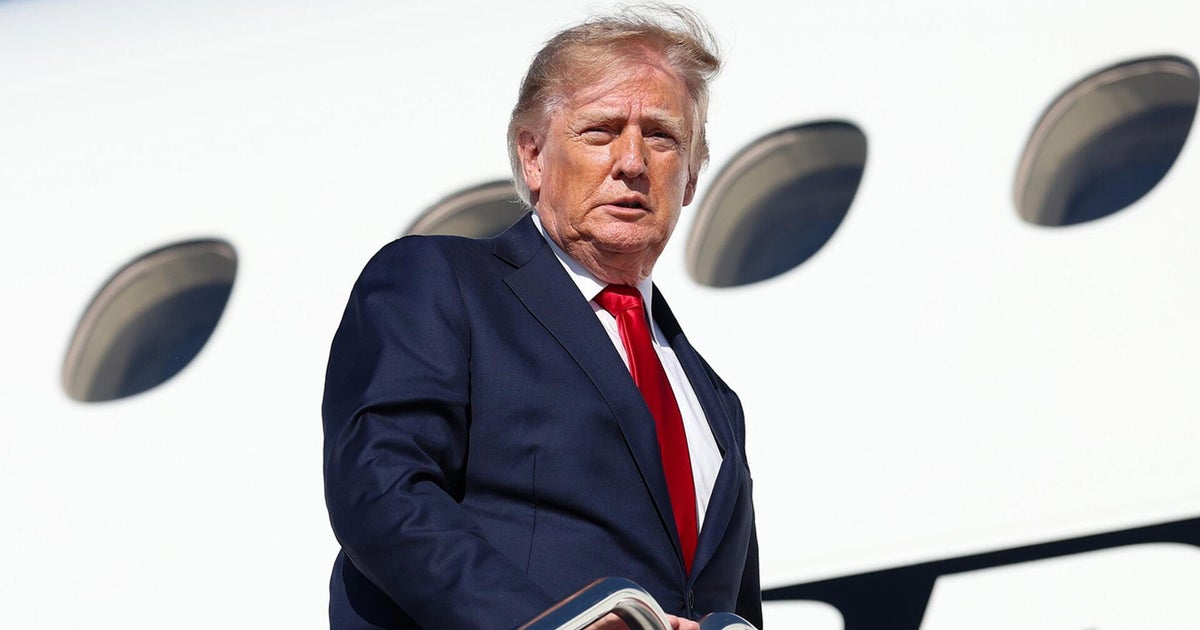
Trump had ordered strikes against the Houthis to begin around 5 p.m. Eastern Standard Time on Sunday, but the military was notified shortly after 2 p.m. on Sunday that the order was canceled, the two U.S. officials said. asserted
officials → order → Sunday
One of the officials said Trump has not taken military action off the table in the future. asserted
Trump → say → future
One senior U.S. military leader in the region specifically warned that action against the Houthis could create unmitigated risk to U.S. troops in Middle East and the Iran war mission, including a U.S. naval blockade and security operations in the Strait of Hormuz, the two U.S. officials said. uncertain
officials → warn → Hormuz
They said the military leader also made clear that U.S. forces could carry out the Iran mission and strikes against the Houthis and mitigate some of the risks, the officials said. uncertain
officials → say → risks
The internal divide underscores the bind the president is increasingly in as the U.S. remains locked in a war with Iran that he began but has struggled to end, and faces a shortage of key weaponry. asserted
he → underscore → weaponry
The Saudis have been a critical U.S. ally in the Middle East, including throughout the war with Iran. asserted
Saudis → include → Iran
Trump told Fox News over the weekend that he’s deciding whether to escalate the war with Iran, a position he has articulated on and off over the past few months. asserted
he → tell → months
The White House and a spokesperson for the Saudi Embassy in Washington, D.C., did not respond to a request for comment. asserted
House → respond → comment
The Pentagon declined to comment. asserted
Pentagon → decline → ?
In May, Saudi Arabia was surprised by an announcement by Trump to help ships through the Strait of Hormuz and suspended the U.S. military’s ability to use its bases and airspace. uncertain
Arabia → surprise → bases
Trump abruptly reversed his decision. asserted
Trump → reverse → decision
The U.S. has already been supporting the Saudis by sharing intelligence, helping with planning, sending military advisers forward with the Saudi forces and even providing some logistical support, NBC News has reported. asserted
News → support → support
But the Saudis have repeatedly asked the U.S. to do more, including help with strikes against the Houthis. asserted
Saudis → ask → Houthis
Trump had not shown interest in acting until Thursday, when Saudi Crown Prince Mohammed bin Salman told him in a phone call that the kingdom cannot succeed alone and after a series of developments — including the Houthis targeting Saudi infrastructure, downing the F-15 and threatening to take control of Yemen’s oil industry, according to one of the U.S. officials. uncertain
Houthis → show → officials
After the call, Trump ordered the military to provide him with fresh options for strikes against the Houthis, the official said. asserted
official → order → Houthis
Chairman of the Joint Chiefs Dan Caine called a 6 p.m. emergency meeting in The Tank, the top-security conference room in the Pentagon, to discuss options, the official said, canceling a trip to Copenhagen to meet with NATO chiefs of defense. asserted
official → call → defense
U.S. military officials have presented Trump with options for degrading Houthi military capabilities and stopping the rebels’ recent advances several times since Thursday, the official said, adding that the Pentagon has enough assets in the region to be ready to act if ordered to do so. asserted
Pentagon → present → region
The New York Times reported some details of Trump’s decision-making process. asserted
Times → report → process
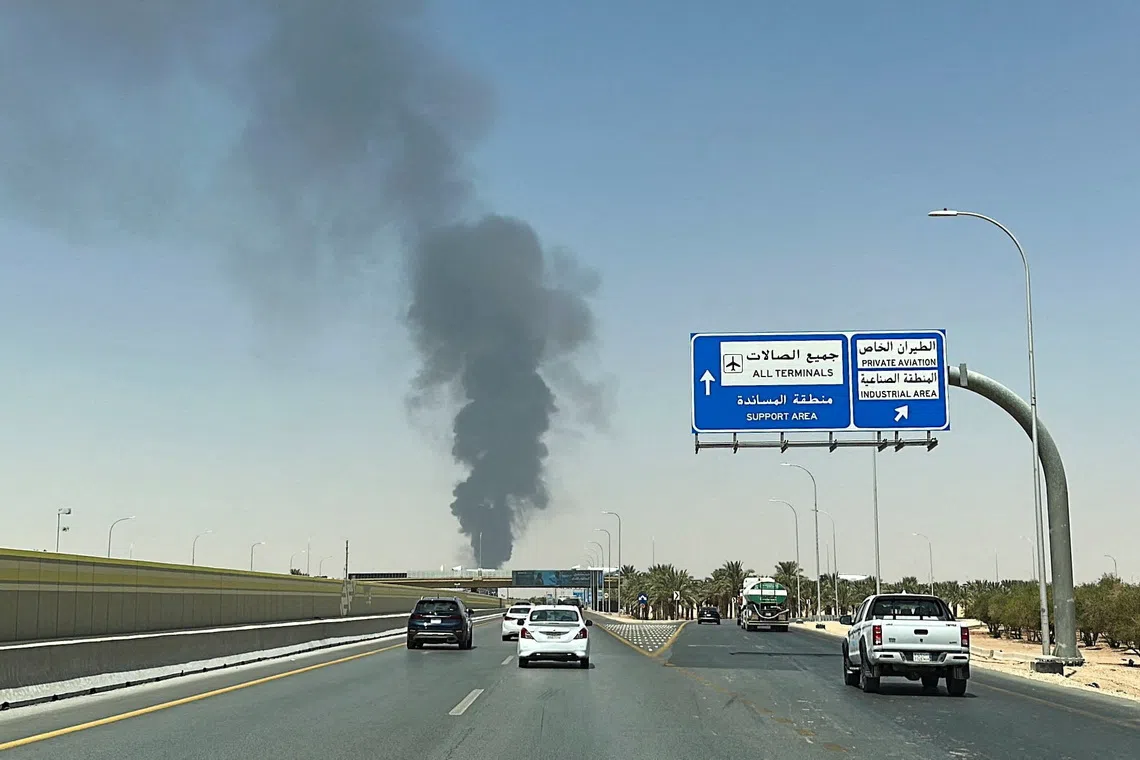
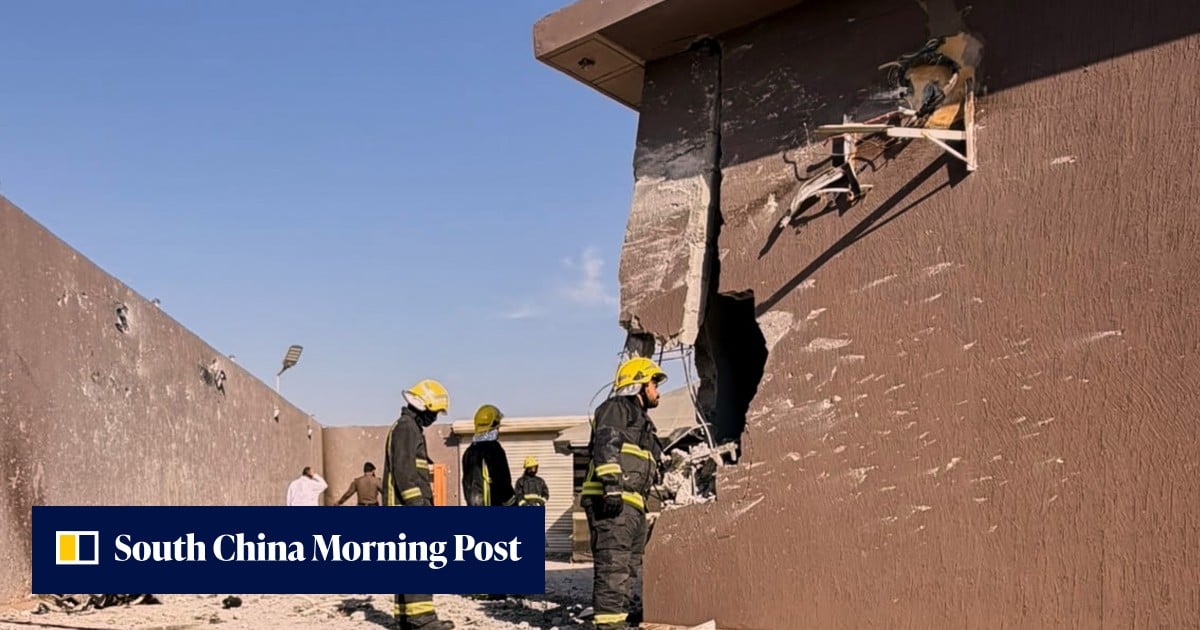
Violence escalated over the weekend, as the Houthis said they’d used missiles and drones on Saturday to attack “sensitive” sites in Riyadh and an Aramco facility in the Red Sea city of Yanbu, a key oil export hub. asserted
they → escalate → Yanbu
The spokesperson for the coalition forces issued a statement on Saturday saying Saudi Arabia had successfully intercepted and destroyed a ballistic missile launched toward Riyadh and that the Houthis “target civilians and civilian infrastructure in the capital.” asserted
Houthis → issue → capital
The militant group also made a rapid advance to control the Bab el Mandeb Strait on the Red Sea, yet another oil chokepoint. asserted
group → make → Sea
The advance has posed a major challenge for the Saudis, who rely on that shipping route particularly since the Strait of Hormuz has been largely shuttered during the Iran war. asserted
Strait → pose → war
The Houthis took control of Yemen in a bloody civil war in 2014 against a Saudi-backed coalition. asserted
Houthis → take → coalition
A fragile truce between the Houthis and the Yemeni government backed by the U.N. was reached in 2022. asserted
truce → back → 2022
Trump announced a ceasefire with the Houthis last year after weeks of punishing strikes against the militant group. asserted
Trump → announce → group
Under the deal, the U.S. suspended military action and the Houthis stopped attacking U.S. ships. asserted
Houthis → suspend → ships
Trump recently has said his administration has had discussions with the Houthis but has not offered details. asserted
administration → say → details
“The Houthis called us, and they don’t want to fight with us,” he said earlier this month. asserted
he → call → us
“They would much prefer not having us involved.” asserted
us → prefer → ?

💬Give feedback
🕘History 🎫Support