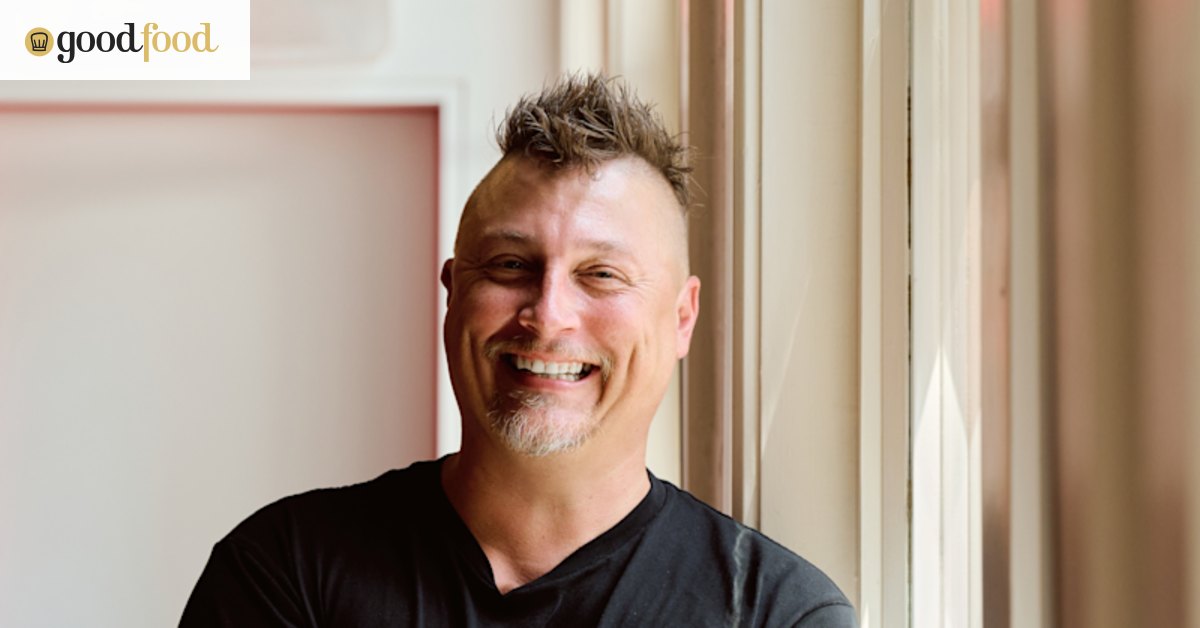
Mornings at Dr Billy Garvey’s home in Newcastle might look different to what you’d expect of a developmental paediatrician with three children.
uncertain
you → look → children
Forget macronutrient-balanced superfood bowls for Yvie, 5, Charlie, 3, and Heidi, 1 – you’re more likely to see his pint-sized crew parked before the TV while sucking down a yoghurt pouch.
asserted
crew → forget → pouch
A mattress clutters the hallway where Garvey sleeps to it easier to tend to nighttime wakings, and the laundry basket is always overflowing.
asserted
basket → clutter → wakings
Screen time, vegetable intake and tidiness are some of the concessions he and his wife, Annaliese, a surgeon, are willing to make for one overarching parenting priority: making time for emotional connection with their kids.
asserted
he → make → kids
“At our place, the clean washing never gets into the wardrobe – most mornings I’m picking what I’ll wear out of that pile … and our kids could eat way better,” says Garvey, author of Ten Things I Wish You Knew About Raising Boys and host of the Pop Culture Parenting podcast.
uncertain
You → get → podcast
“But every weekend, we spend almost the entire day with them.
asserted
we → spend → them
We’ve picked our priorities, and I would always advocate for making an easier meal that doesn’t have five serves of vegetables or using a screen when you need to so that you can find minutes in a day to play with a kid.”
asserted
you → pick → kid
Garvey, 43, has spent more than 20 years working with children and teenagers with behavioural and mental health challenges, and with males being three times more likely to take their own lives than females, he’s spreading the word about how much boys need “sanctuaries” where they can express themselves safely.
asserted
they → spend → themselves
“There’s this beautiful thing you can do to buffer them against exposure to trauma, pornography, violence, alcohol and drugs – and that is purely in the relationship you have with them and the ability to sit with them, walk with them and journey with them,” he says.
asserted
he → ’ → them
“We need to be thinking about how we build these sanctuaries with our boys – a safe space that’s protected and is about enjoying each other, celebrating each other and connecting with each other.
asserted
that → need → other
It’s not about monitoring them or trying to catch them out.
asserted
It → ’ → them
A sanctuary could be an activity you do together or even giving them a lift each week to sport or school, offering a regular chance for them to vent or ask questions.
uncertain
them → do → questions
“Even if you have a 19-year-old who never leaves the bedroom, does drugs and is mentally unwell, ask yourself: How do I build that sanctuary?”
asserted
I → have → sanctuary
Show up before you shout
While we might be deeply disappointed by our sons’ behaviour at times, Garvey begs parents to stay open.
uncertain
Garvey → show → parents
“One of the things that happens to teenage boys … is [parents] give the silent treatment or say, ‘I’m sick of you, I can’t believe you’re behaving like this’,” he says.
asserted
he → happen → this
“But often if a kid is bucking against boundaries, they benefit from parents connecting with them first so they understand we unconditionally love and support them.
asserted
we → buck → them
That doesn’t mean no boundaries or consequences.”
asserted
That → mean → boundaries
Garvey says that 90 per cent of parents assume their teenager knows they love them, but only about half say they feel loved by their parents – so the message is not always landing, especially when they muck up.
asserted
they → say → parents
“There’s a huge gap where parents think their teenager knows they love them, but you actually prove the love by how you are with them when things are not going so well,” he says.
asserted
he → ’ → them
“I think we undervalue how important frequent ‘sanctuaries’ are to protect the relationship with our boys so they understand that we unconditionally love and support them.”
asserted
we → think → them
Behaviour change expert Tamsin Simounds, author of The Experiment Mindset, says that if parents want to set up a successful dynamic, they ought to start with curiosity about what’s working and what’s not in their particular household.
asserted
what → say → household
“We have so much access to information in books and podcasts that we often feel like someone else needs to tell us how to do it right when we actually [need to] look at what’s going on [for us] and learn from that and adapt,” says Simounds, a mother to two boys, aged seven and 10.
asserted
Simounds → have → boys
Parents are only human, and if you’ve lashed out at your cranky son or let the sanctuary slide, Simounds suggests starting afresh with small experiments to see what sticks.
uncertain
what → lash → experiments
“Having an experiment mindset allows you to keep progressing and growing without getting down on yourself,” she says.
asserted
she → have → yourself
“Treat your ‘failure’ like data – you might think: ‘Was I really tired when I just yelled at my kid? Am I bit of an asshole?’
uncertain
I → treat → asshole
Then think about what happened during the day and how you can try something different the next day.
asserted
you → think → something
“You might say to your child, ‘Sorry, my behaviour wasn’t great last night.
uncertain
behaviour → say → child
I was feeling a bit tired and here’s what I’m going to do next time’.
asserted
I → feel → what
 The Aporia