Photo via The Guardian

Hurricane Polo, rapidly intensifying from strong El Niño patterns, rages off coast of Mexico

Read the original at The Guardian ↗
Cite

Luscombe, R. (2026, September 22). Hurricane Polo, rapidly intensifying from strong El Niño patterns, rages off coast of Mexico. The Guardian. https://www.theguardian.com/world/2026/sep/22/hurricane-polo-mexico

Dated when The Aporia collected the article, usually within hours of publication. Check the original for its exact date and byline.

The Guardian · collected 2026-09-22 · by Richard Luscombe

Quick Summary

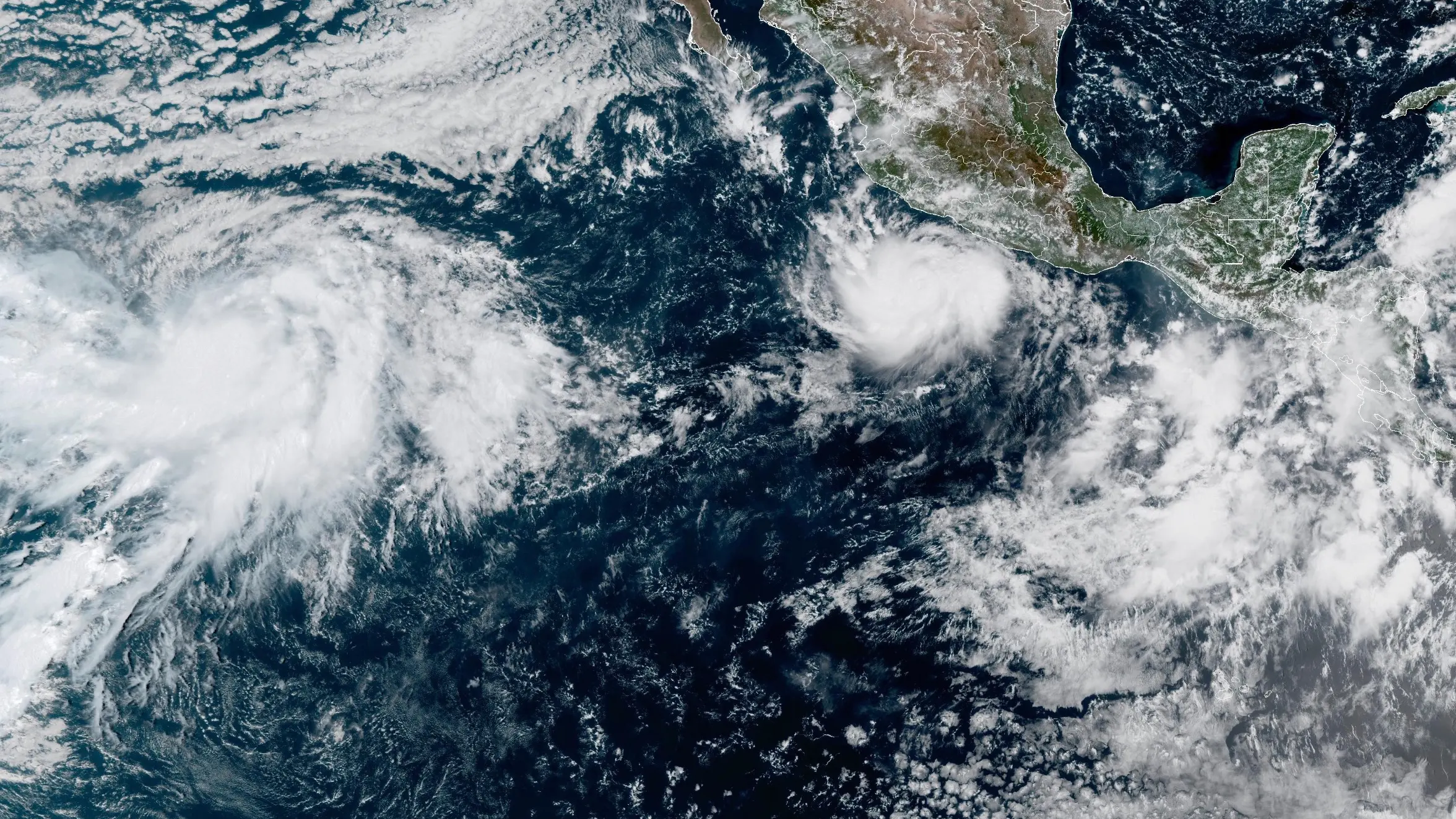
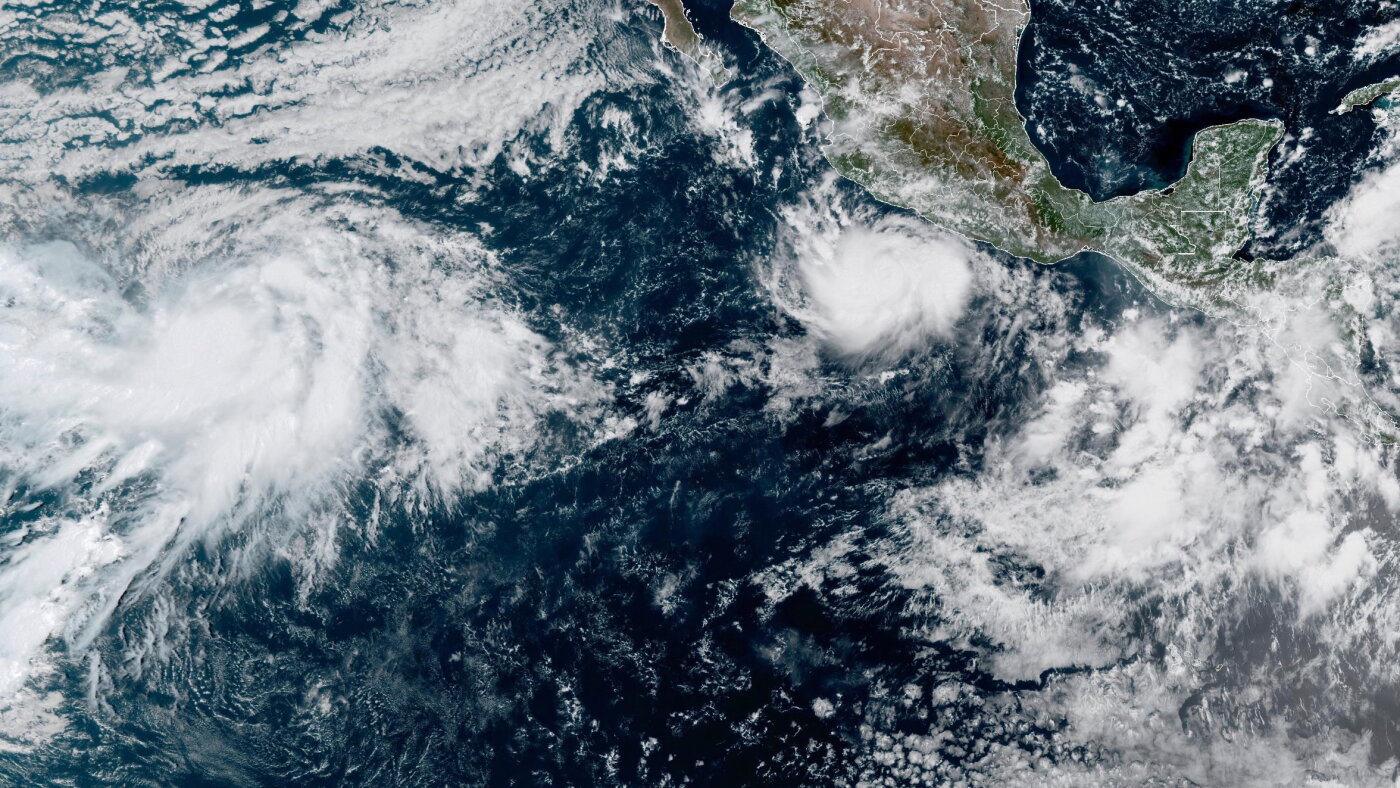
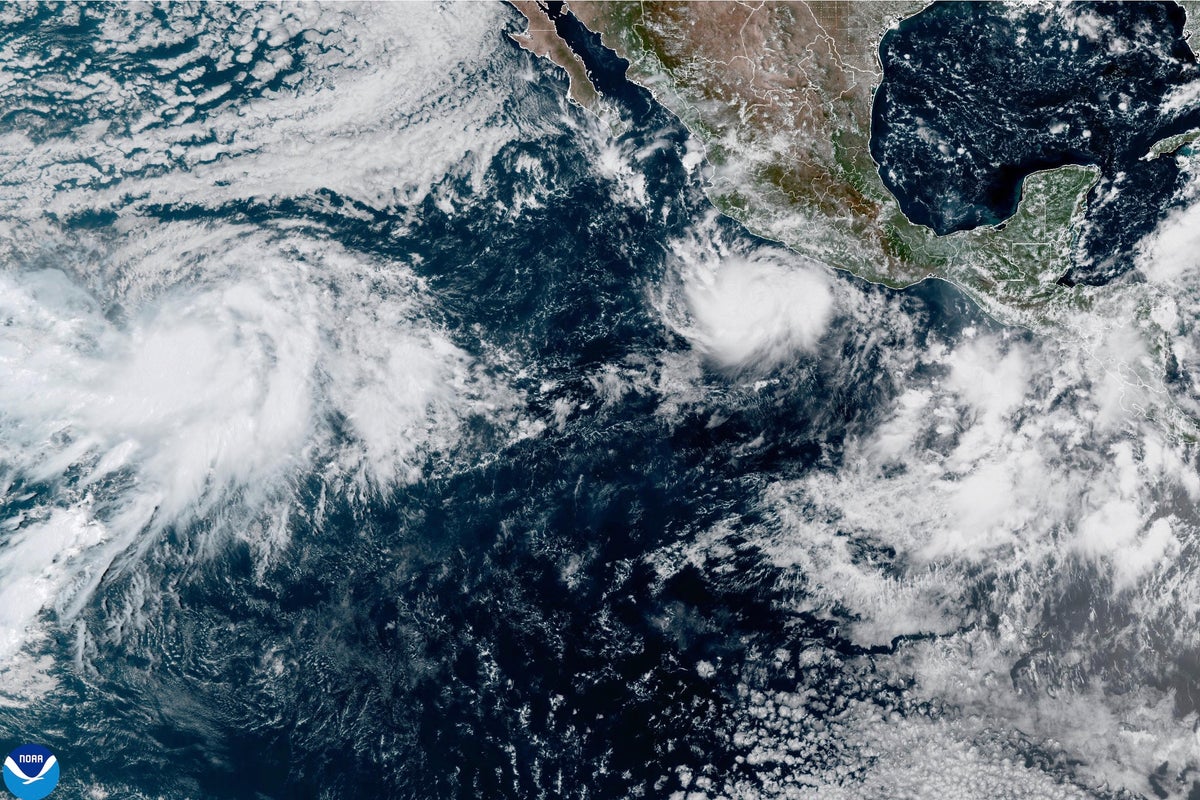
Hurricane Polo intensified from a tropical storm to a category 5 hurricane in less than 24 hours off Mexico's southwest coast on Tuesday, with maximum sustained winds of 165mph (266km/h). Its rapid growth is attributed to this year’s super El Niño, the most extreme on record. While forecasters predict Mexico will likely avoid a direct hit from Polo, they warn that life-threatening flooding and mudslides are possible inland, along with dangerous surf and rip currents. The article highlights how strong El Niño patterns in the Pacific promote hurricane activity while limiting it in the Atlantic basin.
Written by AI on 2026-09-22, from this article's own text only (the story summary below draws on all the coverage).

AI analysis

Story summary

Hurricane Polo, rapidly intensifying to a Category 5 storm with maximum sustained winds of 165 mph (265 km/h), became one of the most powerful Pacific cyclones in decades. Centered approximately 346 kilometers south of Zihuatanejo, Mexico, it was expected to skirt the southwestern coast without making landfall but could cause significant flooding and mudslides inland due to heavy rainfall forecasts. The National Hurricane Center warned that coastal states like Guerrero and Michoacán might receive up to 12 inches (30 cm) of rain by Thursday, raising flood risks. Researchers linked Polo's unusual strength to the strong El Niño weather pattern, which has fueled extreme conditions globally this year.

Written for “Hurricane Polo Threats Mexico USA” on 2026-10-31, grounded in this article and the 28 other(s) covering the same event.

Story

📰 Hurricane Polo Threats Mexico USA
Environment · 29 article(s) covering the same event. Compare every outlet's account →

Compared with similar articles

This article reads unscored and hedges 15% of its claims. Each row says how that neighbour differs.
TIME
Hedges 9 of 45 claims Outlet record 59/100
The Independent
Hedges 4 of 14 claims Outlet record 59/100
New York Post
Hedges 3 of 15 claims Outlet record 66/100
Toronto Star
Hedges 5 of 31 claims Outlet record 64/100
NPR
Hedges 5 of 31 claims Outlet record 60/100
Euronews
Hedges 0 of 5 claims Outlet record 60/100
The Independent
Hedges 3 of 14 claims Outlet record 59/100
The Independent
Hedges 4 of 14 claims Outlet record 59/100
CBC News
Hedges 5 of 48 claims Outlet record 60/100
“The articles describe different hurricanes (Polo and Nolo) impacting separate regions (Mexico and Hawaii).”
BBC News
Hedges 2 of 17 claims Outlet record 68/100
How this article was measured signals, leaning charts, publisher record, byline, topics and claims

Signals How these are calculated →

Claims extracted
13
sentences that state something as happening or true
Uncertain
15%
2 of 13 hedged ("reportedly", "may", "according to")
Leaning
not political
takes no side on a contested political question
Publisher signals
66/100
The Guardian's corrections and hedging, across everything collected from it. Not a measure of accuracy.
Outlets on this story
29
Environment
Same framing elsewhere
1
articles that frame the event the way this one does
Analyzed 2026-09-22 · how these are computed

How this is being covered How these are calculated →

Article leaning vs. publisher reliability
Source leaning vs. consistency

Publisher

The Guardian · 2749 article(s) · 6 correction(s) detected
Running correction rate · 6 correction(s)

Who wrote this

Richard Luscombe
28 article(s) here · 1 carrying a prediction
🔮 “I know of no law enforcement agency that would deem that to be acceptable,” he said.
🔮 Faculty will vote electronically on a proposed no-confidence resolution in Cornell’s administration through 6 November, a largely symbolic move that at least could put pressure on the university trustees that choose the university’s leadership, the AP said.
🔮 We know that many of you around the world share in our mourning, and we will be following up on plans to recognize and celebrate her incredible life and legacy.”
🔮 Maybe he should sit this one out.”
🔮 But he allegedly told investigators that he anticipated the Congress members would “take it serious” because the powder he sent could be perceived to be anthrax, which he said he knew was dangerous and would cause hazmat teams to have to respond.
🔮 But the bill is set to expire at the end of the legislative session on 30 November after Republican senators attempted to tie it to a separate move to expand voter identification requirements, a red line for many chamber Democrats.
🔮 Similar to hundreds of other reports released by the Pentagon since May as part of Donald Trump’s promise to bring transparency to decades of previously classified or secret documents relating to UFOs, many other details are vague, inconclusive or blacked out altogether.
🔮 “We have begun and will continue auditing [body-worn camera] footage.
🔮 “Cole was an incredible kid and could put a smile on anyone’s face,” Adrian said in a text message reported by the New York Times.
🔮 Experts said the devices “could knock a whole street down”.
Also by Richard Luscombe
Nothing else under this byline is closely related to this article, so these are simply their most recent.
All 28 articles by Richard Luscombe →

Topics

El Niño Hurricane Polo Mexico Polo Zihuatanejo

Subjects

Mexico GPE · 2× AccuWeather ORG · 1× Brian McNoldy PERSON · 1× Guerrero GPE · 1× Mexican NORP · 1× Miami GPE · 1× Paul Pastelok PERSON · 1× University of Miami ORG · 1× Zihuatanejo GPE · 1× the National Hurricane Center ORG · 1×

Narrative

” Hurricane Polo’s single-day intensification also fits into the assessment of University of Miami senior research associate Brian McNoldy on his tropical Atlantic blog that El Niño, which he said was only “moderate” towards the beginning of September, was “forecast to become very strong, likely the strongest on record, by later this fall and into winter”.
framing: assertive · carried by 1 article(s) · first seen 2026-09-22
🔮 Forecasters at the National Hurricane Center in Miami said Mexico was likely to avoid a direct hit, but warned that further intensification was likely, and that life-threatening flooding and mudslides were possible inland, along with dangerous surf and rip current conditions.

Claims (13 extracted, 2 hedged)

A tropical storm off the south-west coast of Mexico has intensified into a category 5 monster in fewer than 24 hours, fueled by stronger than usual El Niño weather patterns in the Pacific Ocean. asserted
storm → intensify → Ocean
Hurricane Polo was sending out maximum sustained winds of 165mph (266km/h) on Tuesday as its center churned about 215 miles (346km) south of the coastal city of Zihuatanejo, in Guerrero state. asserted
center → send → state
Its rapid and sudden growth is testament to the dominance of this year’s so-called super El Niño, which set a record on Monday as the most extreme on record, and has amplified a number of extreme weather events globally. asserted
which → call → events
Forecasters at the National Hurricane Center in Miami said Mexico was likely to avoid a direct hit, but warned that further intensification was likely, and that life-threatening flooding and mudslides were possible inland, along with dangerous surf and rip current conditions. asserted
flooding → say → conditions
El Niño occurs when extended ocean temperatures in the eastern and central Pacific, and near the equator, rise above their historical average. asserted
temperatures → occur → average
Meteorologists say the phenomenon increases disruptive winds and curtails other conditions favorable to storm development in the Atlantic basin, which remains quiet with less than three months to go in this year’s hurricane season. asserted
which → say → season
Conversely, it promotes increased activity in the Pacific, where the 2026 El Niño remains one of the strongest on record. asserted
Niño → promote → record
“The water temperatures in two separate areas, the north-central Pacific and off the Mexican coast, are running well above average,” Paul Pastelok, AccuWeather’s lead long-range meteorologist, said in the online weather service’s fall hurricane outlook last month. asserted
Pastelok → run → outlook
“We are seeing a strong impact in both the Atlantic and Pacific basins, with extreme wind shear limiting Atlantic storm development, while the Pacific remains quite active, as we expected back in the spring. asserted
we → see → spring
” Hurricane Polo’s single-day intensification also fits into the assessment of University of Miami senior research associate Brian McNoldy on his tropical Atlantic blog that El Niño, which he said was only “moderate” towards the beginning of September, was “forecast to become very strong, likely the strongest on record, by later this fall and into winter”. asserted
he → fit → winter
Polo is the 18th named storm, and seventh hurricane, of the 2026 Pacific season, which runs from 15 May until 30 November. uncertain
which → name → November
By contrast, the Atlantic basin, which has a six-month season from June until November, has seen only six named tropical storms and no hurricanes so far. asserted
which → have → storms
It is the first time in 112 years that no Atlantic hurricanes have formed by 21 September, and 2026 could join 1907 and 1914 as the only years without one being recorded. uncertain
2026 → form → one

💬Give feedback
🕘History 🎫Support