Photo via The Guardian

The Guardian view on Russian disinformation: a foreign threat that relies on UK complicity | Editorial

Read the original at The Guardian ↗
Cite

The Guardian view on Russian disinformation: a foreign threat that relies on UK complicity | Editorial. (2026, September 23). The Guardian. https://www.theguardian.com/commentisfree/2026/sep/23/the-guardian-view-on-russian-disinformation-a-foreign-threat-that-relies-on-uk-complicity

Dated when The Aporia collected the article, usually within hours of publication. Check the original for its exact date and byline.

The Guardian · collected 2026-09-23 · by Editorial

Quick Summary

The Guardian editorial discusses Russian disinformation efforts in the UK as highlighted by Prime Minister Rishi Sunak at the United Nations, emphasizing Russia’s use of bots and fake websites to spread false information. The piece argues that while such threats are significant, they cannot succeed without complicit audiences on platforms like X (formerly Twitter), which also hosts content from far-right activists and Elon Musk, who promotes anti-democratic narratives. The editorial suggests that addressing disinformation requires acknowledging the role of these platforms in facilitating its spread.
Written by AI on 2026-09-23, from this article's own text only (the story summary below draws on all the coverage).

AI analysis

Story summary

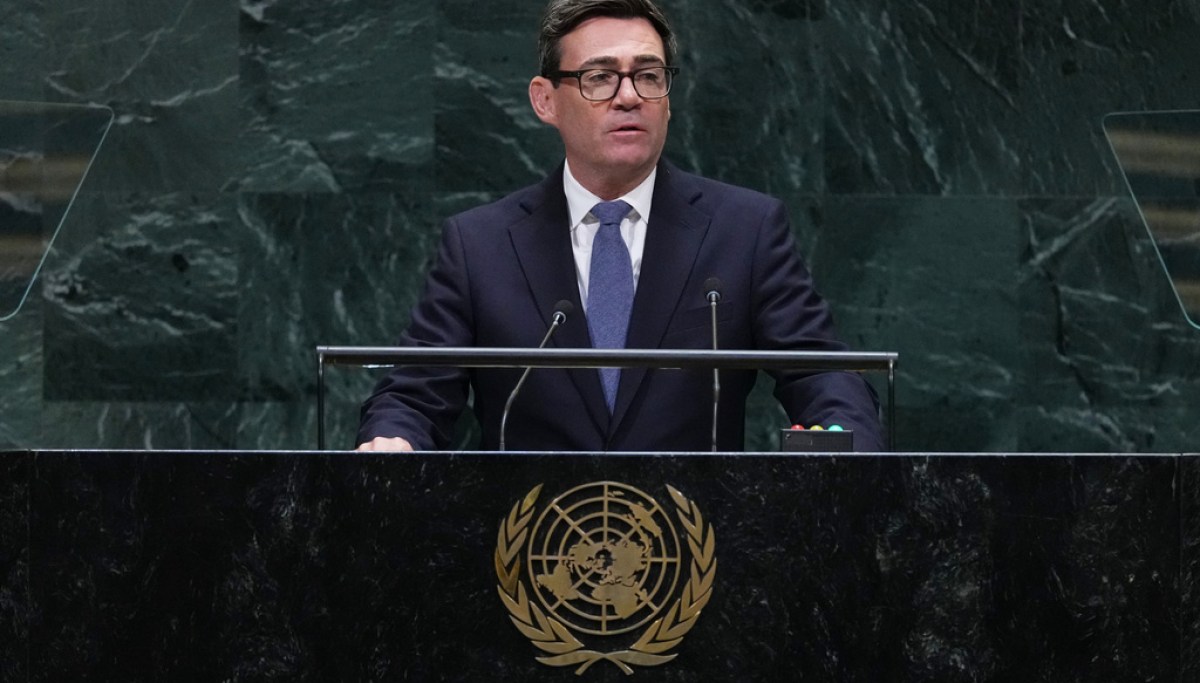
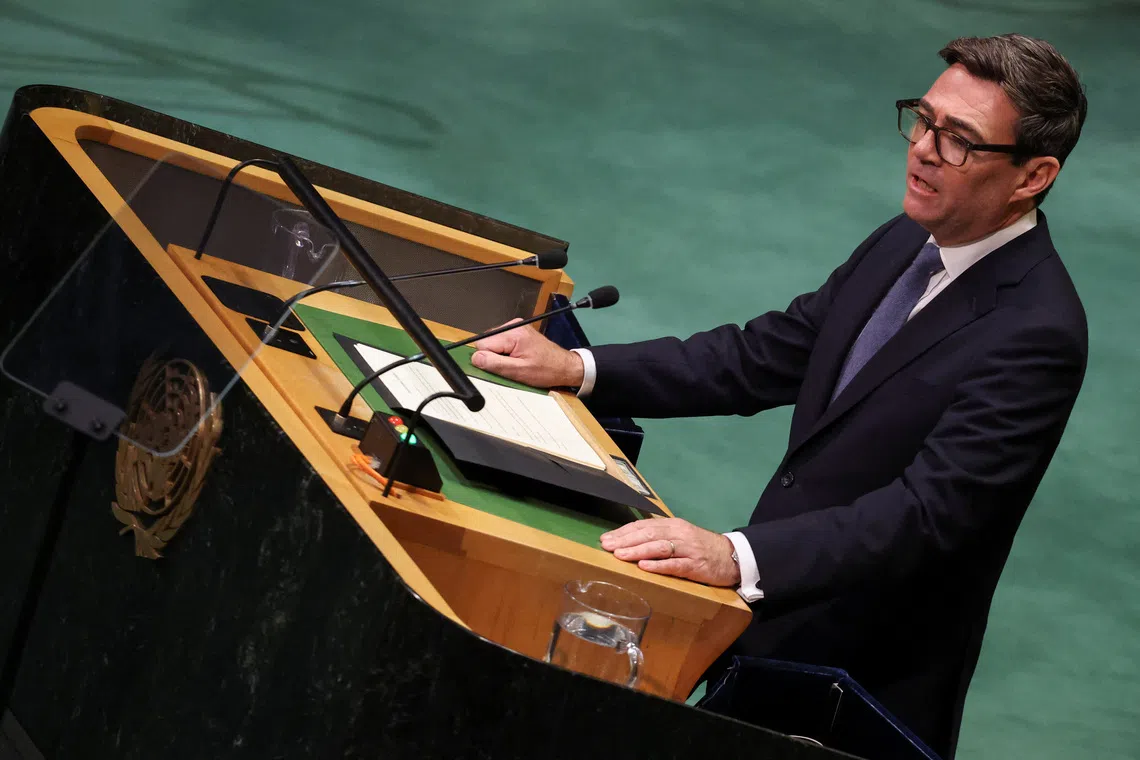
In November 2020, former US President Barack Obama warned about an "epistemological crisis" affecting Western democracies due to growing polarization and radicalization that undermines trust in established information sources. Recently, Andy Burnham, the UK's Home Secretary, highlighted Russia’s aggressive disinformation tactics during a speech at the United Nations, describing it as an “industrial-scale assault” on Britain’s information environment. He mentioned that Russia uses bot armies and fake websites to spread false narratives, interfere in elections, sow discord, and harm community relations.

To counter these threats, Burnham announced the establishment of a National Centre for Information Defence aimed at protecting Britain from foreign disinformation campaigns. However, critics argue that Russian efforts would be futile without complicit audiences within the UK sharing this material on large US tech platforms like Facebook and Twitter, which provide convenient channels for spreading such propaganda.

Written for “Russian Disinformation Threat” on 2026-10-30, grounded in this article and the 0 other(s) covering the same event.

Story

📰 Russian Disinformation Threat
Politics · 1 article(s) covering the same event.

Compared with similar articles

This article reads leans strongly left and hedges 0% of its claims. Each row says how that neighbour differs.
Al Jazeera
⚖️ Leans right further right than this Hedges 2 of 42 claims Outlet record 60/100
“The articles discuss different times and contexts regarding Russian disinformation, with Article A focusing on upcoming parliamentary elections as a political theatre, while Article B addresses a broader editorial view of the ongoing threat of Russian disinformation since November 2020.”
Daily Mail
⚖️ Leans right further right than this Hedges 12 of 34 claims Outlet record 68/100
“The articles discuss related topics about Russian threats to NATO but describe different events and perspectives from distinct sources and times.”
The Bulwark
Hedges 2 of 7 claims
“The articles discuss different aspects of the broader topic of Russian disinformation and threats but do not describe the same specific incident or occurrence.”
Al Jazeera
⚖️ Leans left further right than this Hedges 0 of 3 claims Outlet record 60/100
The Guardian
⚖️ Leans left further right than this Hedges 2 of 25 claims Outlet record 66/100
“Article A describes Andy Burnham's announcement about setting up a National Centre for Information Defence, while Article B discusses a broader editorial stance on Russian disinformation and links it to Burnham's speech at the UN. They are related but not describing the same specific event.”
BBC News
Hedges 3 of 37 claims Outlet record 69/100
“Article A describes Prime Minister Andy Burnham's speech announcing new measures against Russian disinformation, while Article B is an editorial response to a broader theme of disinformation threats highlighted by Burnham's speech.”
Washington Examiner
Hedges 4 of 29 claims Outlet record 70/100
“Article A describes PM Burnham's address to the U.N., while Article B provides editorial commentary on Russian disinformation, referencing but not directly describing the speech.”
Daily Mail
⚖️ Leans left further right than this Hedges 4 of 21 claims Outlet record 68/100
“The articles discuss related themes but appear to cover different parts of a broader issue - Article A focuses on Burnham's claims about Putin exploiting Brexit, while Article B mentions Obama's warning and connects it to Burnham’s speech at the UN without detailing the same specific incident.”
The Straits Times
Hedges 0 of 13 claims Outlet record 66/100
“Article A describes the announcement and details of the new National Centre for Information Defence, while Article B provides a broader editorial commentary on Russian disinformation and references Andy Burnham's speech at the UN without specific event details.”
BBC News
⚖️ Leans left further right than this Hedges 3 of 32 claims Outlet record 69/100
“The articles discuss similar topics but focus on different aspects; Article A is about verifying disinformation campaigns, while Article B is an editorial reaction to Burnham's speech at the UN.”
How this article was measured signals, leaning charts, publisher record, byline, topics and claims

Signals How these are calculated →

Claims extracted
25
sentences that state something as happening or true
Uncertain
0%
0 of 25 hedged ("reportedly", "may", "according to")
Leaning
Leans strongly left
of the writing, not the subject · beta estimate
Publisher signals
66/100
The Guardian's corrections and hedging, across everything collected from it. Not a measure of accuracy.
Outlets on this story
1
Politics
Same framing elsewhere
1
articles that frame the event the way this one does
Analyzed 2026-09-23 · how these are computed

How this is being covered How these are calculated →

Article leaning vs. publisher reliability
Source leaning vs. consistency

Publisher

The Guardian · 1826 article(s) · 6 correction(s) detected
Running correction rate · 6 correction(s)

Who wrote this

No reporter is named on this article, beyond the feed's “Editorial”.

Topics

Britain Kremlin Russia a National Centre for Information Defence the United Nations

Subjects

Britain GPE · 3× Burnham PERSON · 3× British NORP · 2× Kremlin ORG · 2× Musk PERSON · 2× Russia GPE · 2× Andy Burnham PERSON · 1× Barack Obama PERSON · 1× a National Centre for Information Defence ORG · 1× the United Nations ORG · 1×

Narrative

The Kremlin would be wasting its money pumping out disinformation if large US tech platforms didn’t provide convenient channels for the toxin to spread, if there weren’t a complicit audience in Britain sharing the offending material and if the market for spreading pernicious propaganda weren’t so lucrative.
framing: assertive · carried by 1 article(s) · first seen 2026-09-23
🔮 The Kremlin would be wasting its money pumping out disinformation if large US tech platforms didn’t provide convenient channels for the toxin to spread, if there weren’t a complicit audience in Britain sharing the offending material and if the market for spreading pernicious propaganda weren’t so lucrative.

Claims (25 extracted, 0 hedged)

In November 2020, Barack Obama warned of an “epistemological crisis” facing western democracies. asserted
Obama → warn → democracies
Polarisation and radicalisation were corroding trust in established information sources. asserted
Polarisation → corrode → sources
“If we do not have the capacity to distinguish what’s true from what’s false, then by definition the marketplace of ideas doesn’t work,” the former US president said. asserted
president → have → ideas
That vulnerability has grown since then. asserted
vulnerability → grow → ?
Democracy’s enemies have become more determined to exploit it. asserted
enemies → become → it
This is the threat that Andy Burnham highlighted in a speech at the United Nations this week. asserted
Burnham → highlight → Nations
The prime minister accused Russia of waging an “industrial-scale assault” on the UK’s information environment using bot armies and fake websites to spread falsehoods, interfere in elections, foment discord and poison inter-community relations. asserted
minister → accuse → relations
The prime minister announced the creation of a National Centre for Information Defence to thwart campaigns of epistemological sabotage by hostile actors. asserted
minister → announce → actors
Mr Burnham is right to highlight the threat, but he told only part of the story. asserted
he → highlight → story
The Kremlin would be wasting its money pumping out disinformation if large US tech platforms didn’t provide convenient channels for the toxin to spread, if there weren’t a complicit audience in Britain sharing the offending material and if the market for spreading pernicious propaganda weren’t so lucrative. asserted
market → waste → propaganda
Information warfare is only effective when it exploits structural vulnerabilities in the target society. asserted
it → exploit → society
Far-right material sowing hatred against migrants is most fruitful where the terrain has been fertilised by domestic politics. asserted
terrain → sow → politics
Earlier this year, analysis by the Guardian found that more than half of accounts on X that were posting about racially aggravated riots in Belfast and civil disorder in Southampton were based outside the UK. asserted
that → find → UK
Seven of the most-read tweets originated in the US, including one posted by X’s proprietor, Elon Musk, the world’s richest man. asserted
Seven → read → proprietor
Mr Musk has been assiduous in promoting a warped, dystopian idea of Britain as a failed state whose culture is being corroded by mass migration. asserted
culture → promote → migration
His platform has been invaluable to far-right activists who have mustered gangs of masked men into mobs that obstruct roads, intimidate people and threaten asylum claimants at British ports. asserted
that → muster → ports
Last year, Mr Musk addressed a rally organised by the far-right activist Tommy Robinson, where he called for the Labour government to be removed. asserted
government → address → activist
Earlier this year, Mr Robinson, whose real name is Stephen Yaxley-Lennon, travelled to Moscow on a trip funded by the Musk Foundation. asserted
name → travel → Foundation
He said the purpose of the trip was to “see the beauty of a civilised society”. asserted
purpose → say → society
Mr Burnham did not address that side of the anti‑democracy equation in his speech, perhaps because he felt that it would be impolitic to impugn US big tech under the president’s nose. asserted
it → address → nose
Mr Trump is also an originator and disseminator of falsehoods online, but the nature of transatlantic diplomacy prevents a UK prime minister confronting him with that record. asserted
nature → prevent → record
Under the circumstances, it made sense for Mr Burnham to concentrate his remarks on the threat from the Kremlin, but that must not signal the limit of his policy focus. asserted
that → make → focus
British democracy is indeed under attack from Russia, but an effective campaign to build resilience has to recognise also the complicity of domestic extremists and the digital privileges they enjoy thanks to US technology companies. asserted
they → build → companies
- Do you have an opinion on the issues raised in this article? asserted
you → raise → article
If you would like to submit a response of up to 300 words by email to be considered for publication in our letters section, please click here. asserted
you → like → section

💬Give feedback
🕘History 🎫Support