Photo via NPR

A melting glacier contributed to the deadly Nepal floods. We can expect more like this

Read the original at NPR ↗
Cite

Berger, A. (2026, August 28). A melting glacier contributed to the deadly Nepal floods. We can expect more like this. NPR. https://www.npr.org/2026/08/28/nx-s1-5945799/nepal-floods-climate-change-himalayas

Dated when The Aporia collected the article, usually within hours of publication. Check the original for its exact date and byline.

NPR · collected 2026-08-28 · by Ava Berger

Quick Summary

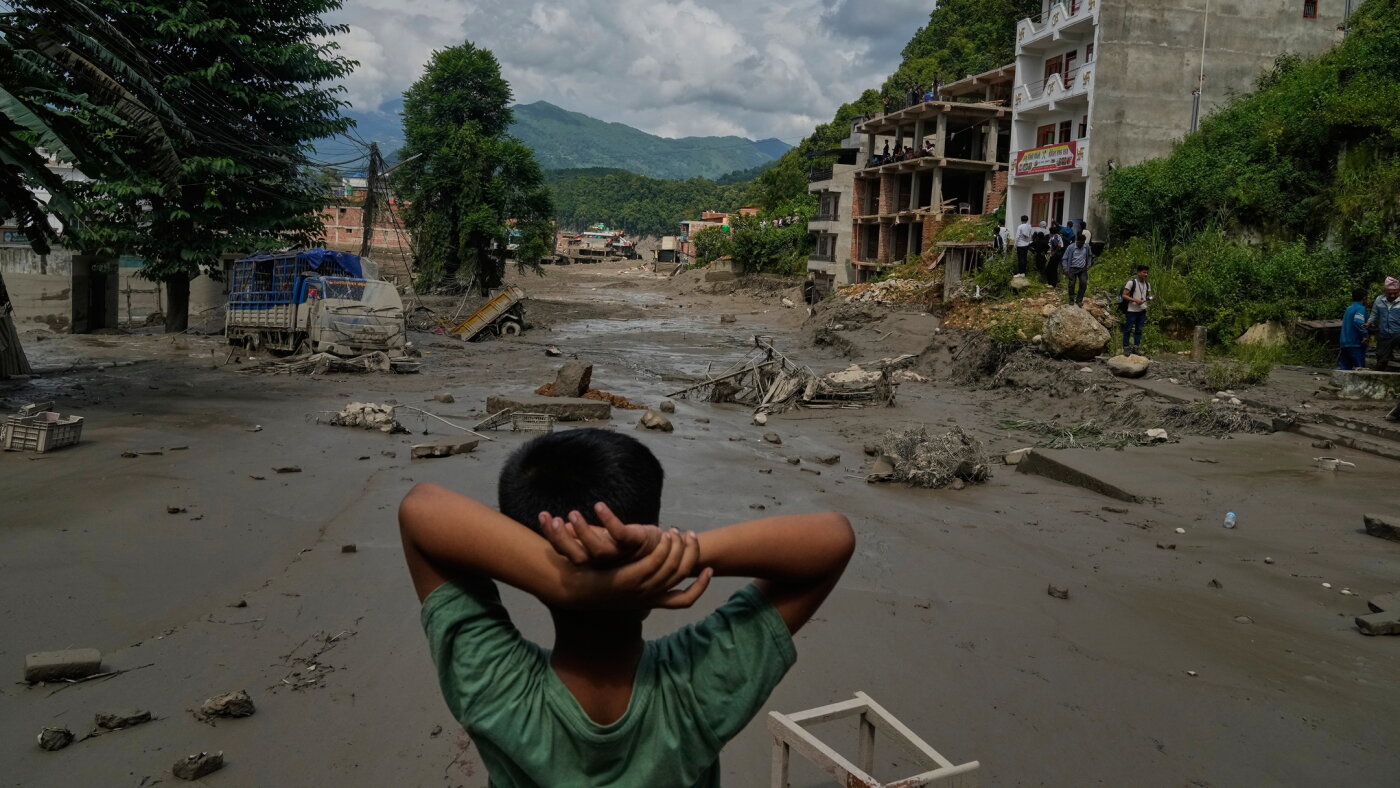
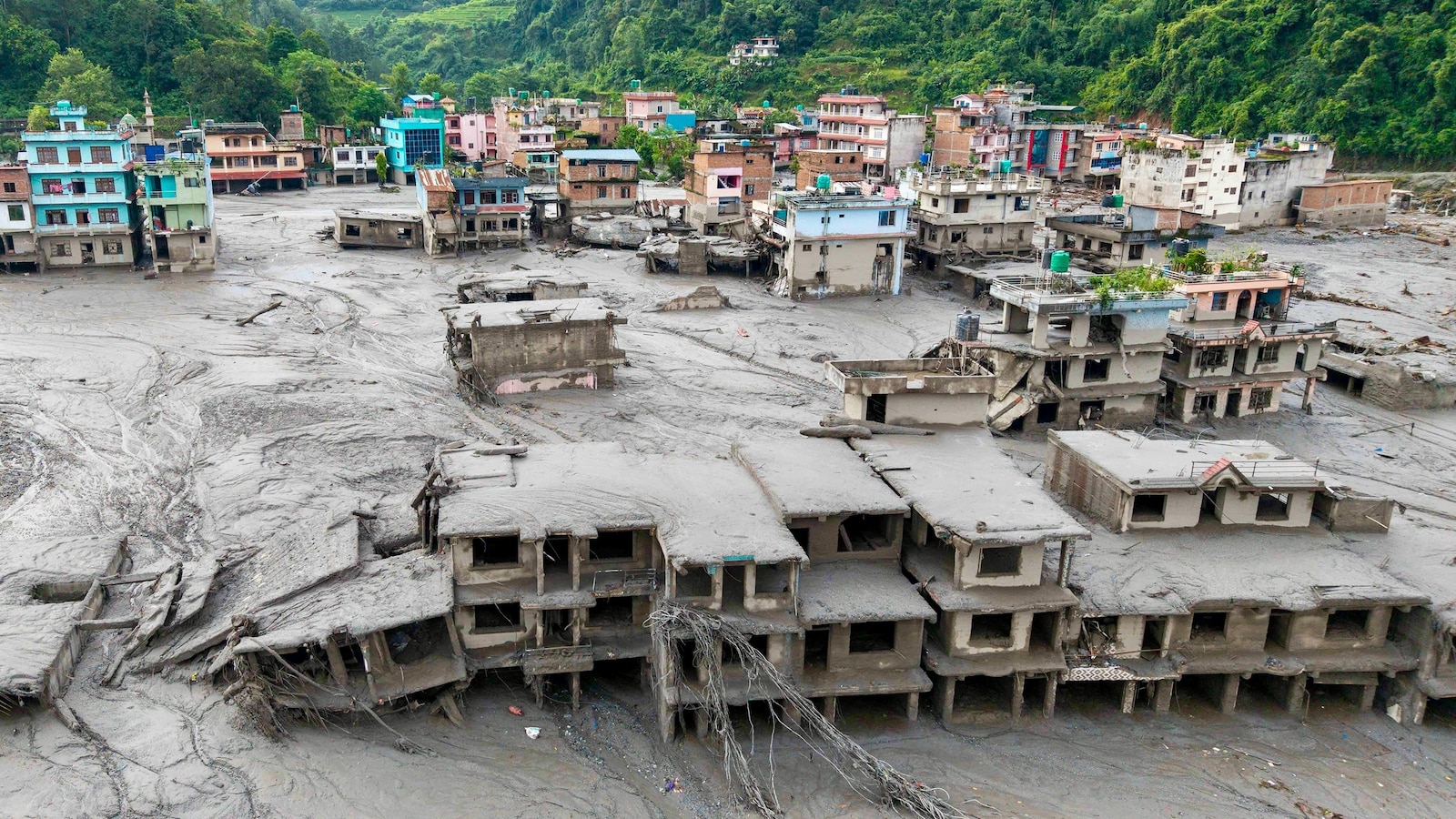
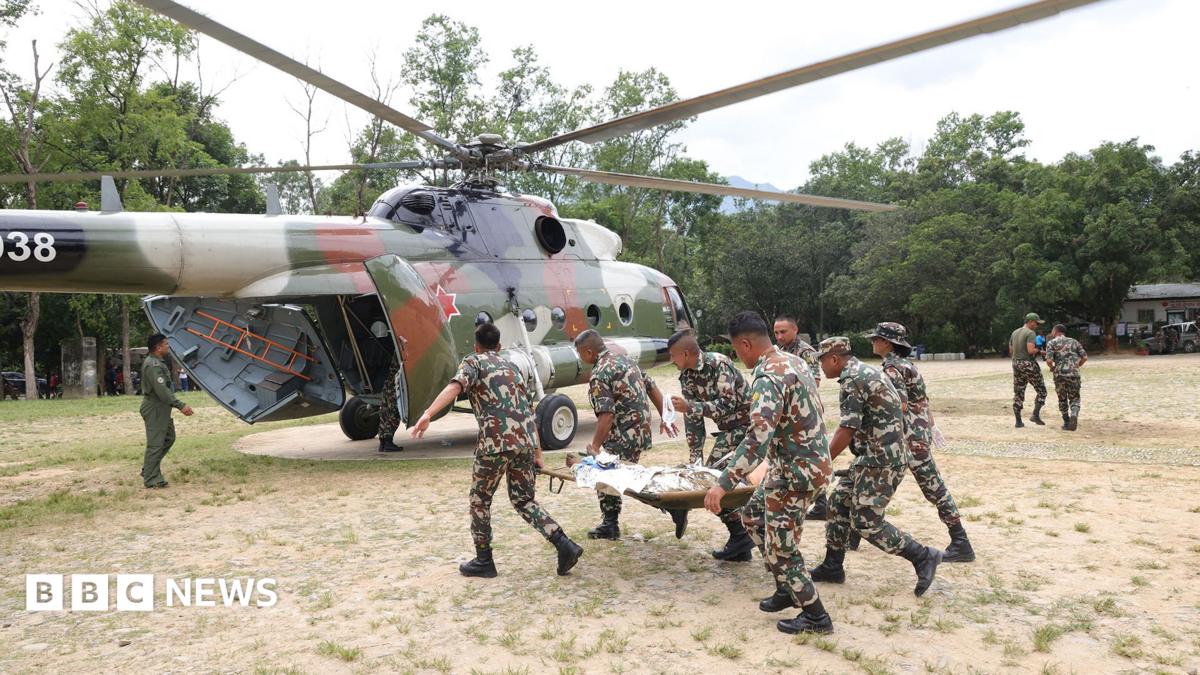
Scientists say a massive chunk of ice broke off from a glacier and contributed to deadly flash flooding in Nepal and Tibet on Wednesday, killing at least 400 people and leaving over 1,000 missing. The disaster was exacerbated by heavy monsoon rains, which caused rivers to swell. Experts attribute the increasing frequency and severity of such events to human-caused global warming, with glaciers melting at an alarming rate due to climate change. Preliminary reports also suggest that Nepal's flood warning system was not equipped to handle this level of flooding, despite significant government investment in recent years.
Written by AI on 2026-08-28, from this article's own text only (the story summary below draws on all the coverage).

AI analysis

Story summary

Nepal faced devastating flash floods on August 26, triggered by a glacial collapse in the Himalayas, resulting in over 900 deaths and nearly 5,000 missing people across Nepal and Tibet. Rescue teams from multiple countries, including China, are searching for hundreds of workers believed to be trapped in hydropower tunnels. The disaster has prompted international relief efforts; Australia dispatched a specialized team including 10 personnel from Fire and Rescue NSW as part of an $11 million humanitarian support package. Meanwhile, social media erupted with racist comments towards missing Australians, highlighting tensions within affected communities.

Written for “Nepal Flood Rescue Efforts” on 2026-10-31, grounded in this article and the 62 other(s) covering the same event.

Story

📰 Nepal Flood Rescue Efforts
World · 63 article(s) covering the same event. Compare every outlet's account →

Compared with similar articles

This article reads unscored and hedges 4% of its claims. Each row says how that neighbour differs.
BBC News
Hedges 7 of 31 claims Outlet record 68/100
New York Post
Hedges 5 of 33 claims Outlet record 66/100
BBC News
Hedges 3 of 21 claims Outlet record 68/100
Al Jazeera
Hedges 1 of 18 claims Outlet record 60/100
The Hindu
Hedges 6 of 23 claims Outlet record 60/100
Toronto Star
Hedges 0 of 2 claims Outlet record 64/100
CBC News
Hedges 4 of 33 claims Outlet record 60/100
ABC News (US)
Hedges 3 of 27 claims Outlet record 70/100
BBC News
Hedges 9 of 44 claims Outlet record 68/100
How this article was measured signals, leaning charts, publisher record, byline, topics and claims

Signals How these are calculated →

Claims extracted
26
sentences that state something as happening or true
Uncertain
4%
1 of 26 hedged ("reportedly", "may", "according to")
Leaning
withheld
no quote in the article backed the model's score
Publisher signals
60/100
NPR's corrections and hedging, across everything collected from it. Not a measure of accuracy.
Outlets on this story
63
World
Same framing elsewhere
1
articles that frame the event the way this one does
Analyzed 2026-08-28 · how these are computed

How this is being covered How these are calculated →

Article leaning vs. publisher reliability
Source leaning vs. consistency

Publisher

NPR · 984 article(s) · 3 correction(s) detected
Running correction rate · 3 correction(s)

Who wrote this

Ava Berger
13 article(s) here · 1 carrying a prediction
🔮 The flooding isn't a surprise, he says, pointing to a prediction he and others made in the spring — that if El Niño materialized according to forecasts, southwestern U.S. could see extreme precipitation events through October.
🔮 It does surprise me – I mean, here it's been around all this time," says Mark Cane, who created one of the first models to forecast and predict El Niño.
🔮 On Saturday, grassroot groups across the country will hold over 3,000 "No Kings: Vote Early" marches and other events.
🔮 So far, the Rat Rangers have taken hundreds of residents through D.C.'s labyrinth of alley ways, past rotting garbage and hungry rodents. Will it make a difference?
2026-09-28 · assertive framing · How to limit the rat numbers? Train the humans
🔮 The storm is expected to continue hitting the Jersey Shore, New York City, and Eastern Massachusetts into Sunday, according to NWS.
🔮 The storm is expected to intensify and move slowly north throughout the day, according to the National Weather Service.
🔮 Hurricane Nolo is expected to bring heavy rainfall and potential flooding to Hawaii this weekend, according to the National Hurricane Center.
🔮 He warned other news outlets would follow.
🔮 The Republican-led committee subpoenaed Black to return for a deposition under oath, and to turn over any nondisclosure agreements he signed, including those he may have signed with survivors of Epstein's abuse.
🔮 Both men have already been charged and will be deported following their release from prison.
Also by Ava Berger
Nothing else under this byline is closely related to this article, so these are simply their most recent.
All 13 articles by Ava Berger →

Topics

Himalayan Nepal Tibet the National Snow and Ice Data Center the University of Colorado Boulder

Subjects

Nepal GPE · 6× Tibet GPE · 3× Himalayan NORP · 2× NPR ORG · 2× the University of Colorado Boulder ORG · 2× Chinese NORP · 1× ICIMOD ORG · 1× Mohammad Farooq Azam PERSON · 1× Twila Moon PERSON · 1× the National Snow and Ice Data Center ORG · 1×

Narrative

"There's no question that this event was made more likely because of climate change and that we're seeing more likely other similar glacier hazards occurring," says Twila Moon, deputy lead scientist at the National Snow and Ice Data Center at the University of Colorado Boulder.
framing: assertive · carried by 1 article(s) · first seen 2026-08-28
🔮 The world will see "more and more events like this," says Alton Byers, a faculty research scientist at the Institute of Arctic and Alpine Research at the University of Colorado Boulder.

Claims (26 extracted, 1 hedged)

A melting glacier contributed to the deadly Nepal floods. asserted
glacier → melt → floods
We can expect more like this Loading... asserted
We → expect → this
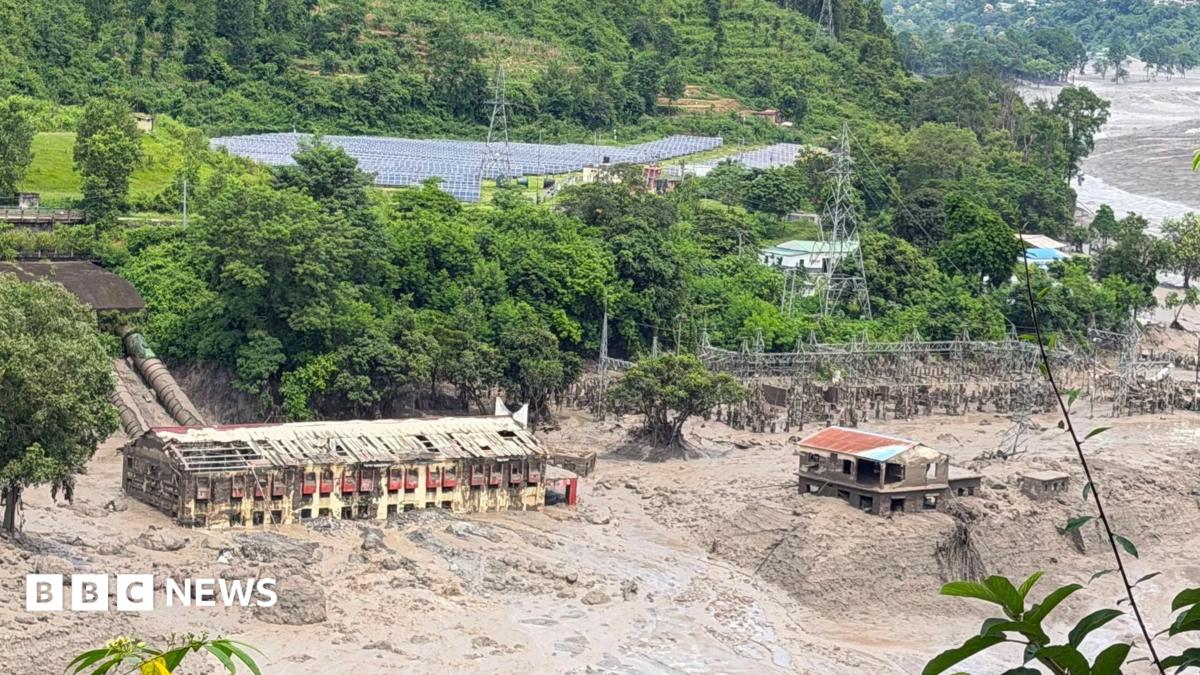
More than a thousand people are missing and at least 400 people are dead after flash flooding tore through Nepal and Tibet early Wednesday. asserted
flooding → miss → Nepal
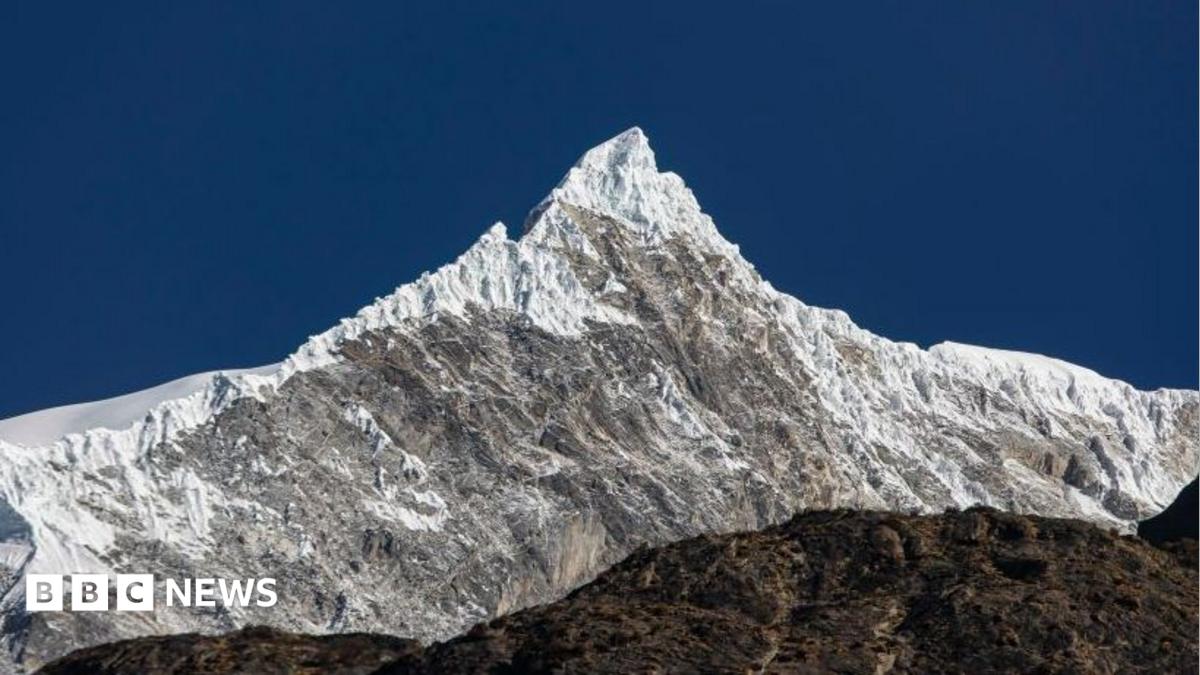
According to initial assessments, a massive chunk of ice snapped off a glacier and tumbled thousands of feet into the valley below. uncertain
chunk → accord → valley
Rock, ice and mud plunged down for miles, washing away communities along the river. asserted
Rock → plunge → river
Scientists say glaciers in this region, and around the world, are increasingly unstable because of human-caused global warming. asserted
glaciers → say → warming
Across the mountains of Nepal and Tibet, climate change is causing glaciers to melt at an alarming rate. asserted
glaciers → cause → rate
Planet-heating emissions from burning fossil fuels such as oil, gas and coal are the primary driver of climate change. asserted
emissions → heat → change
Scientists say that in addition to reducing climate pollution, renewable energy and battery technologies are increasingly price competitive with traditional energy sources. asserted
energy → say → sources
"There's no question that this event was made more likely because of climate change and that we're seeing more likely other similar glacier hazards occurring," says Twila Moon, deputy lead scientist at the National Snow and Ice Data Center at the University of Colorado Boulder. asserted
Moon → be → Colorado
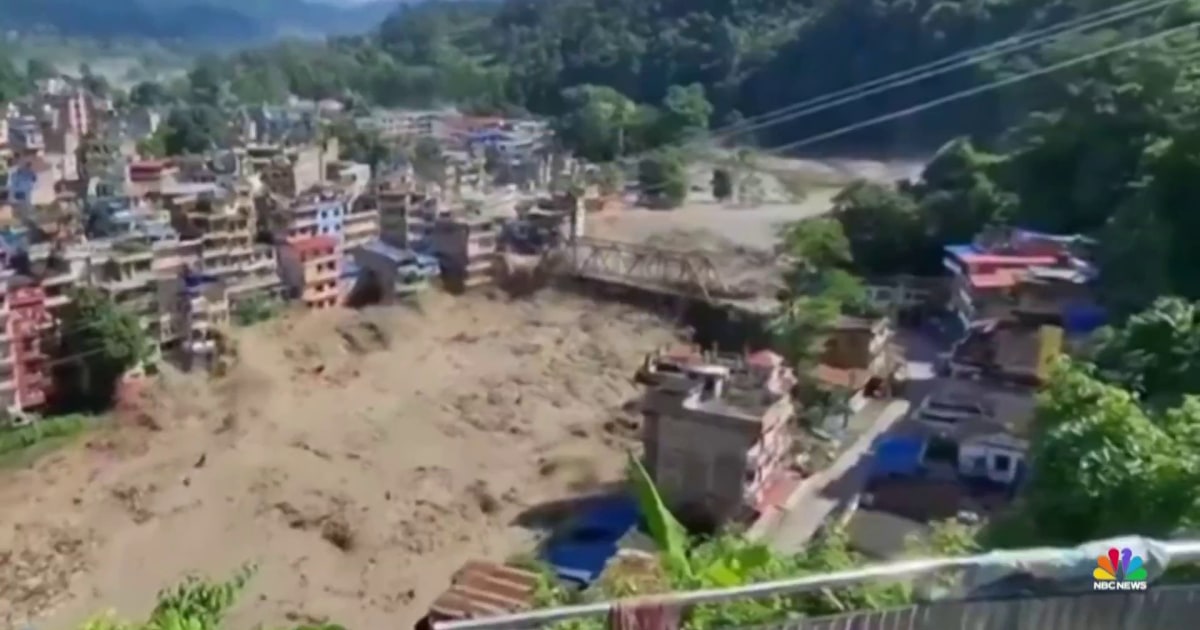
Footage from the Chinese-administered Tibet side of the border with Nepal shared on local media showed a massive gush of water sweeping over a port building as people fled. asserted
people → administer → building
Loading... As the water barrelled down, residents filmed it sweeping away a bridge and washing away riverside settlements. asserted
it → load → settlements
The flooding was made more severe because it happened during the heavy rains of the monsoon season, says Mohammad Farooq Azam, an expert at ICIMOD, an environmental advocacy group that focuses on Asia's high mountains. asserted
that → make → mountains
"Everything is fully saturated already," Azam said. asserted
Azam → saturate → ?
" This flood is part of a trend, said Arun Bhakta Shrestha, an expert on climate change and the Himalayan glaciers. asserted
Shrestha → say → change
"If you look at the whole Hindu Kush Himalayan region," he said, "it seems like the frequency, the types of those hazards are increasing." asserted
types → look → hazards
Shrestha said everything points to climate change as the reason. asserted
everything → say → reason
The world will see "more and more events like this," says Alton Byers, a faculty research scientist at the Institute of Arctic and Alpine Research at the University of Colorado Boulder. asserted
Byers → see → Colorado
"Things are getting warmer," he says. asserted
he → get → ?
Permafrost on the mountains, the continuously frozen soil and sediment, is now changing, said Byers. asserted
Byers → freeze → mountains
He uses the analogy of a stick of butter left out of the refrigerator. asserted
He → use → refrigerator
"It's going to get softer," he says. asserted
he → go → ?
"And it's going to lose its structural integrity." asserted
it → go → integrity
Preliminary reports indicate that Nepal's flood warning system wasn't equipped to handle these floods. asserted
system → indicate → floods
Many flood-prone valleys in the country have warning alarms, but as NPR has reported, the government has struggled to keep up with the cost of maintaining the systems. asserted
government → have → systems
NPR's Rebecca Hersher contributed to this reporting. asserted
Hersher → contribute → reporting

💬Give feedback
🕘History 🎫Support