Trump, Xi urge pursuit of common ground as they meet
PHILADELPHIA –
asserted
they → urge → ground
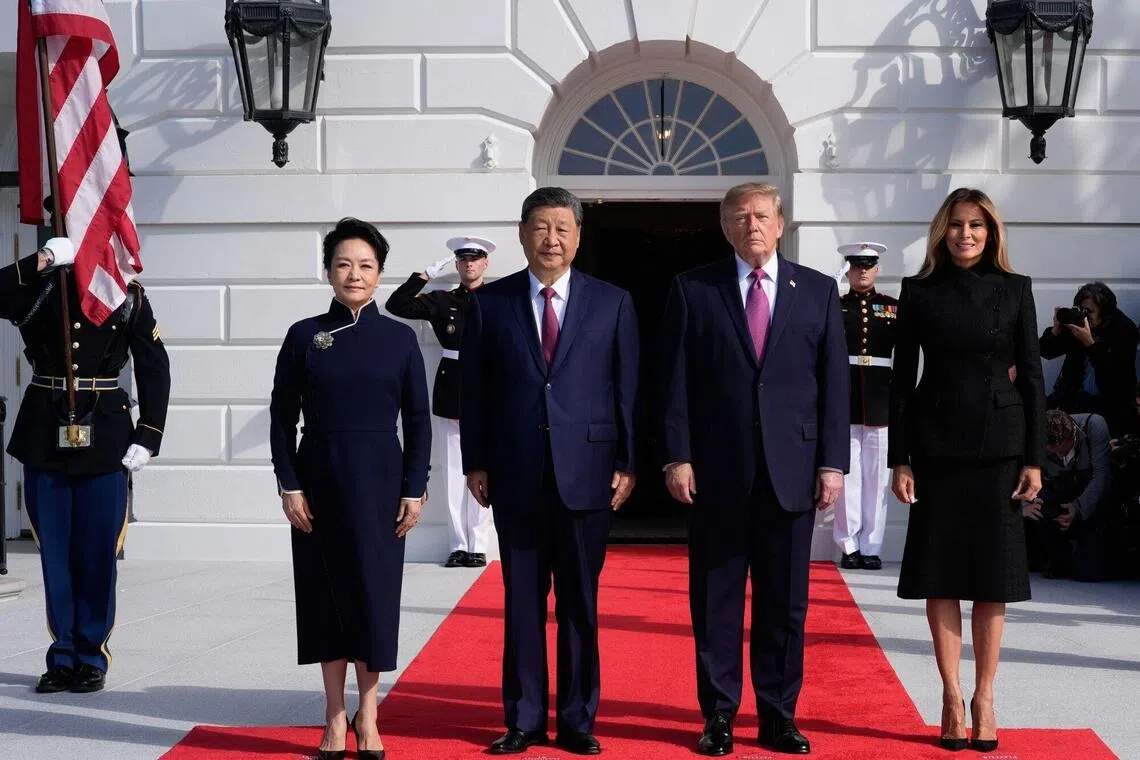
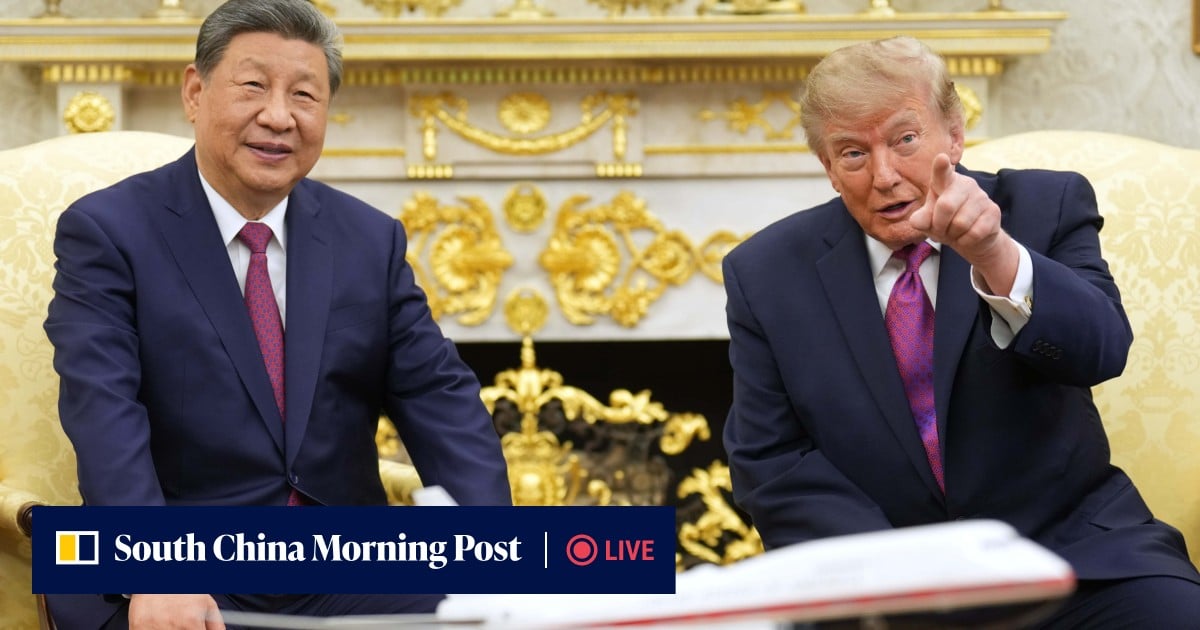
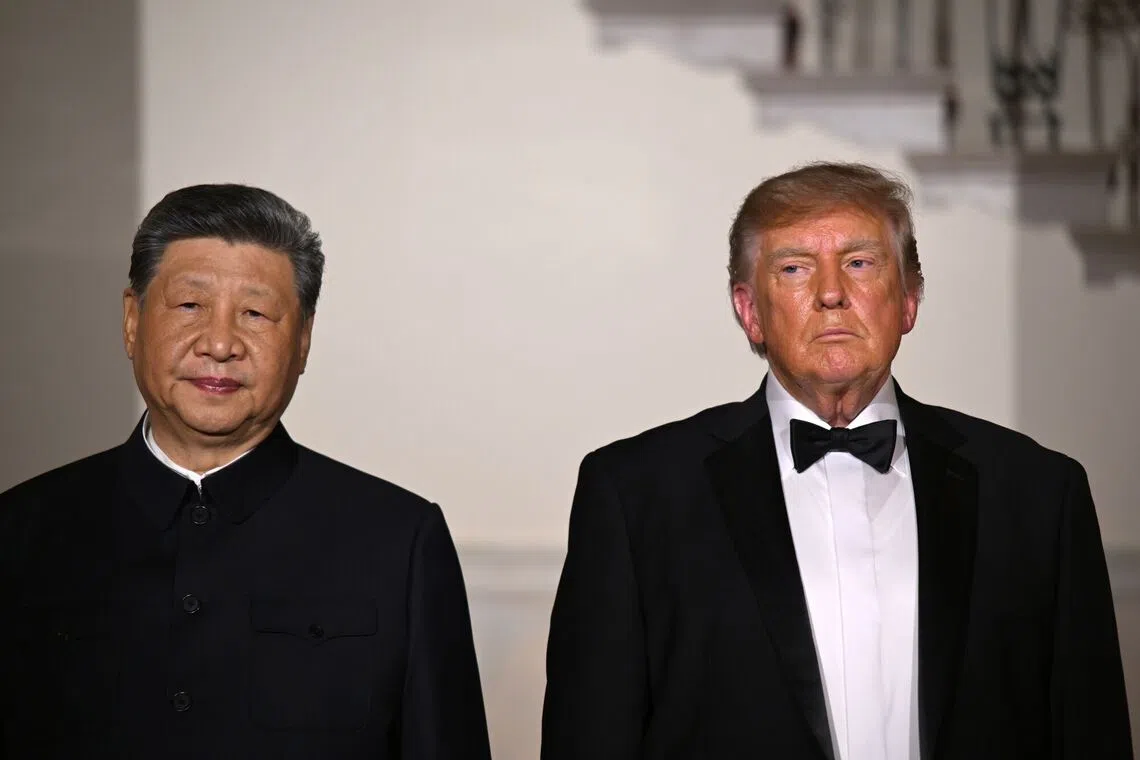
In a reference that could only have pleased China, President Donald Trump kicked off his summit with President Xi Jinping at the White House on Sept 24 with warm words about how the two countries had fought together in World War II.
uncertain
countries → please → II
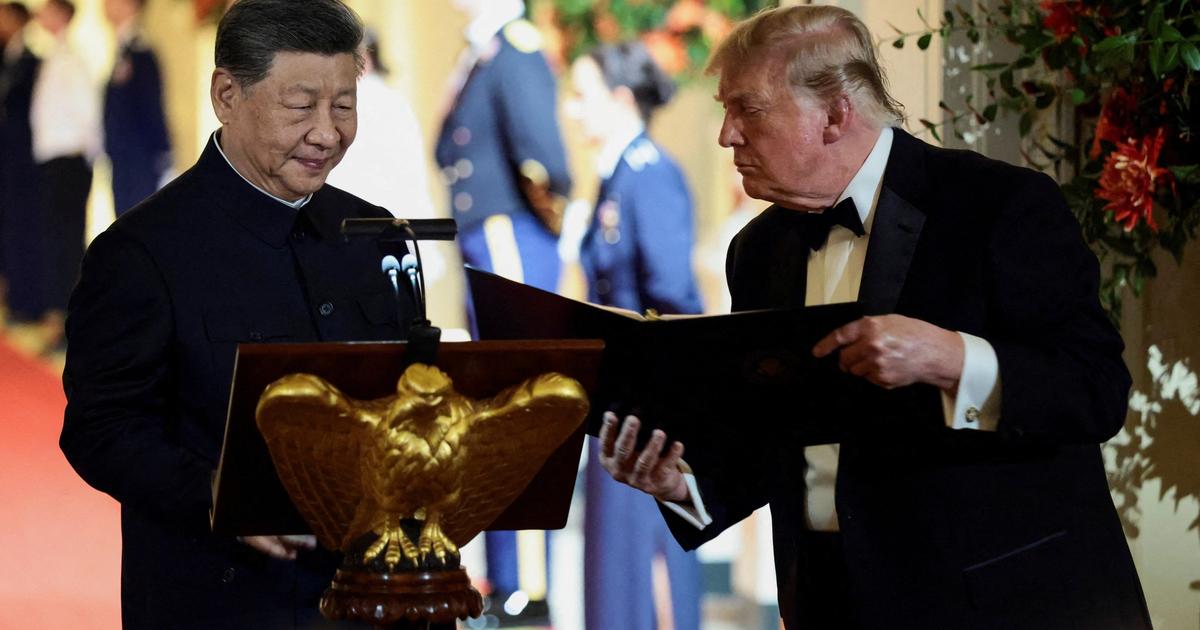
“The pursuit of common interests has connected our people across the vast oceans and many differences and even made us allies in World War II,” Trump said in a brief speech as Washington and Beijing look to ease tensions over trade, artificial intelligence and the Iran war.
asserted
Washington → connect → trade
“Look at the greatness that we had together fighting in World War II.
asserted
we → look → II
Brave American pilots volunteered to come to China and fight for the very survival of the legendary country,” he said, bringing up a reference to the Flying Tigers, a group of American pilots who flew for the Chinese air force to fight the Japanese during World War II, before the United States officially joined the war.
asserted
States → volunteer → war
“They were just unbelievable, they inspired the Marines to adopt a Chinese phrase they still use today, “gung ho”.
asserted
they → inspire → phrase
The Marines use it as an expression of great enthusiasm, but in Chinese it literally means working together.
asserted
it → use → Chinese
“President Xi and I will continue working together to forge a better future for both of our nations,” Trump said.
asserted
Trump → continue → nations
Xi also referenced the war.
asserted
Xi → reference → war
This is not uncommon for Chinese leaders, who often invoke the war to bring up the narrative that China suffered a foreign invasion, fought and prevailed.
asserted
China → invoke → invasion
It also ties into the larger account of the Chinese framing of their modern history as “a century of humiliation” that is giving way to China having a major role in shaping the postwar international order.
asserted
China → tie → order
“Chinese and Americans fought shoulder to shoulder against fascist aggression.
asserted
Chinese → fight → aggression
Chinese people have never forgotten that part of history, nor have the American people,” Xi said.
asserted
Xi → forget → history
The war comes up less often in the speeches of US presidents, who see it as a tale of US democratic resolve, allied victory and the postwar leadership.
asserted
who → come → resolve
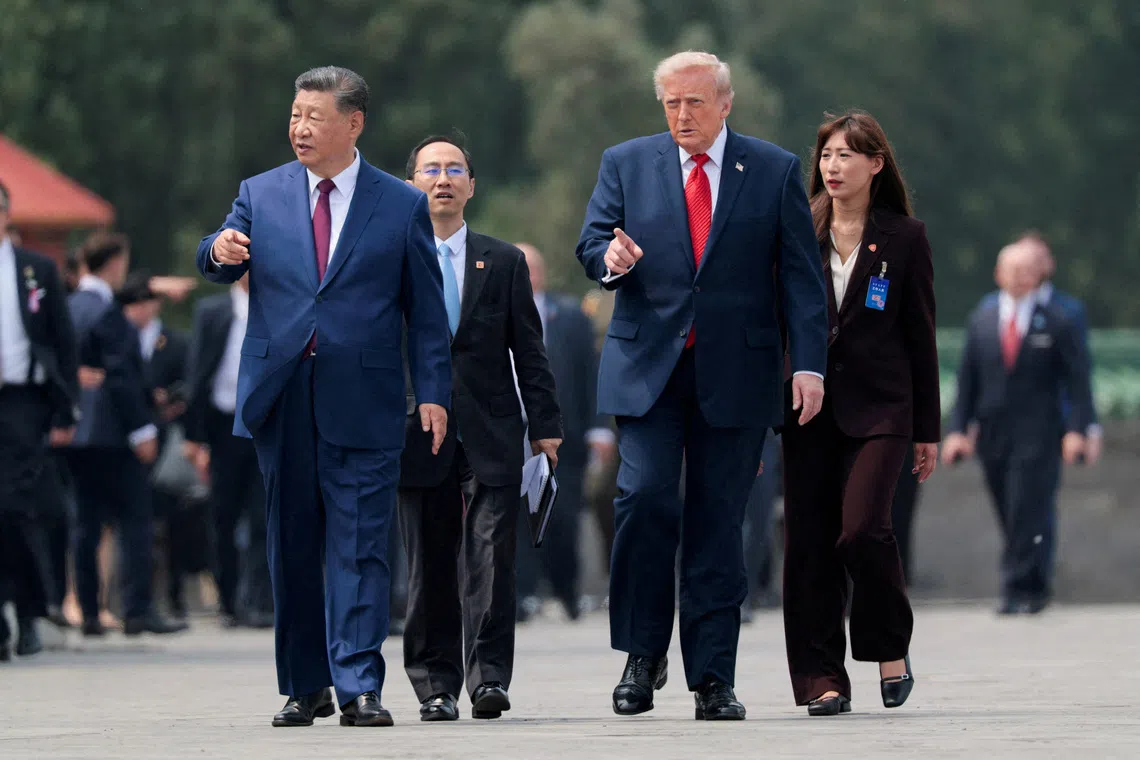
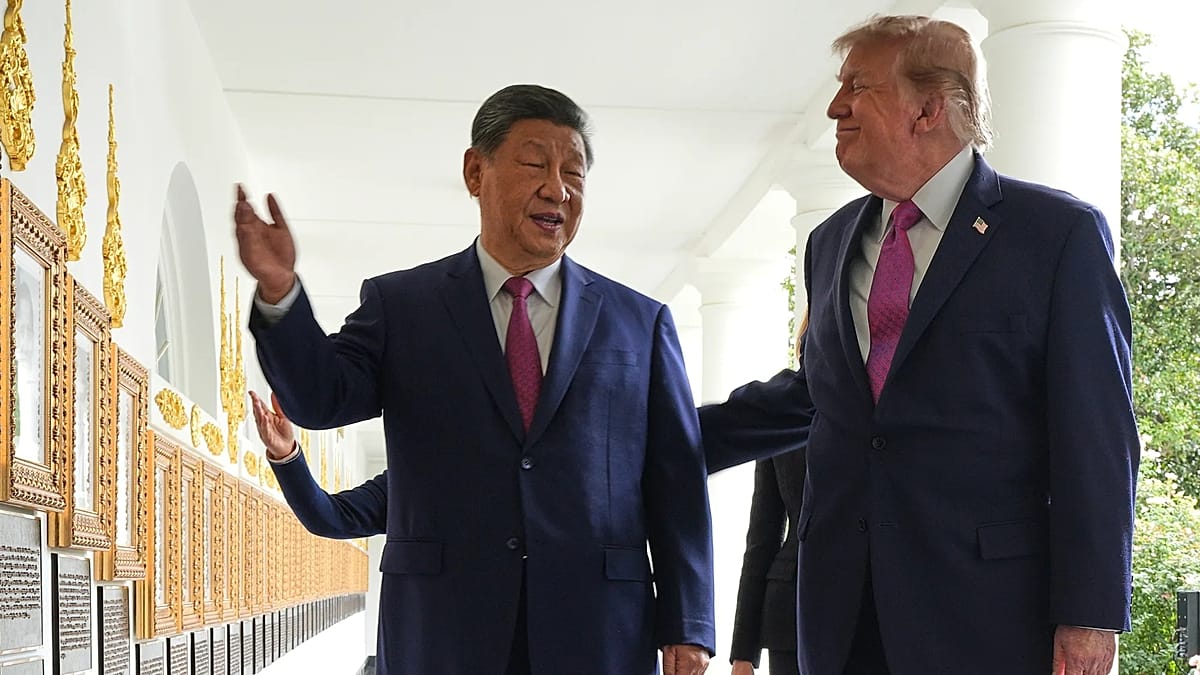
In his speech, Xi said he had a “personal rapport” with the US President, adding that the two leaders “should seek common ground”.
“Our competition should be a healthy one.
asserted
competition → say → ground
Not a wrestle in which one wins and one loses,” Xi said.
asserted
Xi → win → which
But Xi also brought up the “Thucydides Trap”, which could hardly have pleased Trump, who had reportedly reacted vehemently to it in a private setting after Xi used the term when they met in Beijing in May.
uncertain
they → bring → May
The concept, popularised by Harvard political scientist Graham Allison, is often used to describe the likelihood of a war breaking out when an established power tries to constrain the growth and expansion of a rising power – in this case, the catastrophic consequences of the US trying to contain China.
asserted
US → popularise → China
Xi also made a case for the bilateral business relationship to be upgraded.
asserted
relationship → make → case
“China keeps its door wide open, welcomes American companies wanting to invest and do business there,” he said.
asserted
he → keep → business
“We hope Chinese companies are treated fairly here in the United States.”
asserted
companies → hope → States
“Achieving the great rejuvenation of the Chinese nation and making America great again can go hand in hand,” Xi said, and invited 100,000 American students to visit China in the next five years.
asserted
Xi → achieve → years
Trump has said he wanted to let an additional 600,000 Chinese students into American universities, but that upset the immigration hardliners in his base.
asserted
that → say → base
Xi also announced that two pandas would be coming to their new home at the Atlanta zoo in the coming days.
asserted
pandas → announce → days
Analysts watching for cues as to how the two countries are reshaping their relationship pointed to Xi raising Beijing’s new framing of the relationship as one of “constructive strategic stability”.
asserted
Xi → watch → stability
Trump has accepted the concept, which hit the headlines during their May 13 to May 14 summit in Beijing.
uncertain
which → accept → Beijing
To US analysts, this is a sign that Beijing wants Washington to accept boundaries on where it can challenge China.
asserted
it → want → China
Evan Medeiros, a top Asia aide in the Obama White House, said he viewed the term “with great concern, if not alarm”.
asserted
he → say → concern
They use these phrases as a way to discipline their partner and constrain the relationship.
asserted
They → use → relationship
And from the Chinese perspective, they view the 2025 trade war and the Busan truce as the US-China relationship having crossed a threshold – a threshold that they’ve been striving for for a very long time, which is to achieve equal status with the United States.
asserted
which → view → States
And having achieved equal status now, they believe that they can dictate the terms,” Medeiros said.
asserted
Medeiros → achieve → terms
Yun Sun, senior fellow and director of the China Programme at the Stimson Center think-tank, said the Chinese were loving the summit.
asserted
Chinese → say → summit
“It is high-profile; Xi received the highest treatment in terms of protocol; Trump expressed highest respect and regards – what’s not to like?” she said.
asserted
she → receive → respect
“The WWII reference is certainly gearing towards more great power cooperation.”
asserted
reference → gear → cooperation
The reference to strategic stability is China’s attempt to project positivity in bilateral relations and portray an endgame both sides can aspire for, she added.
asserted
she → project → endgame
It means China accepts the premise of the theory – that China is a rising power forming a threat to the existing great power, that is, the US.”
asserted
that → mean → power
That means Xi also acknowledged competition is real, she said. “Although the message is that the US and China should manage it.”
asserted
US → mean → it
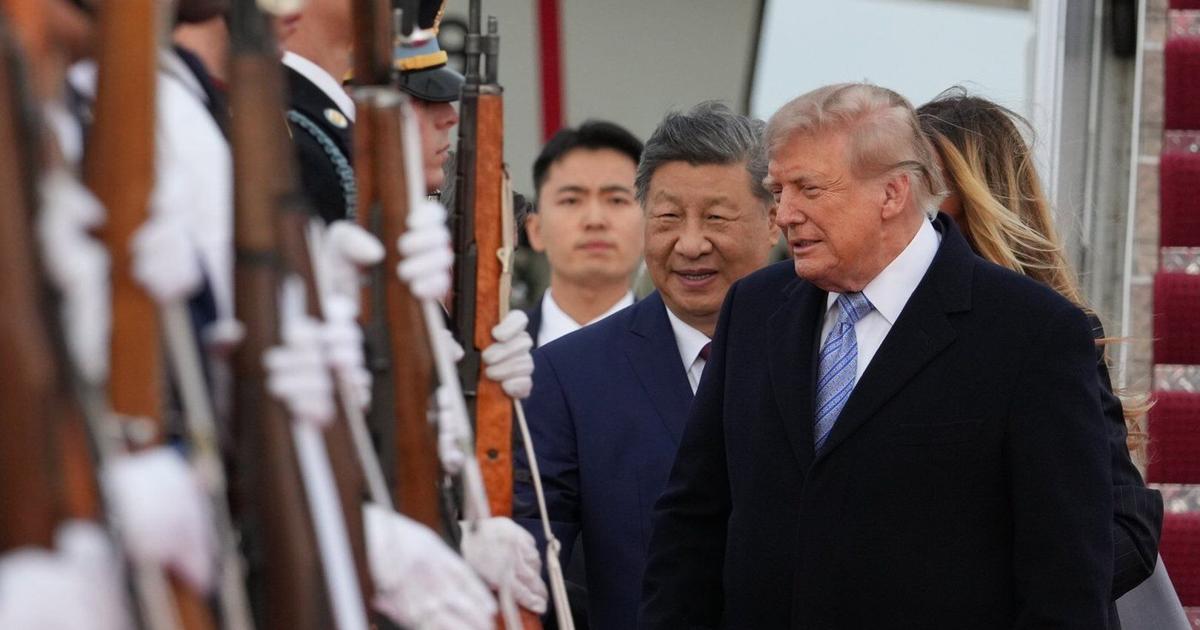
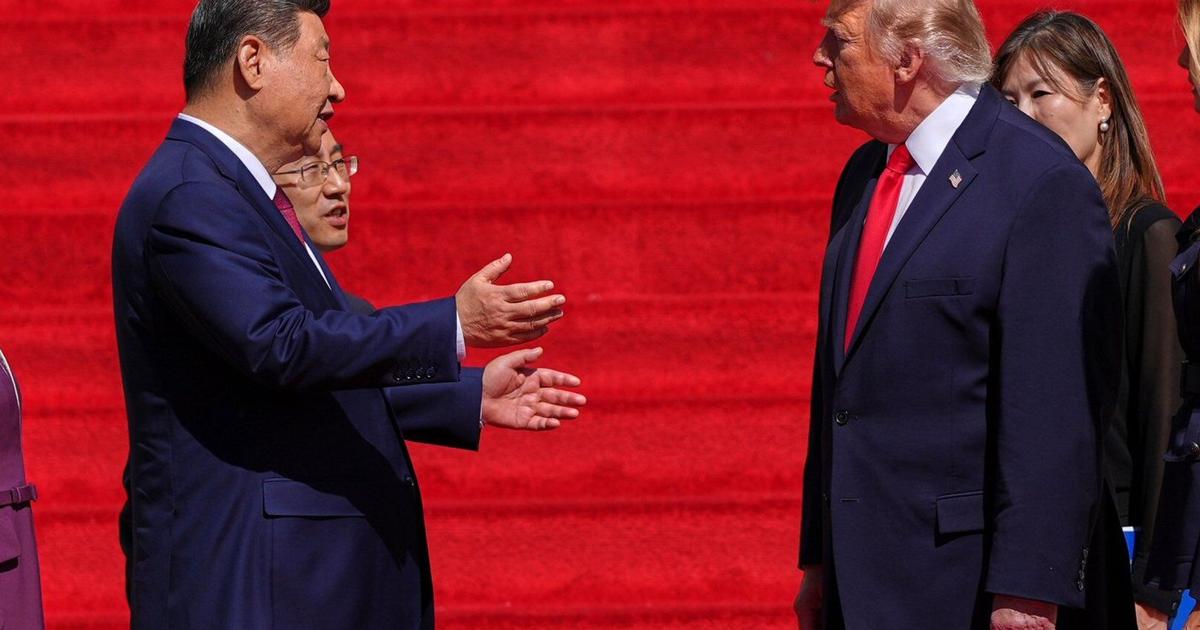
No major US TV network aired live footage of Trump and Xi, neither at the airport on Sept 23 when Trump broke protocol to personally welcome Xi’s plane, nor of the ceremony and speeches by the two presidents as they convened for a bilateral summit at the White House on Sept 24.
asserted
they → air → Sept
The raging row over the White House banning access to journalists from CNN, MS NOW and Politico continues even after a judge ordered the administration to restore access hours before the start of the second day of the visit, which concludes on Sept 25.
asserted
which → rag → Sept
 The Aporia