My fiancé works at Anthropic.
asserted
fiancé → work → Anthropic
The first time I attended a Meta developer conference devoted primarily to bots was a decade ago.
asserted
I → attend → bots
In 2016, the company then known as Facebook released a bot platform for Facebook Messenger.
asserted
company → know → Messenger
Rudimentary machine-learning models let developers from 1-800-FLOWERS, CNN, and other companies build automated systems to interact with customers, helping them to make purchases or get headlines delivered to them directly.
asserted
headlines → learn → them
At the time, Silicon Valley had been consumed by an interest in bots, which its boosters hoped would shift more and more internet activity to messaging apps.
asserted
boosters → consume → apps
"Messaging is going to be the interface — or the anti-interface — of the next phase of the internet," the entrepreneur Robin Chan, who then ran a bot-based e-commerce app named Operator, told me at the time.
asserted
who → go → time
Meta, which owned most of the biggest messaging platforms of the moment, believed it might be in the best position to capitalize.
uncertain
it → own → position
Within a couple years, though, the opportunity had proven to be a mirage.
asserted
opportunity → prove → years
The bot-building apps I profiled in The Verge all shut down, and by 2018 Meta was winding down the bot platform.
asserted
Meta → build → platform
David Marcus, who then ran Facebook Messenger, left to pursue the company's next big idea: creating its own cryptocurrency.
asserted
who → run → cryptocurrency
(That one never came to fruition, either.)
asserted
one → come → fruition
I thought about all this on Wednesday during the long ride back from Menlo Park, where I had just watched Mark Zuckerberg and his top lieutenants lay out their developer pitch for the year.
asserted
Zuckerberg → think → year
The future of the company, Zuckerberg said, lay in Muse, the personal agent that is not even a month old.
asserted
that → say → Muse
"The centerpiece of our vision for what we’re building is Muse,” Zuckerberg said, promoting the app to a central place in the company's family of apps only a few days after most people first heard of it.
asserted
people → build → it
“In the coming years, I expect that Muse is going to grow into the personal superintelligence that billions of people around the world are going to use to accomplish their goals and improve their lives.
asserted
people → come → lives
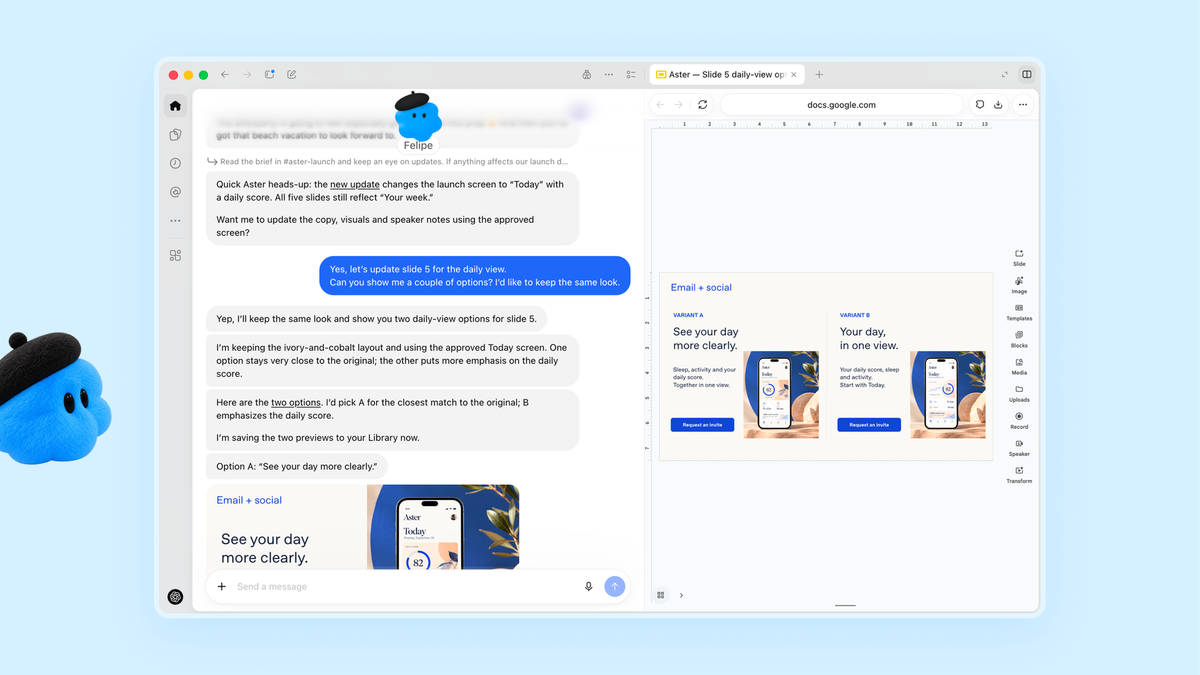
Muse represents a more consumer-friendly version of OpenClaw, the open-source AI agent I used for a few confusing days earlier this year.
asserted
I → represent → days
If you're willing to connect it to your Google Workspace, bank accounts, and other online services, you can ask it to perform a variety of tasks for you for free: filling out forms, grabbing reservations, paying bills, and so on.
asserted
you → connect → bills
Soon, Zuckerberg said on stage, you will be able to chat with Muse using your voice.
asserted
you → say → voice
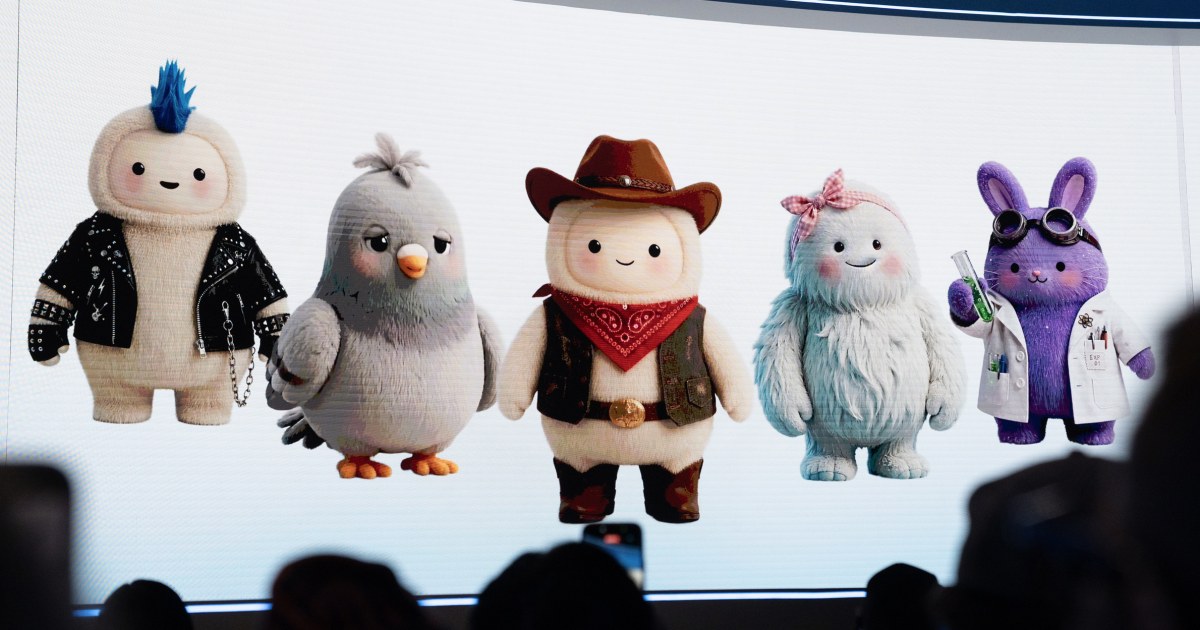
It will be integrated into the operating system for the company's virtual reality products, and the company is also racing to put out a novel piece of hardware: the Muse Charm, a sort of strapless smartwatch with a screen that lets you see and interact with your animated agent.
asserted
you → integrate → agent
The Charm is scheduled to ship later this year; pricing information has yet to be released, though Bloomberg reported, citing people familiar with the plans, that it would be priced like a smartwatch.
asserted
it → schedule → smartwatch
All of this strikes me as a rather extraordinary level of investment in a brand-new product that has only barely begun to show signs of product-market fit.
asserted
that → strike → fit
Zuckerberg said on stage that "millions" had tried Muse, only a day after The Information reported week-one usage at more than 500,000 people.
asserted
Information → say → people
By contrast, the company's Threads app hit 100 million users in five days, and Meta has yet to come up with a hardware plan for that one.
asserted
Meta → hit → one
So while Meta's sudden focus on Muse no doubt reflects real enthusiasm about early feedback from testers — some of which has bordered on ecstatic — I suspect it's just as much about conveying a sense of momentum during a year when Meta plans to spend up to $145 billion on infrastructure and other capital expenditures.
asserted
Meta → reflect → infrastructure
Investors have typically been patient with Meta; its core advertising business is so strong that shareholders hardly blinked as the company has lost more than $85 billion on its Reality Labs division since 2021.
asserted
company → blink → 2021
But this year's capital spending alone is set to exceed those cumulative losses, and the company finds itself in need of a story to sell.
asserted
itself → set → story
On Tuesday, I questioned some of the logic behind that story.
asserted
I → question → story
Muse can no doubt do some impressive work, just as OpenClaw could.
uncertain
OpenClaw → do → work
Personally, I find it tiresome to manage agents over a long period.
asserted
it → find → period
They constantly need new tasks to do, need you to approve various actions on their behalf, and need you to review their work.
asserted
you → need → work
They feel much more like interns than they do coworkers, and this gives Muse the feel of enterprise software: something I can easily imagine the managerial class trying out, but have more trouble seeing as a fast-growing consumer product.
asserted
class → feel → product
During his keynote, Zuckerberg acknowledged that he originally thought virtual reality and the metaverse would become mass-market phenomena before AI did.
asserted
AI → acknowledge → keynote
But once AI did, the company changed course.
asserted
company → do → course
AI, he said, "will be much bigger and more important.
asserted
he → say → ?
So we have shifted our focus to building the best devices for personal superintelligence."
asserted
we → shift → superintelligence
This is almost certainly the right thing to do, and yet I noted how gingerly Zuckerberg sidestepped what had been an expensive miscalculation.
asserted
what → do → ?
It wasn't long ago that Zuckerberg had deployed the metaverse in developer-conference keynotes the way he did with Muse this week: as a bright spot to rally the company around amid never-ending litigation and social backlash related to the company's core products, which went all but unmentioned on Wednesday.
asserted
which → deploy → Wednesday
It wasn't long ago that Zuckerberg told us that the metaverse would be where billions of people were spending their time.
asserted
billions → tell → time
And so, when he says that — never mind — it's actually Muse where everyone will be spending their time, there's more than a little reason to doubt him.
asserted
everyone → say → him
Intellectual honesty department: Meta VR Glasses
Whatever skepticism I feel about Muse, I must acknowledge being genuinely impressed with Meta's other big announcement on Wednesday.
asserted
I → feel → Wednesday
…and 47 more, not listed.
 The Aporia